Short term plan:
|
Unit 7: Fantasy world |
|
||
|
Teacher name: |
|
||
|
Date: |
|
||
|
Grade: 5 |
Number present: |
absent: |
|
|
Lesson title |
Use of English: Adverbs of frequency |
||
|
Learning objectives |
5.4.2.1 understand with little support specific information and detail in short, simple texts on a limited range of general and curricular topics 5.3.6.1 communicate meaning clearly at sentence level during, pair, group and whole class exchanges 5.5.8.1 spell most high-frequency words accurately for a limited range of general topics; |
||
|
Lesson objectives |
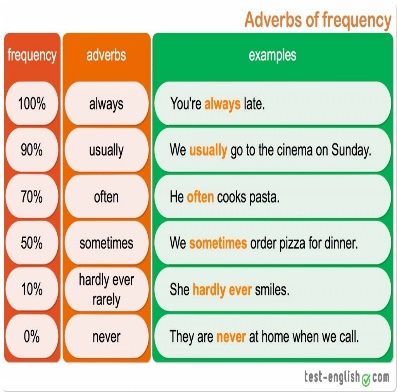
- learn and understand the position of adverbs of frequency in sentences - practise using adverbs of frequency - talk about habits using adverbs of frequency |
||
|
Value links |
Perseverance – People who value perseverance will work through adversity and be determined to get a result. This is a great treat for employees and entrepreneurs alike. |
||
|
Plan |
|||
|
Stages / Time |
Teachers actions |
Students actions |
Assessment criteria |
Resources |
|
Beginning of the lesson Warming-up 3 min Pre-learning «Brainstorming» method 7 min. |
Organization moment : 1.Greeting. Ask about the weather. The teacher sets the lesson objectives, letting students know what to anticipate from the lesson. Warming up Where are you from? How old are you? What color is it? How many students are there in class? What day of the week today? Lead – in:
|
The aim: To develop pupils speaking skills and create friendly atmosphere Efficiency: By wishing each other they feel better and feel the support of others Students of the class are listed. Students' attention is drawn to the lesson. • Learners talk about favourite day previous lesson vocabulary Students say different words and sentences from the picture |
The teacher to assess learners for their ability. “Good job! Well done!” Formative Assessment

Good job! Descriptor: -know key phrases - can make sentence - know vocabulary of previous lesson Total: 1 point Descriptor: -answer the questions |
Pictures |
|
Middle of the lesson Presentation part. 30 min |
Ex:1 P:88 • Ask questions to elicit the information to complete the rule (e.g., Which word is the verb in the first sentence? (are) Which is the adverb of frequency? (always) Where is the adverb of frequency in the first sentence before or after the verb? (after). Which word is the verb in the second sentence? (eat) Which is the adverb of frequency? (usually) Where is the adverb of frequency in the first sentence before or after the verb? (before). Continue with all the sentences. Ss complete the rule in pairs. Check Ss' answers. Ex: 2 P: 88 • Explain the task and allow Ss some time to complete the sentences about themselves. • Check Ss' answers. Ex: 3 P: 88 • Explain the task. Choose two Ss to read the example aloud. Ss work in pairs and complete the task. Monitor the activity around the class and then ask some pairs to ask and answer in front of the class. Ex: 4 P: 88 • Practise using adverbs of frequency Allow Ss time to complete the sentences and elicit answers from Ss around the class. • Conclusion during the lesson some tasks differentiated by outcomes of the students and by their abilities. |
Pupils read the sentences. Complete the rule ANSWERS Adverbs of frequency usually go before the main verb but after the verb 'to be'. .Pupils complete the sentences with adverbs of frequency. ANSWERS 1 I often walk to school. 2 My friend sometimes watches TV in the afternoon. 3 My parents never go to the cinema. 4 I usually meet my friends after school. 5 My mum always cooks dinner. 6 I often have a shower in the morning Pupils work in pairs. Make true sentences. ANSWERS A: How often do you go swimming? B: I usually go swimming on Saturdays. A: How often do you watch TV? B: I sometimes watch TV in the evening. A: How often do you play tennis? B: I never play tennis. A: How often do you tidy your room? B: I always tidy my room on Saturdays. A: How often do you go to the theatre? B: I never go to the theatre.. Pupils use adverbs of frequency to write sentences about yourself. ANSWERS 1 I usually get up at 7 in the morning. 2 I never walk to school. 3 I often watch TV in the evening. 4 I sometimes go to the cinema with my friends. 5 I never go jogging in the evening |
Descriptor: - read the sentences - momplete the rule Total: 2 point
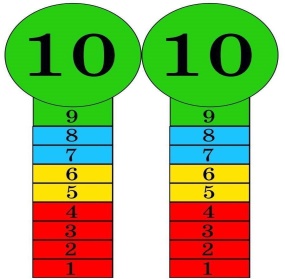
Descriptor: - complete the sentences Total: 2 point Descriptor: - work in pairs - make true sentences Total: 2 point Descriptor: - use adverbs of frequency - write sentences about yourself. Total: 2 point -Make CCQ questions Yes / No Total: 10 point |
Students book |

|
End of the lesson 5 min |
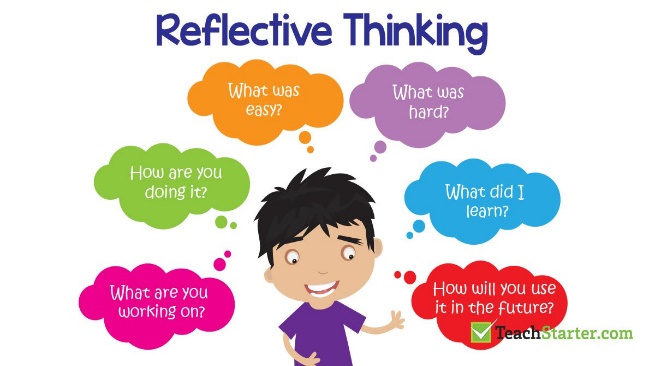
Reflection Learners provide reflection on what they have learned at the lesson. Ex: Home task: |
|
|
|
жүктеу мүмкіндігіне ие боласыз
Бұл материал сайт қолданушысы жариялаған. Материалдың ішінде жазылған барлық ақпаратқа жауапкершілікті жариялаған қолданушы жауап береді. Ұстаз тілегі тек ақпаратты таратуға қолдау көрсетеді. Егер материал сіздің авторлық құқығыңызды бұзған болса немесе басқа да себептермен сайттан өшіру керек деп ойласаңыз осында жазыңыз
Excel 5 Unit "Fantasy world" Theme: "Adverbs of frequency"
Short term plan:
|
Unit 7: Fantasy world |
|
||
|
Teacher name: |
|
||
|
Date: |
|
||
|
Grade: 5 |
Number present: |
absent: |
|
|
Lesson title |
Use of English: Adverbs of frequency |
||
|
Learning objectives |
5.4.2.1 understand with little support specific information and detail in short, simple texts on a limited range of general and curricular topics 5.3.6.1 communicate meaning clearly at sentence level during, pair, group and whole class exchanges 5.5.8.1 spell most high-frequency words accurately for a limited range of general topics; |
||
|
Lesson objectives |
- learn and understand the position of adverbs of frequency in sentences - practise using adverbs of frequency - talk about habits using adverbs of frequency |
||
|
Value links |
Perseverance – People who value perseverance will work through adversity and be determined to get a result. This is a great treat for employees and entrepreneurs alike. |
||
|
Plan |
|||
|
Stages / Time |
Teachers actions |
Students actions |
Assessment criteria |
Resources |
|
Beginning of the lesson Warming-up 3 min Pre-learning «Brainstorming» method 7 min. |
Organization moment : 1.Greeting. Ask about the weather. The teacher sets the lesson objectives, letting students know what to anticipate from the lesson. Warming up Where are you from? How old are you? What color is it? How many students are there in class? What day of the week today? Lead – in:
|
The aim: To develop pupils speaking skills and create friendly atmosphere Efficiency: By wishing each other they feel better and feel the support of others Students of the class are listed. Students' attention is drawn to the lesson. • Learners talk about favourite day previous lesson vocabulary Students say different words and sentences from the picture |
The teacher to assess learners for their ability. “Good job! Well done!” Formative Assessment
Good job! Descriptor: -know key phrases - can make sentence - know vocabulary of previous lesson Total: 1 point Descriptor: -answer the questions |
Pictures |
|
Middle of the lesson Presentation part. 30 min |
Ex:1 P:88 • Ask questions to elicit the information to complete the rule (e.g., Which word is the verb in the first sentence? (are) Which is the adverb of frequency? (always) Where is the adverb of frequency in the first sentence before or after the verb? (after). Which word is the verb in the second sentence? (eat) Which is the adverb of frequency? (usually) Where is the adverb of frequency in the first sentence before or after the verb? (before). Continue with all the sentences. Ss complete the rule in pairs. Check Ss' answers. Ex: 2 P: 88 • Explain the task and allow Ss some time to complete the sentences about themselves. • Check Ss' answers. Ex: 3 P: 88 • Explain the task. Choose two Ss to read the example aloud. Ss work in pairs and complete the task. Monitor the activity around the class and then ask some pairs to ask and answer in front of the class. Ex: 4 P: 88 • Practise using adverbs of frequency Allow Ss time to complete the sentences and elicit answers from Ss around the class. • Conclusion during the lesson some tasks differentiated by outcomes of the students and by their abilities. |
Pupils read the sentences. Complete the rule ANSWERS Adverbs of frequency usually go before the main verb but after the verb 'to be'. .Pupils complete the sentences with adverbs of frequency. ANSWERS 1 I often walk to school. 2 My friend sometimes watches TV in the afternoon. 3 My parents never go to the cinema. 4 I usually meet my friends after school. 5 My mum always cooks dinner. 6 I often have a shower in the morning Pupils work in pairs. Make true sentences. ANSWERS A: How often do you go swimming? B: I usually go swimming on Saturdays. A: How often do you watch TV? B: I sometimes watch TV in the evening. A: How often do you play tennis? B: I never play tennis. A: How often do you tidy your room? B: I always tidy my room on Saturdays. A: How often do you go to the theatre? B: I never go to the theatre.. Pupils use adverbs of frequency to write sentences about yourself. ANSWERS 1 I usually get up at 7 in the morning. 2 I never walk to school. 3 I often watch TV in the evening. 4 I sometimes go to the cinema with my friends. 5 I never go jogging in the evening |
Descriptor: - read the sentences - momplete the rule Total: 2 point
Descriptor: - complete the sentences Total: 2 point Descriptor: - work in pairs - make true sentences Total: 2 point Descriptor: - use adverbs of frequency - write sentences about yourself. Total: 2 point -Make CCQ questions Yes / No Total: 10 point |
Students book |
|
End of the lesson 5 min |
Reflection Learners provide reflection on what they have learned at the lesson. Ex: Home task: |
|
|
|
шағым қалдыра аласыз