ЖИ көмекші


0 / 1

Барлық 400 000 материалдарды тегін жүктеу үшін
Ұнаған тарифті таңдаңыз
Айлық
Жылдық
1 - күндік
Танысу 690 ₸ / 1 күнге
Таңдау
UstazTilegi AI - ЖИ арқылы тегін ҚМЖ, БЖБ, ТЖБ, тест, презентация, авторлық бағдарлама т.б. 10 материал жасау
Материалдар бөлімі - Барлық 400 000 материалдарды тегін 30 материал жүктеу
Аттестация ПББ тестеріне доступ аласыз шексіз
Көрнекілік бөлімі - 10 000 астам көрнекіліктерді жүктеу Күніне 2 көрнекілік жүктеу
Жеке ҚМЖ бөлімінде - дайын ҚМЖ-ларды, презентацияларды жүктеу5 файлды тегін жүктеу
Олимпиада, турнир, байқауларға 50% жеңілдік
1 - айлық
Стандарт
2990 ₸ / айына
UstazTilegi AI - ЖИ арқылы тегін ҚМЖ, БЖБ, ТЖБ, тест, презентация, авторлық бағдарлама т.б. жасау 30 материал жасау
Материалдар бөлімі - Барлық 400 000 материалдарды тегін 900 материал жүктеу
Аттестация ПББ тестеріне доступ аласыз шексіз
Көрнекілік бөлімі - 10 000 астам көрнекіліктерді жүктеу30 көрнекілік жүктеу
Жеке ҚМЖ бөлімінде - дайын ҚМЖ-ларды, презентацияларды жүктеу 150 файлды тегін жүктеу
Жинақталған ҚМЖ бөлімінде 10 файлды тегін жүктеу
Олимпиада, турнир, байқауларға 50% жеңілдік
Іс-шаралар (мини-курстар, семинарлар, конференциялар) тегін қатысу
1 - айлық
Шебер 7990 ₸ / айына
Таңдау
UstazTilegi AI - ЖИ арқылы тегін ҚМЖ, БЖБ, ТЖБ, тест, презентация, авторлық бағдарлама т.б. жасау 150 материал жасау
Материалдар бөлімі - Барлық 400 000 материалдарды тегін 900 материал жүктеу
Аттестация ПББ тестеріне доступ аласыз шексіз
Көрнекілік бөлімі - 10 000 астам көрнекіліктерді жүктеу90 көрнекілік жүктеу
Жеке ҚМЖ бөлімінде - дайын ҚМЖ-ларды, презентацияларды жүктеу 300 файлды тегін жүктеу
Жинақталған ҚМЖ бөлімінде 50 файлды тегін жүктеу
Олимпиада, турнир, байқауларға 50% жеңілдік
Іс-шаралар (мини-курстар, семинарлар, конференциялар) тегін қатысу

Назар аударыңыз!
Сіз барлық мүмкіндікті қолдандыңыз.
Қалған материалдарды ертең жүктей аласыз.
Ок
Материалдың қысқаша нұсқасы
Lesson plan 88
|
Unit 7. Water, water everywhere |
School: Grammar school #1 |
||||
|
Date: |
Teacher’s name: Sagynbek A.G. |
||||
|
Grade: 3 |
Number present: |
absent: |
|||
|
Theme of the lesson: Cross curricular links. CLIL. Geography. The water cycle! |
|||||
|
Learning objectives that this lesson is contributing to |
3.3.5.1 understand the main points of short simple texts on a limited range of familiar general and some curricular topics by using contextual clues; 3.3.6.1 understand with considerable support, some specific information and detail in short, simple texts on a limited range of general and some curricular topics; 3.4.8.1 include appropriate use of a full stop during guided writing of short, familiar sentences |
||||
|
All learners will be able to: - talk about the water cycle - learn geographic terms - practice topical vocabulary with support |
|||||
|
Assessment criteria |
Learners have met this learning objective if they can: - participate actively in discussion; talk about the water cycle by using given vocabulary |
||||
|
Value links |
Teamwork: Leaners will work well together in pairs showing respect and being polite with each other. |
||||
|
Cross - curricular links |
Lesson is connected Geography |
||||
|
ICT skills |
Using SMART board, pictures and videos |
||||
|
Previous learning |
Favourite activities |
||||
|
Plan |
|||||
|
Planned timings |
Planned activities |
Resources |
|||
|
Beginning 5 mins |
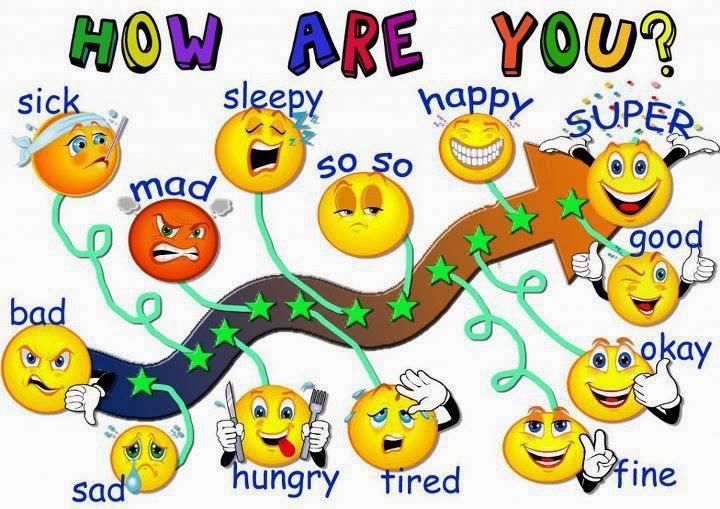
Greeting & Objectives To create a positive attitude, learners greet each other and describe how they feel today. Warm-up: Talking about favourite activities. Teacher asks students about their activities and revise “I like + -ing”, “I can …. ”. e.g. I like jogging. I can skip well. |
|
|||
|
Middle 4 mins 5 mins 11 mins
3 mins
3 mins
2 mins
5 mins
1 min |
Presentation Teacher asks students:
Pre – reading vocabulary Ocean |ˈəʊʃ(ə)n| океан Water vapour |ˈwɔːtə ˈveɪpə| водяной пар Evaporate |ɪˈvapəreɪt| испаряться, превращаться в пар(ы) Evaporation |ɪˌvapəˈreɪʃ(ə)n| испарение Join |dʒɔɪn| соединяться; объединяться Drop |drɒp| капля Cloud |klaʊd| облако Wind |wɪnd| ветер Mountain |ˈmaʊntɪn| гора Condense |kənˈdɛns| конденсироваться Condensation |kɒndɛnˈseɪʃ(ə)n| конденсация Turn back into |tɜːn ˈbæk ˈɪntə| превращаться в Fall down |fɔːl daʊn| падать Precipitation |prɪˌsɪpɪˈteɪʃ(ə)n| выпадение осадков Cloud formation |klaʊd fɔːˈmeɪʃ(ə)n| образование облака Practice Activity 1 Learners read and translate the text about the water cycle. Students watch the video about the water cycle to summarize the steps of water cycle. Activity 2 Students read the sentences (1-4) and match them to the correct words (a-d). 1. When the sun shines on the sea, warm air rises and forms water vapour. This is called _____. 2. The water vapour in the air changes into small drops of water. This is called _____. 3. The small drops of water come together and form clouds. This is called ______. 4. When the clouds are big and heavy, the drops of water fall as rain or snow. This is called _____. Answer key 1. C 2. A 3. D 4. B Children, let’s make funny exercises. Stand up. Watch the video repeat children’s actions and sing a song all together. Physical training “Action Verbs Song” Activity 3 Making a poster of the water cycle. Homework Learn new words |
PPT https://www.youtube.com/watch?v=s0bS-SBAgJI&t=57s Posters, glue, cards, pictures |
|||
|
End 1 min |
Reflection Learners reflect on their learning: Learners use stickers. |
|
|||
|
Additional information |
|||||
|
Differentiation – how do you plan to give more support? How do you plan to challenge the more able learners? |
Assessment – how are you planning to check learners’ learning? |
||||
|
Less able students – greater support by means of prompts, visuals or writing difficult words on the board More able students – independent work on definite tasks with little/no support Allow for flexible groupings and cooperative learning, depending on the appropriateness to the task Allow for extra time for students needing it, when appropriate Give extra text or visual support to students needing extra English support Create small learning groups for students needing extra support or enrichment with the co-teacher, when appropriate |
through observation |
||||
|
Reflection Were the lesson objectives/learning objectives realistic? What did the learners learn today? What was the learning atmosphere like? Did my planned differentiation work well? Did I stick to timings? What changes did I make from my plan and why? |
|||||
|
Summary evaluation What two things went really well (consider both teaching and learning)? 1: 2: What two things would have improved the lesson (consider both teaching and learning)? 1: 2: What have I learned from this lesson about the class or individuals that will inform my next lesson? |
|||||


 Жүктеу
ЖИ арқылы жасау
ЖИ арқылы жасау

Бөлісу
1 - айлық
Материал тарифі-96% жеңілдік
00
05
00
ҚМЖ
Ашық сабақ
Тәрбие сағаты
Презентация
БЖБ, ТЖБ тесттер
Көрнекіліктер
Балабақшаға арнарлған құжаттар
Мақала, Эссе
Дидактикалық ойындар
және тағы басқа 400 000 материал
Барлық 400 000 материалдарды шексіз
жүктеу мүмкіндігіне ие боласыз
жүктеу мүмкіндігіне ие боласыз
1 990 ₸ 49 000₸
1 айға қосылу
Материалға шағымдану
Бұл материал сайт қолданушысы жариялаған. Материалдың ішінде жазылған барлық ақпаратқа жауапкершілікті жариялаған қолданушы жауап береді. Ұстаз тілегі тек ақпаратты таратуға қолдау көрсетеді. Егер материал сіздің авторлық құқығыңызды бұзған болса немесе басқа да себептермен сайттан өшіру керек деп ойласаңыз осында жазыңыз
Жариялаған:
Сағынбек Алуа Ғалымқызы 18 Желтоқсан 2020
 1266
1266Шағым жылдам қаралу үшін барынша толық ақпарат жіберіңіз
Ашық сабақ "The water cycle"
Тақырып бойынша 31 материал табылды
Ашық сабақ "The water cycle"
Материал туралы қысқаша түсінік
Ағылшын тілі пәні мұғалімдеріне
Материалдың қысқаша нұсқасы
Lesson plan 88
|
Unit 7. Water, water everywhere |
School: Grammar school #1 |
||||
|
Date: |
Teacher’s name: Sagynbek A.G. |
||||
|
Grade: 3 |
Number present: |
absent: |
|||
|
Theme of the lesson: Cross curricular links. CLIL. Geography. The water cycle! |
|||||
|
Learning objectives that this lesson is contributing to |
3.3.5.1 understand the main points of short simple texts on a limited range of familiar general and some curricular topics by using contextual clues; 3.3.6.1 understand with considerable support, some specific information and detail in short, simple texts on a limited range of general and some curricular topics; 3.4.8.1 include appropriate use of a full stop during guided writing of short, familiar sentences |
||||
|
All learners will be able to: - talk about the water cycle - learn geographic terms - practice topical vocabulary with support |
|||||
|
Assessment criteria |
Learners have met this learning objective if they can: - participate actively in discussion; talk about the water cycle by using given vocabulary |
||||
|
Value links |
Teamwork: Leaners will work well together in pairs showing respect and being polite with each other. |
||||
|
Cross - curricular links |
Lesson is connected Geography |
||||
|
ICT skills |
Using SMART board, pictures and videos |
||||
|
Previous learning |
Favourite activities |
||||
|
Plan |
|||||
|
Planned timings |
Planned activities |
Resources |
|||
|
Beginning 5 mins |
Greeting & Objectives To create a positive attitude, learners greet each other and describe how they feel today. Warm-up: Talking about favourite activities. Teacher asks students about their activities and revise “I like + -ing”, “I can …. ”. e.g. I like jogging. I can skip well. |
|
|||
|
Middle 4 mins 5 mins 11 mins
3 mins
3 mins
2 mins
5 mins
1 min |
Presentation Teacher asks students:
Pre – reading vocabulary Ocean |ˈəʊʃ(ə)n| океан Water vapour |ˈwɔːtə ˈveɪpə| водяной пар Evaporate |ɪˈvapəreɪt| испаряться, превращаться в пар(ы) Evaporation |ɪˌvapəˈreɪʃ(ə)n| испарение Join |dʒɔɪn| соединяться; объединяться Drop |drɒp| капля Cloud |klaʊd| облако Wind |wɪnd| ветер Mountain |ˈmaʊntɪn| гора Condense |kənˈdɛns| конденсироваться Condensation |kɒndɛnˈseɪʃ(ə)n| конденсация Turn back into |tɜːn ˈbæk ˈɪntə| превращаться в Fall down |fɔːl daʊn| падать Precipitation |prɪˌsɪpɪˈteɪʃ(ə)n| выпадение осадков Cloud formation |klaʊd fɔːˈmeɪʃ(ə)n| образование облака Practice Activity 1 Learners read and translate the text about the water cycle. Students watch the video about the water cycle to summarize the steps of water cycle. Activity 2 Students read the sentences (1-4) and match them to the correct words (a-d). 1. When the sun shines on the sea, warm air rises and forms water vapour. This is called _____. 2. The water vapour in the air changes into small drops of water. This is called _____. 3. The small drops of water come together and form clouds. This is called ______. 4. When the clouds are big and heavy, the drops of water fall as rain or snow. This is called _____. Answer key 1. C 2. A 3. D 4. B Children, let’s make funny exercises. Stand up. Watch the video repeat children’s actions and sing a song all together. Physical training “Action Verbs Song” Activity 3 Making a poster of the water cycle. Homework Learn new words |
PPT https://www.youtube.com/watch?v=s0bS-SBAgJI&t=57s Posters, glue, cards, pictures |
|||
|
End 1 min |
Reflection Learners reflect on their learning: Learners use stickers. |
|
|||
|
Additional information |
|||||
|
Differentiation – how do you plan to give more support? How do you plan to challenge the more able learners? |
Assessment – how are you planning to check learners’ learning? |
||||
|
Less able students – greater support by means of prompts, visuals or writing difficult words on the board More able students – independent work on definite tasks with little/no support Allow for flexible groupings and cooperative learning, depending on the appropriateness to the task Allow for extra time for students needing it, when appropriate Give extra text or visual support to students needing extra English support Create small learning groups for students needing extra support or enrichment with the co-teacher, when appropriate |
through observation |
||||
|
Reflection Were the lesson objectives/learning objectives realistic? What did the learners learn today? What was the learning atmosphere like? Did my planned differentiation work well? Did I stick to timings? What changes did I make from my plan and why? |
|||||
|
Summary evaluation What two things went really well (consider both teaching and learning)? 1: 2: What two things would have improved the lesson (consider both teaching and learning)? 1: 2: What have I learned from this lesson about the class or individuals that will inform my next lesson? |
|||||
 Жүктеу
 Бөлісу
ЖИ арқылы жасау
Файл форматы:

doc

18.12.2020

1266
Жүктеу
ЖИ арқылы жасау
Жариялаған:
Бұл материалды қолданушы жариялаған. Ustaz Tilegi ақпаратты жеткізуші ғана болып табылады. Жарияланған материалдың мазмұны мен авторлық құқық толықтай автордың жауапкершілігінде. Егер материал авторлық құқықты бұзады немесе сайттан алынуы тиіс деп есептесеңіз,
шағым қалдыра аласыз
шағым қалдыра аласыз