ЖИ көмекші


0 / 1

Барлық 400 000 материалдарды тегін жүктеу үшін
Ұнаған тарифті таңдаңыз
Айлық
Жылдық
1 - күндік
Танысу 690 ₸ / 1 күнге
Таңдау
UstazTilegi AI - ЖИ арқылы тегін ҚМЖ, БЖБ, ТЖБ, тест, презентация, авторлық бағдарлама т.б. 10 материал жасау
Материалдар бөлімі - Барлық 400 000 материалдарды тегін 30 материал жүктеу
Аттестация ПББ тестеріне доступ аласыз шексіз
Жеке ҚМЖ бөлімінде - дайын ҚМЖ-ларды, презентацияларды жүктеу5 файлды тегін жүктеу
Олимпиада, турнир, байқауларға 50% жеңілдік
1 - айлық
Стандарт
2990 ₸ / айына
UstazTilegi AI - ЖИ арқылы тегін ҚМЖ, БЖБ, ТЖБ, тест, презентация, авторлық бағдарлама т.б. жасау 30 материал жасау
Материалдар бөлімі - Барлық 400 000 материалдарды тегін 900 материал жүктеу
Аттестация ПББ тестеріне доступ аласыз шексіз
Жеке ҚМЖ бөлімінде - дайын ҚМЖ-ларды, презентацияларды жүктеу 150 файлды тегін жүктеу
Жинақталған ҚМЖ бөлімінде 10 файлды тегін жүктеу
Олимпиада, турнир, байқауларға 50% жеңілдік
Іс-шаралар (мини-курстар, семинарлар, конференциялар) тегін қатысу
1 - айлық
Шебер 7990 ₸ / айына
Таңдау
UstazTilegi AI - ЖИ арқылы тегін ҚМЖ, БЖБ, ТЖБ, тест, презентация, авторлық бағдарлама т.б. жасау 150 материал жасау
Материалдар бөлімі - Барлық 400 000 материалдарды тегін 900 материал жүктеу
Аттестация ПББ тестеріне доступ аласыз шексіз
Жеке ҚМЖ бөлімінде - дайын ҚМЖ-ларды, презентацияларды жүктеу 300 файлды тегін жүктеу
Жинақталған ҚМЖ бөлімінде 50 файлды тегін жүктеу
Олимпиада, турнир, байқауларға 50% жеңілдік
Іс-шаралар (мини-курстар, семинарлар, конференциялар) тегін қатысу

Назар аударыңыз!
Сіз барлық мүмкіндікті қолдандыңыз.
Қалған материалдарды ертең жүктей аласыз.
Ок
Материалдың қысқаша нұсқасы
|
Topic |
Blood and its functions |
|
Date |
|
|
Class |
8 grade |
|
Teaching aims |
|
|
Content objectives |
By the end of the lesson students will be able to:
|
|
Language objectives |
Lexis: blood cells, structure of blood, plasma proteins, hemoglobin, red blood cells, white blood cells, clothing, fibrinogen, nutrients such as water, glucose, amino acids, minerals and vitamin Functional language: comparing, explaining , discussing, analyzing, sorting the cards, describing |
|
Assessment |
|
|
Cognition |
working with definitions and doing research about the topic of “Blood and its functions” |
|
Culture |
By the end of the lesson students will be able to: understand that the blood cells have different functions |
|
Communication |
Examples of communication:
|
|
Content |
working with text about blood and functions of blood and present understanding of definitions |
|
Materials |
Books, A4 papers, envelop, pictures with composition of blood, blood cells, presentation, cards |
|
Stage / Aim |
Time 40 m |
Procedure |
|
Lead in |
2 min |
T: Hello everyone. Please, I want you to sit down. I want you to open the copybooks and write down the date. Today’s lesson is going to focus on “Blood and its functions”. After today’s lesson you will be able to understand the functions and structure of blood, to explain why doctors ask blood analysis report from patients. We will start with Explanation and we will finish with Activity. |
|
Warm up ( to set the context and activate prior knowledge) |
3 min |
T: Before we start I want you to open the books on page 46 and think about why do doctors analyze the blood of a patient who has symptoms like vomiting, stomachache, diarrhea and etc.? Ss: Students brainstorm T: Well done. Now, Let’s work with new terminology. There is one “Traffic Light” on each table. I want you to look at new words and place the words that you know on “Green” light, the words that you might know on “Orange” light and the words that you don’t know on “Red” light. Ss: Students place words on corresponding places and discuss it in groups and with teacher. |
|
Presentation ( to present the Lymphatic system) |
12 min |
T: Now, moving on to Explanation let’s open the text on pages 46 and 47 and listen to me? ICQ: Do we have to read the text on page 46 or 64? (46)? Do you have to read the text or listen to me? (Listen to you) Қанның құрамы мен
қызметі. Ағзаның ішкі ортасына қан, ұлпа сұйықтығы,
лимфа жатады. |
|
Practice ( to consolidate the material, to check understanding of the topic) |
8 min |
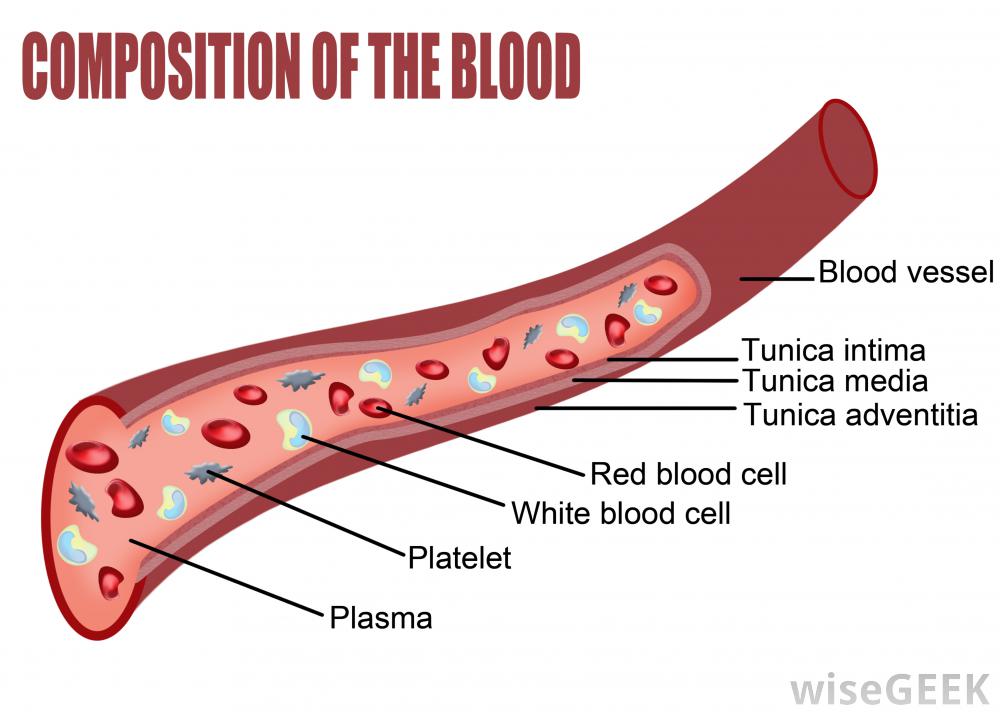
T: Now let’s move on to practical activity. I want you to work in 4 groups and solve the task. (Teacher gives students the envelope with task on it. Attachment 1). Ss: Students do creative activity. T: Now, I want you to look at the picture on page 46 and stick the names of the blood composition on your posters. When you finished I want you to look at definitions and match them with words on your projects (Attachment 2). ICQ: Do you have to write or stick the names? (Stick). Do you have to imagine definitions or match them? (Match) |
|
Production (to speak and present the lymphatic system) |
10 min |
T: Well done. Good job! Now I want you to present your posters and speak about Blood and its functions. Make sure that you covered questions on page 47 in “Literacy” box. ICQ: Do you have to speak about Lymphatic System? (No, we have to speak about Blood System)? Do you have to answer the questions on page 47 in “Literacy” box? (Yes) Ss: Students present their projects and speak about their topic. |
|
Reflection (to reflect on what they have studied) |
3 |
T: Good job! Thank you. Now, I want you to take stickers and post your tweets about today’s lesson (Attachment 3). |
|
Conclusion (to finish the lesson and set the homework) |
2 |
Now, I’d like to recap. Today we have explored the topic of “Blood and its functions”. The key things to takeaway is that it has 4-basic functions: transportation, maintaining balance, defense and clotting. For the next lesson I want you to read the paragraph on pages 46 and 47 again and do the “Research time” box. Remember this homeworks is not optional, you must be ready for the next lesson. Have a nice day! I will see you on _____ |
Attachment 1
Blood – Қан - Кровь
Erythrocytes – Эритроциттер – Эритроциты
Leukocytes – Лейкоциттер – Лейкоциты
Platelets –Тромбоциттер – Тромбоциты
Plasma – Плазма – Плазма
Oxygen –Оттегі - Кислород
Carbon dioxide - Көмір қышқыл газы - Углекислый газ
Blood vessel - Қан тамыры - Кровеносный сосуд
Heart –Жүрек - Сердце
Iron – Темір - Железо
Attachment 1
|
№ |
Ағылшынша |
Қазақша |
Орысша |
|
1 |
Blood |
Қан |
|
|
2 |
Erythrocytes |
|
Эритроциты |
|
3 |
Leukocytes |
|
Лейкоциты |
|
4 |
Platelets |
Тромбоциттер |
Тромбоциты |
|
5 |
Plasma |
Плазма |
|
|
6 |
|
Оттегі |
Кислород |
|
7 |
Carbon dioxide |
Көмірқышқыл газы |
|
|
8 |
|
Қан тамыры |
Кровяной сосуд |
|
9 |
Heart |
|
Сердце |
|
10 |
Iron |
Темір |
|
Attachment 2
|
Blood |
is a fluid which flows in our body through vessels. |
|
Erythrocytes |
a red blood cell, which is typically a biconcave disc without a nucleus |
|
Leukocytes |
a white blood cell, they help the body fight infection and other diseases |
|
Platelets |
take part in rolling blood |
|
Plasma |
is the liquid part of blood, which contains water and nutrients |
|
Anemia |
is when a human has a low number of erythrocytes |
|
Clotting |
during injury, blood loss is prevented due to the platelets |
|
Defense |
Leucocytes destroy invading viruses, bacteria and other foreign substances in the blood |
|
Maintaining balance |
Blood helps maintain internal balance by regulating pH, water, and temperature levels |

Attachment 3





Scaffolding for Presentation
|
Tips for giving Presentation Think about the aims of your presentation. Do you want to inform or entertain your audience? Think about your audience. Do they already know anything about the topic? Why are they listening to your presentation? Choose the most suitable content for them. Make eye contact with the audience and try to sound confident when you give your presentation. Make some notes and use these to remember what comes next, but don't just read things aloud. Speak in a loud, clear voice. Make sure you don't speak too quickly and rush your presentation. Useful language Starting a presentation
Introducing a topic
Handing over to another speaker
Ending the presentation
|
 Жүктеу
ЖИ арқылы жасау
ЖИ арқылы жасау

Бөлісу
1 - айлық
Материал тарифі-96% жеңілдік
00
05
00
ҚМЖ
Ашық сабақ
Тәрбие сағаты
Презентация
БЖБ, ТЖБ тесттер
Көрнекіліктер
Балабақшаға арнарлған құжаттар
Мақала, Эссе
Дидактикалық ойындар
және тағы басқа 400 000 материал
Барлық 400 000 материалдарды шексіз
жүктеу мүмкіндігіне ие боласыз
жүктеу мүмкіндігіне ие боласыз
1 990 ₸ 49 000₸
1 айға қосылу
Материалға шағымдану
Бұл материал сайт қолданушысы жариялаған. Материалдың ішінде жазылған барлық ақпаратқа жауапкершілікті жариялаған қолданушы жауап береді. Ұстаз тілегі тек ақпаратты таратуға қолдау көрсетеді. Егер материал сіздің авторлық құқығыңызды бұзған болса немесе басқа да себептермен сайттан өшіру керек деп ойласаңыз осында жазыңыз
Жариялаған:
Исина Индира Айтбековна  01 Желтоқсан 2018
 963
963Шағым жылдам қаралу үшін барынша толық ақпарат жіберіңіз
Blood and its functions 8 class
Тақырып бойынша 11 материал табылды
Blood and its functions 8 class
Материал туралы қысқаша түсінік
8 сыныпқа арналған үш тілділікке байланысты құрастырылған "Қан және оның қызметі" деген тақырыпта жасалған биология пәнінің сабақ жоспары.
Материалдың қысқаша нұсқасы
|
Topic |
Blood and its functions |
|
Date |
|
|
Class |
8 grade |
|
Teaching aims |
|
|
Content objectives |
By the end of the lesson students will be able to:
|
|
Language objectives |
Lexis: blood cells, structure of blood, plasma proteins, hemoglobin, red blood cells, white blood cells, clothing, fibrinogen, nutrients such as water, glucose, amino acids, minerals and vitamin Functional language: comparing, explaining , discussing, analyzing, sorting the cards, describing |
|
Assessment |
|
|
Cognition |
working with definitions and doing research about the topic of “Blood and its functions” |
|
Culture |
By the end of the lesson students will be able to: understand that the blood cells have different functions |
|
Communication |
Examples of communication:
|
|
Content |
working with text about blood and functions of blood and present understanding of definitions |
|
Materials |
Books, A4 papers, envelop, pictures with composition of blood, blood cells, presentation, cards |
|
Stage / Aim |
Time 40 m |
Procedure |
|
Lead in |
2 min |
T: Hello everyone. Please, I want you to sit down. I want you to open the copybooks and write down the date. Today’s lesson is going to focus on “Blood and its functions”. After today’s lesson you will be able to understand the functions and structure of blood, to explain why doctors ask blood analysis report from patients. We will start with Explanation and we will finish with Activity. |
|
Warm up ( to set the context and activate prior knowledge) |
3 min |
T: Before we start I want you to open the books on page 46 and think about why do doctors analyze the blood of a patient who has symptoms like vomiting, stomachache, diarrhea and etc.? Ss: Students brainstorm T: Well done. Now, Let’s work with new terminology. There is one “Traffic Light” on each table. I want you to look at new words and place the words that you know on “Green” light, the words that you might know on “Orange” light and the words that you don’t know on “Red” light. Ss: Students place words on corresponding places and discuss it in groups and with teacher. |
|
Presentation ( to present the Lymphatic system) |
12 min |
T: Now, moving on to Explanation let’s open the text on pages 46 and 47 and listen to me? ICQ: Do we have to read the text on page 46 or 64? (46)? Do you have to read the text or listen to me? (Listen to you) Қанның құрамы мен
қызметі. Ағзаның ішкі ортасына қан, ұлпа сұйықтығы,
лимфа жатады. |
|
Practice ( to consolidate the material, to check understanding of the topic) |
8 min |
T: Now let’s move on to practical activity. I want you to work in 4 groups and solve the task. (Teacher gives students the envelope with task on it. Attachment 1). Ss: Students do creative activity. T: Now, I want you to look at the picture on page 46 and stick the names of the blood composition on your posters. When you finished I want you to look at definitions and match them with words on your projects (Attachment 2). ICQ: Do you have to write or stick the names? (Stick). Do you have to imagine definitions or match them? (Match) |
|
Production (to speak and present the lymphatic system) |
10 min |
T: Well done. Good job! Now I want you to present your posters and speak about Blood and its functions. Make sure that you covered questions on page 47 in “Literacy” box. ICQ: Do you have to speak about Lymphatic System? (No, we have to speak about Blood System)? Do you have to answer the questions on page 47 in “Literacy” box? (Yes) Ss: Students present their projects and speak about their topic. |
|
Reflection (to reflect on what they have studied) |
3 |
T: Good job! Thank you. Now, I want you to take stickers and post your tweets about today’s lesson (Attachment 3). |
|
Conclusion (to finish the lesson and set the homework) |
2 |
Now, I’d like to recap. Today we have explored the topic of “Blood and its functions”. The key things to takeaway is that it has 4-basic functions: transportation, maintaining balance, defense and clotting. For the next lesson I want you to read the paragraph on pages 46 and 47 again and do the “Research time” box. Remember this homeworks is not optional, you must be ready for the next lesson. Have a nice day! I will see you on _____ |
Attachment 1
Blood – Қан - Кровь
Erythrocytes – Эритроциттер – Эритроциты
Leukocytes – Лейкоциттер – Лейкоциты
Platelets –Тромбоциттер – Тромбоциты
Plasma – Плазма – Плазма
Oxygen –Оттегі - Кислород
Carbon dioxide - Көмір қышқыл газы - Углекислый газ
Blood vessel - Қан тамыры - Кровеносный сосуд
Heart –Жүрек - Сердце
Iron – Темір - Железо
Attachment 1
|
№ |
Ағылшынша |
Қазақша |
Орысша |
|
1 |
Blood |
Қан |
|
|
2 |
Erythrocytes |
|
Эритроциты |
|
3 |
Leukocytes |
|
Лейкоциты |
|
4 |
Platelets |
Тромбоциттер |
Тромбоциты |
|
5 |
Plasma |
Плазма |
|
|
6 |
|
Оттегі |
Кислород |
|
7 |
Carbon dioxide |
Көмірқышқыл газы |
|
|
8 |
|
Қан тамыры |
Кровяной сосуд |
|
9 |
Heart |
|
Сердце |
|
10 |
Iron |
Темір |
|
Attachment 2
|
Blood |
is a fluid which flows in our body through vessels. |
|
Erythrocytes |
a red blood cell, which is typically a biconcave disc without a nucleus |
|
Leukocytes |
a white blood cell, they help the body fight infection and other diseases |
|
Platelets |
take part in rolling blood |
|
Plasma |
is the liquid part of blood, which contains water and nutrients |
|
Anemia |
is when a human has a low number of erythrocytes |
|
Clotting |
during injury, blood loss is prevented due to the platelets |
|
Defense |
Leucocytes destroy invading viruses, bacteria and other foreign substances in the blood |
|
Maintaining balance |
Blood helps maintain internal balance by regulating pH, water, and temperature levels |
Attachment 3
Scaffolding for Presentation
|
Tips for giving Presentation Think about the aims of your presentation. Do you want to inform or entertain your audience? Think about your audience. Do they already know anything about the topic? Why are they listening to your presentation? Choose the most suitable content for them. Make eye contact with the audience and try to sound confident when you give your presentation. Make some notes and use these to remember what comes next, but don't just read things aloud. Speak in a loud, clear voice. Make sure you don't speak too quickly and rush your presentation. Useful language Starting a presentation
Introducing a topic
Handing over to another speaker
Ending the presentation
|
 Жүктеу
 Бөлісу
ЖИ арқылы жасау
Файл форматы:

doc

01.12.2018

963
Жүктеу
ЖИ арқылы жасау
Жариялаған:
Бұл материалды қолданушы жариялаған. Ustaz Tilegi ақпаратты жеткізуші ғана болып табылады. Жарияланған материалдың мазмұны мен авторлық құқық толықтай автордың жауапкершілігінде. Егер материал авторлық құқықты бұзады немесе сайттан алынуы тиіс деп есептесеңіз,
шағым қалдыра аласыз
шағым қалдыра аласыз