№1 Bilim-innovation boarding school-lyceum for boys 8 C graders
Auezov Mukhammedali
Mukhammedzhan Madi
Theme of the work: The importance of using games and modern technologies for learners in learning English language.
Direction of work: Linguistics
Section of the work: English
Scientific supervisor: Suyuberdieva A.
Candidate of Pedagogical Science, Superior teacher
English teacher: Serzhanova S.M.
Introduction
Language learning is a hard work. Language is immensely powerful, but it can also be loads of fun. In fact, a sense of fun can make language more powerful. Language and play complement and enrich each other. A fusion of the two produces language games. Game is a natural means for children to understand the world around them.
Aims of the work. This work aims to know the effect of using games and new technologies in learning a foreign language, also how can learn foreign language through games and using technology.
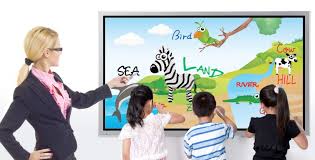
Teaching today has changed a lot over the past years. As information technologies evolve and advance over time, use of technology in classrooms has increased in the classroom. There is a wide spread belief that technology-based instruction can contribute greatly to the quality of teaching and learning experience. Technology is a facilitating tool of education which teachers and students get a great deal of benefit from. Computers, smart phones, tablets etc. provide powerful opportunities to learn foreign language. As the use of smart phone, computer etc. is increasingly common among students; teachers need to equip themselves with today’s technology. Smart boards can be instrumental in engaging and motivating student in the class. For instance, pronunciation though the teacher is not a native speaker can be taught to learners with ease using smart phone/board. Teachers who introduce technology to their students may get a great deal of satisfaction when they, accomplish better.

Games help the teacher to create contexts in which the language is useful and meaningful. Even though games are often associated with fun, we should not lose sight of their pedagogical value, particularly in foreign language teaching and learning. Games are effective as they create motivation, lower students’ stress, and give language learners the opportunity for real communication.
Our modest teaching wants to add something to the model of teaching / learning of foreign languages in lower secondary education, via the technique of educational games, as one of the favorite techniques aged 8 to 14 years. Game means
freedom, pleasure, movement, experimentation, manipulation. Teacher - judge of the game -, invites students to play with language, to hear and speak, to
manipulate text, to build and draw, learn poems and songs to sing and dance,
show, to imagine, to dramatize. He not only arranges the players in groups or
individuals, but also observes that linguistic and behavioral.
The benefits of using games in a language –learning can be summed up in nine points. Games:
-
Are learner centered;
-
Promote communicative competence;
-
Create a meaningful context for language use;
-
Increase learning motivation;
-
Reduce learning anxiety;
-
Integrate various linguistic skills;
-
Encourage creative and spontaneous use of language;
-
Construct a cooperative learning environment;
-
Foster participatory attitudes of the students.
Technology provided ways to teach cultural phenomena and knowledge in multiple ways. It also provided a new way to teach geography, since it was for example possible to make a walk through a city by using technology (e.g. Google Earth).
Technology can now help students to
(a) [contextualize] authentic learning opportunities;
(b)help students develop language and literacy skills as they make connections among text, images, video, sound and animation;
(c) encourage students to construct meaning and to make connections to their prior knowledge”.
A few pieces of technology which have proven to be very effective in helping English Language Learners become engaged and motivated in the classroom are the use of iTouch devices (iPads and iPods). Both “devices [are] simple to operate and students enjoy using them” while also being “highly adaptable and [having] accessories (e.g., microphones, cameras, speakers, touch screen capabilities) that can be used to tailor instruction for students with varying needs”
Finally, we would like to say that using games and modern technology in learning English language are useful and effective for both of teachers and students. Students can develop knowledge and enlarge the vocabulary.
жүктеу мүмкіндігіне ие боласыз
Бұл материал сайт қолданушысы жариялаған. Материалдың ішінде жазылған барлық ақпаратқа жауапкершілікті жариялаған қолданушы жауап береді. Ұстаз тілегі тек ақпаратты таратуға қолдау көрсетеді. Егер материал сіздің авторлық құқығыңызды бұзған болса немесе басқа да себептермен сайттан өшіру керек деп ойласаңыз осында жазыңыз
The importance of using games and modern technologies at English lessons
№1 Bilim-innovation boarding school-lyceum for boys 8 C graders
Auezov Mukhammedali
Mukhammedzhan Madi
Theme of the work: The importance of using games and modern technologies for learners in learning English language.
Direction of work: Linguistics
Section of the work: English
Scientific supervisor: Suyuberdieva A.
Candidate of Pedagogical Science, Superior teacher
English teacher: Serzhanova S.M.
Introduction
Language learning is a hard work. Language is immensely powerful, but it can also be loads of fun. In fact, a sense of fun can make language more powerful. Language and play complement and enrich each other. A fusion of the two produces language games. Game is a natural means for children to understand the world around them.
Aims of the work. This work aims to know the effect of using games and new technologies in learning a foreign language, also how can learn foreign language through games and using technology.
Teaching today has changed a lot over the past years. As information technologies evolve and advance over time, use of technology in classrooms has increased in the classroom. There is a wide spread belief that technology-based instruction can contribute greatly to the quality of teaching and learning experience. Technology is a facilitating tool of education which teachers and students get a great deal of benefit from. Computers, smart phones, tablets etc. provide powerful opportunities to learn foreign language. As the use of smart phone, computer etc. is increasingly common among students; teachers need to equip themselves with today’s technology. Smart boards can be instrumental in engaging and motivating student in the class. For instance, pronunciation though the teacher is not a native speaker can be taught to learners with ease using smart phone/board. Teachers who introduce technology to their students may get a great deal of satisfaction when they, accomplish better.
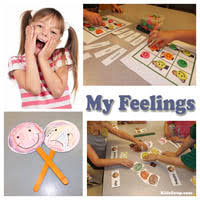
Games help the teacher to create contexts in which the language is useful and meaningful. Even though games are often associated with fun, we should not lose sight of their pedagogical value, particularly in foreign language teaching and learning. Games are effective as they create motivation, lower students’ stress, and give language learners the opportunity for real communication.
Our modest teaching wants to add something to the model of teaching / learning of foreign languages in lower secondary education, via the technique of educational games, as one of the favorite techniques aged 8 to 14 years. Game means
freedom, pleasure, movement, experimentation, manipulation. Teacher - judge of the game -, invites students to play with language, to hear and speak, to
manipulate text, to build and draw, learn poems and songs to sing and dance,
show, to imagine, to dramatize. He not only arranges the players in groups or
individuals, but also observes that linguistic and behavioral.
The benefits of using games in a language –learning can be summed up in nine points. Games:
-
Are learner centered;
-
Promote communicative competence;
-
Create a meaningful context for language use;
-
Increase learning motivation;
-
Reduce learning anxiety;
-
Integrate various linguistic skills;
-
Encourage creative and spontaneous use of language;
-
Construct a cooperative learning environment;
-
Foster participatory attitudes of the students.
Technology provided ways to teach cultural phenomena and knowledge in multiple ways. It also provided a new way to teach geography, since it was for example possible to make a walk through a city by using technology (e.g. Google Earth).
Technology can now help students to
(a) [contextualize] authentic learning opportunities;
(b)help students develop language and literacy skills as they make connections among text, images, video, sound and animation;
(c) encourage students to construct meaning and to make connections to their prior knowledge”.
A few pieces of technology which have proven to be very effective in helping English Language Learners become engaged and motivated in the classroom are the use of iTouch devices (iPads and iPods). Both “devices [are] simple to operate and students enjoy using them” while also being “highly adaptable and [having] accessories (e.g., microphones, cameras, speakers, touch screen capabilities) that can be used to tailor instruction for students with varying needs”
Finally, we would like to say that using games and modern technology in learning English language are useful and effective for both of teachers and students. Students can develop knowledge and enlarge the vocabulary.

шағым қалдыра аласыз