|
Beginning of the lesson
Warming-up

3
min
Pre-learning
«Brainstorming»
method
7
min.
|
Organization moment
:
1.Greeting.
Ask about the
weather.
The teacher sets the lesson objectives, letting students
know what to anticipate from the
lesson.
Warming
up
Where are you
from?
How old are
you?
What color is
it?
How many students are there in
class?
What day of the week
today?
Ask a few pupils to stand up and stand in a row.
Ask the rest of the class questions to revise the
ordinals.
Lead –
In
|
The aim: To develop
pupils speaking skills and create friendly
atmosphere
Efficiency: By wishing
each other they feel better and feel the support of
others
Students
of the class are listed.
Students' attention is drawn to the
lesson.
Determines the topic and purpose of the
lesson
•Learners remember previous lesson
vocabulary
Students
say different words from the
picture
Answer
the question.
|
The teacher to assess learners for their
ability.
“Good job!
Well done!”
Formative
Assessment

Good
job!
Descriptor:
- know daily routines
vocabulary
- know prepositions of
place
Point 1
Assessment
criteria
- Learners have met the learning
objectives if they can talk about
numbers and location;
|
Pictures
worksheet
Student’s
book
|
|
Middle
of the lesson
Presentation part.
30
min
|
Ex:3 P:38
• Put the flashcards up
on the board. Point to the numbers, one at a time, and say the
corresponding words. The pupils repeat chorally and/or
individually. Point to the numbers in random order and ask
individual pupils to name them. Ask the rest of the class for
verification.
Ex: 4 P: 38
•
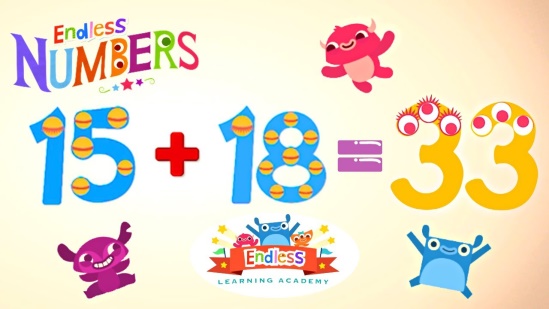
Write the following sums on the board. Read aloud
the sums and draw the pupils' attention to the names of the symbols
(+ plus, - minus, x times, = equals).
1+1=2 (one
plus one equals two)
2-1-1 (two
minus 1 equals one)
2x2-4 (two
times two equals four)
•
Read the sum in the example and ask the pupils to
give you the solution orally. Ask them to point to the correct
number on the map. Explain that the solutions to the problems is
one of the numbers on the map. Then refer them to the number
written in letters in the model and explain the activity. Allow the
pupils some time to complete it. Check their
answers.
Ex: 5 P: 39
•
Put your pencil on the left of a book, show it to
the class and ask: Where is the pencil? Answer: It's on the left of
the book. Write the exchange on the board and underline the words
in bold. The pupils repeat, chorally and/or individually. Follow
the same procedure and present the rest of the
prepositions.
Drill your
pupils:
•
Go through the Study spot section briefly. Read
the instructions and explain the activity. Allow the pupils some
time to read the sentences and underline the correct prepositions.
Check their answers.
|
• Pupils listen,
point and repeat. Then match
ANSWERS
2 E
3 C
4 D
5 A
• Pupils find Captain
Jack Parrot's treasure! Do the sums and cross off the places on the
map. The last place is where the treasure is.
ANSWERS
2 six hundred
3 five hundred and
forty
4 eight hundred and
thirty
5 six hundred and
ninety
6 one thousand
The treasure is at
1,000.
• Pupils
look, read and
underline
ANSWERS
2 right
3 between
4 right
5 on the left
of
|
Descriptor:
- point to
each flashcard
- ask
individual pupils to name them
Total: 2
point
pupils are
evaluated by collecting fish

Descriptor:
- know the numbers
- can do
the sums
-complete
the sentences
Total: 2
point
Descriptor:
-can use
grammar structure
- can
choose the correct option according to the
listening
Total: 1
point
Self
assessment
-Make CCQ questions Yes /
No
Total: 10
point
|

Card
Worksheet
Students book
|

 ЖИ көмекші


 Қауіпсіз төлем














 Бұл курс Қазақстан Республикасы Оқу-ағарту министрлігімен келісілген










