|
Unit: Healthy habits |
School : Daryn mektebi |
|||||||||||
|
Date 09.04.2024 |
Teacher’s name: Kadyrzhanova Shugyla |
|||||||||||
|
Class: 7 «А» |
Number of present: |
|||||||||||
|
Lesson title: Healthy/Unhealthy habits. Grammar: Conditionals |
||||||||||||
|
Learning objectives |
7.R.3 Understand the detail of an argument on a growing range of familiar general and curricular topics, including some extended texts. 7.S7 use appropriate subject-specific vocabulary and syntax to talk about a growing range of general topics, and some curricular topics 7.C1 use speaking and listening skills to solve problems creatively and cooperatively in groups |
|||||||||||
|
Lesson objectives |
All learners will be able to -Make up sentences using should/shouldn’t and pictures related to healthy and unhealthy habits; -Match the meanings of the key words with the pictures Complete the text about lifestyle. Most learners will be able to - Read the text and determine true or false sentences from the text; - Complete the text about lifestyle. Act out the dialogue “Doctor and Patient” - Some learners are able to - Solve situational problems using topical vocabulary. |
|||||||||||
|
Assessment criteria |
Recognize detail in a given text |
|||||||||||
|
Values links |
To have healthy lifestyle and keep fit |
|||||||||||
|
Cross- curricular links |
PE & Biology |
|||||||||||
|
Previous Learning |
Name of sports and healthy food |
|||||||||||
|
Plan |
||||||||||||
|
Planned things |
Planned activities (replace the notes below with your planned activities) What will the pupils learn? How will they learn it? |
Resources |
||||||||||
|
Start 7-min |
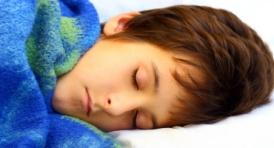
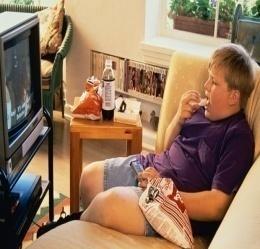
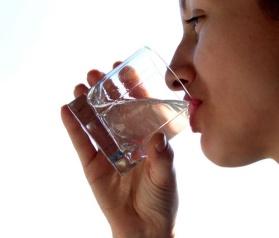
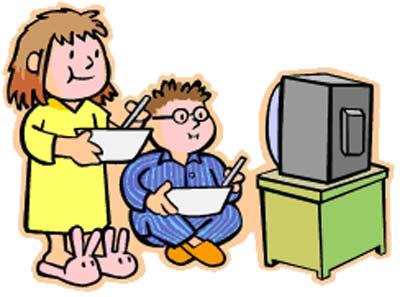
Greeting: Teacher greets the learners; learners respond to greeting of the teacher and take their places. Group Division: Students are divided into two subgroups using cutting letters from the words doctor and health. First group makes the word Doctor. The second group makes the word Health Task.1 Warm up. (G) Group members are given a worksheet with illustrations. There is also a slide with pictures and key words on the interactive board. Teacher asks the question: What should/shouldn’t you do to have a healthy lifestyle? The first groups members find and identify healthy habits, the second group members identify unhealthy habits. They may add their own sentences using should/shouldn’t.
Suggested Answer Key: We should get a good night’s sleep. We shouldn’t eat too much junk food and so on. Teacher: What do you think? What is today’s theme? Learners give their own ideas. Teacher introduces pupils with the theme, Lesson objectives and Assessment criteria. AFL : Oral feedback |
Student’s book English7 Express Publishing cutting letters a worksheet with illustrations ICT |
||||||||||
|
Middle
5 min
5 min
6min
12-min
|
I. Task 2. “ Picture Prompt” Activity Vocabulary: Teacher hands out a worksheet with 4 pictures and 3 meanings of words to the key words. Learners match the pictures and meanings of the words with the key words

1 2 3 4 5…. oversleep, to sleep late intentionally 6……. to walk, drive etc behind someone, when you are going in the same direction as them. 7….to turn off (something) by turning or pushing a button or moving a switch, lever, etc. The key words are: alarm goes off / feel sleepy/ snooze for five more minutes /want to sleep in /suffer from stress /switch off your gadgets / follow your dreams Suggested Answer Key: 1- alarm goes off (G) Task 3. Grammar task. Zero Conditional Form: if/when + present simple - present simple If/When you eat well, you have the energy to exercise. Use: We use the zero conditional for general truths or laws of nature. Note: We start the conditional clause with if. When the if-clause comes before the main clause, we separate the two clauses with a comma. Compare: If you eat a lot, you put on weight. You put on weight if you eat a lot. Write zero conditional sentences, as in the example. 1 you/not water plants - they/die If/When you don't water plants, they die. 2 you/mix blue and red - you/get purple 3 I/not sleep well - I/feel tired 4 people/eat too much - they get fat 5 you/freeze water - it/turn to ice 6 You/heat ice -* it/melt First Conditional Form: if + present simple - will + bare infinitive If we play well, we'll win the match. Amir won't go out if it rains. Use: We use the first conditional to talk about a possible event in the present or future. Write first conditional sentences, agh the example. 1 it/rain - I/not go for a run If it rains, I won't go for a run. 2 he/exercise more -* he/lose weight 3 I/feel thirsty -* I/buy a bottle of water 4 vou/eat too much junk food -* you/get 5 she/avoid fizzy drinks + she/be fit and heat 6 I/have some free time -* I/take up a hobby Second Conditional Form: if + past simple - would + bare infinitive If I had enough money, I would buy an exercise bike If I were you, I would get a good night's sleep. Use: We use the second conditional to talk about a imaginary situation in the present/future or to give advice Group: Health: Give advice to your friend. He is fat and sad. He spends all the time watching too much TV. He doesn’t do any physical activity. He eats much late at night and surfs the Internet for too long. He has a big problem! He is overweight. What to do? Peer assessment: Groups assess one another’s role plays descriptors. “2 Stars and a Wish “ Differentiation by outcome: For more able students to compose a short story about healthy lifestyle |
Pictures, worksheet with key words Ex1 p 88 Ex 3 p 88 Posters, stickers & colored markers Ex6 p 89 situation tasks descriptors |
||||||||||
|
End 5min |
Reflection Ask students to look at lesson objectives and think and say what they did well in the lesson and what needs improvement. |
|
||||||||||
жүктеу мүмкіндігіне ие боласыз
Бұл материал сайт қолданушысы жариялаған. Материалдың ішінде жазылған барлық ақпаратқа жауапкершілікті жариялаған қолданушы жауап береді. Ұстаз тілегі тек ақпаратты таратуға қолдау көрсетеді. Егер материал сіздің авторлық құқығыңызды бұзған болса немесе басқа да себептермен сайттан өшіру керек деп ойласаңыз осында жазыңыз
7 class Healthy and Unhealthy habits
|
Unit: Healthy habits |
School : Daryn mektebi |
|||||||||||
|
Date 09.04.2024 |
Teacher’s name: Kadyrzhanova Shugyla |
|||||||||||
|
Class: 7 «А» |
Number of present: |
|||||||||||
|
Lesson title: Healthy/Unhealthy habits. Grammar: Conditionals |
||||||||||||
|
Learning objectives |
7.R.3 Understand the detail of an argument on a growing range of familiar general and curricular topics, including some extended texts. 7.S7 use appropriate subject-specific vocabulary and syntax to talk about a growing range of general topics, and some curricular topics 7.C1 use speaking and listening skills to solve problems creatively and cooperatively in groups |
|||||||||||
|
Lesson objectives |
All learners will be able to -Make up sentences using should/shouldn’t and pictures related to healthy and unhealthy habits; -Match the meanings of the key words with the pictures Complete the text about lifestyle. Most learners will be able to - Read the text and determine true or false sentences from the text; - Complete the text about lifestyle. Act out the dialogue “Doctor and Patient” - Some learners are able to - Solve situational problems using topical vocabulary. |
|||||||||||
|
Assessment criteria |
Recognize detail in a given text |
|||||||||||
|
Values links |
To have healthy lifestyle and keep fit |
|||||||||||
|
Cross- curricular links |
PE & Biology |
|||||||||||
|
Previous Learning |
Name of sports and healthy food |
|||||||||||
|
Plan |
||||||||||||
|
Planned things |
Planned activities (replace the notes below with your planned activities) What will the pupils learn? How will they learn it? |
Resources |
||||||||||
|
Start 7-min |
Greeting: Teacher greets the learners; learners respond to greeting of the teacher and take their places. Group Division: Students are divided into two subgroups using cutting letters from the words doctor and health. First group makes the word Doctor. The second group makes the word Health Task.1 Warm up. (G) Group members are given a worksheet with illustrations. There is also a slide with pictures and key words on the interactive board. Teacher asks the question: What should/shouldn’t you do to have a healthy lifestyle? The first groups members find and identify healthy habits, the second group members identify unhealthy habits. They may add their own sentences using should/shouldn’t.
Suggested Answer Key: We should get a good night’s sleep. We shouldn’t eat too much junk food and so on. Teacher: What do you think? What is today’s theme? Learners give their own ideas. Teacher introduces pupils with the theme, Lesson objectives and Assessment criteria. AFL : Oral feedback |
Student’s book English7 Express Publishing cutting letters a worksheet with illustrations ICT |
||||||||||
|
Middle
5 min
5 min
6min
12-min
|
I. Task 2. “ Picture Prompt” Activity Vocabulary: Teacher hands out a worksheet with 4 pictures and 3 meanings of words to the key words. Learners match the pictures and meanings of the words with the key words

1 2 3 4 5…. oversleep, to sleep late intentionally 6……. to walk, drive etc behind someone, when you are going in the same direction as them. 7….to turn off (something) by turning or pushing a button or moving a switch, lever, etc. The key words are: alarm goes off / feel sleepy/ snooze for five more minutes /want to sleep in /suffer from stress /switch off your gadgets / follow your dreams Suggested Answer Key: 1- alarm goes off (G) Task 3. Grammar task. Zero Conditional Form: if/when + present simple - present simple If/When you eat well, you have the energy to exercise. Use: We use the zero conditional for general truths or laws of nature. Note: We start the conditional clause with if. When the if-clause comes before the main clause, we separate the two clauses with a comma. Compare: If you eat a lot, you put on weight. You put on weight if you eat a lot. Write zero conditional sentences, as in the example. 1 you/not water plants - they/die If/When you don't water plants, they die. 2 you/mix blue and red - you/get purple 3 I/not sleep well - I/feel tired 4 people/eat too much - they get fat 5 you/freeze water - it/turn to ice 6 You/heat ice -* it/melt First Conditional Form: if + present simple - will + bare infinitive If we play well, we'll win the match. Amir won't go out if it rains. Use: We use the first conditional to talk about a possible event in the present or future. Write first conditional sentences, agh the example. 1 it/rain - I/not go for a run If it rains, I won't go for a run. 2 he/exercise more -* he/lose weight 3 I/feel thirsty -* I/buy a bottle of water 4 vou/eat too much junk food -* you/get 5 she/avoid fizzy drinks + she/be fit and heat 6 I/have some free time -* I/take up a hobby Second Conditional Form: if + past simple - would + bare infinitive If I had enough money, I would buy an exercise bike If I were you, I would get a good night's sleep. Use: We use the second conditional to talk about a imaginary situation in the present/future or to give advice Group: Health: Give advice to your friend. He is fat and sad. He spends all the time watching too much TV. He doesn’t do any physical activity. He eats much late at night and surfs the Internet for too long. He has a big problem! He is overweight. What to do? Peer assessment: Groups assess one another’s role plays descriptors. “2 Stars and a Wish “ Differentiation by outcome: For more able students to compose a short story about healthy lifestyle |

Pictures, worksheet with key words Ex1 p 88 Ex 3 p 88 Posters, stickers & colored markers Ex6 p 89 situation tasks descriptors |
||||||||||
|
End 5min |
Reflection Ask students to look at lesson objectives and think and say what they did well in the lesson and what needs improvement. |
|
||||||||||
шағым қалдыра аласыз