ЖИ көмекші


 Қауіпсіз төлем

жүктеу мүмкіндігіне ие боласыз
Бұл материал сайт қолданушысы жариялаған. Материалдың ішінде жазылған барлық ақпаратқа жауапкершілікті жариялаған қолданушы жауап береді. Ұстаз тілегі тек ақпаратты таратуға қолдау көрсетеді. Егер материал сіздің авторлық құқығыңызды бұзған болса немесе басқа да себептермен сайттан өшіру керек деп ойласаңыз осында жазыңыз
 06 Қаңтар 2025
 214
214
1 жыл бойы шексіз жүктеңіз
7 сынып III тоқсанға арналған КМЖ
|
Unit 5: Reading for Pleasure |
School: |
|||||||||||||||||
|
Date: |
Teacher name: |
|||||||||||||||||
|
Grade: 7 |
Number present: |
Number absent: |
||||||||||||||||
|
Theme of the lesson: |
Learners read non-fiction books in Kazakh, English, Russian languages |
|||||||||||||||||
|
Learning objectives |
7.L8 understand supported awareness narratives on a wide range of general and curricular topics 7.C8 develop intercultural through reading and discussion 7.S8 recount some extended stories and events on a growing range of general and curricular topics |
|||||||||||||||||
|
Lesson objectives |
All learners will be able to: understand the meaning of the text, get acquainted with the active vocabularies. Most learners will be able to: understand and reflect on the essence of the text, through discussion. Some learners will be able to : expand the stories , by using imagination and active vocabulary |
|||||||||||||||||
|
Criteria |
Learners can: - understand the meaning of the text, recognize the active vocabulary - reflect and discuss the text, using the active vocabulary -recount a story using the active vocabularies from the text |
|||||||||||||||||
|
Previous learning |
Revision unit 3 |
|||||||||||||||||
|
Plan |
||||||||||||||||||
|
Planned timings |
Planned activities |
Learners’ activities |
Evaluation |
Resources |
||||||||||||||
|
Begining 5 min |
Organization moment. Greeting. Wishes for each other success. Warm up . Group division Assessment: uses the geometric figures: square(for full answers), and triangle( for 1-2 answers) |
|
|
Cards with wishes |
||||||||||||||
|
Middle 35 min |
Pre-reading task. Teacher asks the questions about the time machine 1 What is it? 2. Do we use it in our country? 3. In what country do we use it more? 4.What do you think is it necessary and why? Today we will talk about the time machine, before reading the text let’s play a game. Memory game. Pre –teaching vocabulary task. The teacher shows the pictures and explains with gestures . time machines, imaginary machine, mysterious, dimensions self-adjusting, imagination, Collaborative learning. While reading task. Look at the interactive board, listen to the text about the time machine. Time traveler story about Alice and Anton I divided the text into several parts, each team must collect these parts and say the beginning, the middle and the end of the text. Active learning. Read the story one by one. Answer the questions. 1 What does the Time Traveler think of Alice? 2 What does the Antony look like? 3 Why does the Time Traveler go down the well? 4 Why are the Eliot afraid of the Antony? 5. What do you think happens in the extract? Active learning. Post reading task. Think about: place, time, people, work) – what happened there. Present your description |
Learners guess the word then teacher mix the pictures the learners take any picture and say again all the words. Learners listen to the text and find new words and other parts of the text by listening to the text Learners read the story and answer the questions. Draw your own time machine, then decide what period of history you would visit. |
Verbal evaluation Mutual avaluatio Individual avaluation |
colorful cards interactive board collection of texts by internet resource List of questions posters and markers |
||||||||||||||
|
End 5 min |
Feedback The results of the lesson can be summed up on the "Tree of Success". After the lesson, the children attach a fruit, a flower or a leaf to the tree (a poster is drawn): an apple - everything worked out, the flower worked well, but something did not quite work out, the leaflet did not work today, but I do not despair Home task: Ex: 3 at page 54 read and translate the text Saying goodbye |
|
Self-assessment |
|
||||||||||||||
|
Unit 5: Reading for Pleasure |
School: |
|||||||||||||||||
|
Date: |
Teacher name: |
|||||||||||||||||
|
Grade: 7 |
Number present: |
Number absent: |
||||||||||||||||
|
Theme of the lesson: |
Learners read non-fiction books in Kazakh, English, Russian languages |
|||||||||||||||||
|
Learning objectives |
7.C7 develop and sustain a consistent argument when speaking or writing 7.R9 recognise inconsistencies in argument in short, simple texts on a limited range of general and curricular subjects 7.UE3 use a growing variety of compound adjectives and adjectives as participles 7.L5 recognise the opinion of the speaker(s) in supported extended talk on a range of general and curricular topics |
|||||||||||||||||
|
Lesson objectives |
Learners will be able to: Solve the rebus and guess the topic of the lesson; Understand most specific information and detail while watching video; Give an opinion at sentence level on classmates’ presentation; Understand what fiction and non-fiction literature is. |
|||||||||||||||||
|
Criteria |
Learners can: - understand the meaning of the text, recognize the active vocabulary - reflect and discuss the text, using the active vocabulary -recount a story using the active vocabularies from the text |
|||||||||||||||||
|
Previous learning |
Learners read non-fiction books in Kazakh, English, Russian languages |
|||||||||||||||||
|
Plan |
||||||||||||||||||
|
Planned timings |
Planned activities |
Learners’ activities |
Evaluation |
Resources |
||||||||||||||
|
Begining 10 min |
GREETINGS Teacher greets learners and congratulates the class. Then, teacher hands out stickers and asks learners to write a compliment to a peer. Lead-in: Learners look at the slide and in pairs try to solve the rebus in order to guess the topic of the lesson. Learners will solve the rebus and find out the theme of the lesson. Then teacher asks learners what they are going to learn today. Then teacher and learners set the lesson objectives together. |
Learners will guess that they will read and discuss different books, learn about famous authors. |
Mutual avaluatio |
Stickers PPP |
||||||||||||||
|
Middle 30 min |
Fiction or Non-fiction? Teacher displays pictures of fiction and non-fiction books / journals of Kazakh, Russian and English literature. Learners should look at the pictures and analyse the difference between them. This activity is aimed at developing learners’ critical thinking skills since learners are expected to analyse the pictures and understand which books refer to fiction and non-fiction literature. At this stage learners might not know the terms “fiction” and “non-fiction”. Group project “You are the Teacher”, When learners have guessed the difference between the suggested books, divide the class into 2 groups. Teacher hands out parts of puzzles to learners. When the puzzles are ready, two groups are formed (Teacher should cut the pictures to make puzzles beforehand.) Group A focuses on fiction literature and should make a presentation to explain it to their classmates. Group B investigates non-fiction literature. |
Learners should say that these are different books, but the role of teacher is to encourage them to understand what fiction and non-fiction literature is. Learners walk around the classroom and collect puzzle pieces. |
Verbal evaluation Individual avaluation |
Pictures for puzzle group division Appendix 1 |
||||||||||||||
|
End 5 min |
REFLECTION If necessary, teacher explains to learners the structure of a cinquain and gives a sample Home task: Learners need to bring a favourite book in Kazakh, Russian or English and be ready to describe it. Saying goodbye |
Learners create a cinquain poem with the word “reading” or “book” or any word related to the topic of the lesson |
Self-assessment |
|
||||||||||||||
|
Unit 5: Reading for Pleasure |
School: |
|||||||||||||||||
|
Date: |
Teacher name: |
|||||||||||||||||
|
Grade: 7 |
Number present: |
Number absent: |
||||||||||||||||
|
Theme of the lesson: |
Summarizing the chosen books |
|||||||||||||||||
|
Learning objectives |
7.C3 respect differing points of view; 7.L8 understand supported narratives on a wide range of general and curricular topics; 7.S8 recount some extended stories and events on a growing range of general and curricular topics; |
|||||||||||||||||
|
Lesson objectives |
All learners will be able to: understand the main idea of the topic; Most learners will be able to: answer the questions according to the text; Some learners will be able to: retell the curricular topic; |
|||||||||||||||||
|
Criteria |
Learners have met the learning objective if they can: respect different points of view; understand supported narratives of curricular topic; give an opinion on some extended stories of curricular topic; |
|||||||||||||||||
|
Previous learning |
Learners read non-fiction books in Kazakh, English, Russian languages |
|||||||||||||||||
|
Plan |
||||||||||||||||||
|
Planned timings |
Planned activities |
Learners’ activities |
Evaluation |
Resources |
||||||||||||||
|
Begining 10 min |
Organization moment Teacher greets students; students respond to greeting and take their places. Lead up The teacher writes five questions on the board, all of which are yes/no questions. |
Learners find a partner and ask/answer one question. |
|
|
||||||||||||||
|
Middle 30 min |
Listen to the story. The novel “Oliver
Twist” was written by Charles Dickens (1812-1870). The novel is
about an orphan boy whose childhood was marked by poverty and
unhappiness. Struggling against the life problems Oliver manages to
find out his origin and gain a loving family. Oliver was born in a
workhouse in the first half of the nineteenth century. His mother
died during his birth, and he was sent to an orphanage, where he
was poorly treated, regularly beaten and poorly fed. Oliver
was an innocent and poor boy. When he was eleven he was tried to be
sold from the workhouse as an apprentice but he escaped from there.
He wanted to find his fortune in London. In his way to London he
met a boy called Artful Dodger and then ended up with Fagin the
leader of a gang of thieves who taught children how to still.
Oliver was brought into the gang and trained as a pickpocket. When
he went out on his first job, he ran away and was nearly sent to
prison. However, the kindness of the person he tried to rob saved
him from the terrors of the city gaol (jail) and instead he was
taken into the man's home. He believed he has escaped Fagan and his
gang, but Bill Sikes and Nancy, two members of the gang, forced him
back. Oliver was once more sent out on another job--this time
assisting Sikes on a burglary. The job went wrong and Oliver was
shot and left behind. Once more he was taken in, this time by the
Maylies, the family he was sent to rob, where his life changed
dramatically for the better. But Fagin's gang came after him again.
Nancy, who was worried about Oliver, told the Maylies what was
happening. When the gang found out about Nancy's treachery, they
murdered her. Task 1. Answer the questions according to the text. Who was Oliver Twist? Where did Oliver Twist live for the first nine years of his life? What kind of life did Oliver have according to this novel? How should society treat children who break the law? Task 2. Read the text and put the sentences in the right chronological order: Oliver was brought into the gang…… In his way to London he met a boy called Artful Dodger His mother died during his birth The job went wrong and Oliver was shot and left behind. Task 3. Presentation of the heroes. Make up a presentation about the positive and negative qualities of the hero and present this hero to the class. |
Students listen to the short story of the novel “Oliver Twist” Learners answer the questions according to the text. Learners read the text and put the sentences in the right chronological order Learners make up a presentation |
Verbal evaluation Mutual avaluatio Individual avaluation |
Whole group work Cards with the words |
||||||||||||||
|
End 5 min |
REFLECTION Students stick the smiles to the column: ‘suitcase’ – I know the material; ‘meat grinder’- I need to repeat the material. Students answer the concept questions: Home task: read and translate the text at page 114 The Magic garden Saying goodbye |
|
Self-assessment |
|
||||||||||||||
|
Unit 5: Reading for Pleasure |
School: |
|||||||
|
Date: |
Teacher name: |
|||||||
|
Grade: 7 |
Number present: |
Number absent: |
||||||
|
Theme of the lesson: |
Summarizing the chosen books |
|||||||
|
Learning objectives |
7.S.6 Begin to link comments with some flexibility to what other say at sentences and discourse level in pair, group 7.W.3 write with moderate grammatical accuracy on a limited range of familiar general and curricular topics 7.U.E.3 use a growing variety of compound adjectives and adjectives as participle |
|||||||
|
Lesson objectives |
All learners will be able to: Pronounce the words, the sentences in the Past Simple Most learners will be able to: make up sentences using the Past Simple Some learners will be able to use and distinct the compound adjectives and participle adjectives |
|||||||
|
Criteria |
Learners can: Link comments with some flexibility answers Write the sentences using the grammar of Past Simple Use a growing variety of compound and participle adjectives |
|||||||
|
Previous learning |
Summarizing the chosen books |
|||||||
|
Plan |
||||||||
|
Planned timings |
Planned activities |
Learners’ activities |
Evaluation |
Resources |
||||
|
Begining 10 min |
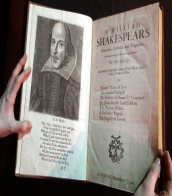
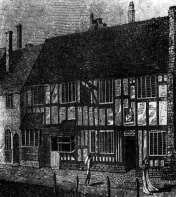
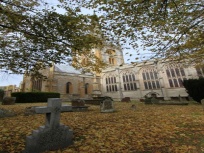
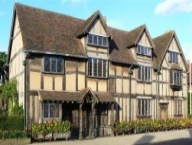
Organization moment Greeting Make a circle choose the cards, divided into two groups. Warm up 1Where did Shakespeare born? 2.With whom did live William Shakespeare? 3. Where and when did Shakespeare die? 4. How many plays did he write? 5.What is your favorite plays? |
Learners of the group take the cards with the questions, find flexibility answers |
Mutual avaluation |
|
||||
|
Middle 30 min |
Make up the sentences using the verbs in the Past Simple. to begin to move to write to live to die to born
Shakespeare plays told these stories in a more ______ way. Viewers admired the_______ plays of Shakespeare Shakespeare was _______ writer. All his plays are _______ in our time. Find the compound and participle adjective Put the adjectives into the gaps. |
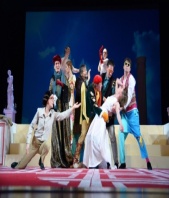
Learners describe the pictures Make up sentences, use the verbs in the Past Simple. Learners put the compound and participle adjectives into the gaps. Learners find the compound and participle adjective Put the adjectives into the gaps. |
Verbal evaluation Individual avaluation |
|
||||
|
End 5 min |
FEEDBACK Students reflect on the level of difficulty of the lesson. Thumbs up – normal Thumbs down – very difficult Home task: Write about your favourite book don’t give the title of the text Saying goodbye |
|
Self-assessment |
|
||||
|
Unit 5: Reading for Pleasure |
School: |
||||||||
|
Date: |
Teacher name: |
||||||||
|
Grade: 7 |
Number present: |
Number absent: |
|||||||
|
Theme of the lesson: |
Different activities, based on the content of the books |
||||||||
|
Learning objectives |
7.C8 develop intercultural awareness through reading and discussion 7.L8 understand supported narratives on a wide range of general and curricular topics 7.S8 recount some extended stories and events on a growing range of general and curricular topics 7.UE15 use infinitive forms after a limited number of verbs and adjectives; use gerund forms after a limited variety of verbs and prepositions on a growing range of familiar general and curricular topics 7L3 understand with some support most of the detail of an argument in extended talk on a limited range of general and curriculum topics |
||||||||
|
Lesson objectives |
All the leaners will be able to: Say at least 5-6 simple sentences using new vocabulary Most learners
will be able to: Give an opinion at discourse level Answer the simple questions according to the theme Some learners will be able to: make a dialogue using new vocabulary |
||||||||
|
Criteria |
Learners have met the learning objective (R1) if they speak and listen, solve problems creatively and cooperatively in groups Use a variety of simple perfect forms Understand with some support most of an argument Respect each other’ point of view |
||||||||
|
Previous learning |
Summarizing the chosen books |
||||||||
|
Plan |
|||||||||
|
Planned |
Planned activities |
Learners’ activities |
Evaluation |
Resources |
|||||
|
Beginning |
GREETING . Warm up activity: 1.Do you watch TV every day? 2. What kind of TV program or movie do you watch? 3.What is your favourite movie? 4. Do you usually watch movies at home or at a movie theater? 5.Have you ever seen the same movie more than once? If yes, name it. |
Learners make up sentences using adjectives according the theme books |
Mutual avaluatio |
hhh://www.youtube.com/ watch. |
|||||
|
Middle 30 min |
Match the words and their definitions. Television Newspaper Tabloid The Internet Radio a paper printed and sold usually daily or weekly with news, advertisements etc.; the process of sending and receiving messages through the air; broadcasting programmes for people to listen to; broadcasting programmes (the news, plays, advertisements, shows, etc.) for people to watch on their television sets; a newspaper with rather small pages, many pictures and little serious news; a way to communicate with your partner who might be a thousand miles away using the computer (e-mails). Complete the sentences which programme you would choose if you want to see. a soap a music programme a comedy a news programme a sport programme a documentary a film an educational programme politics a religious programme a cartoon I’d like to see… I want to see… I would choose … I prefer watching … |
Learners match the words and their definitions Learners complete the sentences which programme you would choose if you want to see. |
Verbal evaluation Individual avaluation
|
Flashcards
|
|||||
|
End |
Feedback Hometask: learn the new words and grammar theme Good bye song |
|
Self-assessment |
Use traffic light pictures |
|||||
|
Unit 5: Reading for Pleasure |
School: |
|||||||||||
|
Date: |
Teacher name: |
|||||||||||
|
Grade: 7 |
Number present: |
Number absent: |
||||||||||
|
Theme of the lesson: |
Different activities, based on the content of the books |
|||||||||||
|
Learning objectives |
7.C8 develop intercultural awareness through reading and discussion 7.L8 understand supported narratives on a wide range of general and curricular topics 7.S8 recount some extended stories and events on a growing range of general and curricular topics 7.UE15 use infinitive forms after a limited number of verbs and adjectives; use gerund forms after a limited variety of verbs and prepositions on a growing range of familiar general and curricular topics |
|||||||||||
|
Lesson objectives |
All learners will be able to: Write with moderate grammatical accuracy on a limited range of familiar general and curricular topics with support; recount some extended stories and events on a growing range of general and curricular topics with support. Most learners will be able to: Write with moderate grammatical accuracy on a limited range of familiar general and curricular topics with some support; organise and present information clearly to others; recount some extended stories and events on a growing range of general and curricular topics with some support. Some learners will be able to: Write with moderate grammatical accuracy on a limited range of familiar general and curricular topics with no or little support; recount some extended stories and events on a growing range of general and curricular topics with no or little support; communicate meaning clearly at sentence and discourse level during pair, group and whole class exchanges. |
|||||||||||
|
Criteria |
Learners have met the learning objective (R1) if they speak and listen, solve problems creatively and cooperatively in groups Use a variety of simple perfect forms Understand with some support most of an argument Respect each other’ point of view |
|||||||||||
|
Previous learning |
Summarizing the chosen books |
|||||||||||
|
Plan |
||||||||||||
|
Planned |
Planned activities |
Learners’ activities |
Evaluation |
Resources |
||||||||
|
Beginning |
GREETING A teacher says to the learners Good morning/afternoon, class. How are you? The learners greet the teacher too. The teacher tells learners that they are going to continue the previous topic and asks what it was. Learners answer: “Visualization”. |
|
|
|
||||||||
|
Middle 35 min |
Lead-in Learners listen to and sing “Visualize” song. Pre-teach the word alive . You can ask your learners to make a dictionary race, so the first one who finds it (alive) in the dictionary takes the prize (optional) or introduce it by yourself. The teacher reveals the objectives of the lesson Today you will: Visualize a character or a scene from the books you read at home Writing Pre-writing stage The teacher asks learners if they liked the stories they read. What was special about them? Writing Learners study the criteria for the writing task: Picture – 1 point Grammar (use of Past Simple and present Simple tenses) – 2 points Spelling (no more than 2 mistakes) – 1 point 80-100 words – 1 point To get achieved – 4 points Speaking Criteria: You should speak for at least 1-2 minutes – 1 point Pronunciation (no more than 4 mistakes) – 2 points Creativity – 1 point Content (a picture and description)– 2 points To get achieved – 5 points |
Learners write and make a picture of your visualization Present your visualization to the classmates Learners should visualize a character/the whole story that they liked most from the books they read Learners should present their visualization in front of the class |
Verbal evaluation Mutual avaluatio Individual avaluation |
|
||||||||
|
End |
REFLECTION Learners write a cinquain poem about a character/book. Hometask: learn the new poem Good bye song |
|
Self-assessment |
Use traffic light pictures. |
||||||||
|
Unit 6: Entertainment and Media |
School: |
|||||||||||
|
Date: |
Teacher name: |
|||||||||||
|
Grade: 7 |
Number present: |
Number absent: |
||||||||||
|
Theme of the lesson: |
Entertainment and Media |
|||||||||||
|
Learning objectives |
7.C3 respect differing points of view 7.L3 understand with some support most of the detail of an argument in extended talk on a limited range of general and curricular topics 7.S4 respond with some flexibility at both sentence and discourse level to unexpected comments on a growing range of general and curricular topics 7.UE5 use questions which include a variety of different tense on a range of familiar general and curricular topics 7.UE7 use a variety of simple perfect forms to express recent, indefinite and unfinished past on a range of familiar general and curricular topics 7.S3 give an opinion at discourse level on a growing range of general and curricular topics |
|||||||||||
|
Lesson objectives |
All learners will be able to: understand with limited support the main points of extended talk on Reality TV shows; give an opinion at sentence level on the topic of TV programs with peers or teacher’s support; do the matching activities (types of programs and new words) with peers or teacher’s support; Most learners will be able to: understand with some support the main points and some of the details of extended talk on Reality TV shows; give an opinion at sentence level on the topic of TV programs with little or no teacher’s support; do the matching activities (types of programs and new words) with little or no teacher’s support; Some learners will be able to: understand the main points and all the details of extended talk on Reality TV shows; give an opinion at sentence level on the topic of TV programs with no teacher’s support; do the matching activities (types of programs and new words) correctly independently ; |
|||||||||||
|
Criteria |
Learners share and compare popular TV programs in Kazakhstan and other cultures |
|||||||||||
|
Previous learning |
Reading for Pleasure |
|||||||||||
|
Plan |
||||||||||||
|
Planned |
Planned activities |
Learners’ activities |
Evaluation |
Resources |
||||||||
|
Beginning |
GREETING Pre-learning: Vocabulary match Learners are asked to remember as many types of TV programs as possible; they may do a mind map in their copybooks or write them on the board. They are also encouraged to give examples of Kazakhstan and other countries’ programs. Learners see the topic of today’s class and lesson objectives: Do comprehension tasks on listening; Write an advert for a reality TV show; Later, learners are given cut cards with the type of the TV programme and their definitions (less able learners are given cards with translations), they need to match them and discuss in pairs\groups how they guessed. They try to describe each type of the programs in their own words. |
Learners do a mind map in their copybooks or write them on the board Learners follow the instructions |
Verbal evaluation Mutual avaluatio |
PPT |
||||||||
|
Middle 30 min |
Pair discussion: TV programs Learners discuss the questions on the active board; teacher may assist less able learners. The main task here is to focus learners’ attention on reality TV shows. Listening: Reality show While listening first time learners are asked comprehensive questions about the content of the task. The audio script is available on the website While listening second time learners do tasks – they are differentiated: more able do True\False and gapped task with no variants; less able – easier True\False and gapped task with variants. Post-listening: New words Learners see the new words and their definitions, they are given some time to match them, later they see them on the slide, and learners make notes of new words and their translations if needed. |
Learners discuss the questions Learnersw choose true or false statements Learners match the definitions |
Individual avaluation |
|
||||||||
|
End |
REFLECTION: Learners are given sticky papers to write their opinion on the lesson, they should write WOW W – what they watch; O – how often; W –why they like it; Homework: Learners are going to create a reality TV advert. Good bye song |
|
Self-assessment |
|
||||||||
|
Unit 6: Entertainment and Media |
School: |
||||||
|
Date: |
Teacher name: |
||||||
|
Grade: 7 |
Number present: |
Number absent: |
|||||
|
Theme of the lesson: |
Focusing on TV programmes and films |
||||||
|
Learning objectives |
7.C3 respect differing points of view 7.L3 understand with some support most of the detail of an argument in extended talk on a limited range of general and curricular topics 7.UE7 use a variety of simple perfect forms to express recent, indefinite and unfinished past on a range of familiar general and curricular topics 7.S3 give an opinion at discourse level on a growing range of general and curricular topics |
||||||
|
Lesson objectives |
All learners will be able to: understand with limited support the main points of extended talk on Reality TV shows; Most learners will be able to: understand with some support the main points and some of the details of extended talk on Reality TV shows; give an opinion at sentence level on the topic of TV programs with little or no teacher’s support; Some learners will be able to: understand the main points and all the details of extended talk on Reality TV shows; give an opinion at sentence level on the topic of TV programs with no teacher’s support; |
||||||
|
Criteria |
Learners share and compare popular TV programs in Kazakhstan and other cultures |
||||||
|
Previous learning |
Focusing on TV programmes and films |
||||||
|
Plan |
|||||||
|
Planned |
Planned activities |
Learners’ activities |
Evaluation |
Resources |
|||
|
Beginning |
GREETING Warming-up: A snowball game Learners say one word one by one revising the vocabulary they learnt last lesson: quiz show, news program, disgusting etc.; the game continues until learners cannot produce more words, every student should say a new word and repeat the previous words. Teacher presents the lesson objectives: |
Learners play a snowball game |
|
. PPT slides 1, 2 |
|||
|
Middle 30 min |
Speaking in pairs: “Are you a telly addict?” Before handing out the worksheets with tests, teacher should check understanding of the words: a telly, to be on, remote control and other words related to the topic of watching TV as well as their understanding of the problem. Teacher may ask questions what TV addiction is and why people should care about it. After answering the questions learners can check their results from the slide: 1-2 ticks: You don’t have a problem with TV. You probably do more interesting things in your free time and prefer reading to watching TV. 3-4 ticks: You like watching TV, but it doesn’t control your life. You probably only watch the programmes you really like and turn off the TV when they finish. 5-6 ticks: You probably watch too much television. Why don’t you go for a walk instead – when your favourite programme isn’t on, of course! 7-8 ticks: You are totally addicted to TV! You probably love your TV more than your friends! Reading: Get rid of your TV! More able learners are given harder questions, less able – easier ones. After reading the second time learners focus their attention on the facts and figures. More able learners have just figures; they need to complete the information, less able have variants; they need to match facts and figures. Answers are on the slide for both worksheets. Post-reading: Situation in Kazakhstan After reading the text learners know some figures about other English-speaking countries, teacher may ask questions about Kazakhstan: Is this situation ever true for Kazakhstan? Do children in Kazakhstan suffer from TV-addiction |
Learners receive the cards and ask each other the questions Learners may discuss their results in open class or in small groups saying whether they agree with the result or not, they may also give advice to those learners who are addicted to the TV. Learners are given the worksheets with texts and tasks. While reading the first time learners do True\False task. |
Verbal evaluation Mutual avaluatio Individual avaluation |
PPT slide 3, 4 Appendix 1. |
|||
|
End |
Reflection: Learners are given sticky papers to write their opinion on the lesson, they should write WOW W – what they watch; O – how often; W –why they like it; Homework: Teacher prints out and hands out the worksheets with tasks (fillable task). Good bye song |
|
Self-assessment
|
|
|||
|
Unit 6: Entertainment and Media |
School: |
||||||
|
Date: |
Teacher name: |
||||||
|
Grade: 7 |
Number present: |
Number absent: |
|||||
|
Theme of the lesson: |
Focusing on TV programmes and films |
||||||
|
Learning objectives |
7.C1 use speaking and listening skills to solve problems creatively and cooperatively in groups 7.S5 keep interaction with peers to negotiate, agree and organise priorities and plans for completing classroom tasks 7.S8 recount some extended stories and events on a growing range of general and curricular topics 7.R3 understand the detail of an argument on a growing range of familiar general and curricular topics, including some extended texts 7.R4 read a limited range of extended fiction and non-fiction texts on familiar and some unfamiliar general and curricular topics |
||||||
|
Lesson objectives |
All learners will be able to: Read and understand the meaning of the topic Most learners will be able to: Make a conversation to each other according to the topics Some learners will be able to: Briefly describe the content of the text |
||||||
|
Criteria |
|
||||||
|
Previous learning |
Focusing on TV programmes and films |
||||||
|
Plan |
|||||||
|
Planned |
Planned activities |
Learners’ activities |
Evaluation |
Resources |
|||
|
Beginning |
GREETING The teacher and students greet each other. Lead-up: Look at the blackboard . You can see different pictures , different quotations by famous people. Can you guess what the subject of our today’s lesson is. What are we going to speak about? |
Learners answer |
|
. |
|||
|
Middle 30 min |
Task 1. Work in pairs: T: How do you usually watch films: on TV, on DVD or at the cinema? How often do you go to the cinema? T; Imagine that you are going to the cinema tonight. Choose the film you and your friend would like to see. Use the phrases on your cards and act out the dialogues. Pre-reading task: Who is this boy? Do you guess whom there will be a text today? Do you like the film “Harry Potter?” Did you watch all series? Was the film interesting for you? Task 2: read and translate the text “Harry Potter and the Philosopher's Stone." Task 3: Find the right answer “True or false” The first part of the book series about the adventures of young girl Germeona. "Harry Potter and the Philosopher's Stone" - is only the first part of a great story. The film was shot by Chris Columbus. The story is about the girl Germeona. Harry Potter was invited to study at Hogwarts School of Wizardry. Potter’s friend was Volde Mort. Task 4: Answer the questions: How the school of magic was called where have invited Harry? How called the wizard who tried to kill Harry in the childhood? Who was the best Harry’s friend? Who delivered letters? what professor did help Volon de Mort? What game should they play to get to the Philosopher's Stone storage." ? |
Learners tell about their visit to the cinema. Learners read and translate the text Learners find the right answer “True or false” Learners answer the questions |
Verbal evaluation Mutual avaluatio Individual avaluation |
Cards Text https:/www.youtube.com/turtleday.com/solar system lesson for kids |
|||
|
End |
REFLECTION Underline the
suitable word: 2. I am satisfied/ dissatisfied with my activity. 3.
The lesson seemed long/short to me. 5.
The material of the lesson was
interesting/boring/useful/useless/easy/hard/for me. (you can
underline some words). 7.
I can say my own opinion on movies. Yes/no. Hometask: Write about your favourite film don’t give the title of the text Good bye song |
|
Self-assessment |
|
|||
|
Unit 6: Entertainment and Media |
School: |
|||||||||
|
Date: |
Teacher name: |
|||||||||
|
Grade: 7 |
Number present: |
Number absent: |
||||||||
|
Theme of the lesson: |
Film reviews |
|||||||||
|
Learning objectives |
7.C3 Respect differing points of view 7.S5 Keep interaction with peers to negotiate, agree and organize priorities and plans for completing classroom tasks 7.UE7 Use a variety of simple perfect forms to express recent, indefinite and unfinished past on a range of familiar general and curricular topics |
|||||||||
|
Lesson objectives |
All learners will be able to: Know 50 % of vocabulary related to “Entertainment and media (genres)”; Use present perfect and present simple tenses with no more than two or three mistakes; Most learners will be able to: Know 60 % of vocabulary related to “Entertainment and media (genres)”; Use present perfect and present simple tenses with no more than two mistakes; Some learners will be able to: Know 90 % of vocabulary related to “Entertainment and media (genres)”; Use present perfect and present simple tenses with no mistakes; |
|||||||||
|
Criteria |
Learn new words connected with the film genres, new words “Entertainment and media (films)”; Describe the film genres using the new vocabulary. |
|||||||||
|
Previous learning |
Film reviews |
|||||||||
|
Plan |
||||||||||
|
Planned |
Planned activities |
Learners’ activities |
Evaluation |
Resources |
||||||
|
Beginning 10 mins |
GREETING Put strips or stars of coloured paper into a box. Then, learners should reach inside the box. After that, learners holding the same colours will form a group. Lead-in: Show learners the video “Introduction to film genres”. After watching the video learners should try to guess the topic of the lesson. Before watching the video give learners the task to answer the questions on the video. Questions: 1. What are the differences between films which you have watched in the video? (Answer: The differences between films are genres). 2. Describe in some words the film genres you have watched in the video. (Work in groups) Elicit the genres from learners and write down them on the whiteboard. |
Learners can work in groups discussing the answers to the given questions. |
Mutual avaluation |
. https://www.youtube.com/watch?v=r620iOdP3pA PPP |
||||||
|
Middle 30 min |
Vocabulary practice: Give the vocabulary connected with the topic of the lesson. Learners should 1) think about the headings to the words; 2) put them in the boxes under these headings. Learners work in groups. Then, they exchange their ideas in groups (peer-assessment). Differentiation of the tasks: More able learners make up 8 sentences with the new words. Less able learners make up 5 sentences with the new words. Formative Assessment criteria: If learners get 6 right sentences out of 8, they achieve the goal (Level 2); If learners get 3 right sentences out of 5, they achieve the goal (Level 1). Learners play “A movie genre” quiz. Learners can work in two groups. While watching the video task they should try to guess the genre they have studied before. |
Learners follow the insrtructions |
Individual avaluation |
https://youtube/fyCmFYQJ_7k online video “A movie genre” |
||||||
|
End |
Reflection Give the learners the stickers where they can give the reflection according to the content of the lesson: 1) What did you learn during the lesson? 2) What skills did you try to develop during the lesson? Learners should write three best moments during the lesson, and one moment which was not so good. Hometask: Learn the film genres by heart. Prepare the description of one film genre you like most of all. Good bye |
|
Self-assessment |
|
||||||
|
Unit 6: Entertainment and Media |
School: |
|||||||||
|
Date: |
Teacher name: |
|||||||||
|
Grade: 7 |
Number present: |
Number absent: |
||||||||
|
Theme of the lesson: |
Film reviews |
|||||||||
|
Learning objectives |
7C7 develop a sustain a consistent argument when speaking or writing. 7L2 understand with little support most specific information in extended talk on a limited range of general and curricular topics. 7S3give an opinion at discourse level on a growing range of general and curricular topics. 7S6 begin to link comments with some flexibility to what others say at sentences and discourse level in pairs, group and whole class exchanges. |
|||||||||
|
Lesson objectives |
All learners will be able to: learn genres of films. Most learners will be able to: read and understand the short dialogue Some learners will be able to: give an opinion at discourse level |
|||||||||
|
Сriteria |
Students will have succeeded in this if they: 1. Can use argument when speak or write. 2. Understand specific information 3 .give the opinion about the topic 4. Take part in discussing and solving problems in groups |
|||||||||
|
Previous learning |
Film reviews |
|||||||||
|
Plan |
||||||||||
|
Planned timings |
Planned activities |
Learners’ activities |
Evaluation |
Resources |
||||||
|
Beginning 7 minutes |
GREETING Get students ready to the class by greeting them, asking questions about their feelings. Hello! How are you today? Warm-up: Students step by step say compliments like this you are so strong as a Spider man and so on… |
Learners do the task |
|
|
||||||
|
Middle 30 minutes |
Task1 Students listen to the words and identify what topic they belong to? According to these words can you guess what is our theme? documentary, soap opera, drama show the news, weather, quiz show, cartoon fashion show, chat show, sport game comedy show, play, film, children’s programme music programme, police drama, nature programme Task2. Answer the questions 1.Do you watch films? 2.How often do you watch films? 3.What film genres do you like to watch? 4.What film genres do you know? Task 3 Students listen the description of three genres of films, discuss in groups and give your ideas. a) It can last for months and even years, the action is the rather slow. If you miss one series, or even ten, you find that the plot has not developed much. The characters can be neither clever not interesting, but they become like a part of your family.------- b) It provokes excitement and nervous tension into audience. It keeps people unsure what is going to happen--- c )It is about naval, air or land battles during the time of armed conflicts.------ Differentiation: Student A - only listen the description of films genres. Student C- listen and read the description of film genres. A task: Answer the questions: 1).what is the first genre? 2) what is the second genre? 3) what is the third genre? 4) what is the fourth genre? |
Learners guess theme of the lesson Learners answer the questions Learners make up a description of one genre they want, using the model in task 3 |
Verbal evaluation Mutual avaluatio Individual avaluation |
pictures
|
||||||
|
End 8 minutes |
REFLECTION 1.What new things have you learnt today? 2.What new skills have you acquired today? 3.What was difficult for you? 4.What was easy for you? Feedback: T. with the help of Method of Traffic lights checks up if the students need some support. Homework: to find any information about film genres Saying goodbye |
|
Self-assessment |
|
||||||
|
Unit 6: Entertainment and Media |
School: |
|||||||
|
Date: |
Teacher name: |
|||||||
|
Grade: 7 |
Number present: |
Number absent: |
||||||
|
Theme of the lesson: |
Reading and talking about film genres |
|||||||
|
Learning objectives |
7C7 develop a sustain a consistent argument when speaking or writing. 7L2 understand with little support most specific information in extended talk on a limited range of general and curricular topics. 7S3give an opinion at discourse level on a growing range of general and curricular topics. 7S6 begin to link comments with some flexibility to what others say at sentences and discourse level in pairs, group and whole class exchanges. |
|||||||
|
Lesson objectives |
All learners will be able to: learn genres of films. Most learners will be able to: read and understand the short dialogue Some learners will be able to: give an opinion at discourse level |
|||||||
|
Сriteria |
Students will have succeeded in this if they: 1. Can use argument when speak or write. 2. Understand specific information 3 .give the opinion about the topic 4. Take part in discussing and solving problems in groups |
|||||||
|
Previous learning |
Reading and talking about film genres |
|||||||
|
Plan |
||||||||
|
Planned timings |
Planned activities |
Learners’ activities |
Evaluation |
Resources |
||||
|
Beginning 7 minutes |
GREETING Lead-in: Teacher greets learners and sets environmentally-friendly atmosphere within the classroom. Pre-teaching activity Teacher displays pictures one by one asking learners to guess the movie genre on the screen. Teacher tells the learners that it was a short revision and today’s lesson is the continuation of the previous lesson. |
Learners guess the movie genre on the screen. |
|
PowerPoint presentation slides 1-7 PowerPoint |
||||
|
Middle 30 minutes |
Brainstorming Teacher reads one movie riddle and let learners guess it. * It’s a fantasy movie. It takes place in a world of elves, dwarfs, and orcs. Elijah Wood is in it. It’s about a hobbit who has to destroy a magic ring before an evil wizard can get it. In the end, he decides to keep the ring, but it gets destroyed anyways. Learners’ possible answer: It’s the Lord of the Rings. Presentation: Useful language I tell the learners that I'm going to write some expressions on the board. I tell them that they don't have to write anything down because I've already written the language in a worksheet that I’m going to handout shortly. For each of the sections, genre, setting, actor, plot, climax, and critics, I go over the vocabulary with the class. It's important to maintain a dialogue with the class as I'm putting the expressions on the board Practice: Useful language Can anybody name a movie that takes place in space? What's a movie starring Ewan McGregor? What is Troy about? In the end, what happens in Lord of the Rings? Finally, I hand out the worksheet and ask them if there are any more questions. I've found that if I wait until after the presentation to handout the language worksheet, the learners are more focused on the presentation on the board. Asking higher order questions according to Bloom’s taxonomy. Speaking activity is aimed at improving critical thinking skills of learners and for better practising useful language. Teacher should encourage learners to ask higher order questions and think critically while performing the role play. |
Learners watch a video as an answer of the riddle. Learners work in pairs using the speaking cards. Learners answer higher order questions according to Bloom’s taxonomy |
Verbal evaluation Mutual avaluatio Individual avaluation |
presentation slide 8 Appendix |
||||
|
End 8 minutes |
FEEDBACK Teacher summarizes the whole lesson and gives feedback on the mistakes that learners had and comments on the learners’ achievements. Teacher evaluates each learner individually. Homework: Learners should write three Kazakh movie riddles using the useful language. Saying goodbye |
|
Self-assessment |
|
||||
|
Unit 6: Entertainment and Media |
School: |
|||||||
|
Date: |
Teacher name: |
|||||||
|
Grade: 7 |
Number present: |
Number absent: |
||||||
|
Theme of the lesson: |
Reading and talking about film genres |
|||||||
|
Learning objectives |
7C7 develop a sustain a consistent argument when speaking or writing. 7L2 understand with little support most specific information in extended talk on a limited range of general and curricular topics. 7S3give an opinion at discourse level on a growing range of general and curricular topics. 7S6 begin to link comments with some flexibility to what others say at sentences and discourse level in pairs, group and whole class exchanges. |
|||||||
|
Lesson objectives |
All learners will be able to: Pronounce and understand the key words and phrases : I like /dont like because ; describe photos of actors and actresses Most learners will be able to: Make basic personal statements about films: Some learners will be able to: Think up in groups which films are worth to be seeing. |
|||||||
|
Сriteria |
express opinion about films when speaking and writing understanding with little support most specific information about films and film genres in extended talk giving an opinion at discourse level on growing range of general and curricular topics Discuss in pair or groups films and make criteria for a good film |
|||||||
|
Previous learning |
Reading and talking about film genres |
|||||||
|
Plan |
||||||||
|
Planned timings |
Planned activities |
Learners’ activities |
Evaluation |
Resources |
||||
|
Beginning 7 minutes |
GREETING Teacher greets students; students respond to greeting and take their places. Brainstorming questions. Mind map. Teacher asks learners:
|
Learners answer |
Verbal evaluation |
|
||||
|
Middle 30 minutes |
Favorite heroes Teacher sticks cards with a picture of film stars on the back of some pupils so they can`t see them and they ask questions to guess who is the hero. Vocabulary work.(English-English) 1. Plot --the story of a book, film, play 2. Scenario—a written outline of a film, novel, or stage work giving details of the plot and individual scenes 3. Budget –to show how to spend or to earn money 4.Special effects --special effects are illusions on visual tricks used in the film, TV, theatre, video, game 5. Genre --a style of category of art, music or literature 6. Director --The person who decides how it will appear on stage or screen and who tells the actors and technical staff what to do in a play, film or TV programme Task 1.Pair work: Discuss with your partners films like or don`t like. Ex; My favorite film is… because…. I like the film….. because… I don’t like the film…. because… Task 2. Watch the extract of Kazakh film “Zhauzhurek min bala ”. Define the genre of the film. Name and describe the main heroes. Say some words about the plot of the film. Why is this film considered as the National Property? Descriptors: Define the genre of the filmName and describe the main heroes Say some words about the plot of the film. Why is this film considered as the National Property? |
Learners guess the hero Learners introduce vocabulary Learners give an information about films he/she likes (doesn`t like) Learners define the genre of the filmName and describe the main heroes |
Mutual avaluatio Individual avaluation
|
Cards, Pictures, Photos. http//kino24.kz |
||||
|
End 8 minutes |
FEEDBACK S-T “Star alley” T-S “Oscar” Homework: to maf your favoutite ke a plan of film genre Saying goodbye |
|
Self-assessment |
|
||||
|
Unit 6: Entertainment and Media |
School: |
|||||||
|
Date: |
Teacher name: |
|||||||
|
Grade: 7 |
Number present: |
Number absent: |
||||||
|
Theme of the lesson: |
Structure and criteria for a good film review |
|||||||
|
Learning objectives |
7L2 understand with little support most specific information in extended talk on a limited range of general and curricular topics. 7S3give an opinion at discourse level on a growing range of general and curricular topics. 7S6 begin to link comments with some flexibility to what others say at sentences and discourse level in pairs, group and whole class exchanges. |
|||||||
|
Lesson objectives |
All learners will be able to:
Most learners will be able to:
Some learners will be able to:
Use 5-6 phrases to express the opinion about the film. |
|||||||
|
Previous learning |
Structure and criteria for a good film review |
|||||||
|
Plan |
||||||||
|
Planned timings |
Planned activities |
Learners’ activities |
Evaluation |
Resources |
||||
|
Beginning 10 minutes |
GREETING Lead-in: Show learners the video “Introduction to film genres”. After watching the video learners should try to guess the topic of the lesson. Before watching the video give learners the task to answer the questions on the video. Questions: 1. What are the differences between films which you have watched in the video? (Answer: The differences between films are genres). 2. Describe in some words the film genres you have watched in the video. (Work in groups) |
Learners can work in groups discussing the answers to the given questions. |
Verbal evaluation |
|
||||
|
Middle 30 minutes |
The main part of the lesson Vocabulary practice: Give the vocabulary connected with the topic of the lesson. Learners should 1) think about the headings to the words; 2) put them in the boxes under these headings. Learners work in groups. Then, they exchange their ideas in groups (peer-assessment). Differentiation of the tasks: More able learners make up 8 sentences with the new words. Less able learners make up 5 sentences with the new words. Formative Assessment criteria: If learners get 6 right sentences out of 8, they achieve the goal; If learners get 3 right sentences out of 5, they achieve the goal. Learners play “A movie genre” quiz. Learners can work in two groups. While watching the video task they should try to guess the genre they have studied before. |
Learners learn new words connected with the film genres, new words “Entertainment and media (films)” Describe the film genres using the new vocabulary. |
Mutual avaluatio Individual avaluation |
|
||||
|
End 5 minutes |
Reflection Give the learners the stickers where they can give the reflection according to the content of the lesson: 1) What did you learn during the lesson? 2) What skills did you try to develop during the lesson? Learners should write three best moments during the lesson, and one moment which was not so good. Home task: Learn the film genres by heart. Prepare the description of one film genre you like most of all. Saying goodbye |
|
Self-assessment |
|
||||
|
Unit 6: Entertainment and Media |
School: |
|||||||||
|
Date: |
Teacher name: |
|||||||||
|
Grade: 7 |
Number present: |
Number absent: |
||||||||
|
Theme of the lesson: |
Structure and criteria for a good film review |
|||||||||
|
Learning objectives |
7.L1 recognise short basic instructions for a limited range of classroom routines spoken slowly and distinctly 7.S1 make basic personal statements about people, objects and classroom routines 7.S3 pronounce familiar words and expressions intelligibly 7.S6 make introductions and requests in basic interactions with others 7.UE11 use there is / there are to make short statements and ask questions |
|||||||||
|
Lesson objectives |
All learners will be able to: Understand the opinion of others, working with whole class, in groups and pairs Most learners will be able to: Write a film review with some support style. Some learners will be able to: Express their opinion about the given film speaking and writing. |
|||||||||
|
Criteria |
1. Discuss partners’ opinion working in group, pair and whole class. 2. Write a film review with some support style. 3. Express their opinion about the theme speaking and writing. |
|||||||||
|
Previous learning |
Structure and criteria for a good film review |
|||||||||
|
Plan |
||||||||||
|
Planned timings |
Planned activities |
Learners’ activities |
Evaluation |
Resources |
||||||
|
Beginning 10 minutes |
The teacher greets students; students respond to greeting and take their places. Lead-up: Now we’ll watch some episodes of different films. You should: 1 name the movie in English 2 try to determine what genre each film belongs to 3 who are the main heroes and actors? 4 would you recommend them for watching? |
Learners follow the instructions |
Verbal evaluation |
Video material |
||||||
|
Middle 30 minutes |
Regrouping :( students are divided into three groups with the help of cards of popular heroes from the famous films. Each of them take one card and find another hero from his or her film. At the end they should form 3 groups of films). I group -“ Pirates of Caribbean” II group – “Lord of Rings” III group – “Harry Potter” I Task. (Group work). What is the title of the film? What type of film is it? Is the film based on a book? Who is the director of the film? Who plays the main parts in the film? Who are the main characters? Where does the action take place? Do you recommend to see it? Descriptor: 1. Answer the questions using internet with some or no support. 2. Pronounce all responses clearly 3. Reply correctly Your time is out. Now one volunteer from each group presents your story to two other groups. Assessment: Group of Pirates-gold coin Group of Lord of Rings-gold ring Group of Harry Potter-magic stick Acquired skills (Bloom’s taxonomy): understanding, researching, presenting. (Students guessed what they have just done). Regrouping : Students are divided into two groups. Students put cards with pirate Jack Sparrow and wizard Dumbledore. 1. Group of Jack Sparrow 2. Group of Dumbledore |
Learners answer the given questions using internet. Each group describes their films with some or no support. Learners put cards with pirate Jack Sparrow and wizard Dumbledore. |
Individual avaluation Mutual avaluatio |
Cards with heroes from the films Copies with questions |
||||||
|
End 5 minutes |
FEEDBACK: Students complete the bubble by answering the questions. Home task: Write a review about your favourite movie Saying goodbye |
|
Self-assessment |
|
||||||
|
Unit 6: Entertainment and Media |
School: |
|||||||||
|
Date: |
Teacher name: |
|||||||||
|
Grade: 7 |
Number present: |
Number absent: |
||||||||
|
Theme of the lesson: |
Writing a review about a film for a school magazine or e-zine |
|||||||||
|
Learning objectives |
7.L1 recognise short basic instructions for a limited range of classroom routines spoken slowly and distinctly 7.S1 make basic personal statements about people, objects and classroom routines 7.S3 pronounce familiar words and expressions intelligibly 7.S6 make introductions and requests in basic interactions with others 7.UE11 use there is / there are to make short statements and ask questions |
|||||||||
|
Lesson objectives |
All learners will be able to: Understand the opinion of others, working with whole class, in groups and pairs Most learners will be able to: Write a film review with some support style. Some learners will be able to: Express their opinion about the given film speaking and writing. |
|||||||||
|
Criteria |
1. Discuss partners’ opinion working in group, pair and whole class. 2. Write a film review with some support style. 3. Express their opinion about the theme speaking and writing. |
|||||||||
|
Previous learning |
Structure and criteria for a good film review |
|||||||||
|
Plan |
||||||||||
|
Planned timings |
Planned activities |
Learners’ activities |
Evaluation |
Resources |
||||||
|
Beginning 10 minutes |
GREETING Lead-up: Now we’ll watch some episodes of different films. You should: 1 name the movie in English 2 try to determine what genre each film belongs to 3 who are the main heroes and actors? 4 would you recommend them for watching? |
|
|
Video material |
||||||
|
Middle 30 minutes |
Write a plan of a film review with some or no support. Present the plan clearly and correctly. Group 1 write a plan using the text of review “The title of the
film is The Fellowship of the
Rings. It is a fantasy film. It is
based on the famous
book The Lord of the
Rings. The action takes
place in Middle Earth. It is a place where hobbits, humans, elves
live. Group 2 puts the plan in logical line. The type of the film The place The title The director Your opinion The characters The time The main idea The actors Match the phrases with the plan The plan Some expressions for a film review The title The action takes place in.. The type of the film The action takes place during… The director I recommend this film to those who like… The actors The film is packed with special effects. The place I like (am fond of) watching this film. The time The main parts are played by… The charactersThe film has an extremely …. acting. The main idea It is a… . It is based on… Your opinion The film is directed by… The movie centers on… The main characters are… |
Learners write a plan of a film review with some or no support. Present the plan clearly and correctly. Both groups present their plans and compare. Learners match the phrases with the plan |
Verbal evaluation Mutual avaluatio Individual avaluation |
Cards with tasks Cards with tasks |
||||||
|
End 5 minutes |
FEEDBACK: Students complete the bubble by answering the questions. Home task: write the review to the given films with no support. Perform it with no support clearly and without mistakes. Saying goodbye |
|
Self-assessment |
|
||||||
|
Unit 6: Entertainment and Media |
School: |
||||||
|
Date: |
Teacher name: |
||||||
|
Grade: 7 |
Number present: |
Number absent: |
|||||
|
Theme of the lesson: |
Writing a review about a film for a school magazine or e-zine |
||||||
|
Learning objectives |
7.L2 Understand with little support most specific information in extended talk on a limited range of general and curricular topics 7.W3 Write with moderate grammatical accuracy on a limited range of familiar general and curricular topics 7.W4 Use with some support style and register appropriate to a limited variety of written genres on general and curricular topics |
||||||
|
Lesson objectives |
All learners will be able to: Understand the opinion of others, working with whole class, in groups and pairs Most learners will be able to: Write a film review with some support style. Some learners will be able to: Express their opinion about the given film speaking and writing. |
||||||
|
Criteria |
Identify facts and details in extended talks with little support Demonstrate the ability to write grammatically correct sentences on familiar topics Write a text keeping appropriate format and plan of a given genre |
||||||
|
Previous learning |
Writing a review about a film for a school magazine or e-zine |
||||||
|
Plan |
|||||||
|
Planned timings |
Planned activities |
Learners’ activities |
Evaluation |
Resources |
|||
|
Beginning 10 minutes |
GREETING One of the learners starts the lesson with questions: What date is it today? What day is it today? What is the weather like today? What is the temperature? Teacher presents lesson objectives. |
|
|
|
|||
|
Middle 30 minutes |
Method “Brainstorming” What do you think the video will be about? Teacher suggests listening activity to the learners. Learners listen to the passage “My favourite film”. They get a sheet with the tasks. Teacher gives them some time to look through the tasks and search the words that they do not know. Before listening teacher discusses the assessment criteria together with the learners:
Then they listen for the first time and match the speaker to the genre of film. They listen twice. WRITING Write a short newspaper note about your favourite movies. Learners write 50 – 60 words passage about their favourite film explaining why they like it. In their passage they should express their feelings and opinion and present information at least to 4 questions out of 6: 1. What is the title of the film? 2. What genre is it? 3. What is it about? 4. Where and when is the film set? 5. Who are stars in the film? 6. Why do you recommend this film? For the writing task learners get maximum 4 points. |
Work with a partner . Look at the pictures and describe them. Learners listen for the first time and match the speaker to the genre of film. Learners write a short newspaper note about your favourite movies. |
Verbal evaluation Mutual avaluatio Individual avaluation |
Pictures |
|||
|
End 5 minutes |
Feedback Feedback. The teacher gives comments about learners work and awards learner. Students will choose one and put on the board their stickers. Home task: to revise topical vocabulary on the unit “Entertainment and media”. Saying goodbye |
|
Self-assessment |
|
|||
|
Unit 6: Entertainment and Media |
School: |
||||||||||||||
|
Date: |
Teacher name: |
||||||||||||||
|
Grade: 7 |
Number present: |
Number absent: |
|||||||||||||
|
Theme of the lesson: |
Unit revision |
||||||||||||||
|
Learning objectives |
7.L2 Understand with little support most specific information in extended talk on a limited range of general and curricular topics 7.W3 Write with moderate grammatical accuracy on a limited range of familiar general and curricular topics 7.W4 Use with some support style and register appropriate to a limited variety of written genres on general and curricular topics |
||||||||||||||
|
Lesson objectives |
All learners will be able to: Understand the opinion of others, working with whole class, in groups and pairs Most learners will be able to: Write a film review with some support style. Some learners will be able to: Express their opinion about the given film speaking and writing. |
||||||||||||||
|
Criteria |
Identify facts and details in extended talks with little support Demonstrate the ability to write grammatically correct sentences on familiar topics Write a text keeping appropriate format and plan of a given genre |
||||||||||||||
|
Previous learning |
Unit revision |
||||||||||||||
|
Plan |
|||||||||||||||
|
Planned timings |
Planned activities |
Learners’ activities |
Evaluation |
Resources |
|||||||||||
|
Beginning 10 minutes |
GREETING One of the learners starts the lesson with questions: What date is it today? What day is it today? What is the weather like today? What is the temperature? Teacher presents lesson objectives. |
|
|
Video |
|||||||||||
|
Middle 30 minutes |
Concept checking: What should you do? Assessment: Group of Jack Sparrow - Group of Dumbledore - Bloom’s taxonomy. Group of Jack Sparrow: identify,match,translate and present Group of Dumbledore: distinguish, differentiate, analyze and present Task. Write a review to the given films with no support or some support style. Perform it with no support or by reading. Present your story clearly and without mistakes. (Pair-work) Group of Dumbledore (several pairs)- write the review to the given films with no support. Perform it with no support clearly and without mistakes. Group of Jack Sparrow (several pairs)- write the review to the given films with some support. Perform it by reading and clearly. The title of the film is… It is a… . It is based on… The film is directed by… The main parts are played by… The film has an extremely … acting. The action takes place in…. The action takes place during… The main characters are… The movie centers on… I like (am fond of) watching this film. I recommend this film to those who like… The film is packed with special effects. Concept checking: What should you do? Criteria: Express their opinion about the theme speaking and writing. Assessment: Group of Jack Sparrow - Group of Dumbledore - Bloom’s taxonomy: Group of Jack Sparrow: analyses Group of Dumbledore: compose, create, organize, collect, prepare. |
Learners write a film review with some support style. Learners write a review to the given films with no support or some support style. Perform it with no support or by reading. Present your story clearly and without mistakes. Learners write a review to the given films with no support style and without mistakes. |
Verbal evaluation Mutual avaluatio Individual avaluation |
PPT |
|||||||||||
|
End 5 minutes |
Feedback Feedback. The teacher gives comments about learners work and awards learner. Students will choose one and put on the board their stickers. Home task: Write a review about your favourite movie Saying goodbye |
|
Self-assessment |
|
|||||||||||
|
|
Unit 7: Natural Disasters |
School: |
|
||||||||||||
|
|
Date: |
Teacher name: |
|
||||||||||||
|
|
Grade: 7 |
Number present: |
Number absent: |
|
|||||||||||
|
|
Theme of the lesson: |
Looking at natural disasters in Kazakhstan and around the world |
|
||||||||||||
|
|
Learning objectives |
7.C9 use imagination to express thoughts, ideas, experiences and feelings 7.L4 understand with little support some of the implied meaning in extended talk on a limited range of general and curricular topics 7.L5 recognise the opinion of the speaker(s) in supported extended talk on a range of general and curricular topics 7.S7 use appropriate subject-specific vocabulary and syntax to talk about a range of general topics, and some curricular topics 7.W6 link with little or no support, sentences into coherent paragraphs using a variety of basic connectors on a range of familiar general topics and some curricular topics |
|
||||||||||||
|
|
Lesson objectives |
All learners will be able to:
Most learners will be able to:
Some learners will be able to: Provide unprepared speech to answer a variety of questions at sentence level and in conversations with some flexibility; |
|
||||||||||||
|
|
Criteria |
|
|
||||||||||||
|
|
Previous learning |
Unit revision |
|
||||||||||||
|
|
Plan |
|
|||||||||||||
|
|
Planned timings |
Planned activities |
Learners’ activities |
Evaluation |
Resources |
|
|||||||||
|
|
Begining 5 min |
Warmer: Disaster Dictation: Instructions: Tell your learners you are going to describe a scene that you would like them to draw. “Draw three houses on the right in the middle. Each house has four windows and a door. On the roof of one of the houses there are two people and a dog. Draw two trees on the left in the middle. At the top of the picture draw some clouds and a lightning. The clouds look grey and it’s raining a lot. In the sky there is a helicopter. Around the houses there is water. The water touches the top windows of the house….” Ask students to look at their pictures. Ask them what they think has happened in the scene? Answers may be the following: flood, hurricane, etc. Ask them about other natural disasters they know. |
Learners describe a scene that you would like them to draw. |
|
PPP |
|
|||||||||
|
|
Middle 30 min |
The main part of the lesson Vocabulary. Lead-in: The answers are: earthquake, flood, tornado, and avalanche. Follow-up questions: What comes to your mind when you hear the words “natural disasters”? What natural disasters could happen in your region / area? Vocabulary Practice. Matching: Learners are offered to practise topical vocabulary, so they do a matching exercise, given on the work-sheet. Differentiation: The task may be differentiated in accordance with learners’ language proficiency: less-experienced learners match words with the pictures (task 1), more-able learners read the information about the disasters and write their names on the lines (task 2). |
Learners look at the slides and try to guess the names of natural disasters, shown on the pictures. Learners match words with the pictures Learners read the information about the disasters and write their names on the lines |
Individual avaluation Verbal evaluation Mutual avaluatio |
Appendix 1 Work-sheet |
|
|||||||||
|
|
End 10 min |
REFLECTION. “Snow-ball” Game At the end of the lesson the teacher offers their learners to play “Snow-ball” game to develop their vocabulary skills. The aim of the activity is to repeat all the previous words connected with the topic and add your own one. The teacher should also drill the pronunciation of words. Home task: prepare a presentation about a natural disaster in Kazakhstan Saying goodbye |
|
Self-assessment |
|
|
|||||||||
|
Unit 7: Natural Disasters |
School: |
||||||||
|
Date: |
Teacher name: |
||||||||
|
Grade: 7 |
Number present: |
Number absent: |
|||||||
|
Theme of the lesson: |
Looking at natural disasters in Kazakhstan and around the world |
||||||||
|
Learning objectives |
7.C9 use imagination to express thoughts, ideas, experiences and feelings 7.L4 understand with little support some of the implied meaning in extended talk on a limited range of general and curricular topics 7.L5 recognise the opinion of the speaker(s) in supported extended talk on a range of general and curricular topics 7.S7 use appropriate subject-specific vocabulary and syntax to talk about a range of general topics, and some curricular topics 7.W6 link with little or no support, sentences into coherent paragraphs using a variety of basic connectors on a range of familiar general topics and some curricular topics |
||||||||
|
Lesson objectives |
All learners will be able to: understand and use the vocabulary on the topic «Natural Disasters» Most learners will be able to: use appropriate vocabulary and syntax on a wide range while talking and writing about the topic «Natural Disasters» Some learners will be able to: organize sentences into paragraphs to write about the topic «Natural Disasters» |
||||||||
|
Criteria |
understand the meaning of the words on topic in speech know and apply the vocabulary and make up sentences with it to talk about the topic synthesize and link sentences into coherent paragraphs to write on the topic |
||||||||
|
Previous learning |
Looking at natural disasters in Kazakhstan and around the worl |
||||||||
|
Plan |
|||||||||
|
Planned timings |
Planned activities |
Learners’ activities |
Evaluation |
Resources |
|||||
|
Begining 10 min |
GREETING The teacher and students greet each other. The teacher sets the goals and criteria of the lesson. Lead-up: Disasters: forest fire, earthquake, volcanic eruption, flooding, tornado Listen to the definitions and guess a word and an appropriate picture. Definitions: 1) a disaster which occurs when magma is realised from a volcanic vent 2) an uncontrolled fire in a wooded area 3) the shaking of the surface of the Earth 4) a rapidly rotating column of air which causes strong wind 5) an overflowing of water onto land Check the answers with a click and then say the definitions yourself. |
Examine the pictures of different natural disasters and their mixed names on a slide. |
|
PPP |
|||||
|
Middle 30 min |
Listening Concept Checking: What should you do? Extract 1 Cracks or weaknesses allow magma to rise up. Pressure builds up which, then, releases suddenly causing the magma to explode. Magma that reaches the earth surface is called lava.This molten lava eventually cools to form new rock. Extract 2 This natural event causes dry land suddenly gets submerged under water. Some of them occur suddenly, others take days or even months to build. The disaster may be caused by heavy rainfalls when rivers flow over their banks. Extract 3 It is caused by the shaking of the earth’s surface. It happens when two blocks of the earth suddenly slip past one another, or break apart from each other as a result of tension caused by prolonged energy build up. Extract 4 It has uncontrolled spreading. It is usually started out of a lightning strike, or people careless camping. They sometimes burn for days and weeks. They can destroy almost every organic matter in the area. Extract 5 It appears in cumulonimbus clouds. It looks like a rapidly violent rotating column of air. It forms because of the collision between warm and cool air masses. It can cause lots of destruction. It can uproot trees and raise houses, twirl and drag them into its “eye”. |
Learners listen to the extracts of the texts and define what disaster is described proving your answer with the key-words. Learners define the described disaster while listening to the extracts and name the key words |
Verbal evaluation Individual avaluation |
|
|||||
|
End 5 min |
Reflection. Students stick the smiles to the traffic light: red colour – I know the material; orange colour – I understand the material; green colour – I can use the material. Home task: prepare a presentation about a natural disaster in Kazakhstan Saying goodbye |
|
Self-assessment |
|
|||||
|
Unit 7: Natural Disasters |
School: |
||||||||
|
Date: |
Teacher name: |
||||||||
|
Grade: 7 |
Number present: |
Number absent: |
|||||||
|
Theme of the lesson: |
Looking at natural disasters in Kazakhstan and around the world |
||||||||
|
Learning objectives |
7.C9 use imagination to express thoughts, ideas, experiences and feelings 7.L4 understand with little support some of the implied meaning in extended talk on a limited range of general and curricular topics 7.L5 recognise the opinion of the speaker(s) in supported extended talk on a range of general and curricular topics 7.S7 use appropriate subject-specific vocabulary and syntax to talk about a range of general topics, and some curricular topics 7.W6 link with little or no support, sentences into coherent paragraphs using a variety of basic connectors on a range of familiar general topics and some curricular topics |
||||||||
|
Lesson objectives |
All learners will be able to: Match words with definitions, solve crossword; Read the text and answer the questions; Most learners will be able to: Explain own point of view while speaking on topic of natural disasters; Some learners will be able to: Use critical thinking skills and a wide range of topical vocabulary while discussing natural disasters; |
||||||||
|
Criteria |
understand the meaning of the words on topic in speech know and apply the vocabulary and make up sentences with it to talk about the topic synthesize and link sentences into coherent paragraphs to write on the topic |
||||||||
|
Previous learning |
Looking at natural disasters in Kazakhstan and around the world |
||||||||
|
Plan |
|||||||||
|
Planned timings |
Planned activities |
Learners’ activities |
Evaluation |
Resources |
|||||
|
Begining 7 min |
GREETING Labelling Teacher tells learners that they are going to describe a scene that teacher would like them to draw. Teacher reads out the following text: “Draw three houses on the right in the middle. Each house has four windows and a door. On the roof of one of the houses there are two people and a dog. Draw two trees on the left in the middle. At the top of the picture draw some clouds. The clouds look grey and it’s raining a lot. In the sky there is a helicopter. Around the houses there is water. |
|
|
PPP |
|||||
|
Middle 30 min |
Vocabulary Task 1 Teacher suggests vocabulary activity to the learners. They solve crossword: Across: 1.a very strong wind in west Atlantic 3.tidal wave 4.a large amount of water spread from a river, sea etc. that covers an area that is normally dry 6.a very bad event, causing harm or death 8.move somebody from a dangerous place 9.a long period without rain Down: 2. a sudden violent movement of the ground 3.a strong wind that blows in a circle 5.hot liquid rock 7.(of a volcano) to explode and throw out fire, lava, smoke etc. Vocabulary Task 2 1. Last night volcano Maui ___________ and the hot ___________ poured downhill. Since there are two villages located at the foot of the volcano, the local population was ___________. 2. The devastation caused by superstorm Sandy, particularly in New York and New Jersey, is tragic, but the ___________ has at least put climate change back on the map. 3. After the harshest winter in decades, the Balkans region in the southeast of Europe is now facing its hottest summer and the worst _________ across the area in nearly 40 years. 4. A powerful ____________ off the coast of Indonesia sparked a three-metre-high ______________that killed at least 113 people. 5. A landslide caused by rains in southern China left 21 people missing today, adding to a growing death toll from China's worst _________ season in a decade. 6. This summer a dozen ____________, which are more common in the US, have hit Europe. The twister which swept through Poland yesterday flattened more than 400 hectares of woodland in the area. 7. The US navy has been deployed to help avert a looming environmental __________ in the Gulf of Mexico. |
Learners solve crossword Learners use the words from the crossword to complete the sentences |
Individual avaluation Mutual avaluatio |
|
|||||
|
End 8 min |
Reflection. How many types of natural disaster can you name? Which is the worst? What natural disasters are common in your country? Have you ever been through a natural disaster? Tell your group about your experience if it isn’t too traumatic. Home task: to learn the new words Saying goodbye |
|
Self-assessment |
|
|||||
|
Unit 7: Natural Disasters |
School: |
||||||
|
Date: |
Teacher name: |
||||||
|
Grade: 7 |
Number present: |
Number absent: |
|||||
|
Theme of the lesson: |
Discussion about Disaster statistics in Kazakhstan SA |
||||||
|
Learning objectives |
7.S4 respond with some flexibility at both sentence and discourse level to unexpected comments on a growing range of general and curricular topics 7.S7 use appropriate subject-specific vocabulary and syntax to talk about a range of general topics, and some curricular topics 7.S8 recount some extended stories and events on a growing range of general and curricular topics |
||||||
|
Lesson objectives |
All learners will be able to: understand and use the vocabulary on the topic «Natural Disasters» Most learners will be able to: use appropriate vocabulary and syntax on a wide range while talking and writing about the topic «Natural Disasters» Some learners will be able to: organize sentences into paragraphs to write about the topic «Natural Disasters» |
||||||
|
Criteria |
understand the meaning of the words on topic in speech know and apply the vocabulary and make up sentences with it to talk about the topic synthesize and link sentences into coherent paragraphs to write on the topic |
||||||
|
Previous learning |
Looking at natural disasters in Kazakhstan and around the world |
||||||
|
Plan |
|||||||
|
Planned timings |
Planned activities |
Learners’ activities |
Evaluation |
Resources |
|||
|
Begining 15 min |
GREETING The teacher and students greet each other. The teacher sets the goals and criteria of the lesson. Lead-up: Examine the pictures of different natural disasters and their mixed names on a slide. Disasters: forest fire, earthquake, volcanic eruption, flooding, tornado Listen to the definitions and guess a word and an appropriate picture. Definitions: 1) a disaster which occurs when magma is realised from a volcanic vent 2) an uncontrolled fire in a wooded area 3) the shaking of the surface of the Earth 4) a rapidly rotating column of air which causes strong wind 5) an overflowing of water onto land Check the answers with a click and then say the definitions yourself. Concept Checking: What should you do? Students are assessed with points. Acquired Skills: listening, speaking, understanding, critical thinking, assessment |
Learners listen to the definitions and guess a word and an appropriate picture |
Verbal evaluation |
PPP |
|||
|
SA 20 min |
READING Task 1: Read the text about tsunami. Answer the questions. 1. How high can a tsunami be? 2. What most often causes tsunamis? 3. Where do most tsunamis occur? 4. What are two other ways tsunamis can be caused? 5. What is the best defense against tsunamis? SPEAKING Task 2: Work in small groups. Present ideas answering the questions below. 1. What natural disasters are typical for your country? Give examples. 2. Which one of natural disasters are you most afraid of? 3. What was the last natural disaster you saw on TV? Where did it happen? How did it affect people? 4. Why do you think there are so many movies about natural disasters? 5. Why some natural disasters are not common in your country? |
Learners read the text about tsunami then answer the questions. Learners work in small groups. Present ideas answering the questions below. |
Individual avaluation |
|
|||
|
End 10 min |
Feedback Students stick the smiles to the traffic light: red colour – I know the material; orange colour – I understand the material; green colour – I can use the material. Home task: prepare a presentation about a natural disaster in Kazakhstan Saying goodbye |
|
Self-assessment |
|
|||
|
Unit 7: Natural Disasters |
School: |
||||||||
|
Date: |
Teacher name: |
||||||||
|
Grade: 7 |
Number present: |
Number absent: |
|||||||
|
Theme of the lesson: |
Discussion about Disaster statistics in Kazakhstan |
||||||||
|
Learning objectives |
7.C9 use imagination to express thoughts, ideas, experiences and feelings 7.S7 use appropriate subject-specific vocabulary and syntax to talk about a range of general topics, and some curricular topics |
||||||||
|
Lesson objectives |
All learners will be able to identify the natural disaster and write its name correctly under the picture Most learners will be able to answer the questions according to the article, make up a list of notices and warnings for each natural disaster. Some learners will be able to present analytical information given in the graph using new vocabulary |
||||||||
|
Assessment criteria |
Provide unprepared speech to convey ideas including emotions and senses Apply topic related vocabulary in speech appropriately arranging words and phrases into well formed sentences |
||||||||
|
Previous learning |
|
||||||||
|
Plan |
|||||||||
|
Planned timings |
Planned activities |
Learners’ activities |
Evaluation |
Resources |
|||||
|
Begining 5 min |
Greeting. Increasing learner’s attention level by procedural and lesson hook.(TML) What is the climate of our country? Is the climate of the southern part different from the northern part climate? How? Do the variations in temperature within our country have an effect of the country’s living standards? Do we frequently have natural disasters in our country? What are they? Which part of the country is more exposed to natural disasters? - identifying lesson objectives/learning objectives together with students |
Learners answer the questions |
Verbal evaluation |
|
|||||
|
Middle 35 min |
Task 1 Listen and try to catch the sounds of nature. Describe what is happening. Match the sounds with pictures. Practice correct spelling and pronunciation of the new vocabulary by writing them under suitable pictures. Task reading Assessment criteria: Realise particular facts and parts in reading passage Convey relevant ideas, provide effective feedback Uses new vocabulary constructing speech coherently Start your speech with: The provided(given\supplied) diagram(pie chart/bar graph/figure) depicts(illustrates\describes\presents) the information (data on/ the trend of/ the percentage of, the numder of) earthquakes/floods in Kazakhstan since 2010. Make up a list of notices and warnings for each natural disaster. Descriptors: Reads the articles. Presents facts correctly. Effective collaborative work for producing ideas Speaks with sufficient topical vocabulary Final task. Adopt a word (D. by outcome ) Read the words. Choose one word and try to explain it to others without naming your word. Others should guess Earthquake, volcanic eruption, hurricane, tornado, extreme cold, extreme heat, floods, landslides |
Learners listen and try to catch the sounds of nature. Describe what is happening. Match the sounds with pictures.
Learners make up a list of notices and warnings for each natural disaster.
Learners choose one word and try to explain it to others without naming your word. |
Mutual avaluatio Individual avaluation |
|
|||||
|
End 5 min |
At the end of the lesson, students reflect on: - what they learned - what remained unclear for them - what they need to continue working on Home task: to learn the new vocabulary Saying goodbye |
|
Self-assessment |
|
|||||
|
Unit 7: Natural Disasters |
School: |
||||||||
|
Date: |
Teacher name: |
||||||||
|
Grade: 7 |
Number present: |
Number absent: |
|||||||
|
Theme of the lesson: |
Writing a newspaper article about a disaster for a school magazine or school e-zine |
||||||||
|
Learning objectives |
7.C6 organise and present information clearly to others 7.R2 understand specific information and detail in texts on a range of familiar general and curricular topics 7.R6 recognise the attitude or opinion of the writer on a range of unfamiliar general and curricular topics 7.S5 keep interaction with peers to negotiate, agree and organise priorities and plans for completing classroom tasks |
||||||||
|
Lesson objectives |
All learners will be able to: Read and write the newspaper articles about natural disasters with support; Most learners will be able to: Plan, write, edit and proofread the news articles with support. Some learners will be able to: Аnalyze the elements of a newspaper article structure; |
||||||||
|
Assessment criteria |
- Demonstrate an ability to organize and express clear information to peers -Identify details of the article about Natural disaster -Plan and write definition in the newspaper article structure |
||||||||
|
Previous learning |
Discussion about Disaster statistics in Kazakhstan |
||||||||
|
Plan |
|||||||||
|
Planned timings |
Planned activities |
Learners’ activities |
Evaluation |
Resources |
|||||
|
Begining 5 min |
a)Procedural questions b)Setting the lesson objectives c) “Puzzle”. Dividing into 3 subgroups. Teacher uses pictures to divide the class into three subgroups. Teacher forms three subgroups KHABAR, KTK, 31CHANNEL
|
Learners divide according the chosen picture. |
|
Pictures |
|||||
|
Middle 35 min |
Task1 Active learning. Setting topical atmosphere. “Tick or cross” Do you know how to write a magazine article? Tick for True or Cross for False for these sentences. 1.An article should always be written using formal language. 2. You should use paragraphs when writing an article. 3. Don’t express your opinion in an article. 4. Your article should have a catchy title. 5. You should ask the reader questions in your article. Task2 Reading comprehension. Learners work individually. They should think about 5 Wh questions as “What? Who? When? Where? Why? How?” Then, learners peer assess each other on these questions. Five “W’s + H” questions Learners write down their definition in the newspaper article structure in the columns (connected with the natural disaster you are going to write about. (Modelling) What? – What type of natural disaster happened? Who? – Who suffered in this disaster? When? – When did this disaster happen? Where? – Where did this disaster happen? Why? – Why did this disaster happen? What are the reasons of it? How? – How did this disaster happen? Task 3 “At first hand” E-learning: teacher displays the video of natural disaster Active learning : acting out the role play : hot news BBC |
Learners choose true or false sentences Learners identify how to write a magazine article
Learners make up Wh-questions about disaster |
Individual avaluation Verbal evaluation Mutual avaluatio |
youtube.com/watch Handout 2 |
|||||
|
End 5 min |
Reflection At the end of the lesson, students reflect on: - what they learned - what remained unclear for them - what they need to continue working on Home task: write a newspaper article Saying goodbye |
|
Self-assessment |
|
|||||



|
Unit 7: Natural Disasters |
School: |
||||||||||||||||||||||||||||||||||||||||||||||||||||||||||||||
|
Date: |
Teacher name: |
||||||||||||||||||||||||||||||||||||||||||||||||||||||||||||||
|
Grade: 7 |
Number present: |
Number absent: |
|||||||||||||||||||||||||||||||||||||||||||||||||||||||||||||
|
Theme of the lesson: |
Writing a newspaper article about a disaster for a school magazine or school e-zine |
||||||||||||||||||||||||||||||||||||||||||||||||||||||||||||||
|
Learning objectives |
7.C6 organise and present information clearly to others 7.R2 understand specific information and detail in texts on a range of familiar general and curricular topics 7.R6 recognise the attitude or opinion of the writer on a range of unfamiliar general and curricular topics 7.S5 keep interaction with peers to negotiate, agree and organise priorities and plans for completing classroom tasks |
||||||||||||||||||||||||||||||||||||||||||||||||||||||||||||||
|
Lesson objectives |
All learners will be able to: Read and write the newspaper articles about natural disasters with support; Most learners will be able to: Plan, write, edit and proofread the news articles with support. Some learners will be able to: Аnalyze the elements of a newspaper article structure; |
||||||||||||||||||||||||||||||||||||||||||||||||||||||||||||||
|
Assessment criteria |
- Demonstrate an ability to organize and express clear information to peers -Identify details of the article about Natural disaster -Plan and write definition in the newspaper article structure |
||||||||||||||||||||||||||||||||||||||||||||||||||||||||||||||
|
Previous learning |
Discussion about Disaster statistics in Kazakhstan |
||||||||||||||||||||||||||||||||||||||||||||||||||||||||||||||
|
Plan |
|||||||||||||||||||||||||||||||||||||||||||||||||||||||||||||||
|
Planned timings |
Planned activities |
Learners’ activities |
Evaluation |
Resources |
|||||||||||||||||||||||||||||||||||||||||||||||||||||||||||
|
Begining 5 min |
Brainstorming
|
Learners find 13 words in the word search box and make a sentence with the remaining letters guess the title of the lesson |
|
|
|||||||||||||||||||||||||||||||||||||||||||||||||||||||||||
|
Middle 35 min |
Teacher demonstrates the video about “Aral Sea” to learners. This way the teacher can visualize the disasters. Because some of the learners in the class can be visual learners, while some can be audial ones. For kinesthetic learners teacher will use the method of TPR by using certain actions to remember. Aral Sea 1989-2014y Imagine that you are a journalist. You are going to the city where the natural disaster happened a day ago. You interviewed the city residents and watched the places that were damaged. After that you should write a report describing what happened and how the disaster affected the life in the city. Include the following information: • Name of the city (Where did it happen? What was the name of the city? country?) • Type of the natural disaster that happened (What type of disaster was it?) • The number of victims (Were people warned about the disaster? How many people were killed? How many people were injured? What was the total number of victims?) • How people feel after the disaster (How did people feel after the disaster? What did people do?) • Describe in what ways the city was damaged (Was the city seriously damaged? How many houses were destroyed?) • What people plan to do to minimize the effect of the possible disaster in the future (What do people want to do now?) Assessment criteria: 1) Write between 70-100 words. 2) Vocabulary range (words and phrases related to natural disasters). 3) Follow the structure of a newspaper article. |
Learners watch the video and give information about disaster Learners read the text about Aral Sea and answer the questions
|
Verbal evaluation Mutual avaluatio |
|
|||||||||||||||||||||||||||||||||||||||||||||||||||||||||||
|
End 5 min |
Home task: Write a newspaper article about one of the natural disasters which happened in Kazakhstan. Pay attention to the structure of an article. Assessment criteria:
Linking words to show the coherence and cohesion of the article Saying goodbye |
|
Self-assessment
|
|
|||||||||||||||||||||||||||||||||||||||||||||||||||||||||||
|
Unit 7: Natural Disasters |
School: |
|||||||||
|
Date: |
Teacher name: |
|||||||||
|
Grade: 7 |
Number present: |
Number absent: |
||||||||
|
Theme of the lesson: |
Refugees and natural disasters |
|||||||||
|
Learning objectives(s) that this lesson is contributing to |
7.R2 Understand specific information and details in texts on a range of familiar general and curricular topics 7.S5 Keep interaction with peers to negotiate, agree and organise priorities and plans for completing classroom tasks |
|||||||||
|
Lesson objectives |
Learner uses at least 5 words on ‘Natural Disasters’ topic. Learner gives a full answer to the question from the card. Learner’s speech is understandable. Learner asks at least 2 questions. Learner answers at least 2peers’ questions. |
|||||||||
|
Assessment criteria |
|
|||||||||
|
Previous learning |
Writing a newspaper article about a disaster for a school magazine or school e-zine |
|||||||||
|
Plan |
||||||||||
|
Planned timings |
Planned activities |
Learners’ activities |
Evaluation |
Resources |
||||||
|
Begining 5 min |
At the beginning of the lesson, teacher greets the pupils and divides into two groups by numbers. Then introduces the new theme with a video. After showing the video, teacher asks some questions in order to know how they have understood the main idea of the video. 1. How do you think about this video? 2. What kind of disasters were in this video? |
Learners watch the video and answer the questions |
Verbal evaluation |
|
||||||
|
Middle 35 min |
Reading Task 1: Read the text below and mark the sentences True or False. Haiti in Ruins After Huge Earthquake Example: The earthquake that hit Haiti was a magnitude 16 in strength. False 1. Most Haitians were having their breakfast when the earthquake hit. 2. The President’s palace was in ruins after the earthquake. 3. The article says Haiti’s president believes 3 million people are suffering. 4. Haiti’s ambassador to the US has a good idea of casualty figures. 5. Most Haitians are so poor they live on less than two dollars a day. 6. Haiti was hit by four different hurricanes in 2008. Speaking Task 2: Choose the question and be ready to answer it after the teacher starts the conversation. You should add your ideas to the class discussion. Teacher organizes a Socratic seminar which helps teacher to assess learners while they are speaking on the topic ‘Natural Disasters’. Learners are sitting in a circle and answering the question which teacher prepared and cut down beforehand. These are some rules to this task: Ask questions if you do not understand what someone has said You do not need to raise your hand to speak. Pay attention to your “airtime”. Don’t interrupt. Don’t put down the ideas of another learner. Example: What are the safety rules for an earthquake emergency? Learner’spossible answer: Don’t panic.Get under a table or a desk. Check for injuries.Call emergency services to get help for injured persons. Leave the room. Exit the building.Once outside, move to the evacuation assembly point. Wait for further instructions. What can be done to prevent natural disasters? What are possible preventive measures? How can we help victims of a natural disaster? What problems do people have after a natural disaster? Could the Internet be helpful in case of a disaster? In what way? Have you ever seen a natural disaster movie? In your opinion, what’s the worst natural disaster? Why? |
Learners read the text below and mark the sentences True or False.
Learners choose the question and be ready to answer it after the teacher starts the conversation.
|
Mutual avaluatio Individual avaluation |
|
||||||
|
End 5 min |
FEEDBACK: Students complete the bubble by answering the questions. Home task: to repeat the words and grammar themes Saying goodbye |
|
Self-assessment |
|
||||||
|
Unit 7: Natural Disasters |
School: |
|||||||||
|
Date: |
Teacher name: |
|||||||||
|
Grade: 7 |
Number present: |
Number absent: |
||||||||
|
Theme of the lesson: |
Refugees and natural disasters |
|||||||||
|
Learning objectives(s) that this lesson is contributing to |
7.W1 plan, write, edit and proofread work at text level with some support on a range of general and curricular topics 7.W3 write with moderate grammatical accuracy on a limited range of familiar general 7.L3 understand with some support most of the detail of an argument in extended talk on a limited range of general and curricular topics 7.L4 understand with little support some of the implied meaning in extended talk on a limited range of general and curricular topics |
|||||||||
|
Lesson objectives |
All learners will be able to: understand specific information and detail of the text identify new vocabulary of the given text Most learners will be able to: - answer the questions related to the text Some learners will be able to: - discuss the topic exploring the disasters |
|||||||||
|
Assessment criteria |
Realize particular facts and parts in reading passage Demonstrate an ability to organize and express idea clearly Support a talk with peers while agree, disagree and discuss the order of actions and plans to fulfill the tasks |
|||||||||
|
Previous learning |
Unit revision |
|||||||||
|
Plan |
||||||||||
|
Planned timings |
Planned activities |
Learners’ activities |
Evaluation |
Resources |
||||||
|
Begining 8 min |
GREATINGS At the beginning of the lesson, teacher greets the pupils and divides into two groups by numbers. |
|
|
|
||||||
|
Middle 30 min |
Reading. group work Pre-reading: What kind of natural disasters do you know? Why are the disasters so dangerous? Task 1. Read the text (scanning) Underline the natural disasters and try to explain them with your own words. What’s the worst natural disaster in your opinion? ‘Floods’ are opposite to ‘droughts’. A drought happens when there has been no rain for a long time. The land becomes too dry and it is impossible to grow any plants. A ‘drought’ may result in a famine where there is not enough food for people and they start to starve (die from not eating). A ‘hurricane’ (Atlantic Ocean), ‘typhoon’ (Pacific Ocean) or ‘tropical storm’ (Indian Ocean) is an intense thunderstorm which usually occurs in late summer. They result in strong winds and heavy rain. ‘Volcanic eruptions’ send red hot lava flowing. Lava is a type of liquid rock called magma. ‘Earthquakes’ occur when pressure is suddenly released which causes the ground to move and shake violently. If the earth quakes beneath water then the shock wave which reaches beaches and dry land causes huge waves travelling at high speed called ‘tsunamis’. A ‘landslide’ happens when rocks and earth are water-laden from lots of rain and slide down. Task 2 Speaking pair work. Activity: «Hot- air- balloon» Who are the refugees? Why do the refugees move to another country? Some countries are not allowed them to enter the country why? |
Learners should answer the questions. Learners read and understand the meaning of the text. Learners read and understand the meaning of the text. Learners underline the natural disasters and try to explain them with their own words. Learners speak about refugees and natural disasters by answering these questions. |
Verbal evaluation Mutual avaluatio Individual avaluation |
https://englishlive.ef.com/blog/english-talking-natural-disasters/ |
||||||
|
End 7 min |
REFLECTION 1.What new things have you learnt today? 2.What new skills have you acquired today? 3.What was difficult for you? 4.What was easy for you? Feedback: T. with the help of Method of Traffic lights checks up if the students need some support. Home task: Make a cluster using the topical vocabulary Saying goodbye |
|
Self-assessment |
|
||||||
|
Unit 7: Natural Disasters |
School: |
||||||
|
Date: |
Teacher name: |
||||||
|
Grade: 7 |
Number present: |
Number absent: |
|||||
|
Theme of the lesson: |
Refugees and natural disasters |
||||||
|
Learning objectives(s) that this lesson is contributing to |
7.W4 use with some support style and register appropriate to a limited variety of written genres on general and curricular topics 7.C8 develop intercultural awareness through reading and discussion 7.L6 deduce meaning from context with little support in extended talk on a limited range of general and curricular topics |
||||||
|
Lesson objectives |
All learners will be able to: understand specific information and detail of the text identify new vocabulary of the given text Most learners will be able to: - answer the questions related to the text Some learners will be able to: - discuss the topic exploring the disasters |
||||||
|
Assessment criteria |
Realize particular facts and parts in reading passage Demonstrate an ability to organize and express idea clearly Support a talk with peers while agree, disagree and discuss the order of actions and plans to fulfill the tasks |
||||||
|
Previous learning |
Unit revision |
||||||
|
Plan |
|||||||
|
Planned timings |
Planned activities |
Learners’ activities |
Evaluation |
Resources |
|||
|
Begining 7 min |
Warm-up Then, ask learners to think of possible natural disasters which can be drawn on the worksheet. After that, learners should write 3-4 sentences to describe the natural disasters they have drawn paying attention to the questions “What? Where? When? How?”. |
Learners can give different variants of natural disasters. |
|
A4 papers, markers for learners |
|||
|
Middle 30 min |
Vocabulary practice: Give learners the task to work with the vocabulary on the natural disasters. Differentiation of the tasks: Less able learners (Level 1) should match the types of newspapers with their Russian equivalents. More able learners (Level 2) should match the types of newspapers with their definitions in English. Give learners the task to read a newspaper article “Seriously powerful weather satellite put into space” and do comprehension tasks after the text according to the levels. Formative assessment: Differentiation of the tasks according to the text: Less able learners (Level 1) should do the task True/False according to the sentences given in the article. They will get “Achieved” if they have 6 right answers out of 8. More able learners (Level 2) should do the task “Synonym matching” where they should match the words from the article with their synonyms. They will get “Achieved” if they have 8 right answers out of 10. Learners should read the article one more time, find out and analyse the elements of the structure of the newspaper article. Learners can work in groups. Then, the learners present their ideas in groups. All ideas can be transferred to the whiteboard. After presenting the ideas, show learners the structure of the newspaper article. Learners should check themselves the elements of the structure (self-assessment). |
Learners follow the instructions Learners True/False sentences Learners match the words from the article with their synonyms Learners read the article one more time, find out and analyse the elements of the structure of the newspaper article. |
Mutual avaluatio Individual avaluation |
Worksheet 1. Formative assessment task. |
|||
|
End 8 min |
Reflection: Learners should write three best moments during the lesson, and one moment which was not so good. Home task: Find out three news from your school and write short messages based on the news paying attention to the questions “What? What? Where? When? How?” practicing planning, writing, editing and proofreading in writing. Saying goodbye |
|
Self-assessment |
|
|||
|
Unit 7: Natural Disasters |
School: |
|||||||
|
Date: |
Teacher name: |
|||||||
|
Grade: 7 |
Number present: |
Number absent: |
||||||
|
Theme of the lesson: |
Summative control work for the 3d term |
|||||||
|
Learning objectives |
7.L4 Understand with little support some of the implied meaning in extended talk on a limited range of general and curricular topics. 7.R9 Recognise inconsistencies in argument in short, simple texts on a limited range of general and curricular subjects. 7.W1 Plan, write, edit and proofread work at text level with some support on a range of general and curricular topics. 7.S8 Recount some extended stories and events on a growing range of general and curricular topics. |
|||||||
|
Lesson objectives |
The task consists of 6 special questions. Questions require answers in three words or a number. Learners read the text about ‘Hurricanes’ and complete the task. The task consists of 2 parts: 1 part is to choose the correct answer from four alternatives A,B,C or D. Learners plan and write a film review based on one of the given four options, linking sentences into coherent paragraph. Learners have minute to prepare the talk and 2 minutes to speak on it. |
|||||||
|
Previous learning |
Refugees and natural disasters |
|||||||
|
Plan |
||||||||
|
Planned timings |
Planned activities |
Learners’ activities |
Evaluation |
Resources |
||||
|
Begining 3 min |
GREATING The objects of the lesson |
|
|
|
||||
|
Middle 40 min |
LISTENING Task. Listen to the recording twice and answer the questions. Write NO MORE THAN THREE WORDS or A NUMBER.CD3. Tapescript 3.OR Go to this link to listen information. http://www.autoenglish.org/listening/JK.htm Example: 0. Was she happy in her marriage? No, she was not.
READING Task. Read the text carefully and answer the questions. Part 2. Find some inconsistences in the statements. Mark these sentences Yes, No, Not Given.
WRITING Task. Look at the films below. Choose one of them to write a review about. Use linking words and connectors in sentences to make some coherent paragraphs. You can use prompts for your answer. Write the name, actors, genre Write about acting, music, colour/animation, special effects Write why you like this film or do not like Write the reason why you recommend the film or not SPEAKING Task. You will be given a card which asks you to retell a short story about a particular situation. You will be given 1 minute to prepare your talk and then 1-2 minutes to speak. Your classmates prepare the questions to ask you on the topic. |
Learners listen to the recording twice and answer the questions. Write NO MORE THAN THREE WORDS or A NUMBER Learners read the text carefully and answer the questions. Find some inconsistences in the statements. Mark these sentences Yes, No, Not Given. Learners write a review about one of the films Learners should include your ideas while telling it. |
Individual avaluation |
|
||||
|
End 2 min |
Reflection: Learners should write three best moments during the lesson, and one moment which was not so good. Home task: revise grammar Saying goodbye |
|
Self-assessment |
|
||||
 he
best place to hide from hurricane is indoors.
he
best place to hide from hurricane is indoors. |
Unit 7: Natural Disasters |
School: |
||||||
|
Date: |
Teacher name: |
||||||
|
Grade: 7 |
Number present: |
Number absent: |
|||||
|
Theme of the lesson: |
Unit revision |
||||||
|
Learning objectives(s) that this lesson is contributing to |
7.L4 Understand with little support some of the implied meaning in extended talk on a limited range of general and curricular topics. 7.R9 Recognise inconsistencies in argument in short, simple texts on a limited range of general and curricular subjects. 7.W1 Plan, write, edit and proofread work at text level with some support on a range of general and curricular topics. 7.S8 Recount some extended stories and events on a growing range of general and curricular topics. |
||||||
|
Lesson objectives |
Questions require answers in three words or a number. Learners read the text about ‘Hurricanes’ and complete the task. Learners plan and write a film review based on one of the given four options, linking sentences into coherent paragraph. They will be given a card with a short story. The task is to retell it. |
||||||
|
Previous learning |
Summative control work for the 3d term |
||||||
|
Plan |
|||||||
|
Planned timings |
Planned activities |
Learners’ activities |
Evaluation |
Resources |
|||
|
Begining 10 min |
GREETING The teacher and students greet each other. The teacher sets the goals and criteria of the lesson. Lead-up: Disasters: forest fire, earthquake, volcanic eruption, flooding, tornado Listen to the definitions and guess a word and an appropriate picture. Definitions: 1) a disaster which occurs when magma is realised from a volcanic vent 2) an uncontrolled fire in a wooded area 3) the shaking of the surface of the Earth 4) a rapidly rotating column of air which causes strong wind 5) an overflowing of water onto land Check the answers with a click and then say the definitions yourself. Concept Checking: What should you do? |
Examine the pictures of different natural disasters and their mixed names on a slide. |
|
|
|||
|
Middle 30 min |
Reading Task 1: Read the text below and mark the sentences True or False. Haiti in Ruins After Huge Earthquake Example: The earthquake that hit Haiti was a magnitude 16 in strength. False 1. Most Haitians were having their breakfast when the earthquake hit. 2. The President’s palace was in ruins after the earthquake. 3. The article says Haiti’s president believes 3 million people are suffering. 4. Haiti’s ambassador to the US has a good idea of casualty figures. 5. Most Haitians are so poor they live on less than two dollars a day. 6. Haiti was hit by four different hurricanes in 2008. Vocabulary Task 1 Teacher suggests vocabulary activity to the learners. They solve crossword: Across: 1.a very strong wind in west Atlantic 3.tidal wave 4.a large amount of water spread from a river, sea etc. that covers an area that is normally dry 6.a very bad event, causing harm or death 8.move somebody from a dangerous place 9.a long period without rain Down: 2. a sudden violent movement of the ground 3.a strong wind that blows in a circle 5.hot liquid rock 7.(of a volcano) to explode and throw out fire, lava, smoke etc. |
Learners read the text below and mark the sentences True or False. Learners solve crossword |
Individual avaluation Mutual avaluatio |
|
|||
|
End 5 min |
REFLECTION Learners should write three best moments during the lesson, and one moment which was not so good. Home task: revise lexical structures Saying goodbye |
|
Self-assessment |
|
|||









 Бұл курс Қазақстан Республикасы Оқу-ағарту министрлігімен келісілген