
 ЖИ көмекші


 Қауіпсіз төлем

жүктеу мүмкіндігіне ие боласыз
Бұл материал сайт қолданушысы жариялаған. Материалдың ішінде жазылған барлық ақпаратқа жауапкершілікті жариялаған қолданушы жауап береді. Ұстаз тілегі тек ақпаратты таратуға қолдау көрсетеді. Егер материал сіздің авторлық құқығыңызды бұзған болса немесе басқа да себептермен сайттан өшіру керек деп ойласаңыз осында жазыңыз
 28 Сәуір 2020
 3226

1 жыл бойы шексіз жүктеңіз
"Animal behaviour" 6 grade
Short term lesson plan
Unit of a long term plan: Unit 3 Our Countryside. Lesson plan 28
|
School: Bolek batyr secondary school |
||||||
Date: |
Teacher's name: Kudabaeva K. |
||||||
Number present: |
absent: |
||||||
Lesson title |
Animal behaviour |
||||||
Learning objectives(s) |
6.C1 use speaking and listening skills to solve problems creatively and cooperatively in groups ( Ex.1,2 p.36) 6.S7 use appropriate subject-specific vocabulary and syntax to talk about a range of general topics, and some curricular topics ( Ex.3 p.36) 6.L2 understand with little or no support most specific information in extended talk on a wide range of general and curricular topics( Ex.4 p.36) 6.W3 write with support factual descriptions at text level which describe animals ( Ex.5,6 p.36). |
||||||
Lesson objectives |
All learners will be able to:
Most learners will be able to:
Some learners will be able to:
|
||||||
Level of thinking |
Higher order thinking skills (according to the revised Bloom's taxonomy). |
||||||
Assessment criteria |
|
||||||
Target language |
Beaver, dam, salmon ,chase, enormous, hole, move. |
||||||
Values links |
Appreciating the love to animals |
||||||
Cross-curricular links |
Natural Science, Social Science, History, Geography |
||||||
Previous learning |
Vocabulary related to people's active way of life |
||||||
Plan |
|||||||
Planned timings |
Planned activities (replace the notes below with your planned activities) |
Resources |
|||||
Start
3 min
3 min |
The lesson greeting. The teacher sets the lesson objectives, letting students know what to anticipate from the lesson. Warm up. Then to create a positive learning environment the teachers asks students to start the lesson giving each other compliments about appearance, job performance, talent, etc. and also practice accepting compliments. (E.g. - Hello, my friend, you look beautiful today! -That's very nice of you to say so.) Pre-learning Hot Seat Game
Teacher elicits the knowledge of making question rule and helps learners to remember the rules for making affirmative and negative sentences with Present Continuous.
|
Slide (objectives)
Slide (useful phrases)
Writing Worksheets
|
|||||
Main part 5 min
5 min
5 min
5 min
7 min
3 min
|
The main part of the lesson. Today we'll speak about animals behaviour.
New words: beaver [ˈbiː.vər] бобер кемші dam [dæm] бөгет плотина salmon [ˈsæm.ən] семга лосось chase [tʃeɪs] қуу преследовать enormous [ɪˈnɔːməs] зор огромный hole [həʊl] отверствие тесік move [muːv] шаг қадам
BEHAVIOUR With what words can you associate it: conduct, action, activity, doings, manners. So, what can animals do? Write as many activities as you know? What is it doing?
Ex. 1 p.36 (activity of animals) What six animals can you see on page 36? Why do we use Present Continuous in this exercise?
Pair work Ex. 2 Complete the sentences with names of animals. Compare your answers with a partner. Owls hunt at night. They eat small animals.
Group work Ex.3 Listen to the interview with Mike and try to understand which of the photos he speaks about? He speaks about pictures: 1,3,4, 6. While listening, do also Ex.4.
Try to complete the text. Then listen again and check your answers. Blackbirds feed their chicks every day for 1 weeks. In the second photo, the chameleon is catching a 2 . The chameleon sometimes catches insects from a distance of 3 centimetres! The big fish is a goliath grouper and it is 4________metres long. It isn’t attacking the small 5 ____, it’s protecting them. In the last photo, a falcon is hunting small birds. It’s a very fast bird and it sometimes 6 __________ at 390 kilometres an hour.
«Think and say» Speak about any animal you know, use plan of Ex.5:
|
Whiteboard A table
A presentation " Wild animals".
Writing Worksheets
Writing Worksheets
CD 1.31 Student's Book p.36 |
|||||
End 4 min
|
Home task. WB ex.3, 4 p.26 Think about activities of the animal. Students express their attitude to the lesson and give self-assessment using the method: “Rainbow”
|
Slide (Homework)
|
|||||
Additional information |
|||||||
Differentiation – how do you plan to give more support? How do you plan to challenge the more able learners? |
Assessment – how are you planning to check learners’ learning? |
Health and safety check |
|||||
Differentiation can be achieved through content (Based on the theory of Multiple Intelligences different tasks are used with the same text). By support: Less able learners will be supported through step-be-step instructions, glossaries, thinking time.
By task: For more able learners additional leveled tasks are offered. Grammar Present Continuous describe a picture, fill in the gaps
|
Assessment criteria:
Descriptors: A learner
Teacher's observation using observation checklist (Appendix 2 - reference to the resource "Literature Circle Role Sheets" by Christine Boardman Moen. p.28) and monitoring. Self-assessment. |
Health saving technologies.
|
|||||
Reflection Were the lesson objectives/learning objectives realistic? Did all the learners achieve the lesson objectives/ learning objectives? If not, why? Did my planned differentiation work well? Did I stick to timings? What changes did I make from my plan and why?
|
|
||||||
|
|||||||
Summary evaluation
What two things went really well (consider both teaching and learning)?
1: 2:
What two things would have improved the lesson (consider both teaching and learning)?
1: |
|||||||
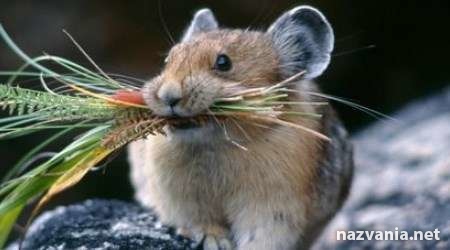
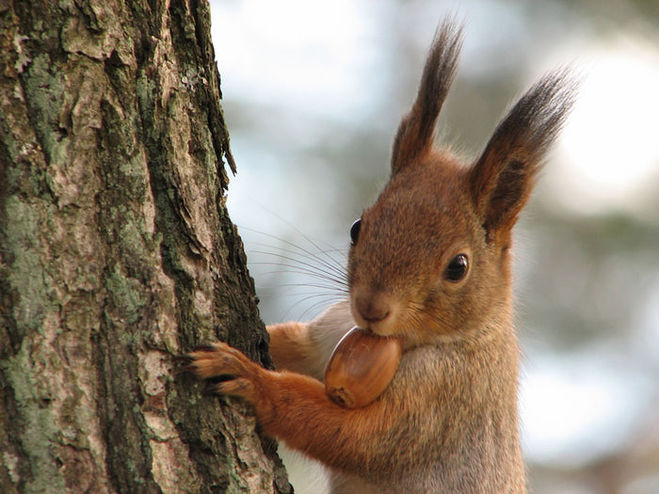
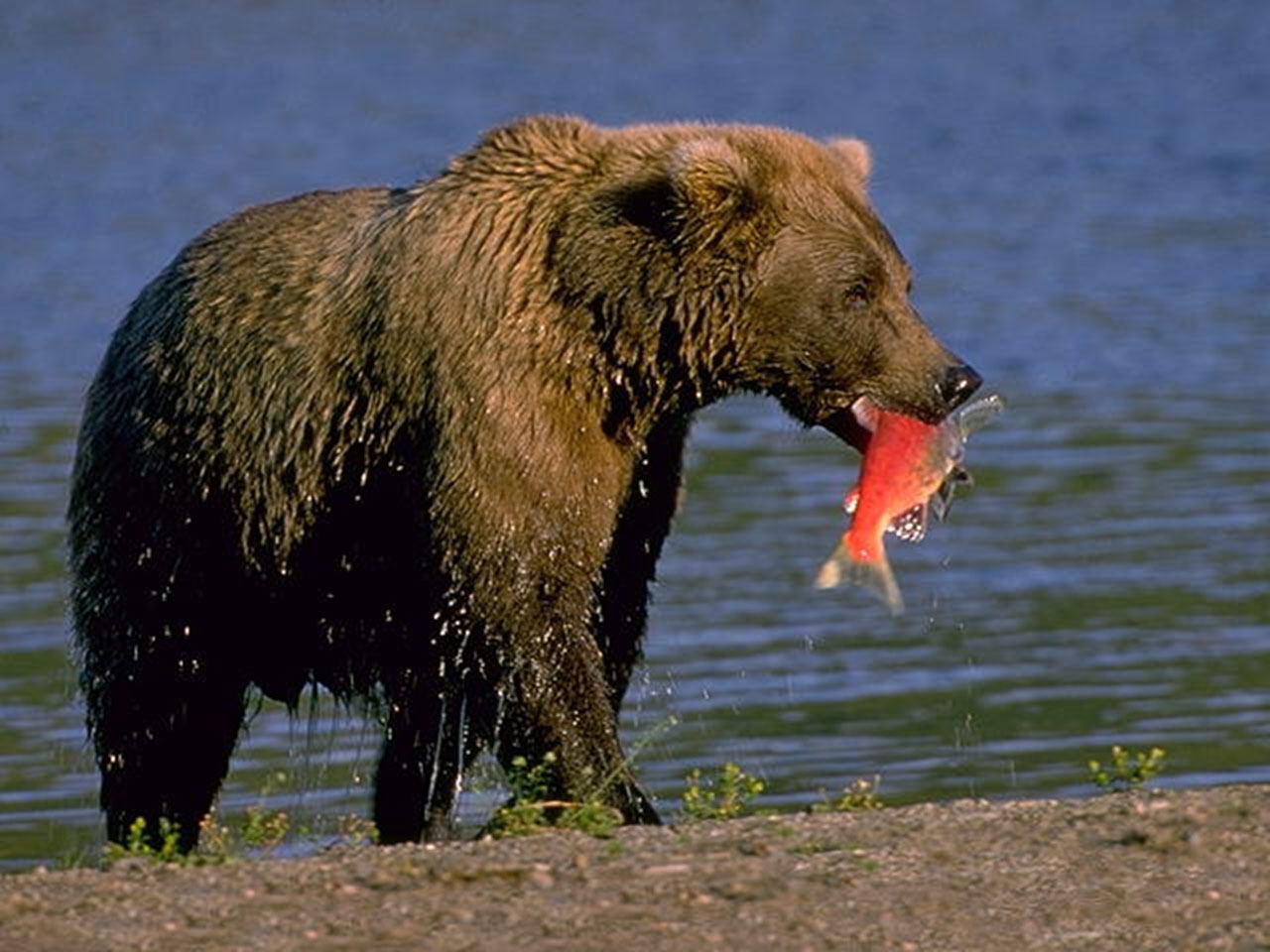
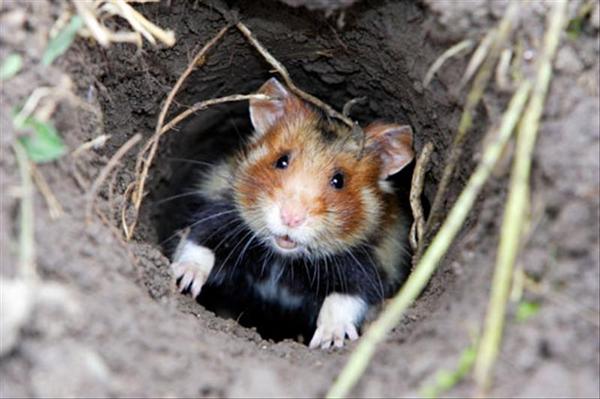
Pair work. Complete the sentences with names of animals. Compare your answers with a partner.
Owls hunt at night. They eat small animals.
____ hide in trees. They haven’t got legs.
______________ catch fish. They sleep in the winter.
________ __ don’t feed their young. They can change colour when they want to hide.
___ hunt smaller fish. They sometimes attack humans.
___ protect their babies from sharks. They sing to each other.
Group work.
Try to complete the text. Then listen again and check your answers.
Blackbirds feed their chicks every day for 1 ___ weeks. In the second photo, the chameleon is catching a 2 _____ . The chameleon sometimes catches insects from a distance of 3 ____ centimetres! The big fish is a goliath grouper and it is 4________metres long. It isn’t attacking the small 5 , it’s protecting them. In the last photo, a falcon is hunting small birds. It’s a very fast bird and it sometimes 6 _________at 390 kilometres an hour.
Bolek batyr secondary school
Animal behaviour
Grade 6 «Ә»
Teacher Kudabaeva K.
2019-2020 academic year









 Бұл курс Қазақстан Республикасы Оқу-ағарту министрлігімен келісілген










