
 ЖИ көмекші


 Қауіпсіз төлем

жүктеу мүмкіндігіне ие боласыз
Бұл материал сайт қолданушысы жариялаған. Материалдың ішінде жазылған барлық ақпаратқа жауапкершілікті жариялаған қолданушы жауап береді. Ұстаз тілегі тек ақпаратты таратуға қолдау көрсетеді. Егер материал сіздің авторлық құқығыңызды бұзған болса немесе басқа да себептермен сайттан өшіру керек деп ойласаңыз осында жазыңыз
 12 Наурыз 2019
 462

1 жыл бойы шексіз жүктеңіз
Animals doc
Lesson: Unit 2 Lesson 3 |
The theme: Animals (1) |
|||||||||||||||||||||||||
Date: |
Teacher`s name: Tleuzhanova Laura |
|||||||||||||||||||||||||
Grade: 5 |
Number absent learner: |
Number attendees: |
||||||||||||||||||||||||
Learning objective(s) that this lesson is contributing to |
5R2 understand with little support specific information and detail in short, simple texts on a limited range of general and curricular topic 5.S4 respond with limited flexibility at sentence level to unexpected comments on an increasing range of general and curricular topics
5.UE9 use simple present and simple past regular and irregular forms to describe routines, habits and states on a limited range of familiar general and curricular topics |
|||||||||||||||||||||||||
Lesson objectives |
All students will able to: -name the animals - read and understand the main fact about animals -tell about the main factor about the animals - employ present, past simple on the task.
|
|||||||||||||||||||||||||
Assessment criteria |
|
|||||||||||||||||||||||||
Values links |
|
|||||||||||||||||||||||||
Cross-curricular links |
Biology |
|||||||||||||||||||||||||
Previous learning |
Plants |
|||||||||||||||||||||||||
Plan |
||||||||||||||||||||||||||
Planned timings |
Planned activities ( replace the notes bellow with your planned activities) |
Smile Resources |
||||||||||||||||||||||||
Start 5 minute |
Teacher greets the learners: Speech drill «What date is it today?/What day of the week is it today?/What can you do?»
|
|
||||||||||||||||||||||||
Middle 35 minute |
Multi sensory approach.
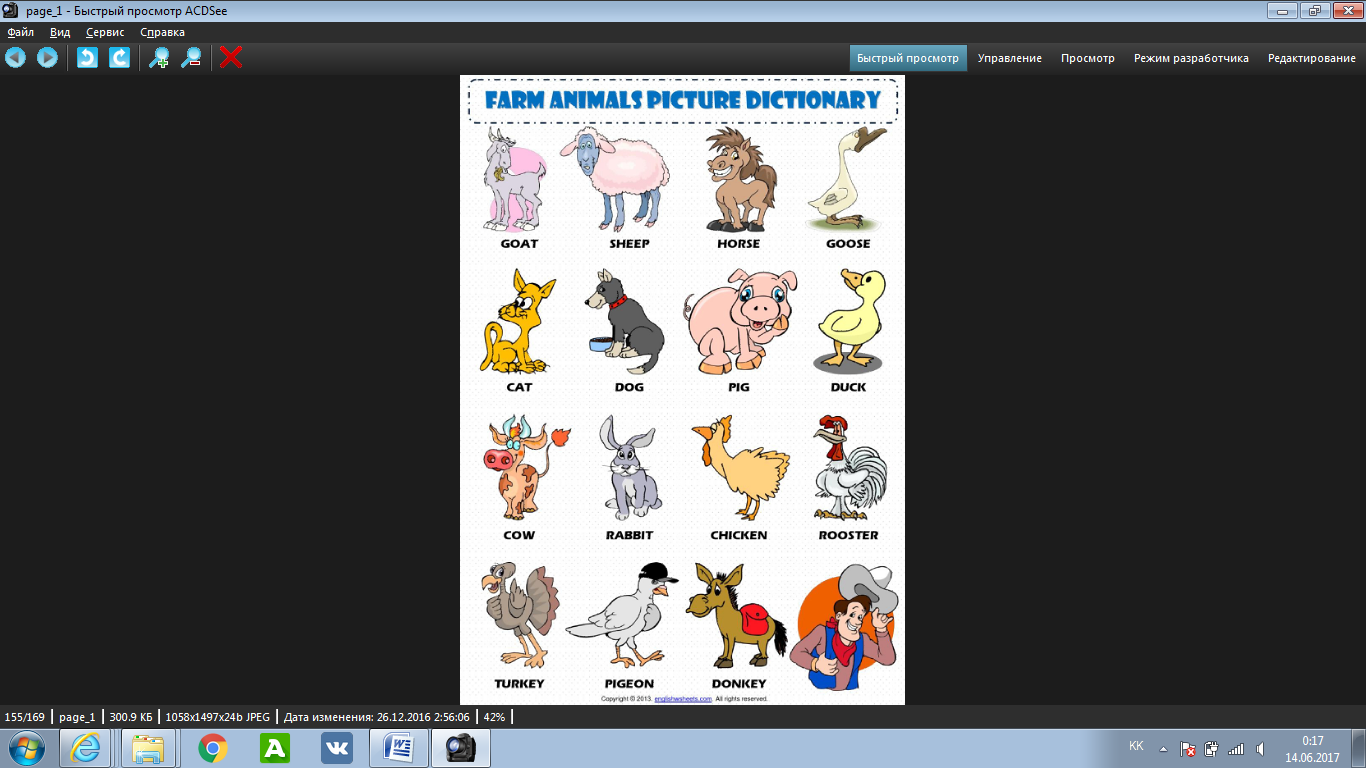
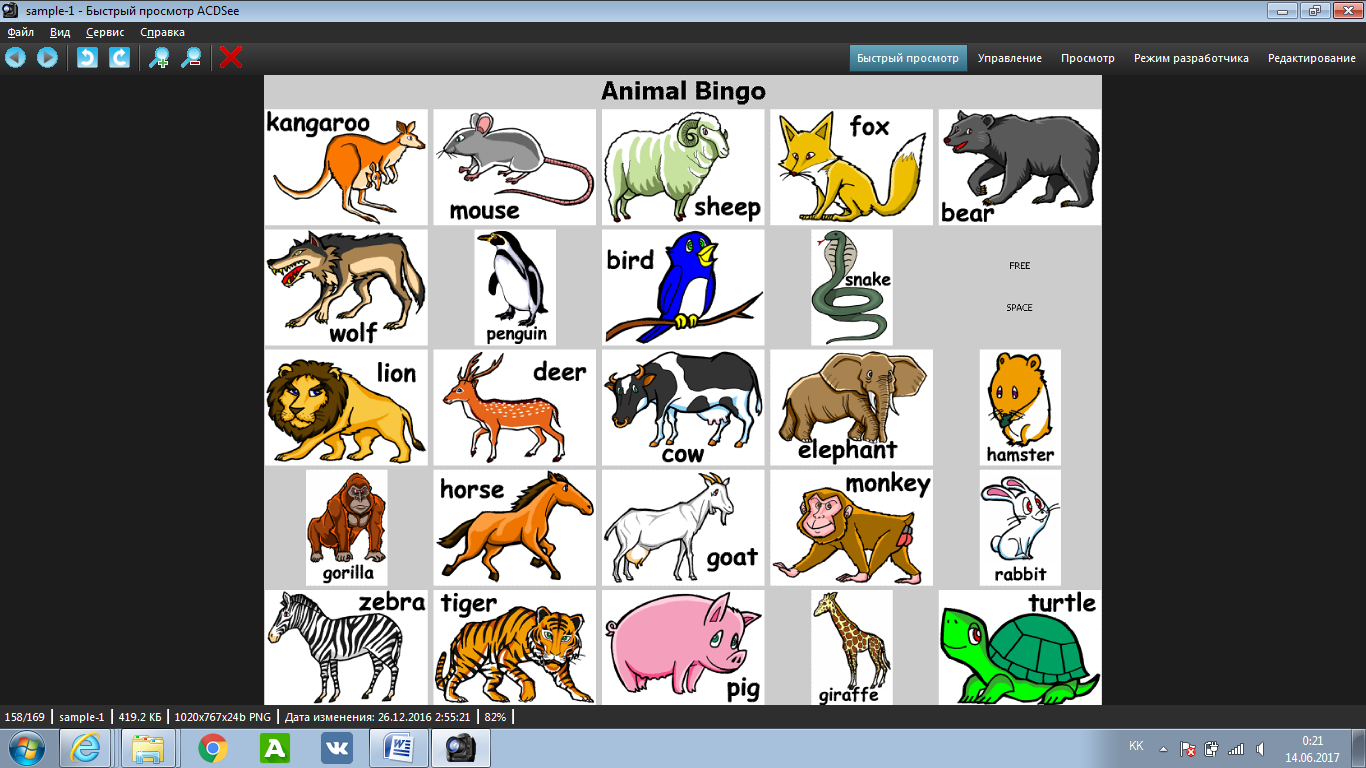
Teacher shows to students cards with picture of animals and . Then students repeat after teacher names of animals.
Exercise 1. Read and translate the text
Differentiation by task for the text: Group 1: underline new words and explain their meanings Group 2: ask 10 questions about the specific details of the text. Group 3: summarize the text.
Animals There are two types of animals. We know wild animals. They are those that live in the woods, jungles and in the fields. They are: foxes, tigers, wolves, elephants, hares and so on. And there are animals that live near the people. They are called domestic animals. And some of them even help people. Horses, bulls, dogs help people a lot. Domestic animals are cows, cats, sheep and so on. Many years ago when there were no cars and trucks people used horses and bulls working in the fields. Dogs are our great friends but they also guard our houses and they are used in the army and by the police. Cats catch mice and rats. As for other domestic animals they are also very useful. Hens, ducks, geese, turkeys give meat and eggs. Cows and goats give milk.
If some students can’t answer the questions teacher shows them and help with some gestures. Teacher makes discussion around this question:
Students try to share their opinions Descriptors; - Answer the questions
Exercise 2. 2 Answer the questions Teacher will ask questions then children will answer
1.What kind of animals do you know? 2. Where do wild animals live? 3. Where do domestic animals live? 4. When do people use animals? 5.Which animals are very clever?
Describtors: -Answer the questions
Exercise 3. Write this exercise in your copybook.
2.
I
3.
I
4.
Janet
5.
Ellie
6.
Alex
Descriptors:
|
Pictures
Student’s book “Oxford” Grade 5, p 48
Copybook |
||||||||||||||||||||||||
End 5 minute |
Сonclusion: The teacher asks “true or false” statements to check students understanding.
Descriptor A learner -Guesses true or false statements
Feedback: Learners complete an evolution of what they did during the lesson by tick in each statement:
Assessments: After every activity teacher gives oral comments.
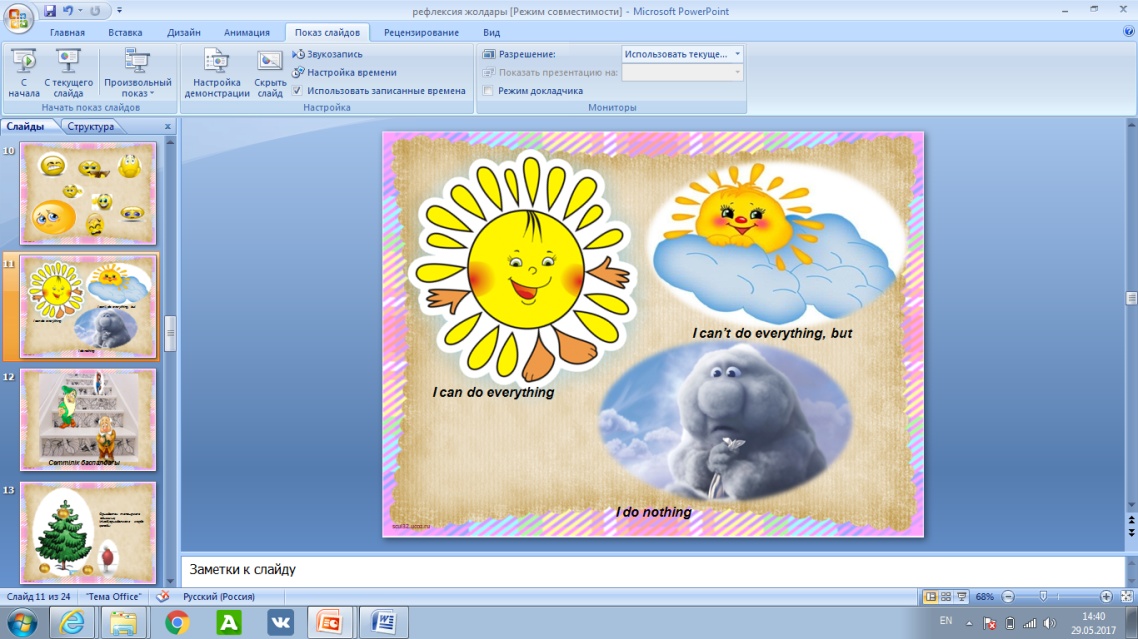
Reflection: Learners should share with their opinions about the lesson. If they liked/disliked by putting their thumbs up/down.
|
Slide
Worksheet |
||||||||||||||||||||||||
Additional information |
||||||||||||||||||||||||||
Differentiation- How do you plane to give more support? How do plan to challenge the more able learners? |
Assessment- how are you planning to check learners` learning? |
Cross-curricular links Health and safety check ITC link Values link
|
||||||||||||||||||||||||
By providing less-able learners with vocabulary in a word list so they can read examples of words seen or heard. By asking questions, with the help of games |
With the help of scores on sticks. Notice any sentences which are difficult for learners to understand and adapt for a future lesson |
Biology |
||||||||||||||||||||||||











 Бұл курс Қазақстан Республикасы Оқу-ағарту министрлігімен келісілген










