
 ЖИ көмекші


 Қауіпсіз төлем

жүктеу мүмкіндігіне ие боласыз
Бұл материал сайт қолданушысы жариялаған. Материалдың ішінде жазылған барлық ақпаратқа жауапкершілікті жариялаған қолданушы жауап береді. Ұстаз тілегі тек ақпаратты таратуға қолдау көрсетеді. Егер материал сіздің авторлық құқығыңызды бұзған болса немесе басқа да себептермен сайттан өшіру керек деп ойласаңыз осында жазыңыз
 14 Қараша 2018
 799

1 жыл бойы шексіз жүктеңіз
Ашық сабақ 4 сынып "Sea animals"
|
Long-term plan Unit 7: The natural environment |
School: Secondary School №7 |
||||||||||||||||||||||||||
|
Date: 17.04.18 |
Teacher’s name: Bulanaeva Ainur Mukhtarovna |
||||||||||||||||||||||||||
|
Grade: 4A |
Number present: |
Absent: |
|||||||||||||||||||||||||
|
Theme of the lesson: |
Sea animals |
||||||||||||||||||||||||||
|
Learning objectives(s) |
2.L3 understand the main points of short, slow and carefully articulated talk on routine and familiar topics features such as colour and number 2.S3 use a limited range of basic words, phrases and short sentences to describe objects, activities and classroom routines 2.R3 recognise and identify some familiar sight words from local environment |
||||||||||||||||||||||||||
|
Lesson objectives |
All learners will be able to: Identify animals by their pictures and names. Most learners will be able to:
Some learners will be able to:
|
||||||||||||||||||||||||||
|
|
|||||||||||||||||||||||||||
|
Success criteria |
-understand text content -can answer the questions about description of marine animals - can use adjectives - do most of tasks correctly. -able to make sentences |
||||||||||||||||||||||||||
|
Value links |
Learners will work together as a group/pair showing respect and being polite with each other, respect to the natural environment |
||||||||||||||||||||||||||
|
Cross curricular links |
Biology, Geography |
||||||||||||||||||||||||||
|
ICT skills |
Smart board, stereo |
||||||||||||||||||||||||||
|
Previous learning |
Basic vocabulary for talking about the countries and where are they located |
||||||||||||||||||||||||||
|
Plan |
|||||||||||||||||||||||||||
|
Planned timings |
Planned activities |
Resources |
|||||||||||||||||||||||||
|
Beginning
7 mins
|
-Good morning children -How are you? -What day is it today? Look at the window children? What season is it now? What is the weather like today? Today children have a special lesson. We are going to travel to the Caspian Sea in the west of Kazakhstan. Do you like traveling? To be successful, we must strive to avoid all obstacles in the sea. But first of all, what do we need to get on the ship? Yes, of course, we need tickets. We need to be smart and attentive to buy a ticket. it is necessary to read the following questions in the correct intonation P
Where is Mike? What is this? RS. Read with correct intonation What’s your name? How are you? Who is Anna? What are you doing? What’s that? Where is my pencil? Who’s that? When did you come? When was it? When did you see him? Where is Astana? How old are you? OK. You've got a ticket. Now we're ready for a trip. What is our objective? Of course, getting to know the sea animals? What are they? We want to know their names, colors, shapes, and what they can do. PW: FA: Everyone gets tickets |
It’s sunny |
|||||||||||||||||||||||||
|
Middle
30 mins
|
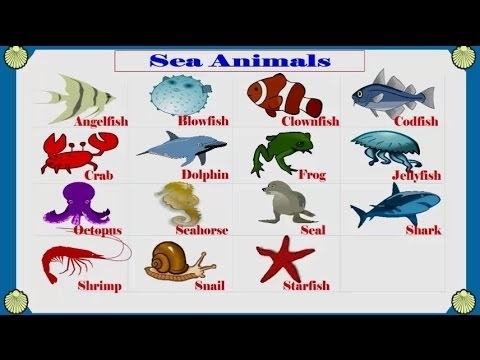
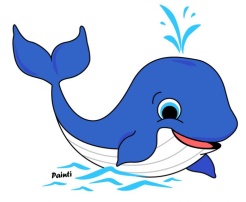
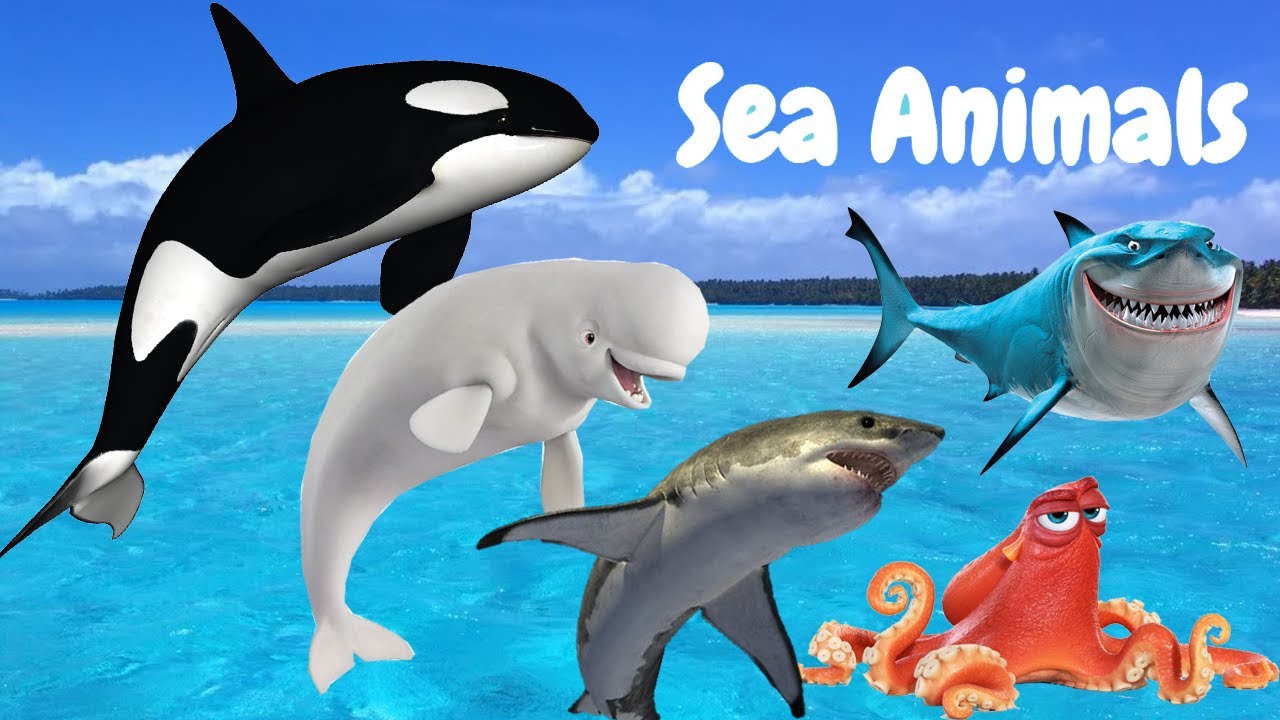
2.Presentation. Let’s start our lesson 1st obstacle- What are sea animals? Do you know any sea animals? Name them. LS and RS Listen to the text twice and try to read. There are many animals that live in water. We call them sea animals. They are different. They can be tiny or huge, friendly or dangerous , beautiful or ugly. Look, this is a seahorse, and this is a jellyfish. This is a whale. These are sharks and these are dolphins.
Introduction of the new
words Children catch at the picture and find
the new words. The
method: “ Catch a
fish” Learners will write new words to their vocabulary. 2nd obstacle- Match the English words with their translation
Descriptor: All leaners read the words Match the words with right translation FA: Oral feedback
3rd obstacle- Listen and guess. GW. Listen and discuss what animal is this.
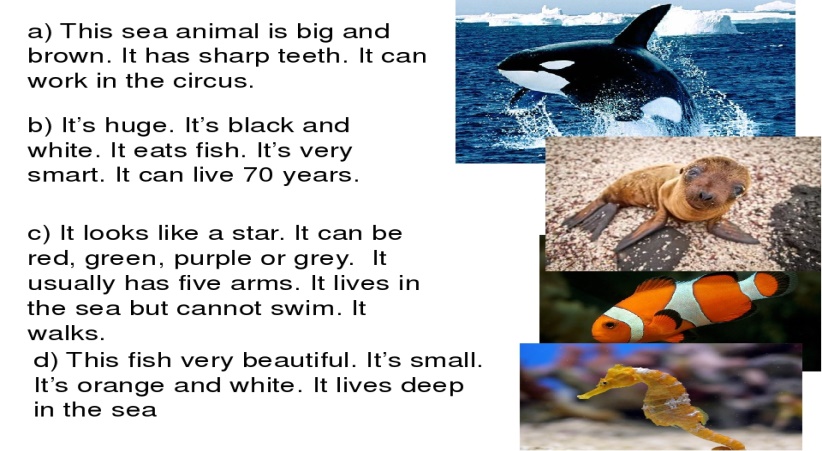
Reading check: Choose the best answer (test) 1.This animal can’t swim. a) a seahorse b) a starfish c) an orca 2.This animal is very big. It can live 70 years. a) clownfish b) a jellyfish c) an orca 3.This animal is very smart. It can work in the circus. a) a whale b) a sea lion c) a shark 4. This fish is tiny. It’s orange and white a) a dolphin b) a jellyfish c) a clownfish
Check your answer by replacing your notebook with your neighbour
FA Thumb
Physical exercise Game : “snowball” students name the new words and add one more words. FA: Fireworks
4th obstacle- Grammar WS . Make question for the picture. Students write questions using the given words.
FA: orally
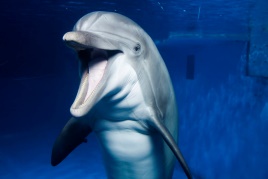
5th obstacle- Describe the animal to your classmates: SS-GW: Students write some sentences according to the text and set to another group FA: Well done! You can make a sentence with the sea animals. You can describe them 6th obstacle – True or false(Differentiation task) Read the text “Dolphins – The dogs of the Sea Dolphins are sometimes thought of as the dogs of the sea because they are usually playful and friendly. They’re also among the smartest animals on Earth. Dolphins are water mammals. Scientists believe they’re as smart as chimpanzees or dogs. Dolphins live in rivers and oceans, but the fun thing all about dolphins is that they must come up to breathe air. Are the sentences True or False? Circle the correct answer. 1. Dolphins are smart animals. True False 2. Dolphins live in Lakes True False 3. Dolphins are related to whales. True False 4. Dolphins can live without air. True False
Descriptor: A learner • reads the text; • reads the statements; • circles the correct answer according to the text. FA: three applause |
CD-track
59
CD track-60 |
|||||||||||||||||||||||||
|
End 3 min |
H/T Draw a picture of your favourite sea animal and describe it to other classmates. Descriptor: Draw beautifully, choose as more as colours While describing it make sentences correctly. Assessment. Reflection oral feedback We have spoken a lot today about sea animals. You did a lot of work today and you did it very well. We returned to the country. Together we settled all of the barriers. Do you like the trip? What was interesting for you? What was difficult for you? What sea animal do you like a lot? Let's return to our goals. Did we achieve our goals? If so the trip was a success. Let's evaluate our knowledge after today's lesson. with the help of stickers. Attach stickers with names next to that sea animal depending on the weight of how much knowledge you received.
Learners make comments about the lesson orally. I know the names of sea animals. I know new words. I can give the definitions of the words. I can answer the questions. The lesson is over, What was difficult at the lesson? What was interesting? What can you do after today’s lesson? |
|
|||||||||||||||||||||||||
|
Additional information |
|||||||||||||||||||||||||||
|
Differentiation – how do you plan to give more support? How do you plan to challenge the more able learners? Support for weaker students: working in pairs/groups, phrases Challenges for more able students: Encouraged to do more writing; assist weaker students. |
Assessment – how are you planning to check learners’ learning? FA Monitoring Checking the task Feedback on the work |
Health and safety check |
|||||||||||||||||||||||||
|
Differentiation can be by task, by outcome, by individual support, by selection of teaching materials and resources taking into account individual abilities of learners (Theory of Multiple Intelligences by Gardner). Differentiation can be used at any stage of the lesson keeping time management in mind
Pair work, group work |
|
Health promoting techniques Breaks and physical activities used. Points from Safety rules used at this lesson. |
|||||||||||||||||||||||||
|
Reflection Where the lesson objectives/learning objectives realistic? Did all learners achieve the LO? If not, why? Did my planned differentiation work well? Did I stick to timings? What changes did I make from my plan and why? |
Use the space below to reflect on your lesson. Answer the most relevant questions from the box on the left about your lesson. |
||||||||||||||||||||||||||
|
|
|||||||||||||||||||||||||||
|
Summary evaluation What two things went really well (consider both teaching and learning)? 1:
2: What two things would have improved the lesson (consider both teaching and learning)? 1:
2: What have I learned from this lesson about the class orachievements/difficulties of individuals that will inform my next lesson?
|
|||||||||||||||||||||||||||
 honetic
skill:
Secondary school №7
Demonstrative lesson:
Theme: Sea animals
Teacher: Bulanaeva A.M
Teacher of English
2018 school year









 Бұл курс Қазақстан Республикасы Оқу-ағарту министрлігімен келісілген










