|
Unit of a long term
plan
Unit 6 Travel and holidays.
Lesson plan 66
|
School:
O.Zholdasbekov
|
|
Date:
|
Teacher’s name: N.
Zhanbulatova
|
|
Class: 6
|
Number
present:
|
Number
absent:
|
|
Lesson title
|
CLIL. Natural science: Weather and
climate.
|
|
Learning objectives(s) that
this lesson is contributing to
|
6.C3 respect differing points of
view
6.C5 use feedback to set personal
learning objectives
6.C6 organise and present
information clearly to others
6.L1 understand a sequence of
supported classroom instructions
6.L5 understand most specific
information and detail of short, supported talk on a wide range of
familiar topics
6.L6 deduce meaning from context in short, supported talk on an
increasing range of general topics
6.W1 plan, write, edit and proofread work at text level with
support on a limited range of general and curricular
topics
|
|
Lesson objectives
|
All learners will be able
to:
Most learners will be able
to:
-
Select, compile, and
synthesize information for an oral
presentation
-
Provide a point of view in
conversations and discussions; practise drawing weather
charts.
Some learners will be able
to:
-
Respond to and
discuss the reading
passage using interpretive, evaluative
and creative thinking skills.
-
Demonstrate the ability to
find correct information without any
mistakes;
-
Comprehend the
reading and understand main ideas while reading
surely;
-
Apply topic related
vocabulary in speech with grammar
accuracies.
|
|
Value
links
|
Cooperation, respect each
other's opinion, functional literacy.
|
|
Crosscurricular links
|
Social Science,
Geography,Information Technology, Natural
Science.
|
|
Previous
learning
|
Talking about adventure
holidays in Kazakhstan.
|
|
Useof ICT
|
Smart board for showing a
presentation, getting additional information,playing the audio
files.
|
|
Intercultural
awareness
|
Students will be able to
understand that people should understand and use the weather
chart.
|
|
Health and
Safety
|
Breaks and physical activities
used. Everyday classroom precautions will ensure
that safety measures are provided to prevent the exposure of
electrical power cords.
|
|
Planned
timings
|
Planned
activities
|
Resources
|
|
Beginning of the
lesson
7
min.
|
The lesson
greeting.

The teacher sets the lesson
objectives, letting students know what to anticipate from the
lesson.
Warm
up. Free
talk.
Look at the
word " weather". In pairs, name
words associated with it and make a
cluster.
WEATHER CYCLE - How do you
understand this phrase? Give your
ideas.
|
Slide (useful
phrases).
Pictures
PPT
Student Book
p.68
Writing
Worksheet
Cluster "
Weather".
Pictures
PPT
|
|
Main
Activities
15
min.
12
min
|
LISTENING
TASK:
Read the text and choose the
correct words. Listen and check your answers. Ex.1 p.77 . Pay
attention to the new words:
Water cycle
- круговоротводы
Water vapour
- водянойпар
Evaporation
-испарение
Transpiration
- испарение
Condensation
- конденсация
Precipitations
-осадки
Ex.2 p.77. Match the
words:
Keys: 1.evaporation
2.transpiration 3.precipitation
4.condensation.
Look at the charts of Ex.3
p.77. and find 3 mistakes. Sts. can work in
pairs.
Answers:
1.There is more rain in April
than in other months.
2. The coldest months are
December to February.
3.The hottest months are July
and August.
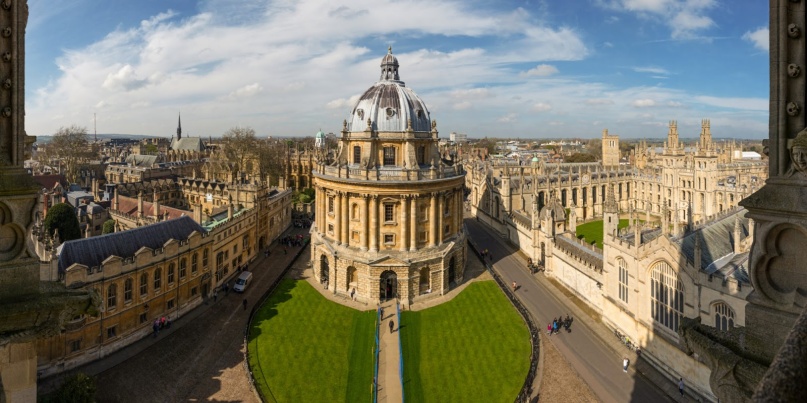
Activate: We'll speak about
Oxford. What do you know about this town? Look at the information
and draw weather charts.
Optional Activity:
Reading.
|
Student Book
p.77
CD2.20.
Student Book
p.68
Writing
Worksheet
CD2.12.
Student Book
p.68
Picture
Teacher's Book
p.99.
|
|
Ending the lesson
6
min.
|
Giving the home
task.
W.B. p.54. Make a weather
chart.
Students express their
attitude to the lesson and give self-assessment using
the method:
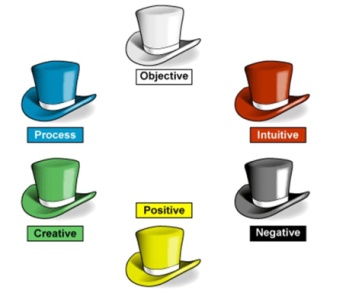
“Six thinking
hats”:
-
Green: How can you
use today's learning in different
subjects?
-
Red: How do you feel
about your work today?
-
White: What have you
leant today?
-
Black: What were the
weaknesses of your work?
-
Blue: How much
progress have you made in this lesson? (Now I can, I still need to
work on, I've improved in, Today I learnt...
)
Yellow: What did you like
about today's lesson?
Slide
(Homework)
Slide "Six thinking
hats"
|
|
Differentiation
–
how do you plan to give
more support? How do you plan to challenge the
more
able
learners?
|
Assessment
–
how are you planning to
check learners’learning?
|
Critical
thinking
|
|
Differentiation can be
achieved through the selection of activities, identification of
learning outcomes for a certain student, provision of individual
support to learners, selection of learning materials and resources
based on the individual abilities of
learners.
|
Assessment
criteria:
-
Identify the main
idea in extended talks with little
support.
-
Apply topic related
vocabulary in speech appropriately arranging words and phrases into
well-formed sentences.
-
Demonstrate the
ability to participate in a
conversation.
Descriptor:
A
learner:
-
selects an
appropriate answer.
-
completes the
task.
-
uses appropriate
subject-specific vocabulary while
speaking.
-
discusses questions
and answers the questions within the
group.
-
Observation
-
Feedback on the
work
-
Peer-assessment
|
Students think critically,
exploring, developing, evaluating and making choices about their
own and others’ ideas
|

 ЖИ көмекші


 Қауіпсіз төлем













 Бұл курс Қазақстан Республикасы Оқу-ағарту министрлігімен келісілген










