
 ЖИ көмекші


 Қауіпсіз төлем

жүктеу мүмкіндігіне ие боласыз
Бұл материал сайт қолданушысы жариялаған. Материалдың ішінде жазылған барлық ақпаратқа жауапкершілікті жариялаған қолданушы жауап береді. Ұстаз тілегі тек ақпаратты таратуға қолдау көрсетеді. Егер материал сіздің авторлық құқығыңызды бұзған болса немесе басқа да себептермен сайттан өшіру керек деп ойласаңыз осында жазыңыз
 12 Қаңтар 2020
 1251

1 жыл бойы шексіз жүктеңіз
ашық сабақ 8 сынып Sport activities
Short-term plan
Lesson plan
Long-term plan: Unit 4 Sport, health and Exercise
|
|||||||||||||||||||||||||||||||||||
Date: 03.05.19. |
Teacher name: Kenzhaliyeva Nazym Essenovna |
||||||||||||||||||||||||||||||||||
Grade: 8 |
Number present: |
absent: |
|||||||||||||||||||||||||||||||||
Lesson title: Sport activities |
|||||||||||||||||||||||||||||||||||
Learning objectives |
8.1.6.1. organize and present information clearly to others 8.3.5.1 interact with peers to negotiate, agree and organize priorities and plans for completing classroom tasks 8.4.2.1 understand specific information and detail in texts on a growing range of familiar general and curricular topics, including some extended texts |
||||||||||||||||||||||||||||||||||
Lesson objectives |
Аll learners will be able to
Most learners will be able to - discuss the questions and select the necessary information - consolidate new vocabulary - complete tasks following the instructions Some learners will be able to
|
||||||||||||||||||||||||||||||||||
Assessment criteria |
|
||||||||||||||||||||||||||||||||||
Value links |
To rise learners’ love and respect for sport, lead a healthy lifestyle Taking care of body and health (A secular society with high spirituality (“Mangilik Yel” 3) |
||||||||||||||||||||||||||||||||||
Cross curricular links |
P.E. |
||||||||||||||||||||||||||||||||||
ICT skills |
active board for showing tasks and presentation |
||||||||||||||||||||||||||||||||||
Previous learning |
Healthy habits |
||||||||||||||||||||||||||||||||||
Plan |
|||||||||||||||||||||||||||||||||||
Planned timings |
Planned activities |
Resources |
|||||||||||||||||||||||||||||||||
Start 3 min
|
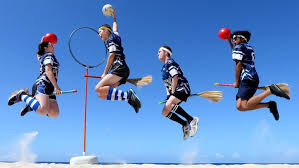
Greeting Fun Game. «Jump In Jump Out» Playing game create friendly atmosphere in the class (W,f) Brainstorming TPR Students divide into 2 groups by numbers 1,2... The teacher hand out the letters with a TPR command ‘collect the letters and guess the words’. Time is given. Learners collect letters in a group and guess what word it is. (This simple activity can develop logical thinking) The first group - “quidditch” The second group - “sepak takraw” Groups sit by “Cabaret Style” |
From link https://www.youtube.com/watch?v=k6bHltjIYzE
Hand out 1
|
|||||||||||||||||||||||||||||||||
2 min
4 min
8 min
Middle 4 min
2 min
12 min
|
What will be the theme of the lesson today? «Sport activities» Descriptor - create friendly atmosphere - collect ideas and guess - define new theme Peer assessment ‘Talk to each other’ Students discuss with other how they would accomplish a particular task, explain a specific idea or talk about some knowledge they have gained. Teacher walks around the room and listen in on the student conversations and oral comment
(G,f) Pre-speaking “Collaborative
learning” The 1st group shows pictures with mimics the 2nd group through discussions guess pictures Resousers
Descriptor
Teacher’s oral assessment: You are brilliant, super! (W,f) While - speaking Game «Bingo» Learners have different key words related to the topic. Learners read out of the words and ask the questions about sport activities, then discuss each other. Who finishes the first, will be winner Note: Students should have a different combination of key words on their square
Descriptor: - ask the questions - discuss with each other about sport activities Assess learners orally
Differentiation by resources (Giving for learners a different resources to do based on their ability and interests) (G, f) Post – speaking. Group I (quidditch) «Asking questions» Teacher gives resources with questions, learners discuss in a group and answer Questions 1) What other English national sports do you know? 2) Do you like it?
Group II (sepak takraw) «Poster Presentation» Teacher gives for group some pictures with sport activities and learners make up poster comparing Kazakh and English sport activities and then present it Descriptor - communicate each other - make up poster - ask the questions Group assess each other using the strategy «Group Report» Group activities are a great way of getting students involved, equipping them to further their own learning process. However, there is the danger of certain students doing all the groundwork, while the others share the credit. A good way to counter this is to ask them to write a brief division-of-labor report
What is the Quidditch? How is Harry Potter related to it?
Descriptor - answer the questions - understand the main ideas of the text Peer assess each other using the strategy «Partner Quizzes» Learners work on the first question together and provide each other with feedback, then work independently on a new question covering same concept.
(W, I, f) While-reading Read the text with techniques of «Scanning and Skimming»
Text. Jane`s Sports Blog
Descriptor
Teacher assess learners orally
Differentiation by pace (Teacher gives common task for students, by their abilities. Some students work faster than others, that is why additional materials can be used for some learners) (G, f) Post-reading Group I (quidditch) Match the words in bold to their synonyms *weird *became a remember *gifted *well-liked by many people *quick Answer key joined up =became a remember talented=gifted strange=weird popular=well-liked by many people fast=quick Descriptor
Assessment by criteria
|
Hand out 2
Hand out 3
Hand out 4
From link https://www.eflmagazine.com/10-pre-reading-activities/
From book Excel for Kazakhstan grade 8 p.42
|
|||||||||||||||||||||||||||||||||
End 2 min
3 min
|
Group II (Sepak Takraw) Answer the questions. Use ideas from the texts as well as your own 1.What`s the difference between Quidditch in the Harry Potter books and real life? 2. What quality must a Quidditch player have? 3. What sport is Sepak Takraw similar to? 4.Why should someone try Sepak Takraw? Suggested answer key
Descriptor
Assessment by criteria
Additional resources Task 1 Complete the table with the names of the sports people
Suggested answer key:
Descriptor
Assessment by criteria
Task 2 Read the text again and choose following suitable answers. E.g. Q (Quidditch) and ST (Sepak Takraw) Which sport:
Answer key 1 Q 3 Q 5 Q 2 ST 4 ST 6 ST Descriptor
Assessment by criteria
Feedback
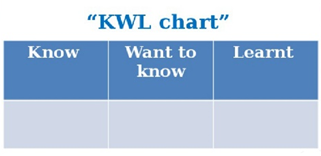
Learners from each group give their own opinions for the lesson through the resource “KWL chart”. KWL ("Know", "Want to Know", "Learned") chart encourage students to use prior knowledge and personal curiosity while researching a subject or a topic
Evaluation Teacher assesses students The class worked… The group worked… The student worked… |
From book Excel for Kazakhstan grade 8 p.42
From book Excel for Kazakhstan grade 8 p.42
From book Excel for Kazakhstan grade 8 p.43
From book Excel for Kazakhstan grade 8 p.43
From book Excel for Kazakhstan grade 8 p.43
work sheet
|
|||||||||||||||||||||||||||||||||
ADDITIONAL INFORMATION |
|||||||||||||||||||||||||||||||||||
Differentiation – how do you plan to give more support? How do you plan to challenge the more able learners? |
Assessment – how are you planning to check learners’ learning? |
Health and safety check |
|||||||||||||||||||||||||||||||||
Differentiation by resources Post – speaking (Giving for leaners a different resources to do based on their ability and interests) Differentiation by pace Post-reading (teacher gives common task for students, by their abilities. Some students work faster than others, so additional material can be used for some learners) Collaborative learning. In groups may be students of different levels, that’s why low levelled students have opportunity for support. High levelled students by creating their own ideas will help them and share ideas together, so they teach each other
|
Brainstorming TPR The teacher hand out the letters with a TPR command ‘disassemble the letters and guess the words’. Each learners chooses one letter and must guess the word. Time is given. Students divide into 2 groups by finding the tail of the sentence and guess what it is. ( This simple activity can develop logical thinking) Peer assessment ‘Talk to each other’ Students discuss with other how they would accomplish a particular task, explain a specific idea or talk about some knowledge they have gained. Teacher’s task is to walk around the room and listen in on the student conversations and oral comment
Pre-Speaking Teacher’s oral assessment: You are brilliant, super! While – speaking Teacher’s oral assessment: Fantastic! Well done! Super Job! Post-Speaking Group assess each other using the strategy «Group Report» Group activities are a great way of getting students involved, equipping them to further their own learning process. However, there is the danger of certain students doing all the groundwork, while the others share the credit. A good way to counter this is to ask them to write a brief division-of-labor report.
Pre – Reading Peer assess each other using the strategy «Partner Quizzes» Learners work on the first question together and provide each other with feedback, then work independently on a new question covering same concept. While-reading Teacher assess learners orally Well done! Post-reading Assessment by criterias
Assessment by criterias
|
|
|||||||||||||||||||||||||||||||||











 Бұл курс Қазақстан Республикасы Оқу-ағарту министрлігімен келісілген










