
 ЖИ көмекші


 Қауіпсіз төлем

жүктеу мүмкіндігіне ие боласыз
Бұл материал сайт қолданушысы жариялаған. Материалдың ішінде жазылған барлық ақпаратқа жауапкершілікті жариялаған қолданушы жауап береді. Ұстаз тілегі тек ақпаратты таратуға қолдау көрсетеді. Егер материал сіздің авторлық құқығыңызды бұзған болса немесе басқа да себептермен сайттан өшіру керек деп ойласаңыз осында жазыңыз
 04 Мамыр 2020
 514

1 жыл бойы шексіз жүктеңіз
Ашық сабақ . Сlass 6 . Lesson title: "Оur class"
Unit of a long term plan |
School: |
||||||||||
Date: |
Teacher name: Tursynbai Aiganym |
||||||||||
CLASS: 6 |
Number present: |
absent: |
|||||||||
Lesson title |
Our class |
||||||||||
Learning objectives(s) that this lesson is contributing to (link to the Subject programme) |
6.C1 use speaking and listening skills to solve problems creatively and cooperatively in groups. 6. UE13 use modal forms including mustn’t (prohibition),should (for advice) on a range of familiar general and curricular topics 6.R1 understand the main points in a growing range of short, simple texts on general and curricular topics |
||||||||||
Lesson objectives |
- talk about special rules of classroom routines
- recognize the meaning of the text and discussing
- understand most specific information and detail of short, supported talk on topic our class without support |
||||||||||
Assessment criteria |
|
||||||||||
Values links |
National unit, peace and harmony in our society |
||||||||||
Cross-curricular links |
Education, the lesson is aimed at discussing classmates |
||||||||||
Previous learning |
Our classrooom |
||||||||||
Plan |
|||||||||||
Planned timings |
Planned activities (replace the notes below with your planned activities) |
Resources |
|||||||||
Start
5 min |
Organization moment Teacher greets learners and asks on duty to prepare a report Learners greet a teacher and the duty makes a report Today is the _________________, _______. Today is absent ___________ or All are present.
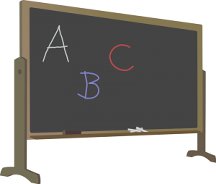
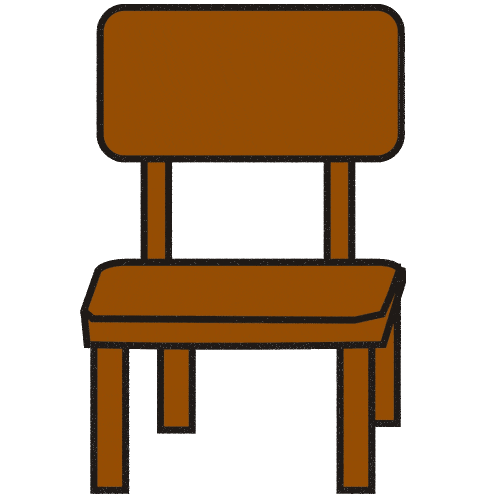
Teacher divides students into three groups by puzzle. Each students go to the board and take one of the picture and take sits in group “blackboard”, “desk” and “chair”. When they take classroom routines, the teacher gives puzzles to three groups, so the learners will be working in three groups.
Now learners, look at the pictures of the puzzles. What kind of pictures can you see? Where can you see those places? So what is our topic for today? |
https://go.mail.ru/search_images?fr=amigontp&gp=amigo&q=chamomile%20bloom#urlhash=9109175287814312413 |
|||||||||
Middle 10 min
10 min
5 min
5 min
5 min
5 min |
Lesson procedure! The teacher asks the learners what they think about classroom things firstly teacher writes vocabulary on the blackboard and shows them picture. Then they repeat chorally all vocabulary with teacher. For example: clock, book, window, pen, pencil, notebook, desk, whiteboard, pencil case, book case. Then teacher asks various learners to say which is shown in each picture.
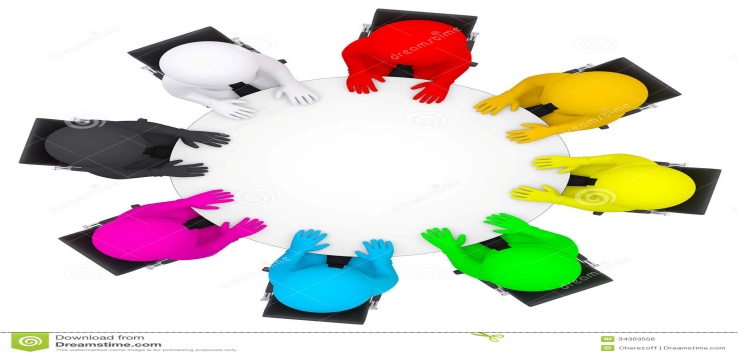
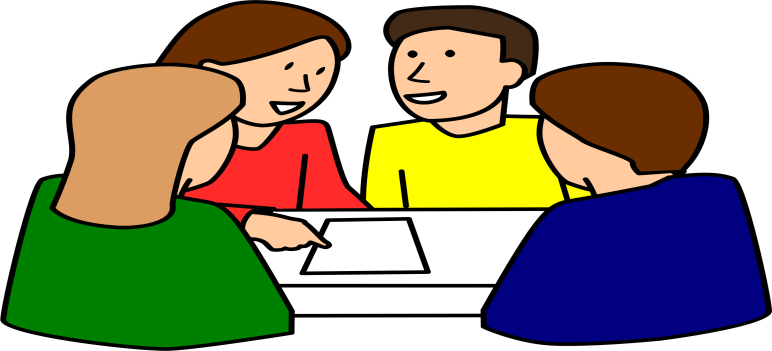
Reading. Group work. Strategy : Round table
Read the text and answer the question.
Teacher gives a text about “ My class” after that the teacher asks the learners to work in groups and discuss the short text about “My class”. The learners have to read, understand and find things. After doing task they give an appropriate answer for each question. My class My name is Kate. I am 10 years old. I study in a secondary school at the 6th grade. I have 5 friends in my class. We have 26 pupils in our class and I am in good relations with almost all of them. My best friend’s name is Alice. She is my classmate and we share the same desk at lessons. Alice attends arts and they sometimes organize school exhibitions. In my opinion, this positive atmosphere in our class is the result of our class teacher’s hard work. I’m proud of my teacher answer the question. After reading the text each group ask questions for each other.
Descriptor A learner:
Differentiation by support: more support will be given for ability of learners.
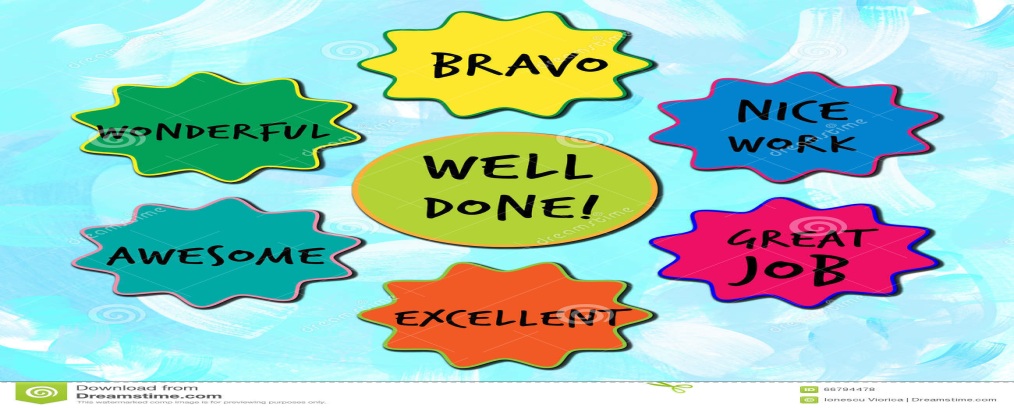
Formative assessment: the teacher assesses active participants by saying Well Done!, Good for you! Good job!
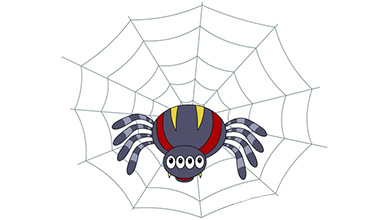
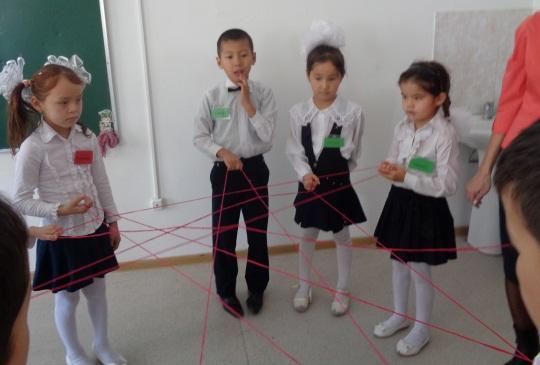
The spider`s net. Play the game (group work)Tell the names of classroom things.
The teacher asks the learners to go to the blackboard and gives them a thread. Then the students throw the thread to each other and tell them the classroom things. F
Descriptor: To memorize names of classroom things. To call the classroom things. Differentiation by support: the teacher repeat the names of classroom things. Formative assessment: the teacher assess active participants giving leaves.
Brilliant Good job Try again Grammar practice To present and practice mustn’t, should. Learners listen conversation from CD. After listening teacher read out the theory box and explains how we can express obligation, prohibition, necessity and advice and provides farther examples where necessary. Teacher asks learners to read the sentences (1-4) and replace the phrases in bold with the word in the list. Then teacher check learner’s answer around the class.
1. Children must/ should come to school on time. 2. Students should/ must wear uniform. 3. Children must/ should be polite. 4. Students should/must stand up when a teacher comes into the class.
Descriptor A learner:
Differentiation by support: all learners are given cards correct written frames of modal verb.
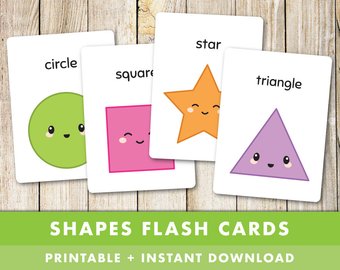
Formative assessment: the teacher assess active participants by giving stars, squares, circles.
Find the modal verbs! (Whole class activity).Choose the right forms should/shouldn’t, must/mustn’t to complete the following sentences in English. . 1.You _____ shout at the children.If rights them. 2. You_______ be at the airport by five o ‘clock. 3. I think you _________ think carefully before you sell the house. 4. I think you _______ wear that dress.It doesn’t suit you. 5. All children ______ fasten their seatbelts when travel. 6. You _____ drink that, it’s poison. 7. We ______ be home by 9 o’clock. The film starts at 9:15. 8. You _____ make so much noise. 9. We ______ do more exercise to stay fit. 10. This was a nice evening, we ______ must again.
Descriptor Learner
Differentiation by support: more supported will be given in the form of grammar reference (modal verb)
Formative assessment: the teacher assess active participiants by showing big thumb.
Excellent Good Try
Grammar consolidation.
1.
Which modal verb can we use for obligation? 2.
Which modal verb can we use for advice?
Learners analyze and discuss all together. Then the teacher shows a slide from whiteboard to check with their answers. Think together! For example:
|
https://www.purposegames.com/images/games/background/250/250011.png
PPT vocabulary
https://www.youtube.com/watch?v=F5ZEreVR21U
http://learnenglishkids.britishcouncil.org/en/grammar-videos/grans-fishing-trip
Listening https://www.youtube.com/watch?v=oAUEh_svk-0
PPT slide 12-13 |
|||||||||
End |
The students get a Progress portfolio and tick the things they can do now in English.
|
|
|||||||||
Additional information |
|||||||||||
Differentiation – how do you plan to give more support? How do you plan to challenge the more able learners? |
Assessment – how are you planning to check learners’ learning? |
Health
and safety check |
|||||||||
Differentiation by support: more support will be given for ability of learners. Differentiation by support: the teacher repeat the names of classroom things. Differentiation by support: all learners a given cards correct written frames of modal verb. Differentiation by support: more supported will be given in the form of grammar reference (modal verb)
|
Formative assessment: the teacher assesses active participants by saying Well Done!, Good for you! Good job!
Formative assessment: the teacher assess active participants giving leaves.
Brilliant Good job Try again
Formative assessment: the teacher assess active participants by giving stars, squares, circles.
Formative assessment: the teacher assess active participiants by showing big thumb.
Excellent Good Try |
|
|||||||||
Reflection
Were the lesson objectives/learning objectives realistic? Did all the learners achieve the lesson objectives/ learning objectives? If not, why? Did my planned differentiation work well? Did I stick to timings? What changes did I make from my plan and why?
|
Use the space below to reflect on your lesson. Answer the most relevant questions from the box on the left about your lesson. |
||||||||||
|
|||||||||||
Summary evaluation
What two things went really well (consider both teaching and learning)?
1:
2:
What two things would have improved the lesson (consider both teaching and learning)?
1:
2:
What have I learned from this lesson about the class or individuals that will inform my next lesson?
|
|||||||||||



 or
example:


















 Бұл курс Қазақстан Республикасы Оқу-ағарту министрлігімен келісілген










