400 000+ дайын материалды
1 жыл бойы шексіз жүктеңіз
ҚМЖ, БЖБ, ТЖБ, презентациялар және авторлық материалдар
4 990₸/ 1 жыл
🔥Арнайы баға ·10.12.2026 дейін
Одан кейін - 29 990 ₸
Бір рет төлейсіз · Автотөлем жоқ
Тақырып бойынша 31 материал табылды

Ашық сабақ Animals vocabulary 8 сынып

Материал туралы қысқаша түсінік
Материал ағылшын тілінің мұғалімдеріне пайдалы деп есептеймін. Сабақ жосарында тест жұмысы, текстпен жұмыс, Learning apps қосымшасы бойынша жүргізілген тапсырмалардың көмегі тиеді деп ойлаймын.
Материалдың қысқаша нұсқасы

Lesson plan
Unit 6. The Natural World

School: №11 after named I.Altynsarin

Date: 04.02.2019

Teacher name: Khamzaieva Aktolkyn

Grade: 8 ‘a’

Number present: 23

absent: 1

Theme of the lesson

Animals vocabulary

Learning objectives(s) that this lesson is contributing to

8.1.10.1 use talk or writing as a means of reflecting on and exploring a range of perspectives on the world

8.2.1.1 understand with little or no support the main points in extended talk on a wide range of general and curricular topics

8.2.2.1 understand with little or no support most specific information in extended talk on a wide range of general and curricular topics

Lesson objectives

Learners will be able to:

  • list facts about animals

  • predict the content of the article

  • identify the reasons

  • offer solutions

Assessment criteria

Learners have met 8.1.10.1 if they can identify the reasons and the function.

Learners have met 8.2.1.1 if they can complete the sentences with the correct words.

Value links

Responsibility

Cross curricular links

Geography, Biology

Previous learning

Regions of Kazakhstan, habitats

Plan

Planned timings

Planned activities

Resources

Beginning


10 min


(P, G, W) Warm up

Dividing students into two groups, introduce them and defend them.

Do you know what it is?

Pupils are shown pictures and their common names.

Types of vocabulary:

  • Omnivore -eating both animal and plant foods.

  • Herbivore – feeding on plants.

  • Carnivore - an animal that eats flesh.


Middle


15 min


  1. min


Quiz 1 group:

1. What is the section "Habitat" MOSTLY about?

(A) where chimpanzees live

(B) what chimpanzees eat

(C) why chimpanzees are hunted

(D) how people can protect chimpanzees

2 Read the following paragraph from the section "History And Conservation." The result is bad for chimps. They have no safe place to live. They lose the places where they would normally find food. This is one reason why chimps are in danger today.

What is the focus of this paragraph?

(A) how chimpanzees protect themselves

(B) how chimpanzees find food

(C) why chimpanzees live in grasslands

(D) why chimpanzees may all die

3 Look at the chart in the introduction [paragraphs 1-6]. What does the chart teach the reader?

(A) how chimpanzees communicate with their monkey friends

(B) where chimpanzees and monkeys like to sleep in the forest

(C) how to tell the difference between a monkey and a chimpanzee

(D) where chimpanzees go to hunt for monkeys

4 Look at Image 1 at the top of the article. Which detail from the introduction [paragraphs 1-6] does the image show?

(A)Chimps stand about 5 feet tall.

(B) They like to be around other chimps.

(C) During the day, chimps travel on the ground.

(D) They like to eat leaves and flowers, too.

Quiz 2 group:

1. Finish the sentence below. One MAIN idea of the article is that:

(A) African elephants eat hundreds of pounds of food.

(B) African elephants can live to be 70 years old.

(C) African elephants give birth to one baby at a time.

(D) African elephants face many dangers.

2. What is the section "Habitat" MAINLY about?

(A) why people hunt African elephants

(B) how African elephants are losing land

(C) where African elephants like to live

(D) what most African elephants look like

3. Look at Image 3. What does the image show?

(A) how big baby elephants get

(B) what elephants like to eat

(C) how elephants use their tusks

(D) what elephant herds look like

4 Read the introduction [paragraphs 1-6]. Which question is answered by Image 2?

(A) How much do African elephants weigh?

(B) What countries do African elephants live in?

(C) How many African elephants are left in the wild?

(D) What are the tusks of African elephants made of?


Descriptor:

  • Read and translate texts.

  • Can answer questions.

  • Can describe the given animal.

  • Can answer questions of the tests.


I lived to tell the tale ...

Real - life stories of people who got a bit too close to wild animals.

  1. Our village is near the River Ganges, and tigers have always lived close by without disturbing anyone. But climate change means they have to find new sources of food. As a result, one of the villagers was killed last year while he was collecting honey in the forest. However, tigers very rarely come close to villages , so I couldn't believe my eyes when I saw one last month. It appeared suddenly as I was walking to my hut. I started running, but it didn't chase me. I hid inside and held my breath. Then I heard it scratching at my door. I was terrified! Fortunately, after a while, a group of villages managed to scare the beast away.


  1. Last year, I went to Australia with my brother, and we had the silly idea of walking in the bush. He was looking for a good place to take a photo while I was walking by a river. At some point, I stood on alog, well I thought it was a log. It turned out to be a crocodile's tail. It span round and snapped its jaws at me, and luckily missed my leg. I don't know how but I managed to find the courage to run. Now, I've always thought crocodiles were slow. Well, I was wrong. With the croc snapping at my ankles, I climbed a nearby tree. After a while, it got bored and went back to the river. As soon asmy brother returned, I told him everything that had happened. All he said was, 'Did you get a photo of it?'


1.The animal didn’t try to attack me.

2.I scared the animal away.

3.I live in a dangerous place.

4.The animal chased me.

5.I got injured during the experience.

6.I disturbed the animal by accident.

7.I didn’t need help to get rid of the animal.

Grammar: Some\Any\No\Every and their compounds

  • Someone must go to the supermarket. We need some milk.

  • I haven’t got any new magazines. Is there a newsagent’s anywhere near here?

  • There are no good games on this computer. So, there’s nothing to play.

  • Every student is coming to the party. Everybody’s going to be there.

Circle the correct words

  • 1.A:I’m worried about the event tonight. Something\Anything is going to go wrong.

  • B:Don’t worry. Nobody\Nothing will go wrong. Everybody\Everything will have a great time.

  • 2.Someone\No one wants to learn to play a musical instrument any more, because it’s not trendy. Anyone\Everyone wants to be a DJ or a rapper.

  • 3.A:I can’t find my knee pads nowhere\anywhere. Have you seen them?

  • B:I tidied up earlier and put everything\everywhere in that box. Have a look there.


Handout 1


Handout 2


Handout 3

End

5 min

Reflection:

Learners answer some questions about today’s lesson:

  • What was the most difficult part of the lesson?

  • What can we do next time to help you?


Additional information

Differentiation – how do you plan to give more support? How do you plan to challenge the more able learners?

Assessment – how are you planning to check learners’ learning?

Health and Safety


Differentiation by task.

Differentiation by support.


Teacher formatively assesses learners reading skill.

Make sure cords are not tripping hazard.

Switch off the active board if you do not use it.

If learners are tired, do physical exercise with them.

Open the window to refresh the air in the classroom during the break.

Reflection

Were the lesson objectives/learning objectives realistic? Did all learners achieve the LO?

If not, why?

Did my planned differentiation work well?

Did I stick to timings?

What changes did I make from my plan and why?

Use the space below to reflect on your lesson. Answer the most relevant questions from the box on the left about your lesson.

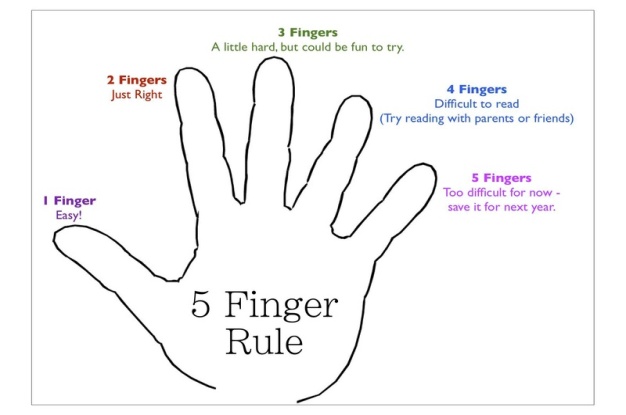
Method «Five finger»

Summary evaluation

What two things went really well (consider both teaching and learning)?

1:


2:


What two things would have improved the lesson (consider both teaching and learning)?

1:


2:


What have I learned from this lesson about the class or achievements/difficulties of individuals that will inform my next lesson?


Материалды Word форматында жүктеп аласыз
Тарифке кіреді
1 ұстаз жүктеп алған
9 наурыз
792
Бұл материалды қолданушы жариялаған. UstazTilegi материалдың мазмұны мен авторлық құқықтарына жауап бермейді. Авторлық құқық бұзылған жағдайда шағым қалдыра аласыз

"Ұстаз" платформасында тіркелген пәндік олимпиадалар
Аттестацияға жарамды екенін көру үшін "Ұстаз" платформасында "Жарыстар, олимпиадалар тізімінен "Ustaz tilegi" деп іздесеңіз шығады

Қазақстандағы ең үлкен материалдар базасынан іздеу
Сіз үшін 400 000 ұстаздардың еңбегі мен тәжірибесін біріктіріп, ең үлкен материалдар базасын жасадық. Төменде керек материалды іздеп, жүктеп алып сабағыңызға қолдана аласыз
Осы тақырыпта
көрнекілік керек па?
10 000 астам көрнекіліктерді жинап қойдық.
Көрнекілік бөліміне өтіп тақырыбын жазып жүктеп алыңыз!
Министірлікпен келісілген Аттестацияға жарамды курстар тізімі















