
 ЖИ көмекші


 Қауіпсіз төлем

жүктеу мүмкіндігіне ие боласыз
Бұл материал сайт қолданушысы жариялаған. Материалдың ішінде жазылған барлық ақпаратқа жауапкершілікті жариялаған қолданушы жауап береді. Ұстаз тілегі тек ақпаратты таратуға қолдау көрсетеді. Егер материал сіздің авторлық құқығыңызды бұзған болса немесе басқа да себептермен сайттан өшіру керек деп ойласаңыз осында жазыңыз
 28 Мамыр 2026
 28
28
1 жыл бойы шексіз жүктеңіз
ашық сабақ CLIL: Biology Extinction
«Бекітілді»
Әл-Фараби атындағы №21 мамандандырылған гимназия
директоры ______________Унгарбаев А.И.
Unit 6 |
The natural world |
|
Teacher’s name: |
Nyshan Akmaral Torebekkyzy |
|
Date: |
13.02.2026 |
|
Grade: 8 «G» |
Number present: |
absent: |
Lesson title |
CLIL: Biology Extinction |
|
Learning objectives
|
8.2.8.1 understand extended narratives on a wide range of general and curricular topics 8.3.1.1 use formal and informal registers in their talk on a growing range of general and curricular topics |
|
Lesson objectives |
Learners will be able to: understand the main ideas and details of a text about why honeybees are in danger of extinction; identify and explain the main causes of the honeybee population decline (lack of food, disease, chemicals); use formal and informal language appropriately when talking about environmental problems. |
|
Plan |
||
Stages / Time |
Teacher’s actions |
Student’s actions |
Assessment criteria |
Resources |
Beginning of the lesson Warming-up Pre-learning «Brainstorming» method 5 min.
|
Organization moment : 1.Greeting. Ask about the weather. The teacher sets the lesson objectives, letting students know what to anticipate from the lesson. Lead – In The teacher prepares a word search on the topic “Bees”, gives it to students and asks them to find the hidden words. After checking the answers, the teacher asks guiding questions and leads students to the topic of the lesson. |
Students of the class are listed. Students' attention is drawn to the lesson.
Students work individually (or in pairs) to find the words in the word search, check their answers, answer the teacher’s questions and guess the topic of the lesson. |
The teacher to assess learners for their ability. “Good job! Well done!”
|
Wordsearch cards https://gemini.google.com/app/b2a00b4cef303daa
|
Middle of the lesson 5 min
5 min
5 min
5 min
5 min
5 min |
• Ask students to open their books at page 70. Put students into pairs and ask them to look at the photo and answer the questions.
Ex: 2 P: 70 • Ask students to read the text about the bees and answer the question.
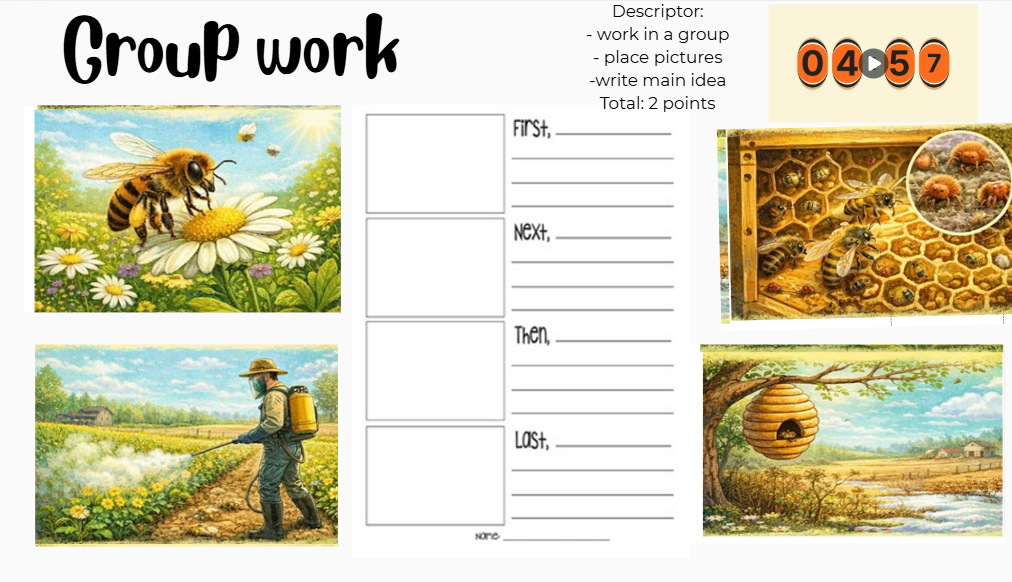
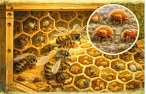
Group work “Picture-Text Matching Challenge” method Teacher asks students to work with the text, logically match the pictures with parts of the text, and write one main idea in the box, completing the task creatively and with innovation.
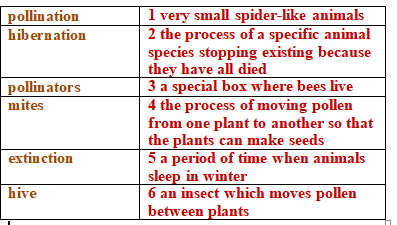
Individual work “Brainy Word Match” • Ask students to work alone to match the highlighted words in the article with the definitions 1-6. After teacher asks students share with classmates their works and check.
Ex: 4 P: 70 • Tell students they are going to listen to Lisa taking to her father about bees. Play the recording for students to copy and complete it
GIMKIT.COM PLATFORM Teacher asks students take their phones and play the game for FA, Students answer the questions and get energy for playing a game.
FOR FAST FINISHERS: Vocabulary
challenge
Mini
project
Make a
quick poster (or list):
|
Students work with a partner. Look at the photo and answer the questions.
Students read the article about the honeybee. Why are they dying?
ANSWERS they don't have enough food. Diseases and chemicals kill Students read the text, match the pictures to the correct parts of the text, discuss their choices in groups and write one main idea for each part in the box.
Students match the highlighted words in the article with the definitions. ANSWERS 1 mites 2 extinction 3 hive 4 pollination 5 hibernation 6 pollinators
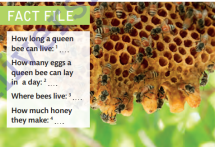
Pupils listen to Lisa telling her father about bees. Copy and complete the bee fact file.
ANSWERS 1 five years 2 up to 2,500 3 on all continents except Antarctica 4 two or three times the amount they need Students follow the link, answer the questions and get points.
Tasks will be given to early finishers, and they will complete them.
|
Descriptor: - work with a partner - answer the questions. Total: 2 points
Descriptor: - read the article - answer the question Total: 2 points
Descriptor: - work in a group - place pictures -write main idea Total: 2 points
Descriptor: - match words with definitions - do peer assessment Total: 2 points
Descriptor: - listen to Lisa telling her father - answer the questions. Total: 1 point
Formative assessment Descriptor: - answer the questions 1 point |
https://wordwall.net/ru/resource/107292892
Student’s book
Cards of parts Pictures
cards
https://www.youtube.com/watch?v=fpqBXvi5BdE
|
End of the lesson 5 min |
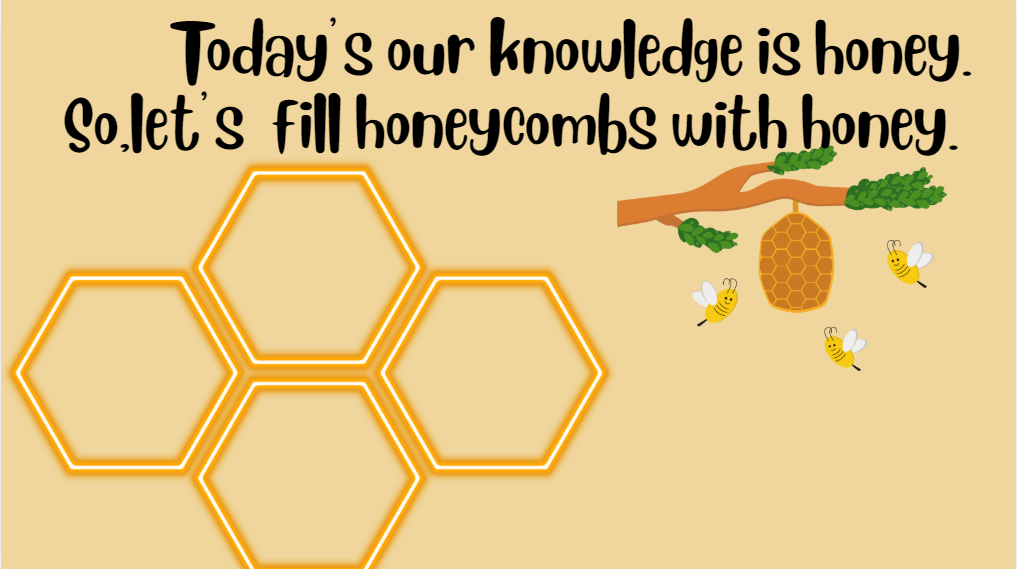
FEEDBACK “HONEYCOMB” Learners provide feedback on what they have learned at the lesson. Students fill honeycomb with colour, knowledge and new words. Homework: Create a poster to inform people about the risk of extinction of bees |
|
Poster of a large honeycombs and honeycomb cards for students |
|
 I
integrate the “Creativity and innovation”
I
integrate the “Creativity and innovation”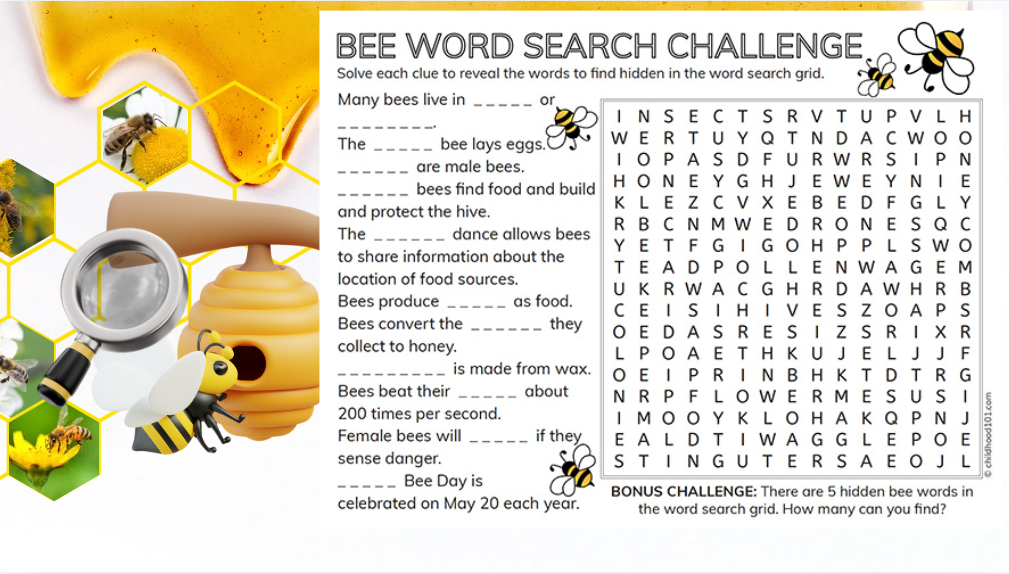 Pair
work
Pair
work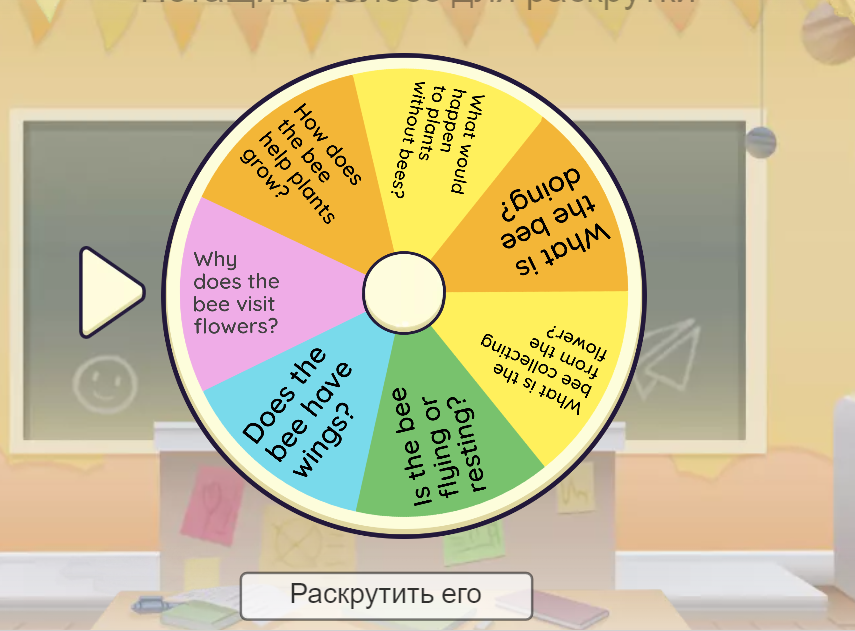











 Бұл курс Қазақстан Республикасы Оқу-ағарту министрлігімен келісілген










