
 ЖИ көмекші


 Қауіпсіз төлем

жүктеу мүмкіндігіне ие боласыз
Бұл материал сайт қолданушысы жариялаған. Материалдың ішінде жазылған барлық ақпаратқа жауапкершілікті жариялаған қолданушы жауап береді. Ұстаз тілегі тек ақпаратты таратуға қолдау көрсетеді. Егер материал сіздің авторлық құқығыңызды бұзған болса немесе басқа да себептермен сайттан өшіру керек деп ойласаңыз осында жазыңыз
 16 Қаңтар 2019
 3766

1 жыл бойы шексіз жүктеңіз
Ашық сабақ "CLIL: Technology: Television." 8 сынып
|
Term 2 Unit 3 "Entertainment and media" |
School: 12 |
||||
|
Date: 22.11.2018 |
Teacher’s name: Zhussupbayeva Symbat |
||||
|
Grade 8 V |
Number present: 13 |
Number absent: |
|||
|
Theme of the lesson: |
CLIL: Technology: Television. |
||||
|
Learning objectives(s) that this lesson is contributing to |
8.C10 use talk or writing as a means of reflecting on and exploring a range of perspectives on the world 8.S7 use appropriate subject-specific vocabulary and syntax to talk about a range of general topics, and some curricular topics 8.R1 understand the main points in texts on a growing range of unfamiliar general and curricular topics, including some extended texts |
||||
|
Lesson objectives |
All learners will be able to: |
||||
|
|||||
|
Most learners will be able to: |
|||||
|
|||||
|
Some learners will be able to: |
|||||
|
|||||
|
Value links |
Information and media literacy. |
||||
|
Cross curricular links |
Information technology, Social studies. |
||||
|
Previous learning |
TV programmes and films in Kazakhstan. |
||||
|
Use of ICT |
Smart board for showing a presentation, getting additional information, playing the audio files. |
||||
|
Intercultural awareness |
Learners can talk about television technology in Kazakhstan and other cultures. |
||||
|
Health and Safety |
Breaks and physical activities used. |
||||
|
Plan |
|||||
|
Planned timings |
Planned activities |
Resources |
|||
|
Start 5min |
Greeting. Welcome, my dear young journalists to my seminar “TV technology”. I am glad to see you. First of all, let’s introduce each other. Please, come here and make a circle. Now introduce yourselves using good things. For example, I am sunny Symbat. Students introduce themselves. Then I divide them into 2 groups by playing a game. They have to join. 1 person- TV journalist 2 persons- TV assistants 3 persons- TV operators 4 persons- TV administrators 5 persons- TV producers 6 persons- TV colleagues Ok, take your seats. Now I distribute you the program of the seminar. There is written a word “Member” or “Leader”. Who takes, it will be the leader of the team. Today I distribute self-assessment sheet. Please don’t forget to put “plus” if you answer. Be active! Good luck! Now, let’s check up your knowledge in grammar?
|
Worksheet 1 025 lesson |
|||
|
Middle 30 min |
Today we are going to have an interesting seminar lesson. First of all, let’s watch a video “How the TV works”. So I think you guess the theme of the lesson is “Technology: Television”. We speak about TV. I have questions for you:
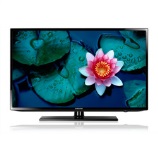
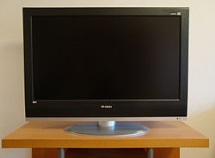
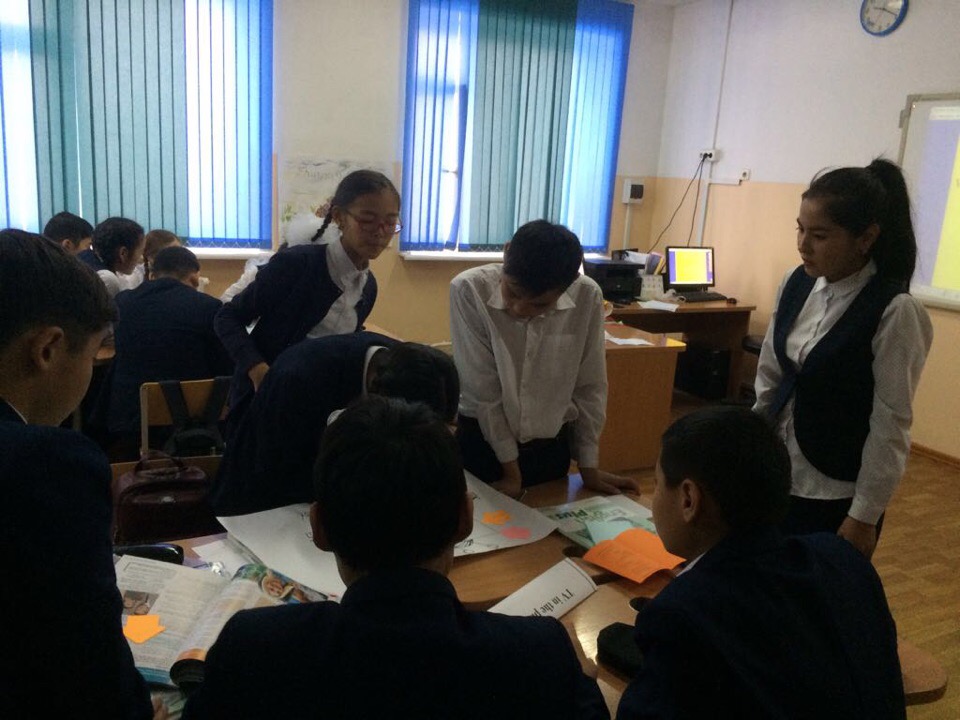
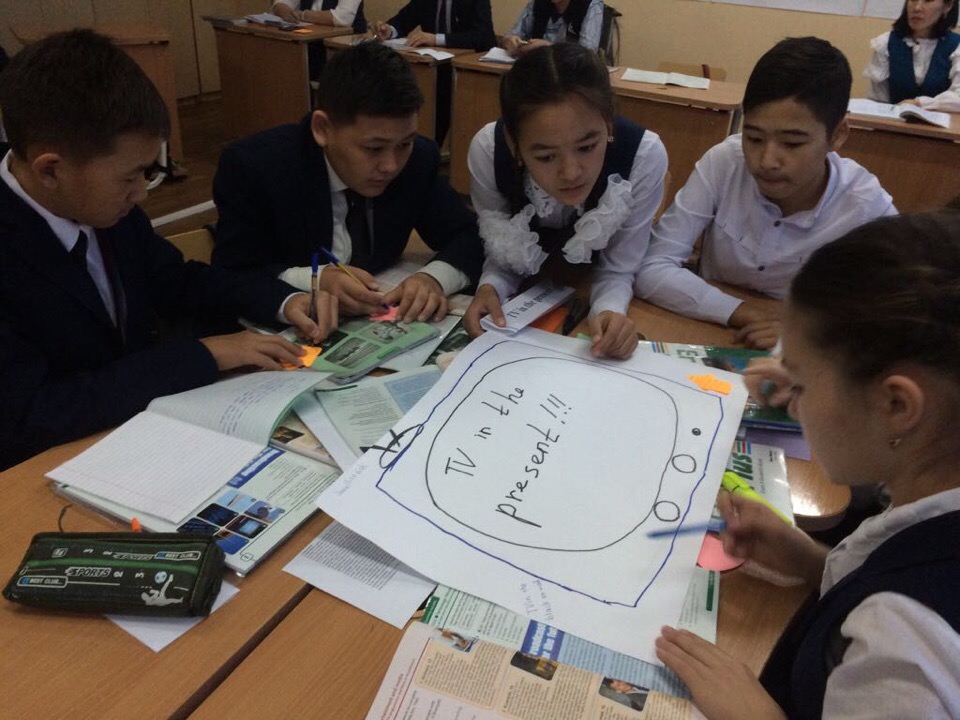
Before reading the text, let’s get acquainted with new words satellite dish – |ˈsætəlaɪt dɪʃ| спутниктік антенна interference- |ˌɪntərˈfɪrəns|- кедергі aerial- |ˈeriəl|- антенна decoder- |diːˈkəʊdə|- дешифраторы radio wave |ˈreɪdioʊ weɪv| радио толқындары binary code |ˈbaɪnəri koʊd| бинарлы немесе екілік коды Task 1. Read the text “Broadcasting in the future” Task 2. Ex.1 p.41. Conveying the meaning of new words. Use of dictionaries. Vocabulary matching task. Answers: A) satellite dish – B) interference- C) aerial- D) decoder- E) radio wave F) binary code Let’s have a dynamic pause. Come here. Make a circle. Turn right please. Now we are all in jungle. Students go in the circle ----Oh, it is going to rain. Put your hands on to your friend’s shoulders. (students make massage the previous student’s shoulder) ----It’s raining. Oh, it is raining hard…It is storming. (students make massage and shake the previous student’s shoulder harder) At the end students stop… Thank you, take your seats. I think a bit relaxed. Task 3. True of False 1. For a long time, there was only analogue TV, but at the end of the 2000s, smart television arrived 2. Digital TV doesn’t use radio waves. 3. This digital information arrives at a TV via an aerial, a cable, a satellite dish or broadband. 4. Digital broadcasting is less better than the analogue system. Task 4. Poster. What’s in the difference between the TV in the present and TV in the past? |
https://www.youtube.com/watch?v=OmV9aJCXHIg |
|||
|
End 5min |
Home task Your home task is Presentation "Television broadcasting in the past and present". FEEDBACK: Your impression! Learners write their impression and stick them.
I know I doubt I don’t understand At the end of the lesson, students reflect on: - what they learned - what remained unclear for them - what they need to continue working on Self-assessment. Students express their attitude to the lesson and give self-assessment Now I want to give you present Scarf for memory from me, from my seminar. Leaders come and take them. And I ask you assess your group mates according to the colors. Ok, now I print out your certificates from the kundelik.kz. The seminar lesson is over! Thank you for your participation. Good-bye! Let’s go to the coffee break. Come here and take yourselves. |
|
|||
|
End 1min |
Feedback: Teacher asks students what task was difficult to them and which pair worked well. |
|
|||
|
Additional information |
|||||
|
Differentiation – how do you plan to give more support? How do you plan to challenge the more able learners? |
Assessment – how are you planning to check learners’ learning? |
Critical thinking |
|||
|
Differentiation can be achieved through the selection of activities, identification of learning outcomes for a certain student, provision of individual support to learners, selection of learning materials and resources based on the individual abilities of learners. |
Assessment criteria:
Descriptor: A learner:
|
Students think critically, exploring, developing, evaluating and making choices about their own and others’ ideas Health saving technologies.
|
|||

Тексерілді:









 Бұл курс Қазақстан Республикасы Оқу-ағарту министрлігімен келісілген










