
 ЖИ көмекші


 Қауіпсіз төлем

жүктеу мүмкіндігіне ие боласыз
Бұл материал сайт қолданушысы жариялаған. Материалдың ішінде жазылған барлық ақпаратқа жауапкершілікті жариялаған қолданушы жауап береді. Ұстаз тілегі тек ақпаратты таратуға қолдау көрсетеді. Егер материал сіздің авторлық құқығыңызды бұзған болса немесе басқа да себептермен сайттан өшіру керек деп ойласаңыз осында жазыңыз
 28 Сәуір 2020
 455

1 жыл бойы шексіз жүктеңіз
Ашық сабақ "Дені сау тұлға болу" 4 сынып
Түркістан облысы
Бәйдібек ауданы
С.Әбдіжаппаров атындағы жалпы орта мектеп-интернаты
Short lesson plan
The theme of lesson: “Healthy bodies”
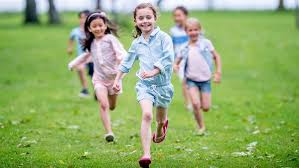
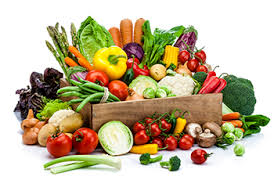

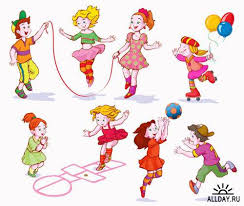
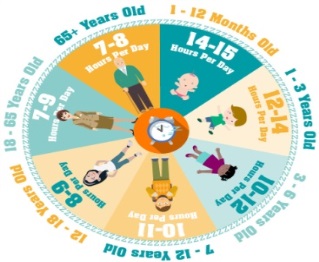 Healthy
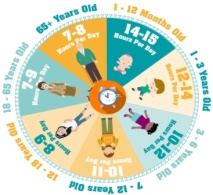
eating Drink a lot of water Get active every day Sleep ten
hours
Мұғалімнің аты-жөні: Сапарова Жадыра Мейірбекқызы
LESSON: Module 6 Lesson 2 Healthy bodies 2
|
School: Sadyk Abdyzhapparov |
|||||
Date: |
Teacher name: Saparova Zhadyra |
|||||
CLASS: 4 |
Number present: |
absent: |
||||
Learning objectives(s) that this lesson is contributing to |
4.3.6 take turns when speaking with others in a growing range of short, basic exchanges 4.5.2 begin to use joined-up handwriting in a limited range of written work 4.3.1 use adjectives, including possessive adjectives, on a growing range of general and some curricular topics to describe things, use simple one- syllable and some two-syllable |
|
||||
Lesson objectives |
All learners will be able to: |
|||||
recognise and use some target language correctly and show comprehension of some written and spoken familiar words in simple sentences To talk about food and drinks. |
||||||
Most learners will be able to: |
||||||
recognise and use most target language correctly and show comprehension of most written and spoken familiar words in simple sentences To talk about food and drinks. |
||||||
Some learners will be able to: |
||||||
recognise and use target language correctly with clear pronunciation and good comprehension of written and spoken familiar words in simple sentences To talk about food and drinks. |
||||||
Previous learning |
Language focus Structures: present simple; adverbs of frequency; adverbs of manner. Language in use: Healthy eating gives your body what it needs to work properly! Eat more fruit and vegetables! Target vocabulary Healthy bodies: healthy properly, energy, body, body, mushrooms, salad leaf, olive oil, salt and pepper |
|
||||
Cross-curricular links |
Making decisions (Ex. 6) |
|
||||
ICT skills |
Using videos& pictures, working with URLs |
|
||||
Plan |
|
|||||
Planned timings |
Planned activities |
Smiles
|
Teacher
|
|||
Beginning the lesson
|
Teacher: -Good day dear children! -How are you! -What a lovely day today! You are beautifully today! Are you with me? I divided class into two groups. The theme of the lesson is “ Healthy bodies”. -Settle and listen , please! Firstly, I explain to you about all of the lesson. |
Slide (objectives)
|
|
|||
PRESENTATION AND PRACTICE
|
Divided class into two groups: 1 group-“Healthy eating” 2 group-“Unhealthy eating”
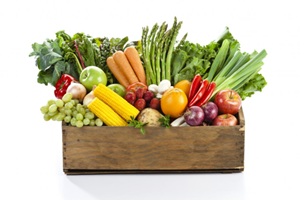
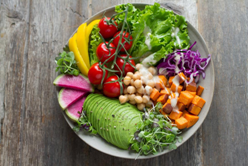
Teacher : - Look at the picture. Answer the questions. There are 4 ways to a healthy bodies: 1.Eat more fruits and vegetables 2.Drink a lot of water 3.Get active every day 4. Sleep ten hours
Say and write on the board: healthy eating. Elicit/explain what healthy eating means. Refer the pupils to the picture and have a picture discussion. Use the questions in the activity to elicit from the pupils orally where the children are, what they are doing, what they are eating and if the food is healthy. Then ask the pupils what they usually eat at school and elicit answers from individual pupils. Refer the pupils to the activity. Allow the pupil's some time to answer the questions. Check their answers.
|
POSTER
Pupils book p 83 |
|
|||
Step 2 “You want to make a salad.” Game with the groups. In pairs, decide what to include. Refer the pupils to the pictures and elicit the names of the food items. Read the dialogue aloud and explain the activity. The pupils, in pairs, ask and answer questions, as in the example. Go around the classroom providing any necessary help. Ask some pairs to report back to the class.
Video Game: “Which is one healthy?” Refer the pupils to the pictures and elicit the names of the food items and answer the questions.
Physical training: -Are you tired? Let’s sing a song.
Step 3. “I am clever…” Work with the poster Learners should write on things (healthy and unhealthy foods) .Read the sentence. I-group: Speak about healthy eating and unhealthy eating. II-group: How to build healthy bodies and how many healthy foods do you know?
The poems about “Healthy bodies”.
|
Pupils book p 84
Slide
Video
Poster Markers |
Suggested answer key A: Let's put some tomatoes in our salad. A: Let's put some carrots in our salad. B: Oh, no. Let's put some cucumbers. A: Let's put some mayonnaise in our salad.
Suggested answer key
Eggs Meat Soup Lemonate Downlote Cake Fresh fires
“Healthy eating song” |
||||
Step 4 STUDY SPOT. Work with the book Match. Then talk with your friend. Pupils' books closed. Say, then write on the board: / am playing chess now. Underline the words in bold.The pupils repeat, chorally and/or individually. Then say and write on the board: / am having a piano lesson this evening. Underline the words in bold. The pupils repeat, chorally and/or individually. Elicit/Explain that we use the present continuous for temporary actions, actions happening at the time of speaking or for fixed arrangements in the near future. Point out that we use words like at the moment, now, these days, at present, tonight, this evening, etc with the present continuous. Revise/Elicit the interrogative, negative and the short answers.
Descriptor • completes the words with the missing letters; • spells out and reads words appropriately; • answers the questions according to the picture; • gives constructive feedback; |
Pupils book p 85
Poster
|
Match.Then talk with your friend.
Answer key 2a 3b 4e 5c
|
||||
Ending the lesson
|
(An activity to consolidate the language of the lesson.) Say one of the food items from the lesson. Ask a pupil to come to the board and draw its shape. Ask the rest of the class for verification. |
ACTIVITY BOOK (Optional) |
|
|||
Additional information |
||||||
Differentiation – how do you plan to give more support? How do you plan to challenge the more able learners? |
Assessment – how are you planning to check learners’ learning? |
Cross-curricular
links |
|
|||
|
|
|
|
|||











 Бұл курс Қазақстан Республикасы Оқу-ағарту министрлігімен келісілген










