400 000+ дайын материалды
1 жыл бойы шексіз жүктеңіз
ҚМЖ, БЖБ, ТЖБ, презентациялар және авторлық материалдар
4 990₸/ 1 жыл
🔥Арнайы баға ·10.12.2026 дейін
Одан кейін - 29 990 ₸
Бір рет төлейсіз · Автотөлем жоқ
Тақырып бойынша 31 материал табылды

Ашық сабақ "Foods and drinks" 8 сынып

Материал туралы қысқаша түсінік
It is useful for English teachers
Материалдың қысқаша нұсқасы


Long term plan unit:


School: Secondary school by name A.Yugnaki

Date:

Teacher name: Bekhanova Gulrukh Sherikbaevna

Grade:

Number present:

Absent:

Theme of the lesson:

Foods and drinks

Learning objective(s) that this lesson is contributing to


8.1.4.1 evaluate and respond constructively to feedback from others ;

8.2.5.1 recognize the opinion of the speaker(s) with little or no support in extended talk on a wide range of general and curricular topics;

8.3.7.1 use appropriate subject-specific vocabulary and syntax to talk about a range of general topics, and some curricular topics;

8.4.6.1 recognize the attitude or opinion of the writer on a growing range of unfamiliar general and curricular topics, including some extended texts;

8.5.1.1 plan, write, edit and proofread work at text level with little support on a growing range of general and curricular topics

8.6.9.1 use appropriately a variety of active and passive simple present and past forms and past perfect simple forms in narrative and reported speech on a range of familiar general and curricular topics

Lesson objectives

  • All learners will be able to: consider and respond constructively to feedback from others; remember the opinion of the speaker(s) with little or no support in extended talk on a wide range of general and curricular topics; apply appropriate subject-specific vocabulary and syntax to talk about a range of general topics, and some curricular topics; retell the attitude or opinion of the writer on a growing range of unfamiliar general and curricular topics, including some extended texts; analyze, create, evaluate and proofread work at text level with little support on a growing range of general and curricular topics; choose appropriately a variety of active and passive simple present and past forms and past perfect simple forms in narrative and reported speech on a range of familiar general and curricular topics with lots of support;

  • Some learners will be able to: consider and respond constructively to feedback from others; remember the opinion of the speaker(s) with little or no support in extended talk on a wide range of general and curricular topics; apply appropriate subject-specific vocabulary and syntax to talk about a range of general topics, and some curricular topics; retell the attitude or opinion of the writer on a growing range of unfamiliar general and curricular topics, including some extended texts; analyze, create, evaluate and proofread work at text level with little support on a growing range of general and curricular topics; choose appropriately a variety of active and passive simple present and past forms and past perfect simple forms in narrative and reported speech on a range of familiar general and curricular topics with some support;

  • Most learners will be able to: consider and respond constructively to feedback from others; remember the opinion of the speaker(s) with little or no support in extended talk on a wide range of general and curricular topics; apply appropriate subject-specific vocabulary and syntax to talk about a range of general topics, and some curricular topics; retell the attitude or opinion of the writer on a growing range of unfamiliar general and curricular topics, including some extended texts; analyze, create, evaluate and proofread work at text level with little support on a growing range of general and curricular topics; choose appropriately a variety of active and passive simple present and past forms and past perfect simple forms in narrative and reported speech on a range of familiar general and curricular topics without support;

Assessment criteria


  • consider and respond constructively to feedback from others;

  • remember the opinion of the speaker(s) with little or no support in extended talk on a wide range of general and curricular topics;

  • apply appropriate subject-specific vocabulary and syntax to talk about a range of general topics, and some curricular topics;

  • retell the attitude or opinion of the writer on a growing range of unfamiliar general and curricular topics, including some extended texts;

  • analyze, create, evaluate and proofread work at text level with little support on a growing range of general and curricular topics;

  • choose appropriately a variety of active and passive simple present and past forms and past perfect simple forms in narrative and reported speech on a range of familiar general and curricular topics with lots of support;

Value links

The Patriotic Act “Mangilik El”


Cross curricular links

Uzbek, Kazakh, Russian, Biology, Chemistry and so on

ICT skills

Laptop, projector,

Previous learning

7th grade. Unit 8. Healthy habits

Plan

Time

Planned activities

Resources


Organization moment

Teacher greets learners and registers absents. Teacher creates positive atmosphere and begins the lesson with some questions.

  • Good morning! How are you today?

  • Who is on duty today?

  • Who is absent?

  • What did you do yesterday?

  • What’s going on in our country in last times?

  • …

  • What was your homework?

The teacher uses the method “Sharing”.

Comparing British and Kazakh food.

Students will tell their opinions about last lesson and they shouldn’t revise each other’s opinions.

Eliciting

The teacher elicits the topical vocabulary of the lesson by asking different probing questions.

  • How do you think what should do the living organism to live, to increase?

  • The living organism should eat.

  • Well done! What kind of food should we eat?

  • Healthy food…

  • What did you eat yesterday?

  • …

  • Was it delicious?

  • ….

  • Which food do you like?

  • ….

Good job! So, today we are going speak about foods and drinks. As says in the proverb “We live for not eating, we eat for living”. We are that we eat.

Vocabulary of the lesson. Now, let’s complete the cluster. What comes to your mind when your hear foods and drinks.

“A BUNCH OF GRAPES” (individual work)


Now, please, mark your healthy food or drink with green and unhealthy food or drink with red. Please, collect your worksheets and exchange with the next group. And tell me about your friend’s healthy and unhealthy foods and drinks.

For example:

  • Can you tell me about Nazima’s healthy food?

  • Can you tell me about Aklzhan’s unhealthy drinks?


Descriptor

A learner:

  • writes the names of foods and drinks;

  • marks healthy food or drink with green;

  • marks unhealthy food or drink with red.

  • Tells friend’s healthy and unhealthy foods and drinks.

Excellent!

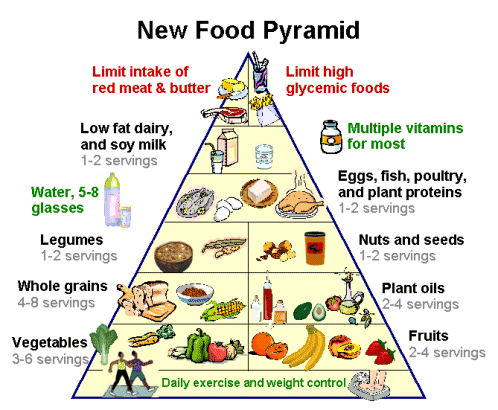
“NEW FOOD PYRAMID” (pair work)


This is the new food pyramid that we introduced with you in the 7th grade. But it is empty. Let’s complete it. Can you tell me what kind of nutrients should be in food?


Descriptor

A learner:

  • tells about new food pyramid;

  • finds information about nutrients.


“DOMINO”

Now I want check your knowledge of Biology. Let’s play a game “Domino”.

Descriptor

A learner:

  • answers the questions;

  • finds true places.


“CASE STUDY” (pair work)

In this stage your task is cook something by using cooking methods. I have some pictures of meals. After you should tell us about your food, we’ll discuss it. And we’ll say our opinions about your food.

Descriptor

A learner:

  • uses cooking methods;

  • adds own ideas.

“DUBBING”

Let’s watch a video. But it hasn’t a sound. You’ll be journalists and you should dub the video. After finishing dubbing the video teacher asks some CCQ

Descriptor

A learner:

  • watches the video;

  • dubs the video;

  • answers the questions.

CCQ

  1. What did you do if you were a cook?

  2. Can you tell me pros and cons of cooking a lot of meal?


The strategy of “BEFORE-AFTER”


Assessment


Additional information

Differentiation – how do you plan to give more support? How do you plan to challenge the more able learners?

Assessment – how are you planning to check learners’ learning?


Health and safety check
ICT links


Teacher should make a differentiation based on levels of knowledge of students. The teacher will give some supports which learners will use these supports by their levels.


Reflection

Were the lesson objectives/learning objectives realistic?

Did the learners achieve the LO?

If not, why?

Did my planned differentiation work well?

Did I stick to timings?

What changes did I make from my plan and why?


Summary evaluation

What two things went really well (consider both teaching and learning)?

1:

2:

What two things would have improved the lesson (consider both teaching and learning)?

1:

2:

What have I learned from this lesson about the class or achievements/ difficulties of individuals that will inform my next lesson?


Материалды Word форматында жүктеп аласыз
Тарифке кіреді
2 ұстаз жүктеп алған
6 ақпан
869
Бұл материалды қолданушы жариялаған. UstazTilegi материалдың мазмұны мен авторлық құқықтарына жауап бермейді. Авторлық құқық бұзылған жағдайда шағым қалдыра аласыз
"Ұстаз" платформасында тіркелген пәндік олимпиадалар
Аттестацияға жарамды екенін көру үшін "Ұстаз" платформасында "Жарыстар, олимпиадалар тізімінен "Ustaz tilegi" деп іздесеңіз шығады
Қазақстандағы ең үлкен материалдар базасынан іздеу
Сіз үшін 400 000 ұстаздардың еңбегі мен тәжірибесін біріктіріп, ең үлкен материалдар базасын жасадық. Төменде керек материалды іздеп, жүктеп алып сабағыңызға қолдана аласыз
Осы тақырыпта
көрнекілік керек па?
10 000 астам көрнекіліктерді жинап қойдық.
Көрнекілік бөліміне өтіп тақырыбын жазып жүктеп алыңыз!
Министірлікпен келісілген Аттестацияға жарамды курстар тізімі