
 ЖИ көмекші


 Қауіпсіз төлем

жүктеу мүмкіндігіне ие боласыз
Бұл материал сайт қолданушысы жариялаған. Материалдың ішінде жазылған барлық ақпаратқа жауапкершілікті жариялаған қолданушы жауап береді. Ұстаз тілегі тек ақпаратты таратуға қолдау көрсетеді. Егер материал сіздің авторлық құқығыңызды бұзған болса немесе басқа да себептермен сайттан өшіру керек деп ойласаңыз осында жазыңыз
 29 Қаңтар 2020
 2240

1 жыл бойы шексіз жүктеңіз
Ашық сабақ "Living things" 5 класс
Unit of a long term plan: Living things |
School: |
|||||||
Date: |
Teacher name: Unalbayeva D.B. |
|||||||
CLASS: 5 |
Number present: |
absent: |
||||||
Lesson title |
Animals |
|||||||
Learning objectives(s) that this lesson is contributing to (link to the Subject programme) |
5.C6 organise and present information clearly to others
5.R2 understand with little support specific information and detail in short, simple texts on a limited range of general and curricular topics
5.W2 write with support a sequence of short sentences in a paragraph on a limited range of familiar general topics
|
|||||||
Assessment criteria |
|
|||||||
Lesson objectives |
All learners will be able to: - name adjectives, which describe some animals; - write phrases, describing animals;
Most learners will be able to: - describe some animals; - write a short text about an animal with the teacher support;
Some learners will be able to: - talk about wild and domestic animals; - to write a short text about animals without teacher support;
|
|||||||
Values links |
Learners feel compassion to animals, they look after them and help them to survive. |
|||||||
Cross-curricular links |
This lesson is closely connected with Biology |
|||||||
Previous learning |
Learners already know some words and phrases of animals (cat, dog, cow, lion, bear, fox, wolf…) |
|||||||
Plan |
||||||||
Planned timings |
Planned activities (replace the notes below with your planned activities)
|
Resources |
||||||
Start 1-4 min.
5-7min.
8-10min.
10-12 min.
|
Learners show their readiness to the lesson Teacher asks the learners “How are you?” (OK, so-so, not so good)
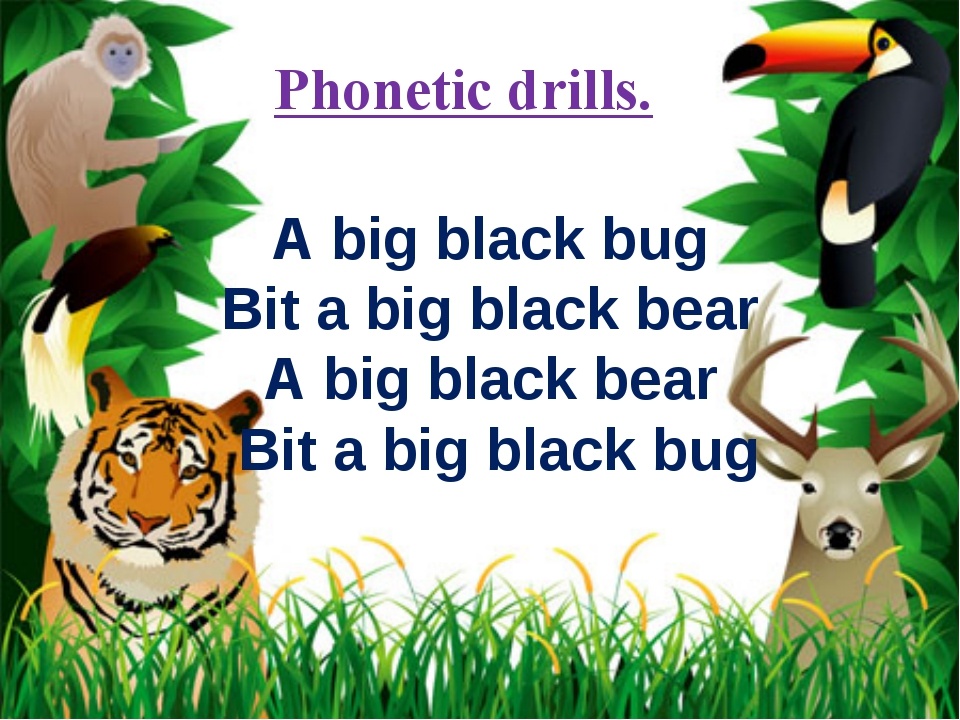
Teacher presents new tongue-twister A big black bear Sat on a big black bug This big black bug bit This big black bear (W, I)
Teacher gives students parts of the puzzles, learners assemble puzzles; sit in groups, according to their pictures.
Teacher asks:
Learners fix the theme of the lesson. |
Slide 1
Set
of puzzles with animals pictures
|
||||||
Middle 12-13min.
13-18min.
19-22min.
23-28min.
28-29min.
30-33min.
33-38 min.
40-43min.
|
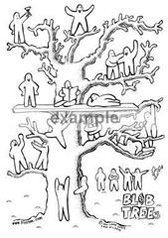
Then teacher gives learners self-assessment papers and asks them to colour one of the “person”, answering the question “ How do you think, where you are now, before the lesson?”
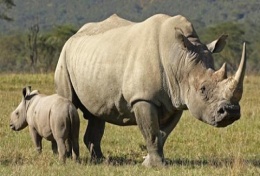
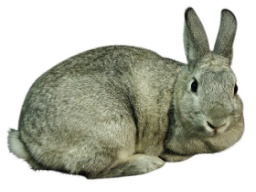
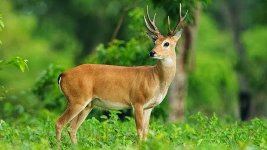
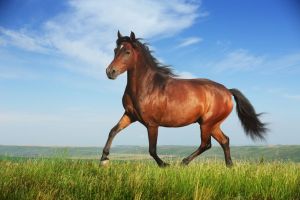
Pre-reading task Teacher introduces and drills new vocabulary with the help of pictures and gestures (miming)
New words:
Goat
Hippo
hare
deer
horse
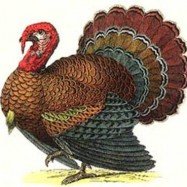
turkey (W, G,P,I)
Teacher put some pictures of animals in the centre of a table for every group, learners ask teacher: Did you see……? When teacher says “Yes, I did”, they must find the picture of this animal as quickly as possible and show it to the teacher. The fastest student now is a “teacher”. (W)
While-reading task Now children, be ready to read the text and answer my question (for top down reading):
You should read individually and I’ll give you 5min. So, students :
Learners read the text (I) Animals There are two types of animals. We know wild animals. They are those that live in the woods, jungles and in the fields. They are: foxes, tigers, hippos, elephants, hares, deer and so on. And there are animals that live near the people. They are called domestic animals. And some of them even help people. Horses, dogs help people a lot. Domestic animals are cows, cats, sheep, goats and so on. Many years ago when there were no cars, people used horses working in the fields. Dogs are our great friends but they also guard our houses and they are used in the army and by the police. Cats catch mice and rats. As for other domestic animals they are also very useful. Chickens, ducks, geese, turkeys give meat and eggs. Cows and goats give milk.
Teacher checks answer gist question, then present learners some sentences (True or False) for detailed comprehension. Post-reading task Learners work in a group and say (G) True or False. (for bottom up reading)
Teacher asks learners to work in pairs and write a short dialogue about their favourite animal, then read them before class. Teacher gives learners 5 minutes and explains descriptors. (P)
Teacher gives the learners cards with a task. Learners write on the given cards. (Differentiation by tasks) A-Name all domestic animals and wild animals B- write about domestic animals (teacher supports some learners) C-write about wild animals Teacher checks these cards after the lesson and writes feedback for every learner. |
Pictures Blob tree
The game “Who is faster?”
prezentaciya-po-angliyskomu-yaziku-animals-1574270.html
Cards with tasks
|
||||||
End 44-45min. |
-Did you like our lesson today? -What did you learn today? - What was interesting for you?
At the end of the lesson, teacher asks learners to colour one of the person on the Blob tree, but now after the lesson and some learners comment their self-assessment.
|
|
||||||
Additional information |
||||||||
Differentiation – how do you plan to give more support? How do you plan to challenge the more able learners? |
Assessment – how are you planning to check learners’ learning? |
Health
and safety check |
||||||
Differentiation by objectives Differentiation by interaction (W, G, P, I) Differentiation by resources Differentiation by tasks Teacher gives the learners cards with a task. A-Name all domestic animals and wild animals B- write about domestic animals (teacher supports some learners) C-write about wild animals |
Verbal assessment (through the lesson) self - assessment paper (Blob’s tree) 3 CLAPS (after some activities) |
|
||||||
Reflection
Were the lesson objectives/learning objectives realistic? Did all the learners achieve thelesson objectives/ learning objectives? If not, why? Did my planned differentiation work well? Did I stick to timings? What changes did I make from my plan and why?
|
Use the space below to reflect on your lesson. Answer the most relevant questions from the box on the left about your lesson. |
|||||||
|
||||||||
Summary evaluation
What two things went really well (consider both teaching and learning)?
1: Drilling new words was a big success on my lesson
2: Consider my microteaching my colleagues liked the game “Who is faster” for practising vocabulary.
What two things would have improved the lesson (consider both teaching and learning)?
1: Next time I would have improved my lesson by introducing new words with the help of gestures, asking learners to show (mime) the meanings of new words.
2:
What have I learned from this lesson about the class orindividuals that will inform my next lesson?
|
||||||||











 Бұл курс Қазақстан Республикасы Оқу-ағарту министрлігімен келісілген










