
 ЖИ көмекші


 Қауіпсіз төлем

жүктеу мүмкіндігіне ие боласыз
Бұл материал сайт қолданушысы жариялаған. Материалдың ішінде жазылған барлық ақпаратқа жауапкершілікті жариялаған қолданушы жауап береді. Ұстаз тілегі тек ақпаратты таратуға қолдау көрсетеді. Егер материал сіздің авторлық құқығыңызды бұзған болса немесе басқа да себептермен сайттан өшіру керек деп ойласаңыз осында жазыңыз
 08 Мамыр 2020
 500

1 жыл бойы шексіз жүктеңіз
Ашық сабақ Melting and freezing 8-сынып
Date: |
Teacher’s name: Temirgalieva Maira Alenovna |
||||||||||||||||||||||||||||||||||||||||||||||||||||||||||||||||||||||||||||||||||||
Grade: 8 |
Number present |
Number absent |
|||||||||||||||||||||||||||||||||||||||||||||||||||||||||||||||||||||||||||||||||||
The topic of the lessons |
Melting and freezing |
||||||||||||||||||||||||||||||||||||||||||||||||||||||||||||||||||||||||||||||||||||
Learning Objectives Жалпы оқу мақсаттары |
|
||||||||||||||||||||||||||||||||||||||||||||||||||||||||||||||||||||||||||||||||||||
Lesson Objectives: |
By the end of the lesson, the learner will be able to:
|
||||||||||||||||||||||||||||||||||||||||||||||||||||||||||||||||||||||||||||||||||||
Language Objectives: |
Subject Learning:
Language Learning:
Subject-Specific Vocabulary and Terminology: molecules, energy, melting, freezing, melting point, freezing point, , solid, liquid, gas. (молекулалар, энергия, балқу, қату (кристалдану), балқу температурасы, қату температурасы, қатты, сұйық, газ) The melting point of ice and the freezing point of water are at exactly the same temperature. The melting point is when solid is changing to liquid. (ice to water) The freezing point is when liquid is changing to solid. (water to ice) |
||||||||||||||||||||||||||||||||||||||||||||||||||||||||||||||||||||||||||||||||||||
Cross curricular links link |
Chemistry |
||||||||||||||||||||||||||||||||||||||||||||||||||||||||||||||||||||||||||||||||||||
ICT skills |
Projector or Smart board for power point presentation |
||||||||||||||||||||||||||||||||||||||||||||||||||||||||||||||||||||||||||||||||||||
Previous Learning: |
Heat transfer. Application of heat transfer. |
||||||||||||||||||||||||||||||||||||||||||||||||||||||||||||||||||||||||||||||||||||
Lesson’s plan |
|||||||||||||||||||||||||||||||||||||||||||||||||||||||||||||||||||||||||||||||||||||
Planned timings
0-7min
8-15 min
15-35 min
35-40 min
|
Planned Activities I. Organization moment: Greeting. Good morning pupils! - How are you? - Who is on duty today? -Who is absent? -What date is it today?
First group’s name is “Мelting” Second group’s name is “Freezing” Third group’s name is “Heating” Fors group’s name is “Boiling”
ІІ. Brainstorm Illustrative experiment. “Мelting”, “Freezing”
Questioning:
Introduction new topic: Look at the new topic and try to say lesson’s objective . (Student’s answer) -Learn about melting/freezing point III. Work in pairs Қандай заттар бөлме температурасында ериді? «+», «-» таңбасын қойыңыз What substances dissolve at room temperature «+», «-»
Қай заттар тез балқиды? Балқу жылдамдығына қарай орналастыр. 1-7 сандарымен белгіле. What substances melt quickly? Sort by melting speed
IV. Видеокөрсетілім “Melting Point”
1 кг кристалл затты балқу температурасында сұйыққа айналдыру үшін жұмсалатын Q жылу мөлшерін осы затттың меншікті балқу жылуы деп атайды және λ деп белгілейді.
Кейбір заттардың меншікті балқу жылуы, Дж/кг.
Заттың
m массасын балқытуға қажет жылу мөлшері
Массасы m зат қатайғанда осындай жылу мөлшері бөлінеді.
The formula for melting Q = m * λ heat mass specific latent heat of fusion Joules,J kilograms, kg Joule/kilogram, J/kg Жылу масса меншікті балқу жылуы
V. Individual work
To fill the sets.
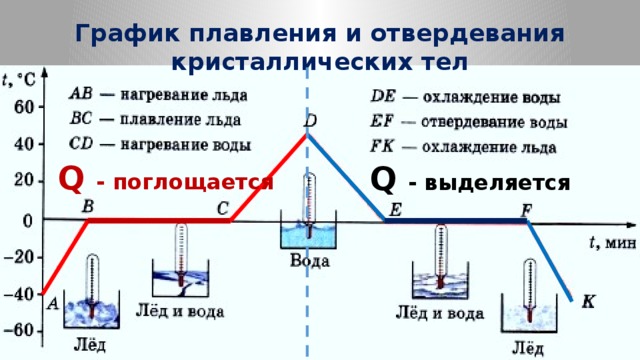
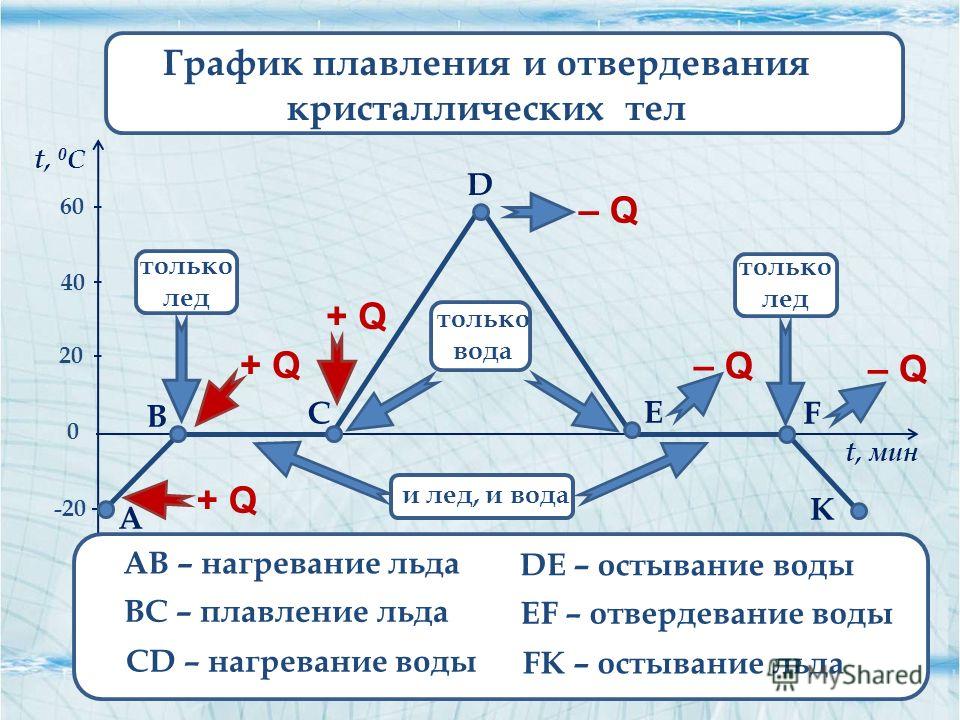
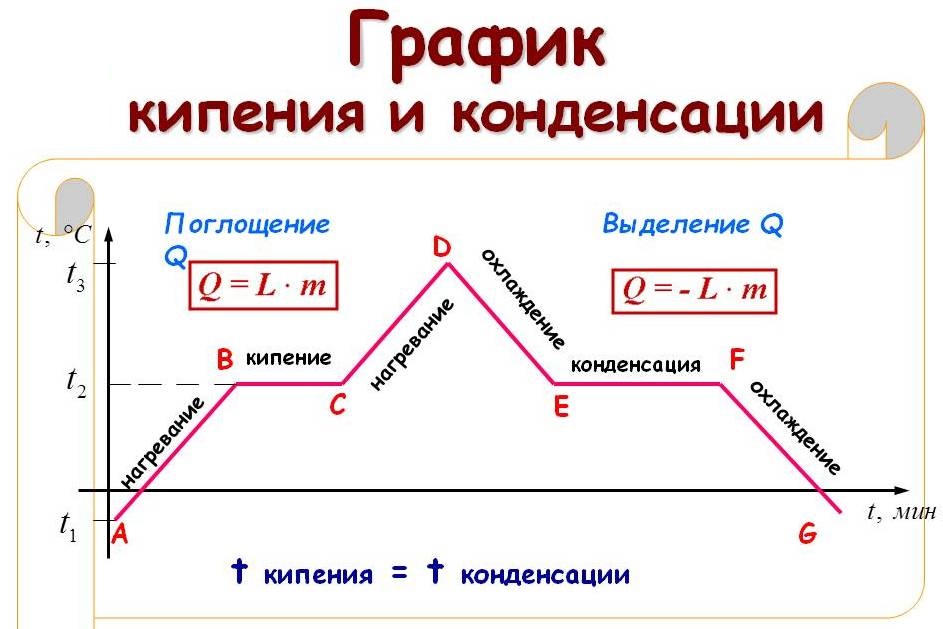
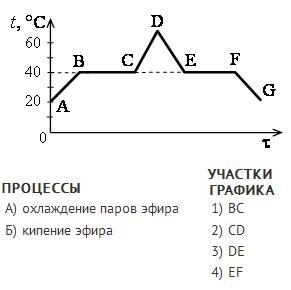
VI. Work in groups. Графикті түсіндіру. Терминдерді пайдаланып, процестерді ағылшынша жазып көрсету,айту.
IV. Home task: learn definitions. REFLECTION
|
Resources presentation sides: 1-2
3-4
|
|||||||||||||||||||||||||||||||||||||||||||||||||||||||||||||||||||||||||||||||||||


Name one thing you would like to know more
Give one thing which you find difficult
Name one thing you liked most
Task 2. Choose “True or False”
1) Heat transfer of thermal energy from a hotter object to a cooler one until both objects are the same temperature. T/F
2) Radiation -the transfer of heat by movement of a fluid (liquids and gases). T/F
3) Conduction - the direct transfer of heat from one substance to another substance that is touching. T/F
4) Equation: Q = c x m x ΔT T/F
2) 3) 4)
4.Массасы 2 кг темірді балқыту үшін қанша жылу мөлшері кетеді?
5. Мұз және темірдің меншікті балқу жылуын салыстыр?
Видеокөрсетілім
What is freezing point?
It is the temperature at which a liquid becomes a solid
The melting point of ice and the freezing point of water are at exactly the same temperature.
The melting point is when solid is changing to liquid. (ice to water)
The freezing point is when liquid is changing to solid. (water to ice)
What is melting point?
It is the temperature at which a solid becomes a liquid
Do you know melting and freezing points of some substances?
Do you have any questions?
III. Review:
Test with explanations
Which of the temperature at which ice melts?
0o Kelvin
0o Fahrenheit
0o Celsius
0o Gram
Which of the following is the temperature at which ice melts?
C. 0o Celsius
Correct
Students were doing a lab to find the melting point of ice. Which thermometer would show the temperature in o Celsius at which ice would begin to melt?

Thermometer 1 C. Thermometer 3
Thermometer 2 D. Thermometer 4
C
correct - because ice melts above 0o
C and the question asks at what temperature ice would begin to
melt.
Task
1.
Complete the sentences:
Motion, freezing point, interact, small particles, melting point, liquid(2).
All matter consist of ___________ (atoms and molecules)
The particles are in ceaseless irregular ______
The particles ____ with each other
The__________ of ice and the ___________ of water are at exactly the same temperature.
The melting point is when solid is changing to_____ (ice to water)
The freezing point is when __________ is changing to solid. (water to ice)
All matter consist of small particles (atoms and molecules)
The particles are in ceaseless irregular motion
The particles interact with each other.
The melting point of ice and the freezing point of water are at exactly the same temperature.
The melting point is when solid is changing to liquid. (ice to water)
The freezing point is when liquid is changing to solid. (water to ice)
Bill - the boiling point is 100°C, but freezing and melting are much lower at 0°.
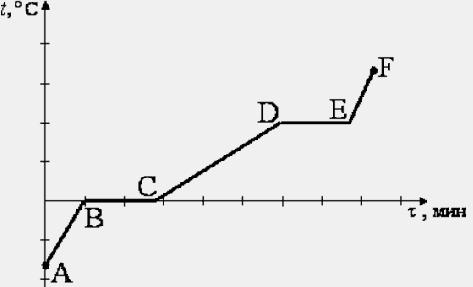

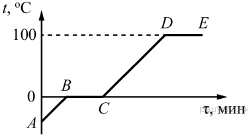
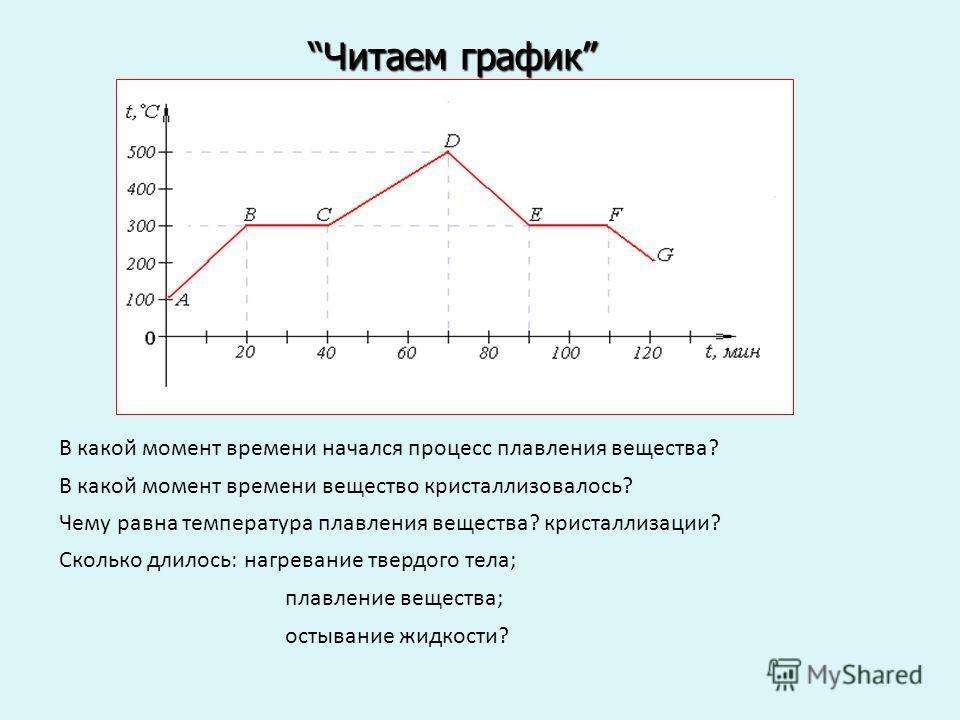
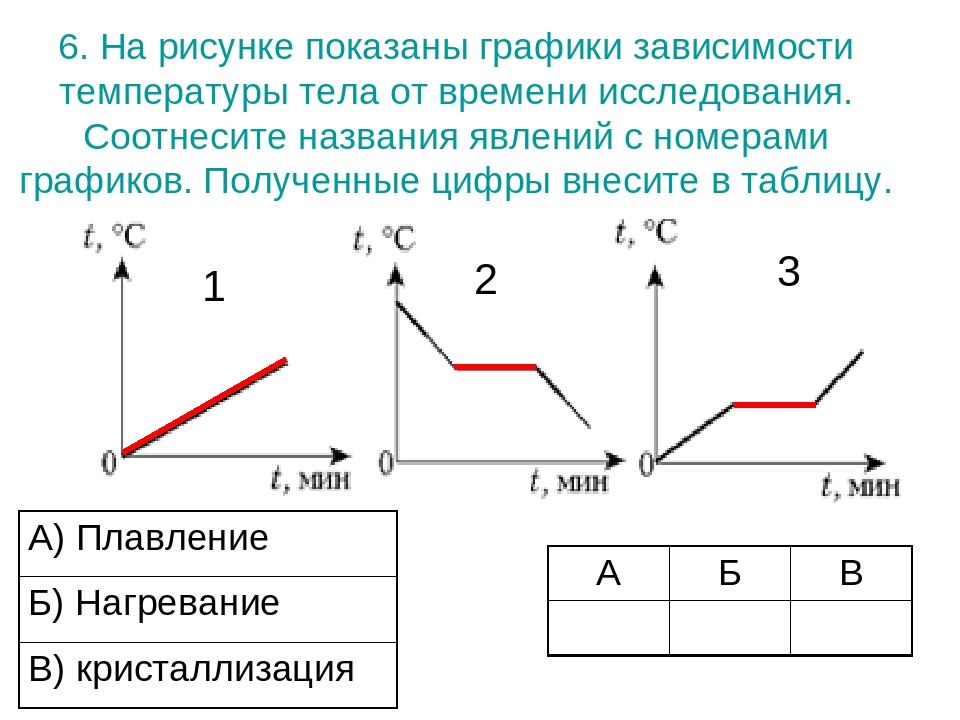
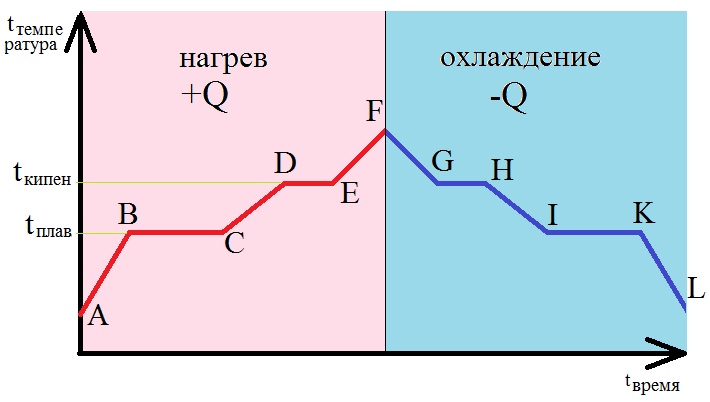
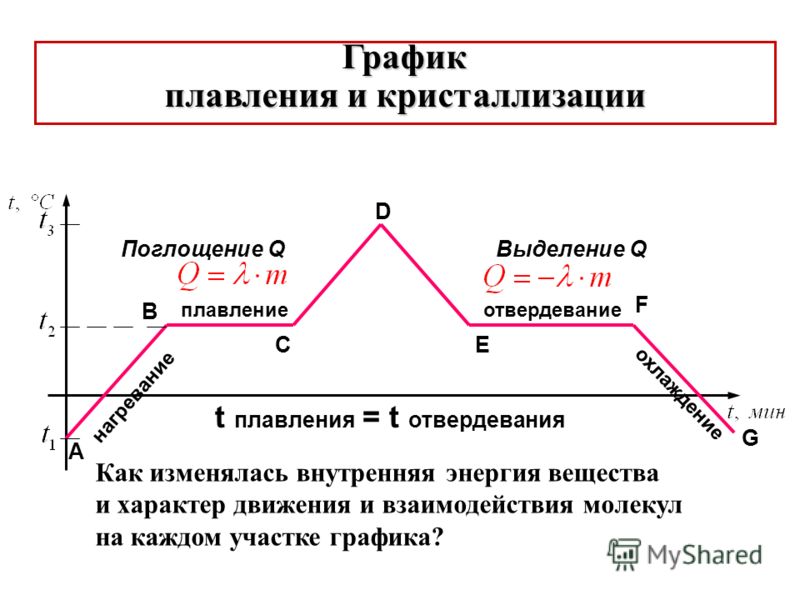
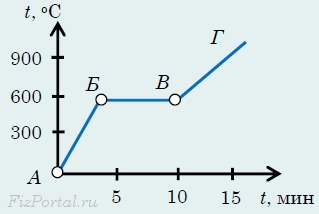
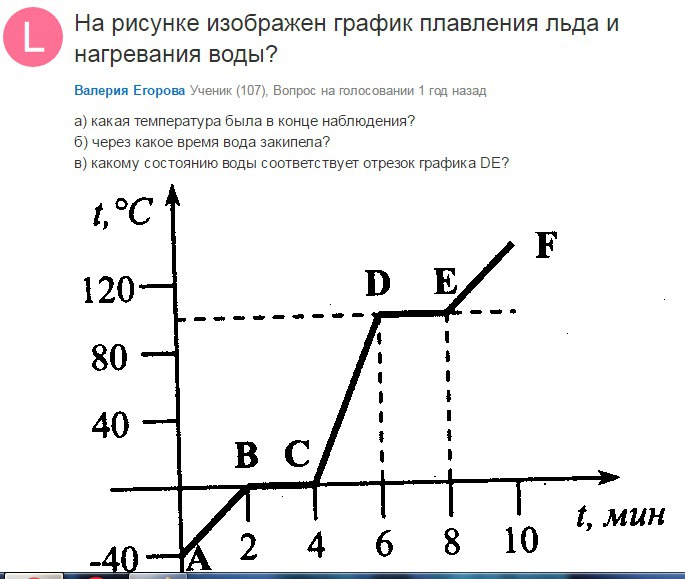
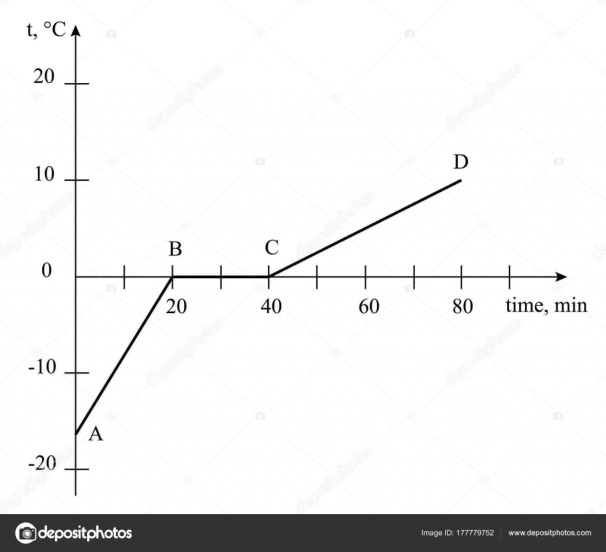
Қай заттар тез қатады? Қату жылдамдығына қарай орналастыр.
1-8 сандарымен белгіле
What substances freeze quickly?
1 |
copper |
|
|
2 |
iron |
|
|
3 |
glass |
|
|
4 |
aluminum |
|
|
5 |
water |
|
|
6 |
Petrol |
|
|
7 |
gas |
|
|
8 |
sea water |
|
|
Қай заттар баяу қатады? Қату жылдамдығына қарай орналастыр.
1-8 сандарымен белгіле
What substances freeze slowly?
1 |
copper |
|
|
2 |
iron |
|
|
3 |
glass |
|
|
4 |
aluminum |
|
|
5 |
water |
|
|
6 |
Petrol |
|
|
7 |
gas |
|
|
8 |
sea water |
|
|
Lesson: |
|||||
Date: |
Teacher’s name: Temirgalieva Maira Alenovna |
||||
Grade: |
Number present |
Number absent |
|||
The topic of the lessons |
Electrical Charges |
||||
Learning Objectives |
|
||||
Lesson Objectives: |
By the end of the lesson, the learner will be able to:
|
||||
Language Objectives: |
Subject Learning: Learners can characterize electric charge Language Learning:
Subject-Specific Vocabulary and Terminology: neutral atom, electron, positive ion , electrical charges, positive charge, negative charge (бейтарап атом, электрон, оң ион, электр заряды, оң заряд, теріс заряд,) |
||||
Useful Sets of Phrases for Dialogue and Writing: |
|
||||
Cross curricular links link |
Chemistry |
||||
ICT skills |
Projector or Smart board for power point presentation |
||||
Previous Learning: |
Structure of Matter |
||||
Lesson’s plan |
|||||
Planned timings 1-2 min 3-10 min
10-35 min
35-40 min
|
Planned Activities I. Organization moment: Greeting. Previous learning Fundamental building blocks of the matter are atoms. Neutral atom – electron = Positive ion
Neutral atom + electron = negative ion.
II. Introduction new topic: Electrical Charges
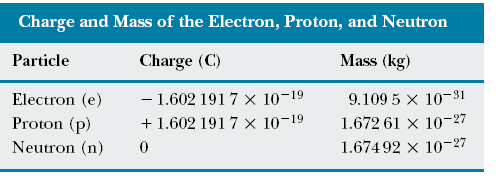
Note that the electron and proton both have the same charge, with the electron being negative and the proton being positive. This amount of charge is often called the electronic charge, e. This electronic charge is generally considered a positive value (just like g in gravity). We add the negative sign when we need to: qe = -e; qp = +e.
The charges can attract [pull] and repel [push] each other. Like [same] charges repel each other. Unlike [not same] charges attract each other.
Two different kinds of charge, positive and negative. Electricity, with attractive and repulsive forces, needs two kinds of charge.
Properties of electric charge 1.Two kinds of charges occur in nature,
2. Charge is conserved. 3. Charge is quantized.
III. Home task: Give examples of positive and negative effects of charging Reflection: Name one thing you would like to know more Give one thing which you find difficult Name one thing you liked most |
Resources presentation sides: 1-4
5-11
|
|||










 Бұл курс Қазақстан Республикасы Оқу-ағарту министрлігімен келісілген










