ЖИ көмекші

 Көп таңдалатын


 Ең тиімді
15 890₸ үнемдейсіз


жүктеу мүмкіндігіне ие боласыз
Бұл материал сайт қолданушысы жариялаған. Материалдың ішінде жазылған барлық ақпаратқа жауапкершілікті жариялаған қолданушы жауап береді. Ұстаз тілегі тек ақпаратты таратуға қолдау көрсетеді. Егер материал сіздің авторлық құқығыңызды бұзған болса немесе басқа да себептермен сайттан өшіру керек деп ойласаңыз осында жазыңыз
 04 Сәуір 2019
 4551
4551
Ашық сабақ "Natural disasters" 7-сынып
Lesson plan
Unit 7 Natural Disasters |
School: Zh.Aimautova school |
|||||
Date: |
Teacher name: Kozhanbaeva |
|||||
CLASS: 7 |
Number present: |
absent: |
||||
Lesson title |
Refugees and natural disasters |
|||||
Learning objectives(s) that this lesson is contributing to (link to the Subject programme) |
7.R2 understand specific information and detail in texts on a range of familiar general and curricular topics 7.C6 organise and present information clearly to others 7.C8 develop intercultural awareness through reading and discussionn. 7.S5 keep interaction with peers to negative ,agree and organise priorities and plans for completing classroom tasks |
|||||
Lesson objectives |
All learners will be able to:
Most learners will be able to: -answer the questions related to the text Some learners will be able to: - discuss the topic exploring the disasters |
|||||
Assessment criteria |
|
|||||
Level of thinking skills |
Understand, application, analysis
|
|||||
Values links |
Our country`s national security and its engagement in addressing global and regional issues |
|||||
Cross-curricular links |
Geography, history |
|||||
Previous learning |
Writing a newspaper article about a disaster for a school magazine or school e-zine |
|||||
Plan |
||||||
Planned timings |
Planned activities (replace the notes below with your planned activities) |
Resources |
||||
Start 8 minutes |
Warm-up Labelling (I) Teacher tells learners that they are going to describe a scene that teacher would like them to draw. Teacher reads out the following text: “Draw three houses on the right in the middle. Each house has four windows and a door. On the roof of one of the houses there are two people and a dog. Draw two trees on the left in the middle. At the top of the picture draw some clouds. The clouds look grey and it’s raining a lot. In the sky there is a helicopter. Around the houses there is water. The water touches the top windows of the house….” Teacher asks learners to look at their pictures. What do they think has happened in the scene? Answers may vary from flood, hurricane, tsunami. When they have suggested some answers teacher asks them to think of as many different natural disaster as they can. Drill pronunciation. Learners are informed about the lesson objectives.
|
PPT Slide
|
||||
Middle
27 minutes
|
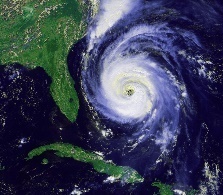
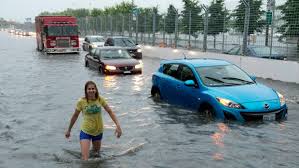
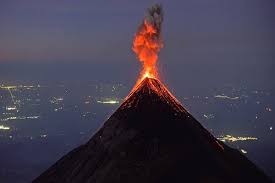
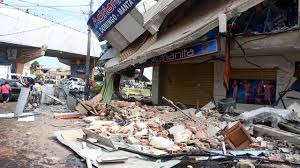
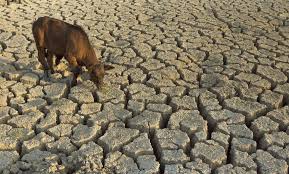
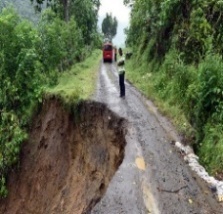
Task 1. Read the text (scanning) Learners read and understand the meaning of the text. Underline the natural disasters and try to explain them with your own words. What’s the worst natural disaster in your opinion? ‘Floods’ are opposite to ‘droughts’. A drought happens when there has been no rain for a long time. The land becomes too dry and it is impossible to grow any plants. A ‘drought’ may result in a famine where there is not enough food for people and they start to starve (die from not eating). A ‘hurricane’ (Atlantic Ocean), ‘typhoon’ (Pacific Ocean) or ‘tropical storm’ (Indian Ocean) is an intense thunderstorm which usually occurs in late summer. They result in strong winds and heavy rain. ‘Volcanic eruptions’ send red hot lava flowing. Lava is a type of liquid rock called magma. ‘Earthquakes’ occur when pressure is suddenly released which causes the ground to move and shake violently. If the earth quakes beneath water then the shock wave which reaches beaches and dry land causes huge waves travelling at high speed called ‘tsunamis’. A ‘landslide’ happens when rocks and earth are water-laden from lots of rain and slide down. 1 2 3
Descriptor: - reads and understands the meaning of the text. - underlines the natural disasters and tries to explain them with their own words. Task 2. Vocabulary Practice. Matching: (I) Learners are offered to practise topical vocabulary, so they do a matching exercise, given on the work-sheet. Differentiation: The task may be differentiated in accordance with learners’ language proficiency: less-experienced learners match words with the pictures (task 1), more-able learners read the information about the disasters and write their names on the lines (task 2). Peer-assessment: Learners are encouraged to exchange their work-sheets and evaluate each other. Teacher should have enough “keys” to give one to each student Keys: Task 1: 1) hurricane, 2) tsunami, 3) explosion, 4) flood, 5) volcanic eruption, 6) drought, 7) earthquake, 8) landslide, 9) lightning, 10) tornado, 11) avalanche, 12) forest fire Task 2: 1) avalanche, 2) flood, 3) volcanic eruption, 4) tsunami, 5) tornado, 6) forest fire, 7) earthquake, 8) drought
Task 3. Speaking Learners make a poster and prepare a speech on natural disasters in Kazakhstan (GW) Some learners may choose to add some additional material from the internet, additional points are given for it. |
text
slide 2
Work-sheet “Vocabulary”
Green apple Yellow apple Red apple
FA |
||||
End 5 minutes
|
Reflection “Here I am!” technique The teacher puts three pictures on the walls around the classroom: the top of the mountain (success), the deserted island (frustration), the cross-roads (hesitation) The learners write their names on the sticky papers and place their stickers on the appropriate picture, expressing spiritual, emotional state. How many types of natural disaster can you name? Which is the worst? What natural disasters are common in your country? Homework: Write essay about Natural disasters. |
|
||||
Additional information |
||||||
Differentiation – how do you plan to give more support? How do you plan to challenge the
more able learners? |
Assessment – how are you planning to check learners’ learning?
|
Health
and safety check
|
||||
Task 1. Read the text (scanning) Task 2. Vocabulary Practice. Matching Task 3. Speaking |
In the first task I will assess my pupils see animals In the second task I will give apples
|
Health saving technologies. Using physical exercises and active activities.
|
||||
Reflection Were the lesson objectives/learning objectives realistic? Did all the learners achieve thelesson objectives/ learning objectives? If not, why? Did my planned differentiation work well? Did I stick to timings? What changes did I make from my plan and why |
Use the space below to reflect on your lesson. Answer the most relevant questions from the box on the left about your lesson. |
|||||
|
||||||
Summary evaluation What two things went really well (consider both teaching and learning)? 1: 2: What two things would have improved the lesson (consider both teaching and learning)? 1: 2: What have I learned from this lesson about the class orindividuals that will inform my next lesson?
|
||||||


Speaking
Learners make a poster and prepare a speech on natural disasters in Kazakhstan (GW)
Some learners may choose to add some additional material from the internet, additional points are given for it.
Before learners start preparing their posters teacher introduces assessment criteria and discusses them with learners.
Assessment Criteria
Poster
Reflection “Here I am!” technique
The teacher puts three pictures on the walls around the classroom: the top of the mountain (success), the deserted island (frustration), the cross-roads (hesitation)
The learners write their names on the sticky papers and place their stickers on the appropriate picture, expressing spiritual, emotional state.
Vocabulary Practice. Matching:
(I) Learners are offered to practise topical vocabulary, so they do a matching exercise, given on the work-sheet.
Differentiation: The task may be differentiated in accordance with learners’ language proficiency: less-experienced learners match words with the pictures (task 1), more-able learners read the information about the disasters and write their names on the lines (task 2).
Peer-assessment: Learners are encouraged to exchange their work-sheets and evaluate each other. Teacher should have enough “keys” to give one to each student
Keys:
Task 1: 1) hurricane, 2) tsunami, 3) explosion, 4) flood, 5) volcanic eruption, 6) drought, 7) earthquake, 8) landslide, 9) lightning, 10) tornado, 11) avalanche, 12) forest fire
Task 2: 1) avalanche, 2) flood, 3) volcanic eruption, 4) tsunami, 5) tornado, 6) forest fire, 7) earthquake, 8) drought
Appendix 1
Vocabulary
Task 1

Appendix 2







 Бұл курс Қазақстан Республикасы Оқу-ағарту министрлігімен келісілген