
 ЖИ көмекші


 Қауіпсіз төлем

жүктеу мүмкіндігіне ие боласыз
Бұл материал сайт қолданушысы жариялаған. Материалдың ішінде жазылған барлық ақпаратқа жауапкершілікті жариялаған қолданушы жауап береді. Ұстаз тілегі тек ақпаратты таратуға қолдау көрсетеді. Егер материал сіздің авторлық құқығыңызды бұзған болса немесе басқа да себептермен сайттан өшіру керек деп ойласаңыз осында жазыңыз
 09 Қазан 2026
 125

1 жыл бойы шексіз жүктеңіз
Авторлық бағдарлама "Speaking Club" 7 сынып оқушыларына арналған
«Бәйтерек ауданының білім беру бөлімі
Қасым Аманжолов атындағы жалпы орта білім беретін мектебі» КММ
«SPEAKING CLUB»
7 сынып оқушыларына арналған
авторлық бағдарлама

Дайындаған ағылшын тілі
пәнінің мұғалімдері:
Хайруллина З. Н.
Нүркенова А. Т.
2020 - 2021 оқу жылы
«Бәйтерек ауданының білім беру бөлімі әдістемелік кабинетінің
сарапшылық кеңесінде қаралып, аудан педагогтарына таратуға, берілді.
Құрастырған: Ағылшын тілі пәнінің мұғалімдері педагог-сарапшы ХайруллинаЗ.Н. және педагог –модератор Нүркенова А. Т.
Пікір жазушы:
Р. Т. Тасанова - Жоғары санатты ағылшын тілі пәнінің мұғалімі , педагог-зерттеуші
Г. С. Хайруллина - І санатты ағылшын тілі пәнінің мұғалімі, падагог –сарапшы
Қаралды:
1. «Бәйтерек ауданының білім беру бөліміҚасым Аманжолов атындағы жалпы орта білім беретін мектебі» КММ –нің әдістемелік кеңесінің 4.09.2020 жылғы № 1 отырысында қаралды
Ұсынылып отырған авторлық бағдарлама жалпы орта білім беретін мектептің
7-сыныптарына арналған. Ағылшын тілін оқытуда сөйлеу біліктілігін арттыру мақсатында ұйымдастырудың формалары мен тәсілдері және күнтізбелік – тақырыптық жоспарлары берілген. Бұл жинақ мұғалімдер үшін әдістемелік көмек ретінде жасалып, ұсынылып отыр.
«Бәйтерек ауданының білім беру бөлімі
Қасым Аманжолов атындағы жалпы орта білім беретін мектебі» коммуналдық мемлекеттік мекемесінің ағылшын тілі пән мұғалімдері
Хайруллина Зульфия Нурболатқызы мен Нүркенова Айгерім Тлекқызының
7-сыныпқа арналған «Speaking Club» атты авторлық бағдарламасына
ПІКІР
Адамның бойындағы қабілетті жетілдіру, оның өшуіне жол бермеу, яғни, ол адамның рухани күшін нығайту – өзін-өзі танып білу деген сөз. Қазақстан Республикасының орта білімді жетілдіру Концепциясында айтылғандай, «Қабілеттілік – білімге ең қажетті мақсат».
Оқушылардың өзара жеке тұлғалық қарым-қатынастарын қалыптастыруда шығармашылық дағдыларын жетілдіруде аянбай еңбек етіп жатқан ағылшын тілі пән мұғалімдері Зульфия Нурболатоқызы мен Айгерім Тлекқызы.
Хайруллина Зульфия Нурболатовна мен Нүркенова Айгерім Тлекқызының 7 сыныптарға арналған «Speaking Club» үйірмесіне арналған авторлық бағдарламасының құрылымы, мазмұны жағынан оқушылар деңгейіне сай құрылған.
Мұғалімдердің ағылшын тілін үйретудегі басты мақсаты – сөйлеу біліктілігін арттыруда оқушы қабілетінің жеке дамуы, шығармашылық ойлау қабілетін дамыту және рухани ішкі дүниесін тәрбиелеу. Ол үшін әр түрлі тілдік қызмет формасын таңдаған. Олар : диалог,сараптама-әңгімелеу, пікір айту, өз ойымен бөлісу.
Қорыта келе, оқушылардың ағылшын тілін меңгертуде қабілеттерін дамытып, шет тілінде оңай жеткізуге, ұйымшылдық қабілетін оятып, ынтымақтастыққа тәрбиелеуде бұл бағдарламаның септігі тиетініне сенемін.
Ұсыныс : Ұстаздардың «Speaking club» бағдарламасы әдістемелік бірлестік отырысында талқыланды. Бірлестік мүшелерінің ұсынысымен келісемін және аудандық білім бөлімінің сараптама кеңесінің отырысында қарастыруға жіберуге ұсыныс жасаймын.
Пікір беруші:
Жоғары санатты, педагог-зерттеуші , ағылшын тілі пәнінің мұғалімі
Р.Т.Тасанова
Кіріспе
«Қазақстан бүкіл әлемдегі халқы үш тілді пайдаланатын, мәдениетті елі ретінде танылуға тиіс. Бұлар: қазақ тілі - мемлекеттік тіл, орыс тілі - ұлтаралық қатынас тілі, ағылшын тілі - жаhандық экономикаға
ойдағыдай
кіру тілі».
Н. Ә. Назарбаев
Еліміздің үздік білім беру дәстүрлерін сақтау және оқушыларды халықаралық біліктілік талаптарымен қамтамасыз ету, олардың лингвистикалық, коммуникативтік санасын дамыту болып табылады, оның негізін – ана тілін, мемлекетті және шет тілдерін меңгеру құрайды. Біздің мемлекетіміз үшін көптілділік – бұл уақыт талабы. Себебі ағылшын тілі – әлемнің тілі. Бұл тіл қазақты дүниеге танытатын, әлемдік деңгейге шығаратын тіл. Еліміздің шет елдермен қарым - қатынасымыз күшейіп отырған қазіргі заманда оқушылардың шет тіліне қызығуын, білімге құштарлығын ояту, танымдық белсенділігін сөйлеу арқылы арттыру басты міндет. Ағылшын тілінде сөйлеудің артықшылығы әрбір балаға шет ел мәдениетіне қызғушылығының артуына, өз ойын еркін кедергісіз айтуына, дұрыс нақты түсінуіне оң әсер ететіндігі, содан соң тілдік қабілетін арттыруға мүмкіндік беретіндігінде.
Түсінік хат
Халықаралық қатынастардың кеңеюі, біздің мемлекетіміздің әлемдік қауымдастыққа кіруі шет тілі шынымен де талап етілетін мемлекетке айналдырды. Шет тілдерін оқытудың негізгі мақсаты - коммуникативтік , яғни сөйлеу дағдыларды қалыптастыру. Бұл бағдарлама ағылшын тілін үйренудегі міндетті талаптарды қанағаттандырады, қосымша оқу материалын ұсынады, ол мектептің оқу бағдарламасының материалын жақсы түсінуге және сабаққа жақсы дайындалуға мүмкіндік береді. Бағдарламаның мазмұны түрлі жанрдағы мәтіндердің мазмұнын түсіну дағдыларын меңгеруге, әдеттегі қарым-қатынас жағдайында диалог жүргізуге, қарапайым түп нұсқа мәтіндердің негізгі мазмұнын тыңдауға және өзіңіз үшін маңызды ақпаратты білуге көмектеседі. Ағылшын тілінің курсы сізге ағылшын тілінің қажетті лексикалық минимумын меңгеруге мүмкіндік береді.
Бағдарламада 7 сынып оқушыларына арналған. Бағдарламада оқушының танымдық қабілетін дамытатын, оқу материалының дидактикалық мақсаты мен оның меңгерілу сатыларына қарай мазмұны мен құрылымына сәйкес келетін тапсырмалар таңдап алынды. Оқушылардың ауызекі сөйлеу қабілетін арттыру, сөздік қорын дамытуға тапсырмалар негізделген.
Бағдарлама мақсаты:
- оқушының сөздік қорын дамыту арқылы байланыстыра сөйлеуге үйрету.
- тілдерін дамыту арқылы көркем шығармаларды оқып, талдай білуге үйрету.
- таным көкжиегін кеңейту арқылы сапалы білімге қол жеткізу.
- ауызша және жазбаша сөйлеу тілдерін, сөйлеу мәдениеттерін қалыптастыру.
- ізденімпаздыққа, еңбексүйгіштікке, шығармашылыққа баулу.
- баланың шығармашылық қабілетін дамыту, интеллектуалдық деңгейін көтеру.
Бағдарлама міндеттері:
Дүниеге дұрыс көзқарас қалыптастыру.
Оқушының оқу дағдысын қалыптастыру және жетілдіру.
Ағылшын елінің шығармаларын оқуға деген қызығушылықтарын ояту.
Ауызекі және жазбаша тілді байланыстыра отырып,сөйлеуін ( ойын еркін жеткізу,сауатты да мағыналы, түсінікті жаза білу) дамыту.
Шығармашылық белсенділік пен суреткерлік қиялын жетілдіру.
Бағдарлама пәнаралық байланыс негізінде: қазақ тілі және орыс тілі пәндерімен байланыстырылады.
Бағдарламаны жүзеге асыру ұзақтығы: 34 сағатқа, аптасына 1сағаттан есептелінді.
Бағдарлама өзектілігі:Оқушыларды тіл заңдылықтарын қолдана білуге, ауызекі және жазбаша сөйлеу біліктіліктерін тиімді меңгеруге үйретеді. Ағылшын тілінде сөйлеу өнерін игеруге талпындырады, оқушының ойлау қабілеті мен дүниетанымын
кеңейтіп,
шет елдермен қарым-қатынас кезінде
өздерін еркін ұстауға үйретеді.Оқушыны
жан-жақты жетілген,өз бетімен әрекет
ете алатын,
шығармашыл-ізденімпаз тұлға болып
қалыптасуына
жағдай жасайды.
Бағдарлама жаңалығы:
«Speaking club» бағдарламасы негізінде оқушылар ұғымдарды, жаңа тіркестерді, сөздерді дұрыс қолдану арқылы өмірде өзі үшін пайдалануды үйренеді.
Тіл дамыту жұмыстарын жүргізу арқылы баланың өзін қоршаған ортасы, басынан өтіп жатқан оқиғалар, өз бетімен бақылау арқылы жинаған білімін оқу материалымен ұштастыруға, тіл мәдениетінің сөлеу мәдениетінің дұрыс қалыптасуына,ойлау үрдісін дамуына да септігін тигізеді.
Күтілетін нәтиже:
1. Оқушы өз ойын айтуға диалогтық және монологтық қабілеттерін дамытуға
2. Сұрақ-диалог, монологтық баяндай білуге: өзім туралы, отбасы, достық, жұсым, орындар мен мекемелер, ауа райы, үстелде отыру әдебі туралы сипаттама беруге және күнделікті күн тәртібіндегі іс-әрекеттерді айта отырып, толық ақпарат беруге .
3.Шет тіліндегі мәтінге бағыт беру: оның мазмұнын тақырып бойынша алдын ала болжай білуге;
4. Қарапайым мәтіндерді негізгі мазмұнын түсіне білуге және мәтін тақырыбын анықтай білуге
5.Мәтінді тыңдау арқылы мағынасын түсініп,мәтінге сай тпсырмалар орындай білуге дағдыланады.
Ағылшын тілі пәні бойынша оқу-тақырыптық жоспар:
№ |
Тақырыбы: |
Сағат саны |
Күні |
1 |
About myself |
1 |
|
2 |
Morning routine |
1 |
|
3 |
Public transport |
1 |
|
4 |
At a supermarket |
1 |
|
5 |
Accidents at home |
1 |
|
6 |
At the department store |
2 |
|
7 |
Beauty Salon |
1 |
|
8 |
Work |
2 |
|
9 |
At the University |
1 |
|
10 |
At a hotel |
1 |
|
11 |
Bad habits |
1 |
|
12 |
At a hospital |
1 |
|
13 |
At the airport |
1 |
|
14 |
Friends |
1 |
|
15 |
House Cleaning |
1 |
|
16 |
Table manners |
1 |
|
17 |
My room |
1 |
|
18 |
Why do you learn English? |
1 |
|
19 |
My city |
1 |
|
20 |
Family problems |
1 |
|
21 |
Weather |
1 |
|
22 |
Sport |
1 |
|
23 |
Animals are in danger |
2 |
|
24 |
Internet. for and against |
1 |
|
25 |
Hobby |
1 |
|
26 |
Fashion |
1 |
|
27 |
At the theatre/ cinema |
2 |
|
28 |
Generation gap |
1 |
|
29 |
Travelling |
1 |
|
30 |
In the army |
1 |
|
|
Барлығы |
34 |
|
Lesson 1
The theme: About myself.
The aims of lesson: recognise with support simple greetings recognise the spoken form of a limited range of basic and everyday classroom words, make basic personal statements and simple statements about objects
The plan of lesson
Introducton
II. New phrases and words:
1. to introduce – таныстыру
2. a mother tongue – ана тіл
3. to be married/ to be single – үйленген/тұрмыста болу
4. to be on friendly terms with – біреумен дос болу;
5. to get along well with – жақсы қарым-қатынаста болу
6. to have a good sense of humor – қалжыңдасу
7. to organize my time wisely – уақытты ақылмен үнемдеу
8. to be fond of – бір нәрсемен айналысуды жақсы көру
9. to take part in – қатысу
10. to spend time - уақыт өткізу
11. to go out – серуендеу
12. to meet new people – жаңа адамдармен танысу
13. tо get to know different cultures- түрлі мәдениеттермен танысу
14. to discover new ways of life – жаңа өмір жолын ашу
15. to visit ancient cities – ескі қалаларға бару
16. to spend time with friends / at the sea – достарымен уақыт өткізу / теңізде
17. to make dreams to come true – армандар орындалады
18. to do one`s best – қолдан келгеннің барлығын жасау
1 9.
to lie in the sun – күнге
қыздырыну
19. to lie in the sun – нежиться на солнце, загорать
Task 1. Read the text and rewrite about yourself
About myself
Hello, I would like to introduce myself. My name is …. I am from …. My native town/city is …. My mother tongue is….. I am…. years old. I am married (single). My family is not large (small).
First ofll, I’d like to say a few words about my character. I am on friendly terms with my parents and I get along well with people. I am a sociable person, very responsible and hardworking. So I’ve a lot of friends and I often go out with them. I have a good sense of humor. Besides, I always organize my time wisely. In my free time I like to study English and watch good films. Moreover, I am fond of taking photos, cooking and doing sport. I take part in different competitions. But sometimes I like to do nothing and just play online games. To be honest most of all I like to spend my time travelling, meeting new people, discovering newways of life, getting to know different cultures, enjoying picturesque places and trying different exotic food. My parents and I have visited many ancient Russian cities. And we also like to spend time at the sea every summer.
Of course, I have a lot of plans and dreams for the future. I try to do my best because I want my dreams to come true. That’s all I can tell you about myself.
Conclusion:
Answer to these questions:
- How do you like to spend your free time? –
I like to go out with my friends or sometimes I like to do nothing and simply relax.
2. - What are you fond of doing? - I am fond of reading books, taking photos and doing sport.
3 - Do you organize your time wisely? - Yes, I always organize my time wisely.
4. - What do you like to do while travelling? - I like meeting new people, discovering new ways of life, trying different exotic food.
5. - Do you like spending time at the sea or in the mountains or with your friends?
- I like to spend time at the sea and do nothing but lie in the sun.
6. - Are you on friendly terms with your relatives? - Yes, we get along well with each other.
7. - Do you like to take photos? - Yes, I always try to take my camera with me.
8. - What do you like to do on holiday? -I like to visit museums and ruins of ancient cities. (руины древних городов)
9. - Do you have plans for future? -Of course, I have plans for the future and I try to do my best to make my dreams come true.
10.- Do you like to play online games? - No, I don`t like playing online games. I prefer to do sports
Feedback
Lesson 2
The theme: Morning routine
The aims of lesson: recognise with support simple greetings recognise the spoken form of a limited range of basic and everyday classroom words, make basic personal statements and simple statements about morning routine
The plan of lesson
Introducton
II. New phrases and words:
1. to set an alarm clock – оятқыш сағатын қою
2. to get up on time – уақытында ояну
3. to get enough sleep – ұйқының қануы
4. to oversleep – ұйықтап қалу
5. to be a morning person – таңмен ерте тұратын адам
6. to be awake by seven o`clock – таңертен 7де тұру
7. to be refreshed – сергек болу
8. to be full of energy – энергияға толы болу
9. to wander around a kitchen – ас бөлмесінде жүру
10. to fight the urge – ынта-жігермен күресу
11. to take a quick shower – душ қабылдау
12. to brush my teeth – тіс тазалау
13. to get dressed – киіну
14. to comb hair – шаш тарау
15. to miss breakfast – таңғы асты ішпей қалу
16. to go to work – жұмысқа бару
18. not to sleep a wink – көз ілмеу
19. to stay up late – түнге дейін отыру
2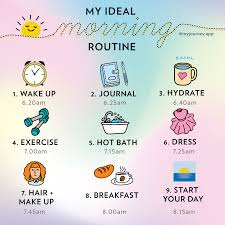 0.
to fall asleep – ұйықтау
Task 1 Read the text and make your own morning routine
Morning routine
I would like to tell you about my usual morning routine. I always go to bed before midnight and that`s why I get enough sleep. Though I am not a morning person, I am always refreshed and full of energy. So I set an alarm clock and I am awake by seven o`clock in the morning. I usually get up on time and take a quick shower, brush my teeth, comb my hair and get dressed. For breakfast I usually have some porridge or an omelet, bread and butter and a cup of coffee with milk. I never do morning exercises because I have no time for that. But once I had hardly slept a wink all night. And oh my God, I overslept! I had to miss breakfast and I was hungry at work all morning until lunch.
But if I stay up late, I will fight the urge to go to bed and fall asleep in the morning.
Conclusion:
Answer to these questions:
1. - What do you have for breakfast? - I have some porridge with toast and a cup of tea.
2. - Do you like to exercise in the morning or evening? Why? - I like to exercise in the evening because I needn`t go anywhere.
3. - How do you go to work or school? - I walk or take a bus if I am late.
4. - What do you do when you take a break at work or school? - I talk to my classmates/ colleagues.
5. - Do you have the same morning routine on the weekends? Why or why not? - No, it is different. I sleep longer and I prefer to do housework.
6. - If you are going to be late for work breakfast? - I will miss breakfast and take a lunch box with me.
7. - Do you get enough sleep? - I sleep eight hours. Yes, I get enough sleep.
8. - Is it important to take breaks? - It is important to take breaks and drink a cup of tea.
9. - Do you like to change your morning routine? - I don`t like to change my morning routine because everything is important.
10.- Do you have a quick shower in the morning? - Yes, If I have not overslept.
Feedback
Lesson 3
The theme: Public transport
The aims of lesson: pronounce basic words and expressions intelligibly, produce words in response to basic prompts, recognise basic intonation distinguishing questions from statements, use them in the speech , recognise short instructions for basic classroom routines spoken slowly and distinctly
The plan of lesson
Introducton
II. New phrases and words:
1. public transport – қоғамдық көлік
2. means of transportation/ transport –көлік құралы
3. to go by – мініп бару
4. advantages and disadvantages – артықшылықтары мен кемшіліктері
5. budget option – бюджеттік вариант
6. to commute – басқа қалаға жұмысқа бару, қала шетіне бару
7. а commuter – күнде жұмысқа барып – келіп жүретін қала маңының тұрғыны
8. a good choice – жақсы таңдау
9. to move around the city – қала ішінде транспортпен жүру
10. to get to their job – жұмысқа жету
11. to get off – автобустан шығу
12. take a bus – автобусқа міну
13. to go the wrong way – сол бағытта жүру
14. to wait for the bus –автобус күту
15. traffic jams –кептеліс
16. transfer – аялдамадан – аялдамаға өту
17. underground/ subway (амер.) /metro - метро
18. to cross the street – перейти улицу; cross the city – көлікпен қаланы қиып өту
19. to depend on the route – көліктің уақытына бағыну
20. to go on foot / walk – жаяу жүру
21. short of time – уақыт жоқ, уақыт аз
T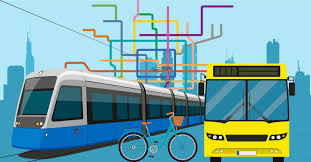 ask
1 Read the text and make your own speech in public transport
Public transport
There are different means of transportation. People can go by car, by train, by bus, by underground, by trolley bus, by tram or on foot. Of course, each transport has its advantages and disadvantages. Some people have to commute every day because they work and live in different cities. Such people are called commuters.
Travelling by bus is a budget option and a good choice if you want to move around the city and see different parts of the city. The majority of people use a bus to get to their job every day. One single journey won`t cost you much. There are many stops all over the city and you can take any bus you need. If you go the wrong way, you can get off and wait for another bus you need. Some people use an electric train. It is the most comfortable and the fastest way to get to their job, without traffic jams. If you have to do a lot of transfers, this kind of transport is suitable for you. In many cities people use underground or another variant subway or just metro, the fastest way to cross the city, but it is uncomfortable because of the crowd.
On the whole, I would like to say that I prefer my own car, because it is more comfortable, you sit in а comfortable salon without the crowd and you do not depend on the route of public transport. Of course, it is too expensive, but I do not think about it.
Talking about environmental pollution, I think that both public transport and your own car pollute it equally. That is why I sometimes go on foot, you can go anywhere you like and it costs nothing. These are the advantages you are short of time or in a hurry, you`d better take a bus or a taxi.
Conclusion: Answer to these questions:
1. - Is it easy to travel around your city? - We have different means of transport in our city.
2. - Do you prefer to drive or be a passenger? Why? - I prefer to be a passenger.
3. - What means of transport do you prefer? - I like to go by car because you don`t depend on the route.
4. - When do you usually have traffic jams in your city? - - We usually have traffic jams at 7 am in the morning and at 6 pm in the evening.
5. - Do you like to go on foot? - Yes, I don`t mind walking.
6. - What do you do when you are short of time? - I take a taxi.
7. - How do you get to your job? - I usually take a bus.
8. - How much does one journey/trip cost in a taxi? - One journey/trip costs
9. - How far is the nearest bus stop from your house? - The nearest bus stop is only 50 meters from my house.
10. - What is the fastest way to get to the job without traffic jams? - I believe it is underground.
Feedback
Lesson 4
The theme: At a supermarket
The aims of lesson: pronounce basic words and expressions intelligibly, produce words in response to basic prompts, recognise basic intonation distinguishing questions from statements, use them in the speech , recognise short instructions for basic classroom routines spoken slowly and distinctly
The plan of lesson
Introducton
II. New phrases and words:
1. frozen food section – мұздатқышта сақталатын тағамдар бөлімі
2. semi-processed goods - полуфабрикаттар
3. a dairy section – сүт өнімдер бөлімі
4. bakery products – нан бөлімі
5. the entrance - кіру
6. pastry - тіскебасарлар
7. a shopping a cart - арба
8. cottage cheese -ірімшік
9. an aisle - жол
10. a shop assistant - сатушы
11. a good discount – жақсы жеңілдіктер
12. to save money – ақшаны үнемдеу
13. to pay for the purchases – сатып алынған заттарға ақша төлеу
14. to go to the cashbox – кассаға бару
15. to stand in a line – кезекте тұру
16. a cashier – кассир
17. a discount card – дисконт картасы
18. to give a change – қалдық ақша беру
19. customers – сатып алушылар
20. to complain to – шағымдану
21. a plastic bag – пакет
T ask
1 Read the text and make your own speech at the supermarket
At a supermarket
I love I love shopping. I like to look around the shops and buy things. There is a very good supermarket near my house. It has got everything you need. There is a frozen food section where you can buy frozen vegetables or semi-processed goods such as meat dumplings, pancakes or cutlets, meatballs. If you need a carton of milk, cheese, yoghurt or kefir — you will find it in the dairy section.
Bakery products are usually far away from the entrance. But fresh bread and pastry smells good.
If I buy a lot of things, I usually use a shopping cart. If I don’t want much, I just take a basket and look for the things I want. Sometimes, I can’t find anything in the aisles or on the shelves and I ask a shop assistant to help me. When I see what I want, I just take it from the shelf and put it into my trolley or a basket.
Sometimes there is a good discount on some goods and you can save your money.
When I have everything I need, I go to the cashbox and stand in a line. To pay for the purchases, I give money or a card to a cashier. The cashier usually asks if I have a discount card and whether I need a plastic bag. The cashier takes my money, puts it into the till and gives me my change. If the customers are not happy with the service or there is something wrong, they can complain to the manager.
I never complain, because our supermarket is super.
Conclusion: Answer to these questions:
1. - Do you like to go to the supermarket? Why or why not? - I don`t like to go to a supermarket because I don`t like to stand in a line.
2. - What things do you like about the supermarket? - There is a big choice of food and you can buy what you want.
3. - What things to you dislike about the supermarket? - It is so crowded and noisy in the evening and you have to stay in a long line too long to pay for your food.
4. - What types of food can you find in the frozen food section? - I can find frozen pancakes, dumplings, meatballs.
5. - What types of food can you find in the dairy section? - I can find milk, yoghurt, cheese, kefir, cottage cheese. (творог)
6. - What types of food can you find in the bakery? - I can find fresh bread, buns, pies. (булочки, пирожки)
7. - Would you like to work in a supermarket? Why or why not? - I think this work is not for me because I don`t like to be out in public. (быть на людях)
8. - If you had five minutes to fill your shopping cart for free, what would you put in it? - I would put chicken, fruit, fish, yoghurt.
9. - Is there a specific day and time you go to the supermarket? If yes, why do you go on that day and time? - I go shopping after work because I have no other time for that.
Feedback
Lesson 5
The theme: Accidents at home
The aims of lesson: pronounce basic words and expressions intelligibly, produce words in response to basic prompts, recognise basic intonation distinguishing questions from statements, use them in the speech , recognise short instructions for basic speech accidents at home
The plan of lesson
Introducton
II. New phrases and words:
1. to feel safe – өзін қауіпсіз сезіну
2. accidents – бақытсыз жағдай
3. complete safety measures – соблюдать меры безопасности
4. call a plumber – құбыр жөндеуші шақыру
6. to connect – қосу, байланысу
7. to cause the least damage – кесір тигізу
8. the main switch – басты сөндіруші, рубильник
9. electrical appliances – электрлік құбырлар
10. service center – сервисті орталық
11. to keep out of reach of children – балаларға қолжетімсіз жерде сақтау
12. expiration date – сақтау мерзімі
13. keep an eye on perishable products – тез бұзылатын тағамдарды бақылау
14. to avoid risks – қауіп – қатерлерден қашу
15. basic first aid – алғашқы көмек
16. a first aid kit – аптечка
17. rescue services / Emergency services – апаттық-құтқару орталығы
18. around the clock – тәуліктік
1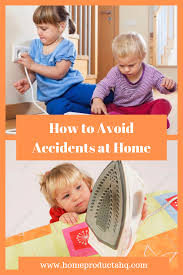 9.
come to the rescue – көмекке
келу
Task 1 Read the text and make your own speech about accidents at home
Accidents at home
When you are at home you feel quite safe. But we all know - accidents happen at home and they can range from minor ones like small cuts or falls to the major ones like fires, gas explosions, poisoning, floods, electrocutions.
But you can prevent accidents, if you complete safety measures. The risks of fire are cigarettes, lighters, candles, matches, unattended irons and frying pans. Always call a plumber if you are in any doubt about your water system. He will help you with a running tap and connect a washing machine or a dishwasher in places where they will cause the least damage if they do leak. The danger from gas is explosion and from electricity is fire. You can get confused and forget how to turn them off at the main switch in a hurry. Moreover, check electrical appliances regularly, follow manufacturers` manuals or take them to a service center. Another risk of accident is poisoning. People or children can be poisoned from medicines, drugs, cleaning fluids and paints. It is important to keep them out of reach of children and check the expiration date of medicine. Keep an eye on perishable products and store them in the fridge to prevent their contamination. If you work on ladders or with electricity try to avoid unnecessary risks and ask for professional help. Learn basic first aid and keep a first aid kit at home.
There are rescue services or emergency services such as ambulance, police, gas service, fire brigade that work around the clock. They always come to the rescue.
Feedback
Lesson 6
The theme: At the department store.
The aims of lesson: pronounce basic words and expressions intelligibly, produce words in response to basic prompts, recognise basic intonation distinguishing questions from statements, use them in the speech , recognise short instructions for basic speech at the department store
The plan of lesson
Introducton
II. New phrases and words:
1. a new outfit - жаңару
2. a wide choice of clothes – киімнің көп таңдауы
3. a new collection – жаңа топтама
4. on sale – сатылым
5. expensive – қымбат
6. to choose - таңдау
7. to try on – киіп, өлшеп қарау
8. a changing room –киініп көру бөлмесі
9. to be out of fashion – модадан алыс болу to be in fashion – модамен болу
10. to match – түспен үйлестіру
11. to loose – кең киім
12. well-cut – жақсы фасон
13. flatter the figure – дене бітімін / фигураны/ көрсету
14. to go with eyes – көзге түсінің үйлесімділігі
15. to paу at the cash desk – кассада ақша төлеу
16. to wrap up – қаптау
17. high-heeled shoes – биік тақадағы аяқ киім
18. footwear / shoe store– аяқ киім дүкені
19. go well together – бір-біріне үйлесімді болу
20. to take back – дүкенге қайыру
Task 1 Read the text and make your own speech in the department store
At the department store.
My friend had invited me to her wedding and I needed a new outfit for such a global event. I decided to go to the nearest department store. We have lots of boutiques there and a wide choice of clothes. When I entered a store a salesgirl asked me whether I need any help. Then she showed me some dresses from a new collection and some items on sale. Of course, new things were more expensive than items with discounts. I chose one dress and a skirt with a blouse. Then I tried clothes on in a changing room. The blouse was out of fashion and it didn`t match the skirt. And a skirt was too loose for me. But the dress was well-cut and flattered the figure and the color went with my eyes.
I paid at the cash desk, the salesgirl wrapped up my purchase. I knew that I had no high-heeled shoes and shoe store was right next to the boutique. I like shoes of German quality. They are hard wearing and comfortable. I decided to buy shoes that went well together with my dress. But if I want to take them back to the shop, I have to do so within the next 15 days.
Conclusion: Answer to these questions:
1.- Do you like to buy new outfits? How often? - Yes, I do it once a month because I am a fashionmonger.
2. - Do you prefer to buy items on sale or from new collections? - I prefer to buy items on sale because I can get a good discount.
3. - Are you into fashion? - Yes, I try to read fashion magazines and watch TV programs about fashion.
4. - Are you a fashionmonger? (модница) - No, I am out of fashion. I wear casual clothes. (
5. - Do you prefer wearing jeans and trousers or dresses and skirts? - I prefer wearing jeans because they are more comfortable for me.
6. - Do you usually pay by card or in cash? - I pay by card because I don`t have to take money and it is safe.
7. - Do you often take your purchases back to a shop? - No, not often.
8. - Where do you prefer to buy clothes? - I buy clothes at a shopping center.
9. - Have you ever bought second-hand clothes? - No, I don`t like second-hand clothes. Some people say that you can find good items there but I never tried.
10.- What did you buy last time? - I bought a T-shirt for my son.
Feedback
Lesson 7
The theme: Beauty Salon
The aims of lesson: pronounce basic words and expressions intelligibly, produce words in response to basic prompts, recognise basic intonation distinguishing questions from statements, use them in the speech , recognise short instructions for basic speech in the Beauty Salon
The plan of lesson
Introducton
II. New phrases and words:
1. have a haircut – шаш қию
2. a hairdresser – парикмахер
3. to fulfil a wish – тілегін орындау
4. to get rid of - құтылу
5. eyelash extensions – кірпік өсіру
6. wash hair – шаш жуу
7. to dye hair – шаш бояу
8. to blow-dry – фенмен кептіру
9. a curling iron – шаш бұйралағыш
10. to add some volume – шашқа көлем беру
11. a flat iron –шашты тегістеу
12. special care – ерекше күтім
13. shorten the back – артынан қысқарырақ
14. shorten the front – алдынан қысқарырақ
15. to highlights – шашты жеңіл түске бояу
16. to lowlights – шашты қою түске бояу
17. hairspray – fixing gel – wax – лак / фиксирующий гель/ воск
18. dandruff - қайызғақ
19. to make sideburns shorter – кекілін қысқарту
20. а fringe – кекіл
21. split ends – бөлінген ұштар
22. spiky hair –қатты шаштар
23. a shaved head – тақыр бас
2 4.
layered haircut – шаш
үлгісі
Task 1 Read the text and make your own speech in beauty salon
Beauty salon
Massage to relax us, manicure and pedicure to make your nails look nice. And you can have nail extensions with gel or acryl if your nails are short. Women can also form eyebrows and paint eyebrows and eyelashes and even make eyelash extensions or permanent make-up.
If you wish to be young and have a fresh face, a cosmetologist or a beautician will help you to fulfill your wish. She can make skin deep cleansing or peeling, face massage, face mask or give botox.
Some women want to get rid of hair on their legs and their armpits. In this case, instead of shaving they use waxing.
Of course, there is a hairdresser at a beauty salon and you can book in advance. Before the hairdresser cuts your hair she normally washes it. When it is cold outside you need to blow dry your hair with a blow dryer. Women with straight hair who want curly hair use curling irons every day. However, if they want to straighten their hair, they use a flat iron. Hairspray keeps all of your hair in place, so that it doesn't get messed up when you move. When women want to change the colour of their hair they dye it. When they make the hair a colour lighter than their original colour they are called highlights, when the colour is darker they are called lowlights. I need a hairdresser now because my hair is unhealthy because of all of the split ends.
The word barber today is used for men who cut hair for other men or sometimes to shave them when they have spiky hair. Men usually ask a hairdresser to shorten the back and the front and make sideburns shorter.
Conclusion:
Answer to these questions:
1. - How do you keep yourself looking good? - I try to keep fit at the gym, have a healthy diet and go to a Beauty salon.
2. - What is the difference between a barbershop and a hair salon? - Barbershops are for Men and Boys. Salons are for Women and Girls.
3. - How often do you cut your hair? - I cut my hair once a month.
4. - Have you ever done waxing? - No, I haven`t. But my friend does it regularly.
5. - How do you understand the statement: beauty demands sacrifice? - As I understand, some services are painful for example: waxing, forming eyebrows or tattoos and it may cost much money, which is why you sacrifice your money and you endure pain.
6. - Do you have dandruff? - I had it last year but I used special care and got rid of it.
7. - Do you dye your hair? - Yes, I dye it when I want to make my hair look brighter.
8. - Do you want to make eyelash extensions? - Yes, I would like to try it.
Feedback
Lesson 8
The theme: Work
The aims of lesson: pronounce basic words and expressions intelligibly, produce words in response to basic prompts, recognise basic intonation distinguishing questions from statements, use them in the speech , recognise short instructions for basic speech in the work
The plan of lesson
Introducton
II. New phrases and words:
1. to earn some money – ақша таьу
2. to keep a family – жанұяны асырау
3. a source of income – кіріс
4. а qualified worker – квалификацикалық жұмыскер
5. highly-experienced – жоғары дәрежелі
6. to graduate from – институт, колледж аяқтау
7. to remain unemployed – жұмыссыз қалу
8. lack knowledge and experience – білім мен тәжірибенің болмауы
9. to write a CV – резюме жазу
10. a job interview – сөйлесу/ собеседование
11. to be unemployed – жұмыссыз болу
12. to lose skills – дағдылардан айырылу
13. to develop abilities – мүмкіндіктерін дамыту
14. to establish in society – қоғамда белгілену
15. full-time job – толық жұмыс күні
16. part-time job – толық емес жұмыс күні
17. to work in shifts – ауысымдық жұмыс
18. to work online – интернетте жұмыс (онлайн)
19. a freelancer – штаттық емес жұмыскер, фрилансер
20. Internet connection – интернетке қосылу
21. a sales manager – сатылым бойынша менеджер
22. on-target earnings – сатушының төлемақысы
23. sales target implementation – сатылым бойынша жоспардың орындалуы
T ask
1 Read the text and make your own speech about work
Work
People go to work because they want to earn some money and to keep their families. Work is a source of income. There are qualified and unskilled workers.
Nowadays, it isn`t easy to find a good job. Many companies look for highly- experienced staff. Young people who graduated from colleges and universities, remain unemployed because they lack knowledge and experience. They must write a CV and prepare for a job interview. If you are unemployed for a long time you start losing your skills. When you do work, you develop your abilities and establish yourself in society. You can have a full-time or part-time job. But people who work at the factories work in shifts. There is a new category of people who work online. They are freelancers. They can work in any part of the world if they have an Internet connection. They don`t spend time going to work because they work at home. Mostly, they work on computers, do paperwork, make videos or update the site. They can choose the most favorable time for work and they are always with their families.
As for me, I am a sales manager. I work from nine to five. I am an office worker and I am “on-target earnings”. It means that I have a basic salary with a commission percentage. Sales target implementation is a must and it is rather stressful.
Nowadays, it isn`t easy to find a good job.
Conclusion:
Answer to these questions:
1. - Do your parents have a job? - What do they do to support the family? – My mother works as a kindergarten teacher and my father works at a factory.
2. - Do you have a full-time or part-time job? - As for me, I work full-time in an office.
3. - Can you write a CV? - Yes, I can write a CV rather well. (Да, я умею писать резюме довольно хорошо)
4. - Have you ever been unemployed? How long? (Вы были когда-нибудь безработным? Как долго?) - Yes, I have been unemployed 2 years ago and a job center (центр занятости) helped me to find a job and I used sites and newspapers as well.
5. - Is it stressful for you to go to a job interview? - I think it is stressful for any person if he goes to a job interview because you will be asked lots of questions and tell about yourself and it is not easy.
6. - Is it difficult for you to work in shifts? (Вам трудно работать посменно?) - Yes, I can`t work in shifts. (Да, я не могу работать посменно)
7. - Do you work inside or outside? - I work inside but my husband works outside. He is a traffic warden.
8. - Do you have to wear a uniform at work? (Вам приходится носить форму на работе?) - No, I wear formal style of clothes.
9. - What do you think about freelancers? Would you like to work as a freelancer? - I know some people who are freelancers. They can work everywhere even if they are on holidays. They have more freedom. Yes, I would like to work as a freelancer to be more independent.
10. - What are your working hours? - I work from 9 am to 6 pm.
Feedback
Lesson 9
The theme: At the University.
The aims of lesson: pronounce basic words and expressions intelligibly, produce words in response to basic prompts, recognise basic intonation distinguishing questions from statements, use them in the speech , recognise short instructions for basic speech at the university
The plan of lesson
Introducton
II. New phrases and words:
1. graduates – түлектер
2. to be a freshman – 1 курс студенті болу
3. to be a sophomore -2 курс студенті болу
4. to enter the university – университетке түсу
5. full-time attendance – толық уақыттық оқу
6. part-time attendance – сырттай оқу
7. tutorials - консультация
8. semester break – семестрлік каникулдар
9. to receive state scholarship – шәкіртақы алу
10. university residence – университеттік жатақхана
11. to pay for studies – ақылы оқу
12. for a good reason – белгілі себеппен
13. to take notes – түртіп алу
14. to do sums – тапсырмалар шешу
15. to do exercises – жаттығулар орындау
16. to take exams – сынақ тапсыру
17. to fail exams – сынақтан құлау
18. to retake exams – сынақты қайта тапсыру
19. to pass exams – сынақты сәтті тапсыру
20. to take a gap year – академиялық жыл алу
21. to sit for final state exams – мемлекеттік сынақ тапсыру
22. to defend a diploma project – дипломдық жұмыс қорғау
23. a graduation ceremony – диплом алу салтанаттық кеші
24. to celebrate your achievements – жетістіктерді тойлау
T ask
1 Read the text and make your own speech at the university
At the university
Most graduates decide to continue their education. They enter the universities, institute, technical schools or colleges to get a future profession. A student who studies the first year is a freshman. And one who studies the second year is a sophomore. They can choose full-time or part-time attendance. It will be a long course – five years of hard and constant studies: lectures, seminars, labs, practical classes, presentations, reports, tutorials and test periods. The academic year lasts for 10 months and there are semester breaks twice a year: in winter and summer. Day time students receive state scholarship and some students are provided with university residences if they come from other towns.
But there are students who have to pay for studies. Students can skip classes but for a good reason. At lectures students listen to a lecturer and take notes, they can ask questions if they have any and discuss some problems. At practical classes they do sums and do exercises, ask and answer the questions. At the end of the term, they have to take exams. If they fail exams, they will retake them until they pass exams. Some of the students decide to take a gap year for some reason. At the end of the study they must sit for final state exams and defend a Diploma project. After that there will be a graduation ceremony. It is an opportunity to celebrate your achievements with the friends, family and teachers.
Conclusion:
Answer to these questions:
1. - Where did you study after school? I studied at the University.
2. - Did you receive a state scholarship? - No, I paid for my studies and it was very expensive.
3. - Did you have full-time or part-time attendance? - I had full-time attendance. You have a real campus life (студенческая жизнь)
4. - Have you ever skipped classes for no reason? - No, I was an exemplary student. (примерный студент)
5. - How did you take exams? - I studied hard to pass them successfully.
6. - Why do students take a gap year? - Some students want to work, go to the army or other family reasons.
7. - Is it difficult for you to do sums? Yes, Maths is not my strong point.
8. - What did you do at lectures? - I listened to a lecturer, took notes and asked questions.
9. - Where did you celebrate your graduation ceremony? - We celebrated in a café together with our teachers and parents.
10.- Do you like your student years? - Though it is hard to study but you have lots of friends.
Feedback
Lesson 10
The theme: At a hotel.
The aims of lesson: pronounce basic words and expressions intelligibly, produce words in response to basic prompts, recognise basic intonation distinguishing questions from statements, use them in the speech , recognise short instructions for basic speech at a hotel
The plan of lesson
Introducton
II. New phrases and words:
1. to stay at a hotel – мейманханада тұрақтану
2. to book a room in advance – алдын ала брондап қою
3. to make a phone call – телефонмен қоңырау шалу
4. time saving – уақыт үнемдеу
5. accommodations – орналастыру шарттары
6. nightmare – қорқыныш
7. to book in person – жеке брондау
8. at the reception – қабылдау бөлімі
9. а receptionist - администратор
10. a single room – бірорындық номер
11. a double room – екіорындық номер
12. to stay in touch with – байланыста болу
13. air conditioner – кондиционер
14. to pay by card – картамен төлеу
15. to carry large amounts of cash – көп мөлшерде қолма – қол ақша ұстау
16. unforeseen expenses – алдын ала ойланбаған
17. to check out – номерді босату
18. date of departure – кету күні
T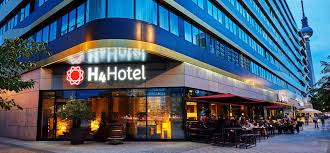 ask
1 Read the text and make your own speech at a hotel
At a hotel
When I have a business trip or just holiday, I usually stay at a hotel. Hotels can have different classes or number of stars. The more stars the hotel has, the more expensive it is and more comfortable for you. It depends on your budget and how much you are ready to spend. I generally book a room in advance or make a phone call to a hotel. It is easier to do it online because it is time saving and you can see the photos of rooms and all the accommodations. And most importantly you won`t have to go from one hotel to another which is a big nightmare after a long journey. But sometimes it isn`t possible and I book in person in a hotel, at the reception. A receptionist welcomes you with a big smile. She gives you the prices of the available rooms and asks for your passport. I always rent a single room because when I am on business trips, I don`t want to have a neighbor in my room.
Three important things should be in my room. The first one is a bath with hot water where I can have a shower after a long trip and it helps me to relax. The second important thing is Wi Fi because I have to stay in touch with the rest of the world, especially my family. The last thing is the air conditioner in the summer, otherwise I will not be able to sleep at night. I always pay by card because it is the most convenient method of payment since you don't have to carry large amounts of cash on you in case of unforeseen expenses. You will need to check out of your room by midday on your date of departure.
Conclusion:
Answer to these questions:
1. - How do you usually book a room at a hotel?
- I usually book a room online.
2. - Do you book a single or a double room?
- I book a double room because I never go on holiday alone.
3. - What does a receptionist ask you to show?
- A passport.
4. - How do you prefer to pay for a room?
- I prefer to pay in cash.
5. - When must you check out of your room?
- I must check out by midday.
6. - Who will help you with any problem in a room?
- You should call a receptionist and she will help.
7. - Why do you prefer to book a hotel online?
- I can compare prices and I can see photos of the rooms.
8. - Do you need Wi Fi at the hotel?
- Sure, I`d like to stay in touch with the rest of the world.
9. - Don`t you mind to have a neighbor in your room?
- I am against. I`d like to relax after a long journey.
10.- Would you like to have a mini fridge in your room?
- Yes, it would be great
Feedback
Lesson 11
The theme: Bad habits
The aims of lesson: pronounce basic words and expressions intelligibly, produce words in response to basic prompts, recognise basic intonation distinguishing questions from statements, use them in the speech , recognise short instructions for telling bad habits
The plan of lesson
Introducton
II. New phrases and words:
1. a habit – әдет
2. to cause health problems – денсаулық ақаулары болу
3. common habit – кең таралған әдет
4. to use drugs – есірткі қолдану
5. to smoke – темекі шегу
6. to drink alcohol – алкоголь сусындарын қолдану
7. to be addicted to – тәуелді болу
8. addictive – әдеттену
9. to quit – тастау, қолданбау
10. to ruin life – өмірді бұзу
11. to cause cancer – рак ауруы
12. to suffer from – азап шегу
13. passive smoking – пассивті темекі шегу
14. pregnant women – аяғы ауыр келіншек
15. drug addicts – наркоман
16. soft drink – алкогольсіз сусын
17. to commit a crime – қылмыс жасау
18. the influence of alcohol – алкогольдің әсері
19. drunk driving – көлікті мас күйінде жүргізу
20. a car accident – автомобильдік апат
2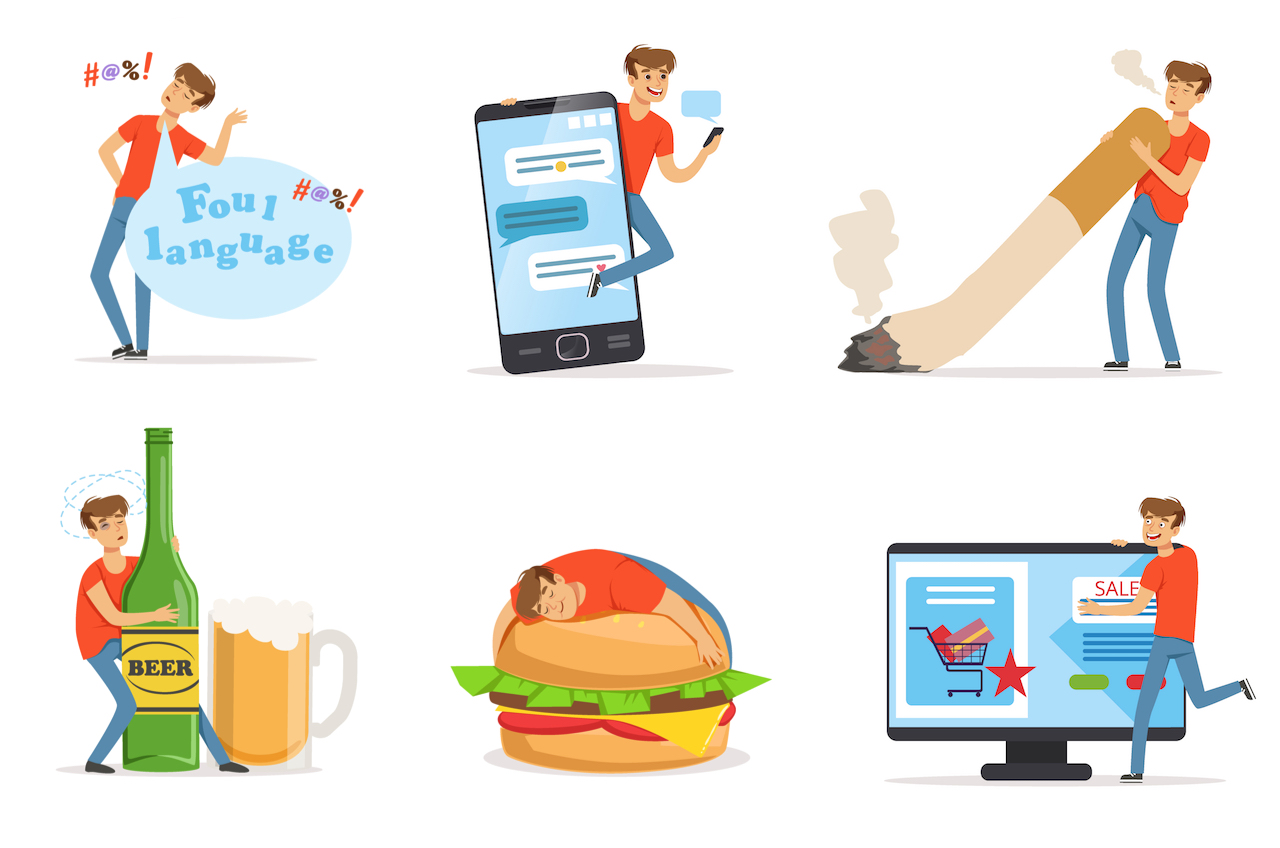 1.
to have impact on – ықпал
ету
22. to break the habit – әдетті тоқтату
Task 1 Read the text and make your own speech about bad habits
Bad habits
We all have habits. Some of them are good, some may be bad. You are lucky if you have only good habits: going to the gym or brushing your teeth after meals, keeping a healthy diet. Unfortunately, a lot of people have bad habits which mainly cause serious health problems. The most common habits are smoking, drinking alcohol and using drugs. They usually may be the result of some stress, boredom or anger. Some teenagers start smoking because they believe that it’s cool. Bad habits are dangerous and expensive. What is more, for many people they are addictive. It means that it’ll be very hard to quit them. Cigarettes, alcohol and drugs can ruin life. For example, smoking damages lungs, teeth and causes cancer. Smokers also suffer from heart diseases andstrokes. Passive smoking is very harmful to surrounding people as well, especially for children and pregnant women. As for drinking alcohol, it can ruin your liver and kidney. Besides, drunk people and drug addicts become aggressive and violent. They can easily commit a crime under the influence of alcohol or drugs. Drunk driving is the main reason for car accident deaths in our world. Most bad habits have a great impact on people’s social life and their jobs.
The hardest thing to do is breaking the bad habit. So it’s better not to start or try them at all. That’s why we should have only good and healthy habits. We can have a better life without cigarettes and drugs.
Conclusion:
Answer to these questions:
- Have you ever smoked? –
I tried once but I didn`t like it at all.
2. - Do you have serious health problems?
-No, I go to the gym and have a healthy diet.
3. - Why are bad habits addictive?
- They have an influence on your brain.
4. - Are you a passive smoker?
- Nobody smokes in my family.
5. - Does a smoker have health problems?
- He has bad teeth, lungs. He may have heart disease, strokes and cancer.
6. - Does a drug addict have health problems?
- He may have a liver cancer.
7. - Why does he smoke?
- He thinks that it is cool.
8. - Is beer a soft drink?
- No, it contains alcohol. There is even beer-based alcoholism.
9. - How long has he been smoking?
- He has been smoking for 10 years. He must quit smoking but he can`t.
10.- Are you addicted to anything?
- Yes, I am addicted to chocolate and sweet things.
Feedback
Lesson 12
The theme: At a hospital
The aims of lesson: pronounce basic words and expressions intelligibly, produce words in response to basic prompts, recognise basic intonation distinguishing questions from statements, use them in the speech , recognise short instructions for speech at a hospital
The plan of lesson
Introducton
II. New phrases and words:
1. to have a flu – тұмаурату
2. at the receptionist`s desk – регистратурада
3. to have a stomachache – іш ауруы
4. to have a sore throat – тамақ ауры
5. to have a backache – бел ауры
6. to make an appointment – дәрігерге жазылу
7. a physician – терапевт
8. an outpatient department – поликлиника
9. a medical record – медкарта
10. a health insurance certificate – медициналық сақтандыру полисі
11. to listen to complaints – шағымдарды тыңдау
12. to examine carefully – мұқият тексерістен өткізу
13. to take a temperature – дене қызуын тексеру
14. to feel one`s pulse – пульс тыңдау
15. to take blood pressure – қан қысымын өлшеу
16. to undergo tests – анализ тапсыру
17. to make a diagnosis – диагноз қою
18. to write out a prescription –рецепт жазып беру
19. to write out a sick-leave – еңбекке жарамсыздық қағазын беру
20. to prescribe me a diet – диета жазып беру
21. to stay in bed – төсек режимін сақтау
22. to write out a pass – жолдау жазып беру
23. to be admitted to hospital – ауруханаға жату
24. to have complications – асұыну
25. a hospital ward – ауруханалық палата
26. to do a full work-up – толық тексерістен өту
Task 1 Read the text and make your own speech at hospital
At a hospital
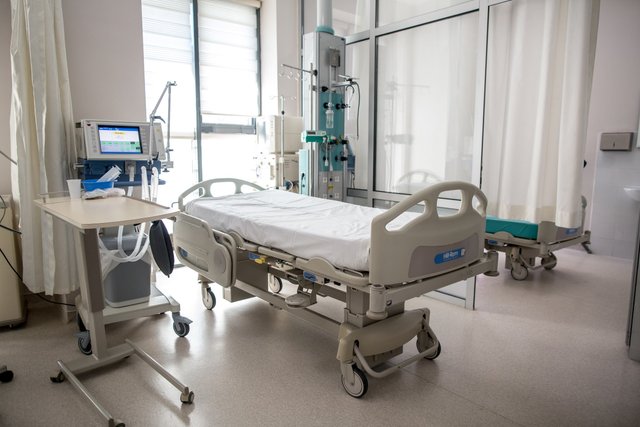
When a person has a flu, a cold, a stomachache, an earache, a sore throat, a backache or a headache, he makes an appointment with a physician and goes to an outpatient department. There he takes a medical record and shows his health insurance certificate at the receptionist`s desk. A doctor listens to his complaints. She examines him carefully. And she takes his temperature, feels his pulse and takes his blood pressure. A patient will undergo tests and after that the doctor will make a diagnosis and write out a prescription and prescribe him a diet or tells him to stay in bed and drink much. Besides, a doctor can write him out a sick-leave. But in some cases a doctor can write him out a pass to be admitted to the hospital if he has complications. There he will stay in a hospital ward and do a full work-up: an X-ray, an electrocardiogram, an ultrasonography, MRI. After that a doctor may decide to make an operation in an operation room. When a patient is in an operation room, he will have get an intravenous infusion drip. After an operation he will get better soon. And he will be discharged from the hospital after a while.
Conclusion:
Answer to these questions:
1. - How often do you go to an outpatient department? - When I have a cold, I make an appointment with a physician.
2. - Where do you hold your medical record? - I hold it at a reception desk.
3. - How often does your granny take blood pressure? - She takes it every day.
4. - When did you do a full work-up? - I did it last year.
5. - How long does a patient stay at a hospital? - He usually stays 8 days.
6. - Can a doctor make a diagnosis without tests? - I think it is possible if an illness is ordinary. 7. - Do you usually need a sick-leave? - Yes, I need one for my boss.
8. - What do you do when you have a cold? - I stay in bed, take pills and drink much.
9. - Have you ever had an intravenous infusion drip? - Yes, I had one when I was at a hospital.
10. - Were you alone in a hospital ward? - No, there were two other patients.
Feedback
Lesson 13
The theme: At the airport.
The aims of lesson: pronounce basic words and expressions intelligibly, produce words in response to basic prompts, recognise basic intonation distinguishing questions from statements, use them in the speech , recognise short instructions for speech at the airport
The plan of lesson
Introducton
II. New phrases and words:
1. a plane crash – ұшақ апаты
2. fear of flying – ұшуға қорқу
3. to declare - жариялау
4. to compare prices – бағаны салыстыру
5. to arrive beforehand – алдын ала келу
6. to miss the flight –рейске кешігу
7. a check-in counter – қабылдау бөлімі
8. check-in my luggage – жүкті тіркеу
9. extra luggage – артық жүк
10. a boarding pass – отырғызу талоны
11. a conveyor belt – жүк лентасы
12. a security check point – бақылау тексеру бөлімі
13. hand luggage – қол жүгі
14. a security guard – қауіпсіздік офицері
15. an X-ray scanner – багажды скринингтік рентген аппараты
16. a waiting area – күту зонасы
17. Duty free shops – бажсыз дүкен
18. boarding time – қону уақыты
19. gate number – отырғызу қақпа нөмері
20. a stewardess – стюардесса
21. to sit by the window – терезе қасына отыру
22. to take off – ұшу
23. to fasten your seat-belt – қауіпсіздік белдігін байлау
24. to serve food and drinks – сусын мен тағам беру
25. the place of destination – белгіленген жер
26. to take a taxi – такси ұстау
T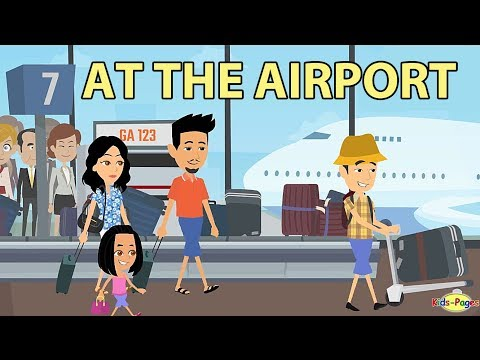 ask
1 Read the text and make your own speech at the airport
At the airport
The plane is one of the safest means of transport but still lots of people are afraid of flights because of plane crashes. I have little fear of flying. When I travel I book tickets in advance online. I can compare prices between different airlines and choose the cheapest one. I pay for a ticket online using my credit card. It is very important to arrive at the airport beforehand, otherwise you will miss your flight.
When I arrive at the airport I go to a check-in counter where I show my passport and check-in my luggage. If you have extra luggage you will have to pay for it. I will take my boarding pass, put my luggage on a conveyor belt and go to a security checkpoint with my hand luggage. A security guard will check me with metal detector. And my handbag will be examined with an X-ray screener. After that I will go to a waiting area. There are Duty-free shops where you can buy import goods without tax. When it comes to boarding time, you will hear an announcement about the gate number of your flight. A stewardess will meet you with a smile, check your boarding pass and show your seat in a plane. I like to sit by the window and enjoy clouds and sunlight. When the plane takes off, I am so scared because the plane starts to shake. You will be asked to fasten your seat-belt. During the flight, the stewardesses can serve food and drinks.
When the plane is approaching to the place of destination, the pilot announces that on the microphone. At the terminal I wait for my luggage and go out of the airport to take a taxi.
Conclusion:
Answer to these questions:
1. - How many bags are you checking? - We have two bags.
2. - Would you like a window or an aisle seat? - I’d like a window seat so I can see the takeoff and landing. (Я бы хотел место у окна, чтобы видеть взлёт и посадку)
3. - What’s the charge tor excess luggage? - The charge for the overweight luggage is 6$ per kilo.
4. - Where’s the check-in counter for American Airlines? - It is over there.
5. - Is there a shuttle bus that goes between terminals? - Yes, it goes every 15 minutes.
6. - How much time before my flight should I check in? - You should check in before two and a half hours.
7. - Is my flight on time? No, it is delayed.
8. - When is the next flight to Moscow? It will be in 6 hours.
9. - How long does it take to make a connection? (пересадка) - It will take four hours.
10. - Can I check my luggage all the way through? - Of course, you can.
Feedback
Lesson 14
The theme: Friends
The aims of lesson: pronounce basic words and expressions intelligibly, produce words in response to basic prompts, recognise basic intonation distinguishing questions from statements, use them in the speech , recognise short instructions for speech about friends
The plan of lesson
Introducton
II. New phrases and words:
1. a true friend –нағыз дос
2. to betray – сатып кету
3. to enjoy someone’s company – қоғамнан ляззат алу
4. to drift apart – алыстау
5. to get on really well – келісу
6. to do the same things – бірдей заттар жасау
7. to have a lot in common – ортақ болу
8. to fall out with – ұрыссу, жаман қарым – қатынаста болу
9. to go back years – көп жыл бұрын
10. to be close to – жақын болу
11. to have ups and downs – сәттілік пен сәтсіздікке ұшырау
12. to keep in touch with – біреумен байланыста болу
13. to give advice – кеңес беру
14. to share things with – бөлісу
15. to lose touch with – біреумен қарым – қатынас үзу
16. to strike up a relationship – дос бола бастау
17. to support – қолдау
18. to be well matched – бірімен үйлесу
19. to feel alone – жалғызсырау
T ask
1 Read the text and make your own speech about your friends
Friends
Friendship is one of the most valuable relationships. Having a true friend is like having a brother or a sister. A true friend is the one you can have ups and downs with. The one that you are well matched and keep in touch with him even though you have drifted apart from each other. He will never betray you.
As for me I have some true friends and we meet up most weekends and we all get on really well and have a lot in common. So we’re always happy doing the same things and going to the same places. I think we enjoy each other’s company. We rarely fall out with each other. I struck up a relationship at college with one of my best friends. And friendship with my second friend goes back years to when we were at school. My friends are close to me in an emotional way. If I had a problem I’d go to my friends, they would be able to help me or give me advice. We are almost like a family.
I can share my thoughts and feelings with them, not just activities and events. Sometimes we help each other in a bad situation or simply just be there to support. Nobody likes feeling alone so having friends is very important for most people.
Conclusion:
Answer to these questions:
1. - Do you see your friends very often? - Yes, I see my friends often.
2. - What do you like about your close friends? - I think we enjoy each other’s company.
3. - Have you known each other long? - Our friendship go back years to when we were at school.
4. - What is the difference between neighbors and friends? - Neighbors live close to you physically and friends are close to you in an emotional way. (Соседи живут рядом физически, а друзья, которые тебе близки в эмоциональном плане)
5. - If you had a problem, would you go to your friends or family? Why? - If I had a problem I’d go to my friends, they would be able to help me or give me advice.
6. - Who has a great influence on you? - I would say my best friend.
7. - What is the importance of friends? - You can share things with them, not just activities and events, but you can share your thoughts and feelings with them.
8. - Would you like to have a few very good friends or a lot of casual friends? - Actually, I don’t have a lot of friends but I have a few really good, close friends that I spend time with. We are almost like family.
9. - Do you feel alone? (Ты чувствуешь себя одиноко?) - No, I have my true friend and we often spend time together.
10.- What do you do together? - We go for a walk, watch good films and even go on holiday.
Feedback
Lesson 15
The theme: House Cleaning
The aims of lesson: pronounce basic words and expressions intelligibly, produce words in response to basic prompts, recognise basic intonation distinguishing questions from statements, use them in the speech , recognise short instructions for speech about House Cleaning
The plan of lesson
Introducton
II. New phrases and words:
1. time consuming – көп уақыт алу
2. don`t mind Ving – қарсыласпау
3. to hate to do smth – жек көру
4. to wash the floor – еден жуу
5. to iron the clothes – киім үтектеу
6. to wash the dishes – ыдыс жуу
7. to take out the rubbish – қоқыс шығару
8. to make a bed – төсек жинау
9. to wash up the dishes – ыдыс жуу
10. to wash the linen – кір ждуу
11. to do the shopping – дүкен аралау
12. to tidy the room – бөлме жинау
13. to water the flowers – гүлге су құю
14. to dust the furniture – жиһаз сүрту
15. to vacuum the carpet – кілем тазалау
16. to clean the bathroom – жуынатын бөлмені тазалау
17. to wash a car – машина жуу
18. to sweep the floor – еден жуу
19. to clean gas stove top – газ плита тазалау
20. a detergent – ыдыс жүатын нәрсе
21. deep cleaning – үй тазалау
22. changes bed sheets- төсек орынды ауыстыру
23. to wash tiles –кафель жуу
24. to dust the chandeliers – шам ілгіштерді сүрту
25. to sort out clothes – киімдерді бөлу
T ask
1 Read the text and make your own speech about your House
cleaning works
House Cleaning
Most men avoid cleaning the house. It is so boring and time consuming. I hate doing household jobs too. I don`t mind cooking and washing the floor with a mop when it is dirty but I don`t like ironing the clothes and washing the dishes. And I hate tidying my room and taking out the rubbish. But my mother makes me do it! She is so tired after work. Some things must be done every day, others need to be done once or twice a week. Every day we all make our beds, wash up, cook food, clean the shoes, do the shopping and tidy the rooms in the evening.
Once or twice a week my mother washes the linen in a washing machine, waters the flowers, dusts the furniture, vacuums the carpet with a vacuum cleaner and cleans the bathroom. My father washes his car and sweeps the floor in the garage and cleans the fish tank once a week. It is important to clean a gas stove top, a sink, a toilet regularlywith a detergent. Sometimes my mother does deep cleaning. She changes bed sheets, washes the windows and tiles in the bathroom and dusts the chandeliers and sorts out clothes in the wardrobes. Of course, we are busy all day but after that our house shines.
Conclusion:
Answer to these questions:
1. - When do you clean your house? - I clean my house on Saturdays.
2. - Do you like washing the floor? - No, I hate washing the floor.
3. - Do you iron the bed sheets? - Yes, we iron the bed sheets and it is time consuming.
4. - Who washes the linen in your family? - My mother washes the linen in a washing machine.
5. - When does your father usually wash his car? - My father usually does it once a month.
6. - Do you help your mother to wash the tiles in the bathroom? - I wash the tiles but not often.
7. - Who vacuums the carpet in your family? - My brother always vacuums the carpet.
8. - When do you usually do a deep cleaning? - We do a deep cleaning once a month.
9. - Do you like to sort out clothes in your wardrobe? - I don`t mind sorting out my clothes.
10.- Do you wash the dishes after every meal? - Of course, I try to wash the dishes after meal.
Feedback
16. Theme: Table manner
Aim of lesson:
Describe good table etiquette
Create a skit demonstrating good table etiquette
Visual aids: posters, words, pictures
Plan of lesson:
Introduction to the plot.
T:
Good afternoon, dear girls and boys.
Good afternoon our guests.
I am very glad to see you.
How are you, children?
CI: Fine,
thank you
T: Ok. Then we'll begin our lesson. The theme of the lesson is Table Manners.
II. Warming up.
1. T: Table Manners are very important if you eat in a restaurant or at home. I want you to see a fragment from the film and say if the film star really has a problem.
T: And you? Do you know any table manners?
P1: You should sit straight at the table.
P2: Elbows close to your sides.
P3: The fork goes on the left. ... ...
Vocabulary, phrases:
1. to follow the rules – ережеге бағыну
2. cutlery – үстел құрылғылары
3. social background – әлеуметтік жағдай
4. to differ from – ерекшелену
5. elbows - шынтақ
6. take small bites – кішкене бөліктерін алу
7. to participate in the conversation – әңгімелесуге қатысу
8. mouth full – аузына толтырып алу
9. to reach over – арқылы тартылу
10. to pass – беріп жіберу, өткізу
11. to take a medicine – дәрі қабылдау
12. to put on makeup – бояну
13. to go to the restroom – жуынаиын бөлмеге бару
14. to pick teeth – тіс шұқу
15. to comb hair – шаш тарау
16. to go to the restroom – дәретханаға бару
17. to overload a plate – тарелкаға толтыра құю
18. to be hungry – аш болу
19. a second helping – қоспа
20. to chew with open mouth – ауызын ашып шәйнау
21. to swallow – жұту
III. Reading text

Table manners
Table manners are the rules that any person must follow whether he is eating at a restaurant, in a café or at home with friends and family. The way we eat and what we do at the table speaks about our educational and social background. They also include the appropriate use of cutlery. Table manners may differ from culture to culture.
While eating use a fork, a spoon or a knife. Don’t put your elbows on the table while eating. Take small bites and it will be easier for you to participate in the conversation and avoid talking with your mouth full. Keep the right posture at the table. Your back must be straight and not curved. It is impolite to reach over someone to pick up food. You should always ask for them to be passed. If you take a medicine do not announce it to everybody. Never touch, scratch your head or comb hair at the table. Don`t put on makeup at the table, go to the restroom instead. Some people have the habit of picking their teeth at the table with a toothpick, or with their fingers. If something is between your teeth, excuse yourself and go to the restroom. You shouldn`t overload your plate. If after you finish you are still hungry, you can ask for a second helping. Sometimes it seems easier for us to just lick a knife or take food from the knife but use a fork or a spoon.
Do not rock your chair. Don`t speak with a mouth full of food. Do not chew with your mouth open. Keep your mouth closed until you have swallowed your food.
Don`t forget to thank a person who treated you.
IV.True false task.
If your fork falls on the floor, pick it up, clean it with your napkin, and continue using it. (F)
When you have finished eating, refold your napkin to the way it was before and put it next to your plate. (F)
You should excuse yourself if you must leave the table during a meal. (T)
You should stand up to get the salt if it is out of your reach. (F)
Don't burp because it is considered rude. (T)
Always use the water glass to your right. (T)
Keep your elbows off the table, especially when you are eating. (T)
Your bread and butter plate is located towards the left of an imaginary line across your service plate. (T)
When you finish your meal, put your fork and knife back on the table where they were before. (F)
V.Conclusion:
Answer to these questions:
1. - Do you follow table manners? - Yes, I always follow them.
2. - Can you participate in the conversation while eating? - Yes, but not with your mouth full.
3. - Where can you comb hair and put on makeup? - You can do it in a restroom.
4. - Can you take a medicine at the table? - You can take it but silently. (молча)
5. - Do you pick teeth at the table? - No, I pick my teeth with a toothpick in a restroom.
6. - Can you lick a knife? - No, I always use cutlery.
7. - What do you do when you want to pick up food?
- I ask someone to pass me.
8. - What do you do after meal? - I always say thank you.
9. - Do you like to rock your chair? - No, I always sit with my straight back.
10.- Is it polite to put your elbows on the table while eating? - No, you should keep your arms down by your side.
VI.Home task: Make a report about table manners in your family.
17. The theme: My room
Aim of lesson:
To pronounce familiar words and expressions intelligibly
To recognise with support short basic questions and identify things .
Method of lesson: group6 individual and pair work
Visual aids: pictures, posters, cards, words
Plan of lesson:
Introduction
Greeting pupils
ІІ. Warm-up
Т: Ok, children, now let’s look at the board. There is a video (показать видеоролик). How do you think what is the theme of our lesson?
P: House, room!
T: And how do you think what we are going to do?
P: We are going to revise words, and grammar, we’ll read and make ex-s?
T: Yes, that’s right! So, the theme of our lesson is “My house, my room”.
IІI. Key words and phrases:
1. a block of flats – көп пәтерлі үй
2. modern conveniences – қазіргі заман талабына сай ыңғайлылық
3. central heating – орталық жылыту
4. running water – су құбыры
5. a pantry – кладовка
6. cozy – қолайлы
7. to share a room with – біреумен пәтерде тұру
8. wallpaper – түсқағаздар
9. spacious – кең
10. either side of the room- бөлменің екі жағынан
11. Internet connection – ғаламтор желісі
12. lack of – жетіспеушілік
13. a chest of drawers – сөре
14. a laptop – ноутбук
15. disturbing noises- кедергілер
16. to chat with – әңгімен айту
17. headphones – құлақшындар
18. to surf the Internet – желіде болу
19. leisure hours – бос уақыт
IV.Read listen to the text and retell
My room
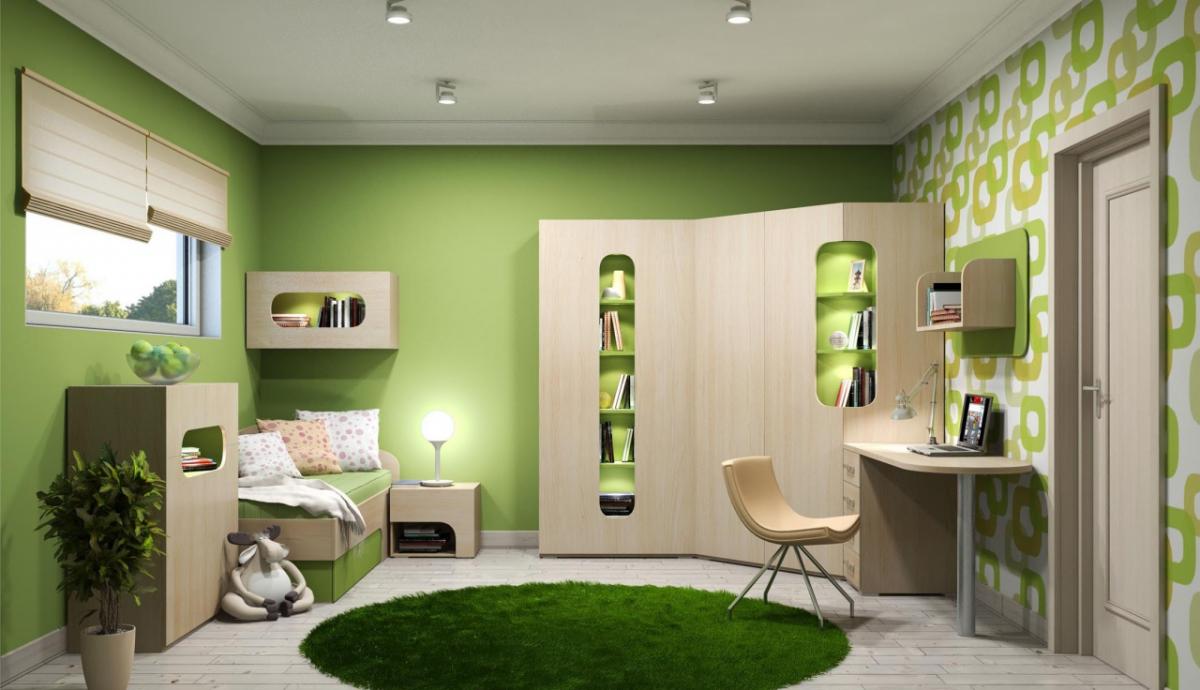
I would like to tell you about the place where I live. We live in a block of flats on the third floor. My family and I live in an apartment with all modern conveniences such as gas, electricity, central heating, hot and cold running water. There are three rooms: a living room, two bedrooms, a pantry, a kitchen, a bathroom and a balcony. All rooms are light and cozy. I share a room with my brother. The wallpaper is white which makes the room more spacious. We don`t have posters on the walls. We have a map on the wardrobe. Besides, we have two sofas on either side of the room and one long desk with an Internet connection opposite a window. The lighting is well-made. There is a chandelier on the ceiling and a floor lamp that I use when I read a book or watch films online. There are no flowers due to lack of space. There is a chest of drawers where we hold all necessary stuff and our textbooks and copybooks. I have placed my laptop on the corner of the table and a printer. My bedroom is definitely the one place in my apartment that allows me to relax and enjoy some time without a lot of disturbing noises.
This is a favorite place for me and my brother at my home and we spend most of the times of the day here. Sometimes we use this place to do homework or prepare for final exam. Besides, when I feel lonely, I come to the room and I can do whatever I want. Some of the things that I do are play video games, video chat with my friends, and listen to some great music with my headphones and surf the Internet. Often I spend my leisure hours in the room by playing some soft music. This is a great place for me indeed.
Conclusion:
Answer to these questions:
1. - Do you live in a house or an apartment?
- I live in a modern apartment.
2. - What is your favorite room in your flat?
- I like the living room.
3. - How many rooms are there in your flat?
- There is a living room, a bedroom and a study. (кабинет)
4. - Do you share a room with your sister or a brother?
- I don`t share a room with my brother. I have my own room. (собственная)
5. - What color is the wallpaper in your room?
- The wallpaper is beige.
6. - Do you have posters on the wall?
- I have some posters on the wall. They are about football players.
7. - What do you like to do in your leisure hours in your room?
- I like to surf the Internet, play videogames, chat online with friends.
8. - Where do you hold your books and other stuff?
- I have some shelves and a bookcase where I hold my textbooks and other stuff.
9. - Can you hear any disturbing noises when you are in your room?
- I can hear nothing when I am in my room.
10. - Do you have a laptop or a computer in your room?
- I have a laptop and a printer.
Evaluation
Hometask: Describe your room
18. The theme: Why do you learn English?
The aims of the lesson: to develop pupils’ skills in speaking, to introduce the pupils with new vocabulary, to create a friendly atmosphere.
Visual aids: cards, pictures, signal cards.
Plan of lesson:
Introduction
Greeting pupils
Warm-up:
Tongue twister
Six sick hicks nick six
Slick bricks with picks and sticks.
A big black bug bit a big
Black dog on his big black nose.
If freaky Fred found fifty feet of fruit
and fed forty feet to his friend Frank
III. Key words and phrases :
1. to keep up with the times – заман ағымына ілесу
2. the world`s most important language – ең маңызды тіл
3. all over the world – бүкіл әлемде
4. a mother tongue – туған тіл
5. to live abroad – шет елде тұру
6. to avoid social discomfort – қоғамда өзін жақсы сезіну
7. to play a key role – шешуші рөл атқару
8. computer technology – компьютерлік технология
9. borrowed words – біріккен сөздер
10. scientific literature – ғылыми әдебиет
11. software – компьютерлік бағдарламалар
12. to read books in original – кітапты түпнұсқа түрінде оқу
13. to understand fluent speech – тілді тез түсіну
14. to apply for a job – жұмысқа орналасу
15. good knowledge of – жақсы білім
16. to attend courses – қосымшгаға бару
17. to discuss topics – тақырыптарды талқылау
18. to be good at – жақсы қабілеті болу
19. to interpret from …into – ауызша аудару
20. an opportunity – мүмкіндік
21. to communicate with – біреумен араласу
22. a language barrier – тілдік барьер
23. a native speaker – тілді дамытушы
 Why
do you learn English?
If you live in a modern society you have to learn English to keep up with the times. English is the world`s most important language. Well, you know, English is the mother tongue in Great Britain, Australia, New Zealand, Canada, The United States of America and Ireland. And if you know English you can live and work abroad and avoid social discomfort. English plays a key role in politics, trade, economics, computer technology, tourism. There are a lot of English borrowed words in Russian language such as: Email, site, provider, chat, browser, click, smile, virus, printer etc.
Half of the scientific literature and software is written in English. It means that if you want to understand user manuals or to read books in the original language you must study English.
As for me, I would like to study in the United States of America when I finish school. I need English to understand fluent speech during lectures at the university. I know that Americans speak very quickly. And if I want to apply for a job there I will need good knowledge of English. That is why I attend courses. We read texts, listen to audio files, watch films, do lots of exercises, take tests, ask and answer teacher`s questions and discuss different topics in English. I am good at English and I can easily interpret a person from English into Russian and from Russian into English. Besides, we study English grammar and write informal letters and essays. I plan to study Business English. It will be helpful for my future carrier. And of course, English gives you an opportunity to travel all over the world and communicate with people of different nationalities.
IV.Word Game: “Bang, Bang”
Now I will say a word or a phrase you will translate it and at the end you must say “bang, bang”. Who is quicker? The winner will get a sticker for each right answer.
How do we say in English…? ( )
I study English because
I’ll need it for my future education
My parents want me to study this foreign language
I want to have good marks
I want to read English books in the original
I would like to visit English-speaking countries
I want to watch TV programmes on the BBC Channel
I want to make friends in different countries
I have it in my school program
V.Conclusion:
Answer to these questions:
1. - Why do you learn English?
- I want to understand native speakers.
2. - How do you keep up with the times?
- I learn English, watch the news and read computer magazines.
3. - What borrowed words do you know?
- I know weekend, cool, blender, image, boss, realtor.
4. - Do you have social discomfort when you travel as a tourist in Europe?
- Yes, I am a bit shy because I have little practice in speaking English. I have a language barrier. (языковой барьер)
5. - Can you interpret a person?
- No, I don`t. I can`t remember the whole phrase. (всю фразу)
6. - Can you understand fluent speech?
- No, I can hardly understand some words. (едва ли)
7. - Is it difficult for you to write an essay in English?
- Yes, it is rather difficult for me and I try to develop my writing skills.
8. - Do you attend any courses? - Yes, I attend English courses.
9. - Do you have good knowledge of English?
- Not at all. I have difficulties with English grammar
Hometask: Essay “English is a world language”
19. The theme: My city
Aim of lesson:
Presentation of the lesson about Hello, again!, to train new words and discussion an English language;
To develop the pupil’s habits of the oral speech, to develop pupil’s creative and logical abilities, understanding, reading and writing, grammar and lexical skill ;
The type of the lesson: presentation, integrative
Methods of teaching: training, explanation, demonstration, interaction
Plan of lesson:
Introduction
Greetings
Warm-up
“Magic Ball”
What is your name? How old are you?
How are you?
Where do you live in village or in the city?
III. Key words and phrases :
1. industrial – индустиялды
2. cultural - мәдениетті
3. population – халық, тұрғындар
4. а square – алаң
5. rush hours – қарбалас сәт
6. a traffic jam – кептеліс
7. to get stuck in а – көлік кептелісінде тұру
8. lifestyle – стиль, өмір сүру стильі
9. a residential district – тұрғын үй
10. to move to – көшу
11. quiet – тыныш
12. crowded – адамның топтануы
13. noisy – шулы
14. much traffic – көп көлік
15. to get to – жету
16. а flowerbed – гүл шоғы
17. a playground – балалар алаңы
18. a grocery store – азық-түлік дүкені
19. a bakery – нан өнімдерін сататын дүкен
20. a department store – универмаг
21. an orderly bin – қоқыс жәшігі
22. to throw litter – қоқыс төгу
23. pavement - тротуар
24. a parking lot – көлік тұрағы
25. hometown – туған жер

Listen, read the text and discuss
My city.
I live in a big industrial and cultural city. The population of my city is more than a million. There are a lot of interesting things that you can find only in a big city: theaters, museums, cinemas, exhibitions, shopping centers, beautiful parks and squares, cafes and restaurants, nightclubs. You can go to any place in the evening.
People live a busy lifestyle. Anyone who chooses to travel during the rush hours will get stuck in a traffic jam.
I live in a new residential district. We moved to a new apartment 2 years ago. The street where I live is not a central one and it is very quiet here and not so crowded or noisy. There is not much traffic here. But you can easily find a bus stop and get to the nearest underground. There are a lot of trees and flowerbeds everywhere in the summer. And children play on the playgrounds. You can find any shop you
need: a grocery store, a bakery, a department store.
One of the other things I like about my town is how clean the streets are. I am happy to see people using the orderly bins and not throwing their litter on the streets. There is no graffiti on the buildings and broken swings and slides in the yards. But some people park their cars on the pavement in the yards because there are not enough parking lots.
Overall, my hometown is a great place to live, work, study and entertain.
True or False. ‘My city’
There is a river in my city.
There are two hospitals in the city.
There aren’t any cafes in the city.
There is one museum in the city.
There aren’t any buses in the city.
There is a bookshop in the city.
Conclusion:
Answer to these questions:
1. - Is your hometown a city or a town?
- The population of my hometown is approximately 130,000 people, so it’s definitely a town.
2. - Do you prefer to live in a city or а town?
- I would rather live in a town that is situated alongside a river or а lake. It’s my dream to live in a home with a view of the water in the countryside or close to the mountains.
3. - Would you say your hometown is a good place to live?
- It depends on what you are looking for. If you want to live a busy lifestyle, I would say no. Although, if you want a peaceful life, I would say yes.
4. - In what ways can your hometown improve?
- My hometown deals with a parking problem on the pavement in the yards.
5. - Why do some people prefer to live in a town?
- People can live a non-stressful lifestyle and not worry about things like traffic jams, rude people, and crowded streets.
6. - How can traffic be reduced in a city?
- This is a really good question; one possible way would be for more people to use public transport instead of using their private cars.
7. - What time do you have traffic jams in your city?
- In the morning hours when people go to work and in the evening when they are on their way home.
8. - Do you live in the center of the city or in a suburb? (пригород)
- I live in a suburb. It is not so noisy and crowded here.
20. The theme: Family problems
Aim of lesson:
To develop pupils speaking habits and listening skills;
To improve their interests to English;
Type of lesson: traditional
Visual aids: posters, cards6 words
Plan of lesson:
Introduction
Greeting pupils
Warm-up
And now guess who is who?
1. My brother's child is my... (nephew)
2. My sister's daughter is my... (niece)
3. My father's brother is my... (uncle)
Rule of lesson:
- Parents understand children
- They support each other
- They spend free time
- They respect each other
- Love each other
- They have time together
III. Key words and phrases :
1. to support – қолдау
2. to consult with– кеңес беру
3. to feel secure – өзін қауіпсіз сезіну
4. to be frank and honest – ашық адал болу
5. both….and – және .... және
6. to treat with respect – сыпайы болу
7. to look after – қамқор болу
8. to face financial difficulties – қаржылай қиындыққа тап болу
9. low-income family – аз қамтылған отбасы
10. single-parent families – толық емес отбасы
11. to raise a child – баланы тәрбиелеу
12. to be connected with – байланыста болу
13. relationships – қарм-қатынас
14. to end in divorce – ажырасу
15. generation gap – дәуір жанжалы
16. old-fashioned – ескі сән үлгісі
17. wisdom - шешендік
18. to come with age – жасымен келу
19. an event – жағдай
20. family dinner – отбасылық кешкі ас
21. to unite – қосу
Read text then discuss
 Family
problems
Family is very important in our lives. You can always find help and support in your family. If you have any problems, you can consult with your parents or relatives. You feel secure about the future when there’s a family behind you. In happy families, parents are frank and honest with their children and both parents and children treat each other with respect.
In a traditional family the father goes to work and the mother looks after the children, or both parents work. Families today face financial difficulties. They have low-income.
Another family problem is connected with the relationship between the parents and the children. More than a half of all marriages end in divorce. There are a lot of single-parent families where one parent raises a child. To my mind it’s better to live in a single-parent family, than with two parents who are unhappy.
Generation gap is also a problem in many families. Teenagers often consider their parents old-fashioned. And parents don’t want to understand their children’s needs. Parents say that wisdom always comes with age and that they know better. We need most of all — love, respect, and communication.
It is very important to have good traditions that unite the family. For example, to have family dinner together every evening and discuss the events of the day. Another good tradition is celebrating holidays together. When you give presents and postcards to your relatives you show them your love.
Conclusion:
Answer to these questions:
1. - How many members are there in your family? - I have a mother, a father and a brother.
2. - Do you have any family traditions? - Every spring we go to the country and have a barbecue.
3. - How do you treat your parents? - I treat my parents with respect.
4. - Do you consult your parents? - Yes, I try to consult my parents and they always give me advice.
5. - What is a traditional family? - When a father works and a mother look after a child.
6. - Do you consider your parents old-fashioned? - No, I respect my parents.
“Discuss”
Now you have to make up the lap books.
The 1st group: Rules for parents
The 2nd group: rules for children
The 3rd group: secrets of a happy family
“Speech time” - “ Belonging to a Family”
Why do people need a family?
It is lovely to have a family round you. Do you agree?
Well, let’s speak about the things, which are important in family relationships.
Make a list of 5 things that should and shouldn’t exist in family relationships.
Evaluation
Homework: You are to make reports about the family happiness, using the statements & questions of this lesson.
21. The theme: Weather.
Aim
of lesson: To
understand an increasing range of unsupported basic questions on
general and curricular topics To
write with support factual descriptions at text level which describe
people, places and objects
Plan of lesson:
I.Introduction
Greeting “Guess riddle”
At first the learner should listen and guess the riddles, to find the theme of the lesson.
This is the season
When children ski
And Grandfather Frost
Brings the New Year tree (Winter )
It’s blue by night,
By day it’s white
It is cold and not dry,
It falls from the sky (Snow)
II. Brainstorming
Teacher asks “Convergent question”
- What weather do you like?
- What weather do you dislike?
- What is the season now?
- What is your favorite season?
Key words and phrases :
1. to change – өзгеру
2. daily weather forecast – ауа – рай болжамы
3. weatherman – метеоролог
4. weather stations – метеостанция
5. unpredictable – алдан – ала болжамсыз
6. natural disasters – табихи апаттар
7. floods – су тасқыны
8. tsunami – цунами
9. earthquake – жер сілкінісі
10. hurricane – ураган
11. volcano eruption – жанартау атқылауы
12. loss of lives – адами жәбірлену
13. season – жыл мезгілі
14. lightning – найзағай
15. thunder – күннің күркіреуі
16. windy – жел
17. to get wet – жаурау
18. above zero – нольден жоғары
19. frosty – аяз
20. below zero – нольден төмен
21. icicles – мұздықтар
Reading and discussing
 Weather
We always talk about the weather. It may change during a day. People watch daily weather forecast on TV and radio. Sometimes the forecast is not right. Weathermen try to collect information from weather stations and understand what the weather like. But the weather can be very unpredictable. Some natural disasters such as floods, tsunami, earthquakes, hurricanes, volcano eruption bring the destruction, loss of lives.
There are four seasons a year. In summer it is usually hot and sunny. The sky is blue but it may be raining with the lightning and thunder or windy from time to time. The days are longer than nights.
When the autumn comes, people often catch cold because the temperature is 5-15 above zero. There is heavy rain and wind, grey clouds cover the sky. Always take an umbrella and a raincoat if you don`t want to get wet. The days become shorter and colder.
It is very cold and frosty in winter. The temperature is usually 10-30 below zero. Houses, forests, roads are covered with snow. Rivers and lakes are covered with ice.
The spring brings sunshine and warm winds. Snow and icicles melt in the warm sun. Green grass, flowers and leaves start growing. The temperature is usually 10-15 above zero.
Some of the seasons are longer and some of the seasons are shorter. The longest season is winter in Russia. It can last 6 months.
Low level students
Learners should continue the sentences
1 There are four seasons in the year: ….
2 I like warm and beautiful days of early autumn. People often call this period……..
3 Winter holidays are always connected with…….
4 Besides, in summer the first fruits and….
5 Summer is….
High level students
Compose text using new words in the text and speaking about seasons, weather
e. g Thunder often in the spring
In autumn leaves cover the ground
Descriptor:
- compose text
- give own opinion
Differentiation by support of a partner
Make up the dialogue using the words in the box by support of friend

Descriptor
- compile the dialogue
Conclusion:
Answer to these questions:
1. - What is the weather like in spring?
- It is warm and sunny.
2. - What is the temperature in winter?
- The temperature is usually 10-30 below zero.
3. - Why do people often get cold in autumn?
- There is heavy rain and wind and the temperature is 5- 15 above zero
4. - What natural disasters do you know?
- Floods, tsunami, earthquakes, hurricanes, volcano eruption.
5. - Who makes the weather forecast?
- Weathermen.
6. - Why are the weathermen wrong sometimes?
- The weather can be very unpredictable.
Feedback. “Now I know…”, “Now I can…”
“Now I know…”
about season
about weather
“Now I can…”
talk about season,
guess the riddles about the season
talk about the weather
tell about favourite seasons
E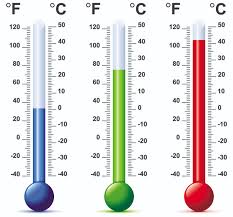 valuation:
Choose your own level
Red thermometer- very good!
Green thermometer- good!
Blue thermometer- not bad!
22. The theme: Sport
Aim of lesson:
To
link, with some support, sentences into a coherent paragraph using
basic connectors on a limited range of familiar general topics range
of familiar general and curricular topics
Plan of lesson:
I.Introduction
Greeting. “A circle of joy”
Learners make a circle and say each other good wishes
II. Brainstorming
Scrambled letters. You must make up some words and make up sentences with these words
T: Who will be the first?
1.lofabotl-football
2.ginmwism-swimming
3.skabbetlal- basketball
4.hsces-chess
5.imclgbin-climbing
Guess the riddles according to the sport
It’s a game played between 2 people or two pairs of people who use rackets
It’s a game in which you try to knock a ball into a goal
It’s a game for 2 teams of 11 players who use special sticks to hit a ball
III. Key words and phrases :
1. competitive – бәсекелес
2. to keep fit – өз қалпында болу
3. to choose the best – мықтысын таңдау
4. to make competitions – жарыс ұйымдастыру
5. to take place – өту
6. mastery – шеберлік
7. to break records – рекорд
8. to be a spectator – жанкүйер болу
9. to participate in/to take part in – қатысу
10. to win - жеңу
11. to lose – жеңілу
12. to follow the news – жаңалақтардан хабардар болу
13. to cheer for – жанкуйер болу
14. skydiving –парашюттан секіру
15. snowboarding – сноуборд
16. bungee jumping – жіппен көпірден секіруу
17. free ride –фри райд, атқа міну
18. ice diving – мұзға сүңгу
19. a risk of disability – мүгедек болу
20. ultimate fighting – ережесіз жекпе жек
IV. Read and discuss
 Sport
Sport is very competitive and it helps us to keep fit, healthy and slim. People like to choose the best ones in each category of sport and they like to make competitions. Olympic Games take place every four years in different countries where sportsmen from all over the world show their mastery and break records.
As for me, I would like to be a spectator at these games and see these games with my own eyes. The best sportsmen participate in such competition. According to the Olympic idea it is taking part not winning or losing that is important. I always follow the news and cheer for our team.
Nowadays extreme sports have become popular. For example, skydiving, snowboarding, bungee jumping, free ride, ice diving. All these kinds of sport are dangerous. But some people like speed, excitement and danger. I don`t like extreme sport because there is a risk of disability.
And there is another category of sport wrestling, kickboxing and ultimate fighting. Instead of promoting fair competition they promote violence. Not only are these sports harmful, but they also teach people to pay any price for the victory. I strongly believe that they should be prohibited.
As for me, I like sport very much. I have never been into professional sport, but I am an active fitness-goer. I engage in dancing, gym trainings and yoga. I also like riding a bicycle and swimming.
V.Speaking:
Read, compare and contrast a topic using a Venn diagram
Speak and exchange ideas with friends.


Descriptor:
complete the diagram
give idea about advantages and disadvantages sports
VI. Conclusion:
Answer to these questions:
1. - What is your favourite sport? - My favourite sport is figure skating.
2. - Do you do any sport? - I engage in dancing.
3. - Have you ever taken part in a competition? - I took part in school competitions.
4. - Do you cheer for a football team? - Yes, I cheer for “Spartak”.
5. - What do you think of extreme sport? - Extreme sport is very dangerous and risky.
6. - Are you a fan of ultimate fighting? - No, I think it must be prohibited.
7. - Do you like Olympic games? - Yes, I would like to see these games with my own eyes.
8. - How do you keep fit? - I eat healthy food and do sport.
9. - Would you like to try skydiving? - Yes, it is my dream but I am scared.
10.- Do you go to a gym? - I go to a gym at weekends.
V.“Talk to each other” Have students discuss with other how they would accomplish a particular task, explain a specific idea, or talk about some knowledge they have gained. My job as teacher is to walk around the room and listen in on the student conversation
VI.Evaluation. Stage of success
The 1-st stage – “You are champions …”
The 2-nd stage – “You are brilliant students …”
The 3-rd stage – “You are good students …”
23. The theme: Animals are in danger
Aim of lesson:
To read with some support a limited range of short fiction and non-fiction texts
To spell most high-frequency words accurately for a limited range of general topics
To understand an increasing range of unsupported basic questions which ask for personal information
Value links: To develop careful attitude to wildlife
Visual aids: Active board for showing tasks, pictures, video and audio files
Plan of lesson:
I. Greeting
To create a friendly atmosphere in the classroom, the teacher offers singing a song and using the high five technique
Greeting songs: «Hello»
Technique «High Five»
Warm-up:
Game. ‘Black Box’
Put a black box, solve riddles, the answer gets the picture
III. Key words and phrases :
1. wild animals – жабайы жануарлар
2. domestic animals – үй жануарлары
3. out in the wild – жабайы табиғат
4. to survive – аман қалу
5. to be tamed – үйретілген
6. homeless – үйсіз
7. animal shelter – жануарларға арналған баспана
8. species – түрлері
9. to disrupt food chain – тамақтану шынжырын үзу
10. to pose a threat – қауіп төндіру
11. existence of inhabitants – аман қалу
12. to tackle an issue – мәселені шешу
13. to find at risk – қауіп төнуі мүмкін
14. rare animals – сирек жануарлар
15. endangered species – қауіп төніп тұрған жануарлар
16. to hunt – аң аулау
17. natural habitat – табиғи тірішілік ету ортасы
18. to breed in captivity – еріксіз көбею
19. to save our nature – табиғатты қорғау
20. to rescue animals – аңдарды қорғау
21. to disappear – жойылу
22. to protect – қорғау
IV. Listen, read and discuss
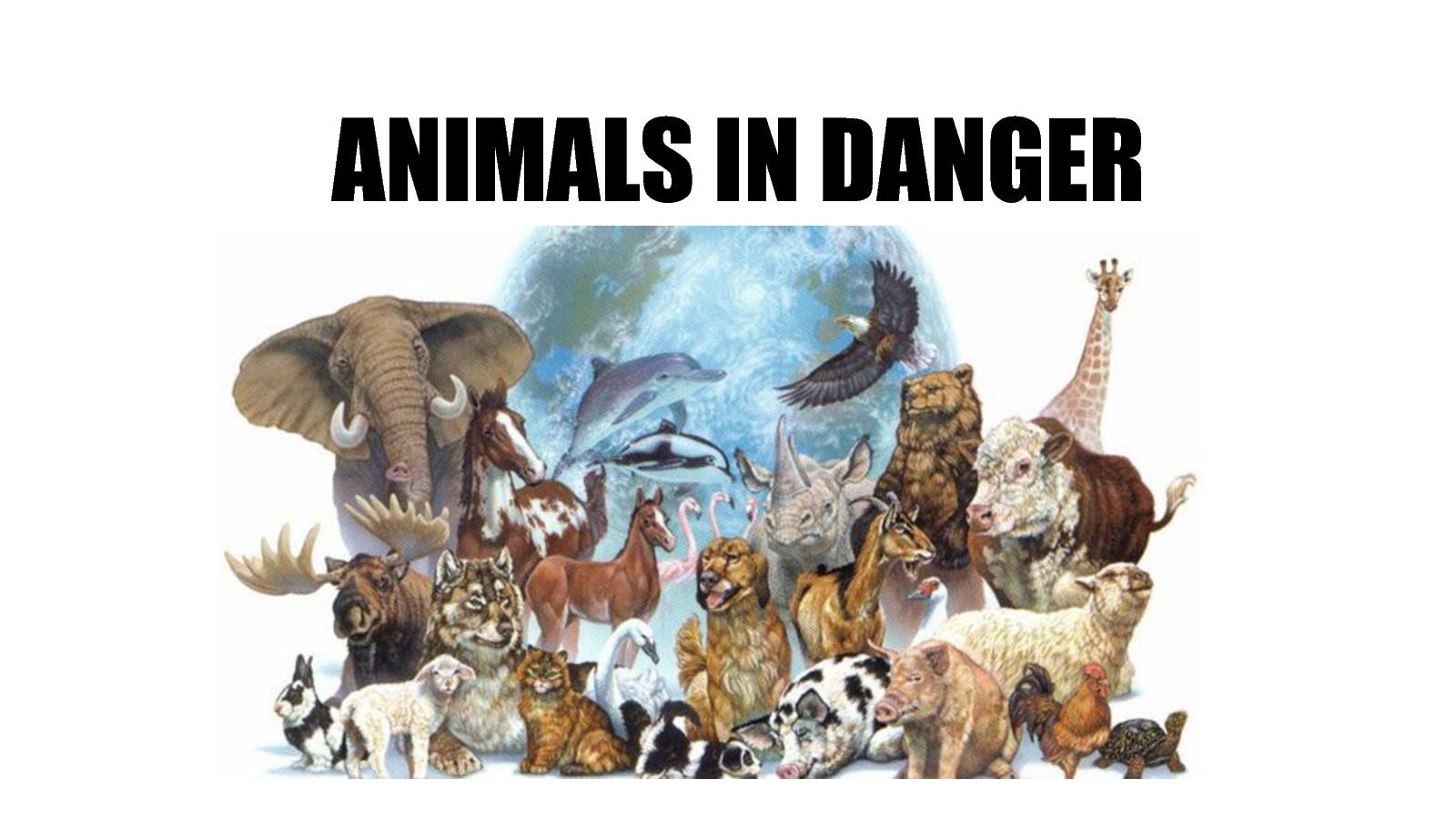 Animals
are in danger
Animals make this world richer and more interesting and more beautiful place for us to live in. There are two types of animals: wild and domestic ones. Wild animals are called so because they live out in the wild. In other words, they don’t need a human to survive. Domestic animals live with a man and they are tamed by him. However, there are a lot of homeless animals in the street. They need our protection and support. They suffer from hunger and diseases. To my mind more animal shelters must be built.
Science has proven that every species plays a role in the eco-system we live in, and a loss of any kind of animal could disrupt the food chain and pose a threat to the existence of other inhabitants in the area. If we do not take effective measures to tackle this issue now, we could find our own survival at risk in the near future. There are many rare animals around the world. These animals are called endangered species. People hunt them and kill them for leather, meat and fur. The natural habitat of rare animals is destroyed so they can’t breed in captivity.There are a lot of special organizations, which try to save our nature. The most known are: the World Wildlife Fund (WWF) and Greenpeace. These organizations want to rescue animals, to help them to survive and to save jungles and rain forests, which are in danger of destruction. And they also help animals because many of them are already gone as they have nowhere to live. Their homes, the trees, have disappeared. We must find the right way to save land, people and animals. We must take care of nature, because we are part of it. We must protect animals to keep these species for future generations.
V.“Speak time”
1 group “Tiger”
Tell about the animal by choosing the right word
This is a ….. . (bear, tiger, elephant)
It lives in a ….. . (jungle, forest, field)
It is … . (big, small)
It eats … . (meat, grass, leaves of the trees, fish)
Its colour is …. . (grey, brown, yellow and brown)
2 group ‘Bear”
Tell about the animal using supporting words
This is a ….. .
It lives in a ….. .
It is … .
It eats … .
Its colour is …. .
VI. Conclusion:
Answer to these questions:
1. - What type of animals do you know? - There are wild and domestic animals.
2. - What animals are tamed? - Cows, horses, pigs, cats and dogs.
3. - What can we do for homeless animals? - We can give them our love and care, take them home or build more animal shelters.
4. - What animals are rare? - Endangered animals because people hunted and killed them.
5. - What is a natural habitat? - It is a place where animals live out in the wild.
6. - Can animals breed in captivity? - It doesn`t take place very often.
7. - Are there any special organizations that try to save our nature? - Yes, there is the World Wildlife Fund (WWF) and Greenpeace.
8. - What can we do to help? - We can donate to these organizations and try to protect and help animals and take care of nature. (делать пожертвования)
Feedback.“WiFi”
The
children paint over the line of the picture how much the understood
the theme of the lesson
I
can understand: all / most of / some of the tasks (left)
Evaluation“Final
Self-Assessment”
24. The theme: Internet for and against
Aim of lesson:
Plan of lesson:
I. Greeting
To create a friendly atmosphere in the classroom, the teacher offers singing a song and using the high five technique
Warm-up:
Let`s make some word combinations using two columns of words.
What can we surf?
What can we download?
What can we create?
What can we transfer?
Where can we communicate?
Where can we navigate?
III. Key words and phrases :
1. an integral part – ажырамас бөлігі
2. to share information – ақпаратпен бөлісу
3. social networking sites – әлеуметтік желі
4. access to information – ақпаратқа кіру мүмкіндігі
5. to pay for transactions – келісімшарт орнату
6. to order takeaway / takeout – тағамға тапсырыс беру
7. to download – көшіру
8. to neglect friends- достарға немқұрайлы қарау
9. to rely on – арқа сүйеу
10. to be addictive – тәуелді болу
11. to become addicted to – тәуелді болу
12. to waste time – уақытты босқа өткізу
13. to communicate digitally – виртуалды қарым-қатынас
14. a victim – жәбірленуші
15. a scam artist – алаяқтар
16. naïve – аңқау
17. to reveal information – ақапарат туралы хабар беру
18. consequences – салдары
19. to affect – әсер тету
IV. Discuss and speak

Internet for and against.
The Internet has become an integral part of our lives. Is this a good thing or not?
To start with, the Internet helps people to share information and we can communicate with people from other countries or cities in an easy way with social networking sites. Students can watch video lessons online, study foreign languages and make projects. There is no need to go to the library because media devices allow access to information. In addition, the Internet gives us opportunity to pay for transactions online, book tickets, order takeaway and find any necessary information by clicking only a button. You can download any music or movie for free or watch it online. But on the other hand, the Internet can be dangerous to everyone. People spend too much time on the Internet and neglect their friends, family, education and work. It can`t develop our abilities, mind, skills. We start relying on the Internet too much. Some teenagers become addicted to online gaming. Besides, there is harmful content, much violence and parents should control their children. People waste their time with their gadgets and prefer to communicate digitally instead of face -to-face. Moreover, there is a risk to become a victim to thieves. Thieves and scam artists are looking for naive, and especially young people, who will trust them and reveal their personal information.
In conclusion, the Internet is a great help in everyday life but it affects people's minds. Personally I think the Internet is a great tool and the advantages of it outweigh the dangers. People who think about consequences are always the winners.
V.“Question part”
1. - How often do you use electronic devices?
- I use my i-phone every day.
2. - Do you think computers have changed your life a lot?
- Yes, I can get any information very fast and easily.
3. - What do you use the internet for?
- I use it for my projects at school and communications with my friends.
4. - Do you know people who are addicted to the Internet?
- Yes, I know one teenager who doesn`t go to school because he always plays online games.
5. - Do you like playing online games?
- No, I am absolutely indifferent.
6. - What can you buy online?
- I can buy tickets, clothes, courses online.
7. - What other risks of using the Internet do you know?
- You can be deceived by a fraud or a thief.
8. - What apps do you have?
- I have different apps: Viber, WhatsApp, Google maps, Instagram, VK, Facebook messenger, i-movie.
9. - Do you prefer communicating face to face or digitally?
- I prefer face to face communication.
10.- What can you study online?
- I can study languages, watch video recipes, trainings.
VI.“Match time”
Match the groups of verbs below with their general meaning from the box.
(Move; make, start; join; look; find)
1) Browse, surf, view ________
2) Download, navigate, transfer ______
3) Connect, link _______
4) Discover, locate _______
5) Originate, create, invent ________
VII. Evaluation “ 5 finger”
25. The theme: Hobby
Aim of lesson: To classify leisure activities and chores
To discuss the sentences
To use feedback through the all skills
Methods: discussing, group, pair work
Visual aids: Smart board to show a presentation, pictures
Plan of lesson:
Greeting
. Do you like to listen to music?
Are you fond of reading?
Do you go in for sports?
What is your friend's hobby?
Warm-up:
Procedural questions
Why do people have hobbies?
What is your hobby?
Which hobbies most popular in your country?
Why do people need hobbies?
How many hours a week do you spend on your hobby?
Is it fun to have a hobby?
III. Key words and phrases :
1. handcraft – қолөнер
2. a hobbyist – сүйікті ісі бар адам
3. to collect smth - жинақтау
4. to play board games – үстел ойындарын ойнау
5. backgammon - нарды
6. decoupage - декупаж
7. tie-dye – батик
8. to sew - тігу
9. soap-making – сабын жасау
10. do yoga – йогамен айналысу
11. spare parts – қосалқы бөлшектер
12. gardening – бау-бақшамен айналысу
13. Nordic walking – скандинавтық жүріс
14. to gather mushrooms and berries – саңырауқұлақ пен жидектер жинау
15. to knit – тоқу
16. gives satisfaction – өанағаттану
17. passion – құмардық
IV.Reading time
Hobby
Hobby is what a person likes to do in his free time. If you have a hobby you have a more interesting life. Every person choses a hobby according to his or her character, tastes.
The most popular hobbies among children are doing things, drawing, painting, making sculpture, handcrafts, playing LEGO. Some of them like collecting toys, dolls, coins, postcards, watches or playing board games: cards, chess, backgammon, checks, Monopoly, Scrabble. Others like playing the piano or the guitar.
Teenagers like playing computer games, chatting online with friends, listening to music, making videos for You tube. And they like to do sport: playing football, hockey, snowboarding, riding a bike, skiing, skating.
Girls and women like decoupage, tie-dye, reading books, growing beautiful flowers and keeping pets, photography, cooking, watching movies, learning foreign languages, sewing, soap-making. They try to find time to go to a swimming pool or a gym at least once a week. They do yoga classes or just work-out.
Some hobbyists are crazy about their car or a bike. They wash them, paint, buy new spare parts to make them go faster. They spend all weekends at the garage. Men like to go fishing, watch football and hockey matches.
Older people prefer gardening or going to the parks and enjoy the beauty of nature. Nordic walking and knitting are also popular among them. They also like to gather mushrooms and berries in the summer.
Traveling is another important passion for most people. It is very thrilling to visit new places and to meet with different people of various cultures. It is important to develop a hobby. It gives satisfaction and if you are a creative person, your hobby can be your profession or you can gain from it.
Conclusion
Answer to these questions:
1. - What is your favourite hobby?
- I like drawing pictures and growing flowers.
2. - What do women like to do?
- They like watching movies, sewing, keeping pets, cooking.
3. - What do men like to do in their free time?
- They like to go fishing, watch football and hockey matches.
4. - Why do older people like go to the park?
- They like to enjoy the beauty of nature.
5. - Do you like to gather mushrooms and berries in summer?
- No, I have poor eye sight and I am afraid of ticks. (плохое зрение, клещи)
6. - Can you knit or sew? - I can only knit but I can`t sew. I can only mend a hole and sew on a button.
VII.Speaking. Game. “Interview”
Student must interview his classmates for speed. A student who fills all the cells wins
Cooking
|
Sing a song
|
Play football |
Read a book |
Listen to music |
Play musical instrument |
Painting |
Swim |
Dancing |
Knitting |
Playing chess
|
Cycling |
Horse riding |
Playing computer games |
Hiking |
Roller- blading
|
Shopping |
Go to gym |
Watch TV |
Jogging |
VIII.Feedback: «Dialogue on the stickers»
Students write the words, which are associated with the lesson
For example, interesting, boring, exciting, wonderful, misunderstanding
26.The theme: Fashion
Plan of lesson:
I.Greeting
Great pupils
II. Warm-up:
Procedural questions:
What do you usually wear?
Who is your favourite icon of fashion?
Do you like fashion clothes?
What is your favourite clothes?
III. Key words and phrases :
1. to judge a person by – адамды соттау
2. first impression – алғашқы көзқарас
3. to dress tastefully – әдемі киіну
4. to make a good impression- жақсы әсер қалдыру
5. to follow the latest fashion – сонңы үлгіде киіну
6. to look stylish – керемет көріну
7. to follow fashion trends – сән үлгіге ілесу
8. to feel confident – сенімді сезіну
9. fashion shows – сән үлгі көрініс
10. collection of clothes – киім үлгілері
11. high fashion – жоғары сән үлгісі
12. inappropriate – үйлеспейтін
13. celebrities – танымал
14. to advertise – жарнамалау
15. a look – үлгі, көрініс
16.brand-name clothing – брэнд киімдер
IV.Read and discuss
 Fashion
We have to care about the way we look. We live in a society and we have to choose what clothes to wear every morning. People judge a person by his appearance and clothes, and only then, as they get to know him, by his inner qualities. The first impression is important. That is why we should try to dress tastefully if we want to make a good impression on others.
Fashion changes every season and if you want to look stylish and attractive, you should follow fashion trends to feel more confident. There are fashion shows that present new collections of clothes but they can be inappropriate in a daily life.
Celebrities usually advertise new looks first and show new trends in fashion. Is is hard to resist the temptation to buy brand-name clothing. Some people like to stand out fromthe crowd. However, it’s rather expensive to keep up with the fashions. So after such a campaign, customers can already find the new collections in the shops.
V. “Forced debate” Theme: fashion change people / Fashion don’t change people
One half of the class takes one position; the other half takes the other position. Students line up and face each other. Each learner may only speak once, so that all students on both sides can engage the issue.
Listen the instruction to watch the video and start debate on whether the school uniform is needed or not. They should start talking with the phrase “I think…….”, “In my opinion….”
VI.Conclusion
Answer to these questions:
1. - Do you follow the latest fashion?
- No, I wear casual clothes. (повседневная)
2. - Who shows new trends in fashion?
- Celebrities usually advertise new looks.
3. - What do you do to look stylish and attractive?
- I follow fashion trends.
4. - Can you resist the temptation to buy brand-name clothing?
- Yes, it is rather expensive.
5. - How do you make a good impression on others?
- I dress tastefully and look stylish.
6. - Do you like to stand out from the crowd?
- Yes, I prefer wearing brand-new clothing.
7. - Do you have a new look?
- Yes, I went shopping and bought new jeans yesterday.
8. - Do you consider yourself a fashionable person?
- No, I dress tastefully, but I don`t keep up with the fashion.
VII. Feedback. “Ladder of success”
By offering students to assess their work at each stage (in the form of steps that lead to success).
Each student must go to the blackboard, say what he has achieved and write his name at the appropriate level
27. The theme: At the theatre/ cinema
Aim of lesson:
to
use such communicative types of speech as description,
communication, etc.
to
understand by ear the speech of the teacher during the lesson
to
read and understand the rules in order to find specific information.
Recourses:
Schemes, pictures,
cards Technical
equipment Computer,
active board, laptop
Plan of lesson:
Introduction
Greeting pupils
Activity “Back to Blackboard”.
One student stands back to the picture of a cartoon character and classmates should not name the actor; they give some associations with actor’s name. Classmates can sing some lines from the songs
Warm-up:
III.Key words and phrases :
1. a theatre-goer – театрал
2. a cinemagoer - киноман
3. a performance – көрініс
4. a stage – сахна
5. attendant – билет беруші адам
6. a box-office – билет кассасы
7. to come out – шығу / кино/
8. blockbuster – кассолық фильм
9. to go into production – өндіріске щығару
10. visual effects – визуальді белгілер
11. to release a film – экранға щығару
12. the main (leading) role – басты рөл
13. subtitle - субтитрі
14. sound effects – дауымтық әсерлер
15. special effects – арнайы әсерлер
16. screen version of the novel – шығарманы экранға шығару
17. black-and-white film – қара-ақ кино
18. the supporting (minor) role – көмекші рөл
19. the final scene – қорытынды сцена
20. close-up - улкен
21. newsreel - киножурнал
22. scenery – әсемдеу
23. an act curtain - жабын
24. dubbed – қайталанған
25. acting – актерлық ойын
Remember! Form other words:
to produce – producer - production
to (an) act – acting – actor (actress)
to perform – performer - performance
to manage – manager – management
IV.Read and discuss:
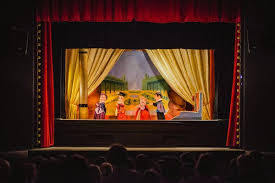
At the theatre/ cinema
I like to go to the cinema and theatre. I can say that I am a cinemagoer and a theatregoer. When a new film comes out I book tickets online or buy them at a box-office in advance.
At theatres people can see dramas, tragedies, comedies, operas, ballets, puppet-shows and other performances. In the cinema you can see all kinds of films from science fiction films, war film, moving, love stories, thrillers, musicals, comedies, detective films, and, documentary films, to horror films.
Plays are performed on stage. Films are shown on screen. Films are either shown with subtitles, or they are dubbed.
At the entrance to the theatre the attendant tears your ticket in half. She gives you your half back so that you can find your seat by its number. Another attendant sells a programme where you can read how many acts are in the play and what actors are playing. You take your seat and may enjoy the play
A theatre consists of a stage with the scenery and a hall. They are separated by an act curtain and the orchestra.
Every town and city has at least one cinema hall where one can see a film. There are even specialized halls for 3D movies. As for me, I like historical films and the screen version of the novel or thrillers with sound and special effects. Some actors achieved instant fame with the release of a film.
V.Conclusion:
1. - Do you like to go to the theatre?
- Yes, I am a theatregoer.
2. - Which kind of film do you prefer?
- I like science fiction films and detective stories.
3. - Do you like to go to the cinema with friends or alone? I like to go to the cinema with my friends.
4. - Do you like to watch different comedies?
Yes, I like to watch comedies.
5. - When is it better to go to the cinema?
- It is better to go to the cinema on the weekend.
6. - Do your parents go with you to the cinema or do you watch films at home on TV?
- Sometimes we go to the cinema together, but we watch films on TV every evening.
7. - Whom do you prefer to go to the theatre with?
- I prefer to go with my friends.
8. - Do you buy food and drinks in the cinema and in the theatre?
I but popcorn and juice in the cinema and I have a cup of tea in the theatre.
VI. Game “Lightening Tournament”
The game concludes 4-5 questions which demand the immediate answers. The players are checked up by only such facts (time, names, and etc.) This type of this control is often organized either at the beginning or at the end of the lesson. The correct answer of the players is evaluated by the “5-score-system». The players answer the questions immediately without any preparation.
VII. Feedback - “Blog tree”
VIII.Self-evaluation ladder “The ladder of Success”
At the end of the lesson the students find themselves in the ladder according to their results and stick the papers
28. The theme: Generation gap
Aim of lesson:
Plan of lesson:
I.Introduction
Greeting pupils
II.Warm-up:
Do you have any problems at home?
Do you get on well with your parents?
Do you think that your parents don't understand you or they are too strict?
III.Key words and phrases :
1. value – құндылық
2. mentality – менталитет
3. epoch – дәуір
4. experience – өтілі
5. irresponsible – жауапкершілік болмауы
6. to argue with – ұрысу
7. to shout at – біреуге айқайлау
8. point of view – көзқарас
9. to make them older – жоғары көрсету
10. independent – тәуелсіз
11. adolescence – ө тпелі кезен
12. awkward age – өзгері жасы
13. lack of self-confidence – сенімсіздік
14. adolescent - жеткіншек
15. to fall in with bad company – жаман топқа түсу
16. supportive parents – ата-ана қолдауы
17. life-long goals – ұзақ мақсаттар
18. to become addicted to – тәуелді болу
19. faith – сенім
20. bad influences – кері әсер
IV.Read and speak, discuss with group

Generation gap
Generation gap is a term that we use when we talk about differences in views, values, mentality between adults and their children, teenagers. We are from two different epochs and we have different experiences. Because of this, parents and children sometimes argue with each other. Grown-ups describe teenagers as difficult, lazy, rude and irresponsible. And they can`t understand teenagers` lifestyle, relationships with friends, tattoos, piercing.
One of the quarrels happens when children get bad marks at school and parents shout at them. Teens don`t like to talk to adults because they listen to only their own point of view.
Teenagers have weird hairstyles, clothes, make-up that can make them older. They rush to grow and become independent. There is another difficult period called adolescence or the awkward age. They experience lack of self-confidence during this time. Adolescents feel shy, awkward and clumsy. Their feelings are easily broken.
Friends become more important. They can fall in with a bad company even with supportive parents. At this period, they don`t have life-long goals, they start roaming the street after school because of boredom and some of them become addicted to alcohol, drugs, smoking. If they don`t roam the street they spend long hours at their computers playing online games. Thus computers replace their contacts with friends and prevent their emotional development.
Keeping faith in kids is necessary. We should simply learn to understand each other. Parents should try to protect their children from possible bad influences.
V.Conclusion:
Answer to these questions:
1. - Do you have conflicts with parents?
- I had conflicts with my parents when I was a teenager.
2. - What is a generation gap?
- Differences in views, values, mentality between adults and their children, teenagers.
3. - Do you have life-long goals?
- Of course, I want to apply for a job and buy a car.
4. - What makes a teenager older?
- Weird hairstyles, clothes, make-up.
5. - Do you understand your parents?
- Yes, I can say so in most situations.
VI. Rules for parents!
Parents! Try to understand your children. Be friendly when our friends come to visit us. Remember that we need our private places. Don’t tidy up our rooms – we can’t find anything after that. Allow children to keep animals at home. Let children choose their clothes and haircuts by themselves. And explain to me why I can’t eat in front of the TV? I think this rule is silly.
Try (1)___________________________your kids.
Be (2)____________________when our friends come to visit us.
Remember that we need (3) _____________________________.
Allow children (4) _________________________________________.
Children can choose their (5) ______________________________themselves.
Not to eat in front of the TV is a (6) ________________rule.
VII. Feedback
-blue flowers The lesson is clear for me
-yellow flowers I have got some questions
-red flowers I don’t understand anything
VIII.
Evaluation
At the end of the lesson, students reflect on:
-
what they learned -
what remained unclear for them -
what they need to continue working on by the "Traffic lights
29. The theme: Travelling
Aim of lesson:
To use speaking and listening skills to solve problems creatively and cooperatively in groups;
To use appropriate subject-specific vocabulary and syntax to talk about a range of general topics, and some curricular topics;
Visual aids: posters,cards, words
Plan of lesson:
I.Introduction
Greeting
II.Warm-up:
And what about you? Do you like travelling?
2)What kind of travelling do you prefer?
Are the seats in our trains comfortable?
Do you like travelling by ship or by train?
Have you ever traveled by ship?
Presentation
Today our lesson objectives are to take information about travelling brochure. Travelling brochure helps you to receive more information about country or city where you want to travel, how you can reach there, how much it will be cost, where you can accommodate or live during the travelling.
Key words and phrases :
1. all by myself – өзім
2. to book tickets online – ғаламьор арқылы билетке тапсырыс беру
3. to compare prices – бағаны салыстыру
4. to apply for a visa – виза алу
5. costs – шығындар
6. paid and unpaid work – төленетін төленбейтін жұмыс
7. the sights of a city – қаланың әдемі жерлері
8. to rent a car – машинаны жалға алу
9. to spend time in nature – таза ауада демалу
10. to meet new people – жаңа адамдармен танысу
11. broaden one`s mind – дамыту
12. to take pictures of – суретке түсіру
13. a waterfall - сарқырама
14. to remind of the happy time – бақытты кезеңді еске түсіру
15. to try traditional food – көру, қарау
16. dreamy shopping – ерекше сауда
17. sunset – күн батуы
18. to reach back into history – тарихқа оралу
IV.Read and discuss

Travelling
I adore travelling. I have visited different countries and cities. And I like to organize everything all by myself. I book tickets online thus I can compare prices and choose a hotel where to stay. I pay everything by card. If I need a visa, I can apply for it but costs may vary. And you can usually stay in a country for up to 2 or 6 months. And remember you can`t do paid or unpaid work because you come as a tourist.
To be honest, I like to rent a car and drive to different places and valleys. I like to spend my time in nature. I also enjoy meeting new people of different nationalities, to learn a lot about their traditions, customs, culture. In other words, I broaden my mind.
I always take a camera with me and take pictures of everything that interests me — the sights of a city, old churches, castles, mountains, lakes, waterfalls, forests, trees, flowers and plants, animals and birds. Later, I will look at them and they remind me of the happy time that I spent travelling.
I like to go to the city center where there is dreamy shopping, fine restaurants and cafes where everyone can try traditional or exotic food. It is a pleasure to watch white ships and the beautiful sunset in the evening.
V.Conclusion:
Answer to these questions:
1. - How do you buy tickets?
- I usually book tickets online.
2. - Why do you buy tickets online?
- I can compare prices.
3. - Can I work abroad?
- No, you come as a tourist and you can`t do paid or unpaid work. (заграницей)
4. - Do you like to take pictures?
- Yes, I like to take pictures of nature. (природы)
5. - What do you like to do in the city center? - I like to do shopping and try different exotic food.
6. - What broadens your mind?
- I think travelling.
7. - Do you like to visit museums and galleries?
- To be honest, I am a nature person and I love forests and plants, valleys and waterfalls.
8. - Do you like to meet new people?
- Yes, I like to learn a lot about their traditions, customs, culture.
9. - Do you like to go by train or by plane?
- I usually go by plane because it is fast and comfortable.
10.- Do you like to visit ruins of ancient cities?
- Yes, I like to reach back into history.
VI. Students’ reflection
What have I learnt?
What new words have I learnt?
What are my problems?
VII. Final Self- Assessment Tick “YES” or “NO”
I can make sentences with new words |
YES |
NO |
I can answer the questions |
|
|
I can tell about professions |
|
|
30. The theme: In the army
Aim of lesson:
To pronounce familiar words and expressions intelligibly6 improve speaking habits;
To recognize with support short basic questions and identify things .
Visual aids: posters,cards, words
Plan of lesson:
I.Introduction
II.Warm-up:
III. Key words and phrases :
1. to join the army – әскерге бару
2. to be in the army– әскерде болу
3. to register/ bring on charge – тіркеуге қою
4. military office – военкомат
5. a military ID/ a military card – әскери билет
6. medical board – мед ициналық тексеріс
7. to do military service – әскерде қызмет ету
8. to take the oath – ант беру
9. a private – қатардағы жауынгер
10. extra duty – кезектен тыс кезек
11. to discharge from the army – дембель
12. changing of the guard – күзет ауысу
13. to desert from the army – әскерден ақау
14. to serve in a war zone/ hot spots – қауіпті жерлерде қызмет ету
15. discipline –қатаң тәртіп
16. a rank – дәреже
IV.Read and discuss:
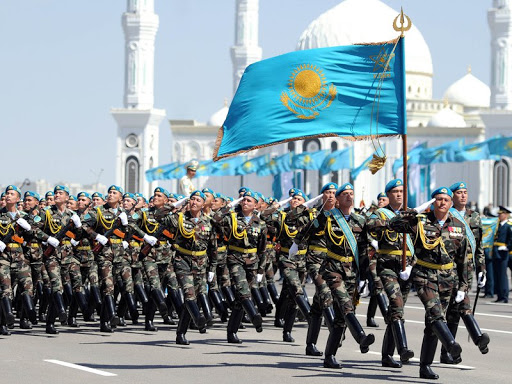
In the army
All young men who are 18 years old must join the army. In Russia they serve one year. But first they are invited to the military office to be registered. There they pass a medical board where they take a decision whether a young man can or cannot serve in the army because of ill health. In the army, soldiers take the oath to their homeland.
While serving in the army, a soldier can get extra duty, for violating the discipline. Some privates serve in a war zone. After discharging from the army they are given a military card.
Role –play
Make dialogue “In the army ”
Create your own dialogue according to the text
VI.Conclusion:
Answer to these questions:
1. - Who must serve in the army? - All young men who are 18 years old.
2. - How long do they serve? - They serve a year.
3. - Who doesn`t go to the army? - A man who has a disease. (заболевание)
4. - What will they get if they violate discipline? - They will get extra duty.
5. - What will they get after discharging the army? - A military card.
6. - Will you join the army? - Yes, I will join the army when I am 18.
7. - When will you get a military card? - In 6 months.
8. - When will you go to the army? - I will join the army in spring.
9. - Did your father serve in the army? - Yes, he served in a war zone.
10. - Do you want to join the army? - Yes, I must protect the homeland.
VII.Feedback
“My word”
Summarize the lesson with one sentence or one word you have remembered and say the next learner’s name who must continue it
VIII. Evaluation “Task mark” learners put tick in the table
Task |
|
|
|
know new vocabulary |
|
|
|
classify |
|
|
|
create a dialogue |
|
|
|



Пайдаланылған әдебиеттер:
1. Ирина Мовсесян «30 тем английского языка »
2. Республикалық ғылыми әдістемелік журнал «Ағылшын тілі мектепте» 2017 - 2018жж
3. «Spoken English» Ю.Голыцинский
5. 555 диалогов, стихов и творческих заданий на английском языке для начальной школы. Клементьева Т.Б. - М.: Дрофа, 2001.
6. Учим английский с НЛП: быстро, правильно, надолго. Личностно- ориентированное обучение/ Андрей Пилигин, Инна Максименко.- М.: АСТ, 2011









 Бұл курс Қазақстан Республикасы Оқу-ағарту министрлігімен келісілген










