ЖИ көмекші


 Қауіпсіз төлем

жүктеу мүмкіндігіне ие боласыз
Бұл материал сайт қолданушысы жариялаған. Материалдың ішінде жазылған барлық ақпаратқа жауапкершілікті жариялаған қолданушы жауап береді. Ұстаз тілегі тек ақпаратты таратуға қолдау көрсетеді. Егер материал сіздің авторлық құқығыңызды бұзған болса немесе басқа да себептермен сайттан өшіру керек деп ойласаңыз осында жазыңыз
 15 Наурыз 2026
 30
30
1 жыл бойы шексіз жүктеңіз
Bil-Say English
CONTENT
Grade 9………………………………………………………………….................................4
Science and technology 4
Grade 8 11
Hobbies and qualities 11
Grade 6……………………………………………………………………………………...17
Travel and holidays 17
Purpose: to determine the level of knowledge of vocabulary, grammar, reading, speaking, listening, writing skills of basic school students. Improve these skills through special exercises.
Age: elementary and pre-intermediate level form (11-15 ages)
While preparing the tasks was used the English Plus book and exercises was created based on this book.
INTRODUCTION
Relevance of the research. The modern world is changing rapidly and among the main trends in its development are informatization and communication globalization. Currently, information technology is gaining high relevance. We use new technologies everywhere, for example, at school, we now use different information platforms like OnlineMektep, Bilim Class, Google classroom, Zoom, Microsoft teams, WhatsApp, Daryn Online, Bilimland.kz. Some of them have ready-made video tutorials, multimedia resources that allow you to choose from the necessary knowledge in all subjects and sciences.
In such conditions, the requirements for a modern education system, taking into account the growing volume of information and the development of technologies for its receipt, are extremely increasing.
The value of a person’s education does not become the amount of knowledge acquired by him, but the ability to quickly find the necessary information and use it in real life. This is possible when students develop cognitive and developing competencies that are understood in this study as a combination of semantic orientations, knowledge, abilities, skills and experience of the student in relation to a certain circle of objects of reality that are necessary for the implementation of personal and socially significant productive activities.
The analysis of modern educational practice shows that to achieve the required results with traditional approaches, forms, methods, means of education and training is not fully possible. One of the significant factors that should be taken into account in the modern education system is innovative information technologies that give a person unlimited possibilities for obtaining, processing, storing and reproducing information. Therefore, the study of the process of formation by the Information technologies are an urgent scientific task.
The aim of the study is to develop, scientifically substantiate and test a model for the formation of cognitively developing competencies of middle-level students by New Technologies .
The object of study the process of teaching foreign language learning in secondary school.
The subject of the study is the formation of cognitive-developing competencies of middle-level students by means of the information technologies as an aspect of the learning process.
Research Objectives:
1. To identify groups of information technologies and their pedagogical potential for the formation of cognitive-developing competencies of middle-level students.
2. To determine the pedagogical conditions for the formation of cognitive-developing competencies secondary school students by new technologies.
3. To substantiate the criteria and indicators for assessing the level of formation of cognitive-developing competencies of middle-level students based on the use of information technologies.
The leading idea: The usage of information technologies technology in learning process
Methods of research: theoretical, analysis, generalization, description
The final product of the project: To work out Systematized set of exercises for using Information Technologies
Practical significance of the research: Appling in different types of educational system as colleges, gymnasium further improvment of skills and habits, be competent of complex strategies using IT technologies
The structure of the research: the structure of my Professional Applied Diploma Project consists of an introduction, two chapters, five subthemes and conclusion, references
Theme: Science and technology
Grade: 9
Lead-in
What do you think about when you hear these words?
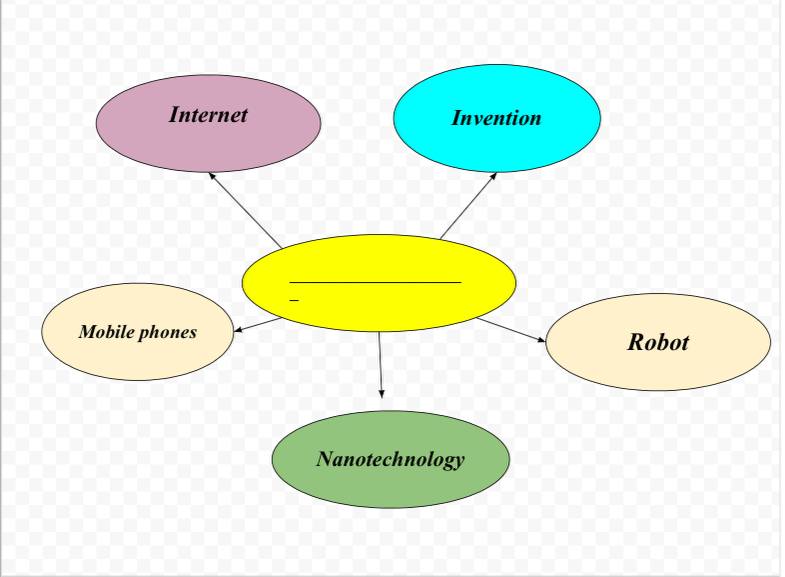
Figure 1. Lead-in task https://docs.google.com/drawings/d/1OUszY6mv_6TtQ7NbB3zNU-68fACIeg7shYBW0uxRZ9E/edit
Vocabulary
Unscramble the letters and make word
-
1.Something created for the first time
niotenvin
i__________
2.It makes electronic gadgets work
beratty
b__________
3.Do this to get stuff from the Internet
woolandd
d__________
4.A computer has one
drakeboy
k__________
5.You turn this to get water
fatcue
f__________
6.It makes the TV work
electronmotor
r______c_____
7.Problems or difficulties
nostarfruits
f__________
8.Digits you must remember
innerbump
p______n_____
9.Send this on your cell phone
examsgetset
t______m_____
10.A parabolic antenna used to receive signals
siideshatlle
s______d_____
Table 1. Vocabulary task https://docs.google.com/document/d/1Q6jz5h2FpXKLRaNZ4L2bXG-ci5m3RbamXsvRQJuq-pA/edit
Reading
Task 1.
-
Before reading the text, look at the title. What do you think the text is about? Choose the best answer:
1) The best inventions
2) Science and Tеchnоlogу Achiеvеments
3) Inventions and inventors
-
Skim the text to check your answers.
Task 2.
Fill in the blanks with the words in the box

Genetic engineering – robot – Ethics – Bioethics – Nanotechnology – DNA – artificial intelligence
-
A………………. is a virtual or mechanical artificial agent. In practice, it is usually an electro-mechanical system which, by its appearance or movements, conveys a sense that it has intent or agency of its own. There is general agreement among experts and the public that robots tend to do some or all of the following: move around, operate a mechanical limb, sense and manipulate their environment.
-
…………………... is a laboratory technique used by scientists to change the DNA of living organisms. It uses the techniques of molecular cloning and transformation to alter the structure and characteristics of genes directly. Some examples are in improving crop technology, the manufacture of synthetic human insulin through the use of modified bacteria..
-
………………….. is a major branch of philosophy, encompassing right conduct and good life. It is significantly broader than the common conception of analyzing right and wrong. It is the compound word with “bios” which represent life or something concerning life with “ethikos” which represent ethics or mores. BothwordsaretracedfromGreece.
-
…………………… ,which is sometimes shortened to “Nanotech” , refers to a field whose theme is the control of matter on an atomic and molecular scale. Manufactured products are made from atoms. The properties of those products depend on how those atoms are arranged. If we rearrange the atoms in coal we can make diamond. If we rearrange the atoms in sand (and add a few other trace elements) we can make computer chips. If we rearrange the atoms in dirt, water and air we can make potatoes.
-
…………………… is the philosophical study of the ethical controversies brought about by advances in biology and medicine. Bioethicist are concerned with the ethical questions that arise in the relationships among life sciences, biotechnology, medicine, politics, law, philosophy and theology.
-
…………………….. is the science and engineering of making intelligent machines, especially intelligent computer programs. It is related to the similar task of using computers to understand human intelligence, but AI does not have to confine itself to methods that are biologically observable.
-
Deoxyribonucleic acid ........................ is a nucleic acid that contains the genetic instructions used in the development and functioning of all known living organisms and some viruses. The main role of ................... molecules is the long-term storage of information
Task 3.
Decide whether the following list of inventions have positive or negative impact
|
Inventions |
Positive impact ( + ) |
Negative impact ( - ) |
|
Robots |
|
|
|
Mobile phones |
|
|
|
Internet |
|
|
|
Plastic bottles |
|
|
Grammar notes

Verbs and prepositions
Do you know how to use the prepositions for, from, in, of, on, to and with after verbs?
Grammar explanation
When a verb is part of a longer sentence, it is often followed by a specific preposition.
I agree with Mike.
She listens
to the radio a
lot.
He thanked me for the flowers.
Verbs with for
They're waiting for a bus.
He apologized
for being
late.
I applied
for the job but
I didn't get it.
How do you ask for a coffee in Polish?
I can't go out tonight because I have
to prepare
for my
interview tomorrow.
Verbs with from
This spray
should protect you from mosquitoes.
Has he recovered
from the
accident yet?
She won an award because
she saved someone from drowning.
I suffer
from allergies.
Verbs with in
She doesn't believe in coincidences.
Our company specializes
in computer
software.
You have to work hard if you want
to succeed
in life.
Verbs with of
I don't approve of hunting animals for their fur.
Our dog died of old age.
This shampoo smells of bananas.
Verbs with on
Their decision
will depend on the test results.
The film is based on the novel by Boris Pasternak.
If you make so much noise, I
can't concentrate
on my work.
Come on! We're relying on you!
We don't agree on anything but we're still good
friends.
Verbs with to
What kind of music do you
like listening to?
Can I introduce you to my grandfather?
Please refer to the notes at the end for more information.
Nobody responded to my complaint.
She apologized
to me the next
day.
Verbs with with
I agree with everything you've said.
My assistant will provide you with more information if you need it.
We're finding it difficult
to deal
with the
stress.
Write the correct preposition to complete the sentence. Choose from the following prepositions: for, from, in, of, on, to, with.
1. I find it hard to concentrate …… anything when the television is on.
2. They apologized ……. hurting her feelings.
3. I never …… agree my sister on politics.
4. She suffers….. terrible headaches in hot weather.
5. I'm applying …… internships this summer to get some work experience.
6. My sister didn't approve ……. my friends when I was a teenager.
7. Do you believe …… ghosts?
8. Janibek, let me introduce you ……. Professor Karim.
ICT: Is the mobile phone useful or harmful? Find information about mobile phone. Prepare a presentation. Present it to the class.
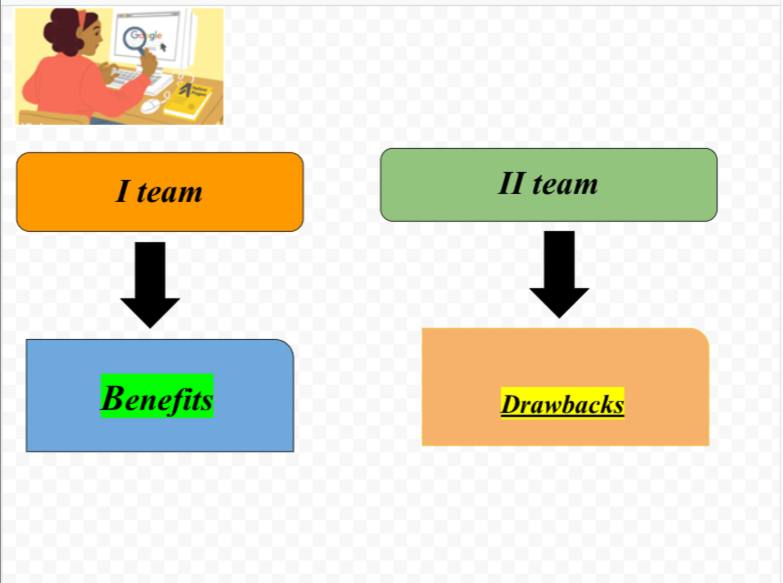
Figure 2. ICT task https://docs.google.com/drawings/d/1udhxyA6_YOIW08yDezTIQecJpXQwYpgXF23TLrqcXUw/edit
Listening

Task 1. Answer the questions
-
What is a robot?
-
Could robots ever be smarter than humans?
-
Why do we use robots in the industry?
-
How can robots help human?
Task 2. Listen and fill in the gaps
A long time ago, robots ____________________ fiction. Children loved looking at movies with robots. Today, robots are real, and ____________________. In the future, we will all have robots. They will vacuum the floor, wash the dishes, ____________________ our cars. I even think one day we’ll have robot friends. In Japan today, ____________________ making robots to help old people and to ____________________. It’s still early days. I’d say we are another 20 to 30 years away from robots ____________________ in our lives. What will happen to us when the world is full of robots? There’ll be no jobs. McDonalds will be ____________________. Maybe one day we won’t be able to tell robots and humans apart. Maybe ____________________ world.
Listening task https://docs.google.com/document/d/1ga01o3toMJJKQ66RT8dyZpJHkMf1G0UoBzjhvvHAcY8/edit
Task
3 
Watch this video https://youtu.be/td89shAPiNE and write down the advantages and disadvantages of robots
Speaking
Task 1. Answer the questions
1. How often do you use each of the following products?
|
Mobile
phone |
Laptop
|
Tv
|
Social networks
|
Wi-Fi
|





2. Which product is the most useful ?
3. Which product is the least useful?
4. What did people do before they had these products?
Task 2. Complete the following sentences:
|
- One invention I can not do without is the_____ - It was easy to learn how to use a______ - It was difficult to learn how to use a______ - I wish someone would invent a______
1.Will robots replace human beings in the workplace completely ? 2.What do you think about the next technological advancements in the future? S 3.Some people believe that it is not necessary to have internet access to live a full life. What is your opinion? 4.Do you think parents should control what internet sites their teenagers use?
Writing Comment on the following statement. What is your opinion? Do you agree with this statement? Write 200-250 words.
Many people think that the
computer is one of the most useful inventions of the 20th
century. Computers |



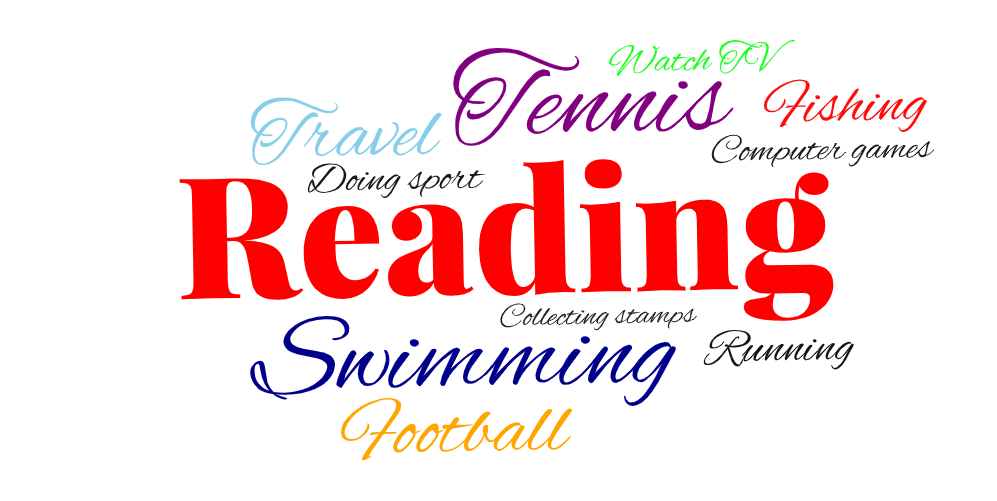
Picture 1. Lead-in task https://wordart.com/edit/4mob4wx79jcs
Vocabulary
-
Match this word combinitions with pictures
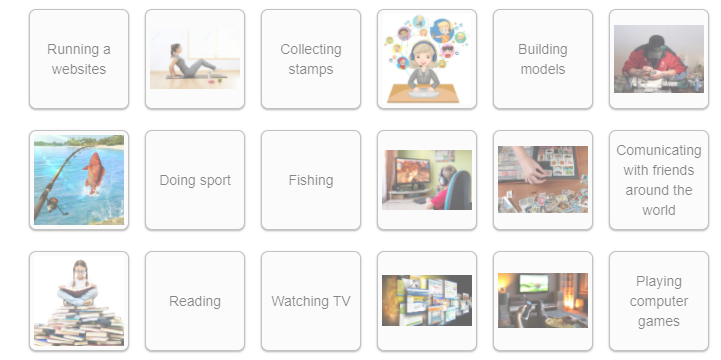
Figure 3. Vocabulary task https://learningapps.org/display?v=pt4hmz7ak21
-
Which hobby person describes (There are two extra)
|
Fishing |
Stamp collecting |
|
Running a websites |
Reading |
|
Building models |
|
-
My hobby is as popular as it ever was. It can be the sport or job. Even many young people fill their free time with ___. Because it is the best way to become calm and quiet. You relax breathing fresh air, your eyes enjoy the surrounding view beauty.
-
I do love it. It’s one of the first things that come to many people’s minds when they think about hobbies. Organizing my collection is the perfect way to relax. Some of ____ are worth a lot of money far more than I can afford.
-
My hobby has changed because of technology. In the past wood or plastic was used to make them. Modern ____ have all kinds of electronic and computerized parts making them more likely robots.
More words to learn to talk about hobbies:
Afford- to have enough money to buy something or enough time to do something.
Example: I can’t afford to buy a new computer.
Balance - the state of having your weight spread in such a way that you do not fall over.
Example: I lost my balance and fell off the bike.
Rhythm - a regular, repeating pattern of sound.
Example: You need a sense of rhythm to be a good dancer.
Traditional - following the customs or ways of behaving that have continued in a group of people or society for a long time.
Example: traditional clothes
Valuable - worth a lot of money/ useful.
Example: a valuable painting/ valuable information/ help/ advise.
Video arcade- is a place where you go to play computer games.
Weird - very strange/ odd.
Example: I had a weird dream last night.
Use the words or phrase from the box to complete the sentences

Afford / balance / rhythm / valuable/ traditional / video arcade/ weird
1. I don’t know if I can ___ to buy any new stamps for my collection.
2. It might sound a bit ___ , but in my leisure time I like to study grammar.
3. Let’s go down to the __ and play Alien Invasion.
4. One day, my collection of butterflies might be quite ____.
5. I prefer ___ songs to modern q-pop songs.
6. I’d like to try gymnastics, but I know I would keep losing my __ !
7. I like music that has a strong ___.
Reading
Answer the question?
-
Is it interesting to have hobby?
-
What hobbies are popular?
-
Do your friends have any hobbies?
-
What do they like to do?
What hobbies are popular in your country?

Figure 4. Reading task
Read the questions and choose YES or NO
-
Does Zhan like playing basketball?
-
Does Zhazi like reading comics?
-
Kemal’s hobby is painting pictures.
-
Do Nurila and Sanda like dancing?
-
Kemal’s sisters like shopping.
Grammar
Gerund
Gerund is a special form of the verb that looks like a verb with the ending -ing, but has the qualities of a noun (so it can answer the question "What?"). Gerund examples: reading, painting, swimming.
|
As a subject and object in a sentence (when they answer the question "What?") |
Playing computer game is my hobby. My favourite activity is painting. |
|
With verbs and phrases that indicate preference: like love hate dislike enjoy good at fond of keen on |
I hate waiting. She is fond of collecting stamps. |
|
After certain verbs: avoid mind suggest discuss keep miss practise quit recommend |
We kept running. Asylym suggested ordering pizza. I recommend you trying this sort of coffee. |
Table 2. Grammar. Gerund
Task
Complete these sentences with verbs in the box
|
Read – Watch – Meet – Drive – Write – Travel – Try – Eat –Go-Communicate |
Example: Do you miss playing basketball every evening?
-
Could you please stop …………….so much noise?
-
I do not enjoy ………….. letters.
-
My hobby is ………….
-
Dastan gave up …………… to be an actor and decided to become a doctor.
-
The phone rang while Zhuldyz was having dinner. She did not answer it; she just went on………..
-
I enjoy …………. TV
-
………….. a car is Aibar’shobby
-
I like………….. to movies
-
Her greatest pleasure is …………
-
She is fond of …………..with friends around the world
Listening
Pre-listening:
-
Do you have any hobbies?
-
Why have you chosen this hobby?
W
Merey’s hobbies

Click on the audio and listen to Merey.
She talks about hobbies.
Then complete the list.
A few of them are done for you.
Picture 5. Listening task
|
1. go to the gym |
6. |
|
2. |
7. |
|
3. skating |
8. |
|
4. |
9. play computer games |
|
5. |
10. |
Post listening:
-
What are good hobbies , and what are bad hobbies?
-
Do you think it is important for people to have hobbies?
-
Can hobbies have any negative qualities ?
-
What is the perfect hobby?
Speaking
Task 1. Answer the questions
-
Do you have a hobby?
-
What hobbies are popular in your country?
-
It is important to have a hobby?
Task 2. Describe a hobby you enjoy
You should say:
-
How long you have been doing it
-
How often you do it
-
What benefits you get from it
-
Explain why you enjoy it
Task 3. What hobbies are popular in your country?
Visit one of the sites http://miro.com , http://canva.com make a poster and present it
Writing
Write down essay about your hobby
You can use these phrases to write essay
-
I would like to tell you about my hobby……
-
A hobby is something you like to do in your free time. Hobbies make your life more interesting.
-
I have got a lot of different hobbies:.........
-
But my favourite hobby is…………
-
It helps me….. (to keep fit, to be sporty, to make new friends, to ne healthy, to learn new things, to visit different places)
-
On the one hand…….
-
I think it is……
-
In conclusion…………...

_________________________________________________________________________________________________________________________________________________________________________________________________________________________________________________________________________________________________________________________________________________________________________________________________________________________________________________________________________________________________________________________________________________________________________________________________________________________________________________________________________________________________________________________________________________________________________________________________________________________________________________________________________________________________________________________________________________________________________________________________________________________________________________________________________________________________________________________________________________________________________________________________________________________________________________________________________________________________________________________________________________________________________________________________________________________________________________________________________________________________________________________________________________________________________________________________________________________________________________________________________________________________________________________________________________________________________________________________
Theme: Travel and holidays
Grade: 6
Lead-in
-
Do you like travelling?
-
What is your favourite type of holiday?
-
What do you do on holidays?
Vocabulary
Types of holidays and activities
Match the pictures with the right words

Cruise Safari Sightseeing Beach holiday Walking holiday Skiing holiday
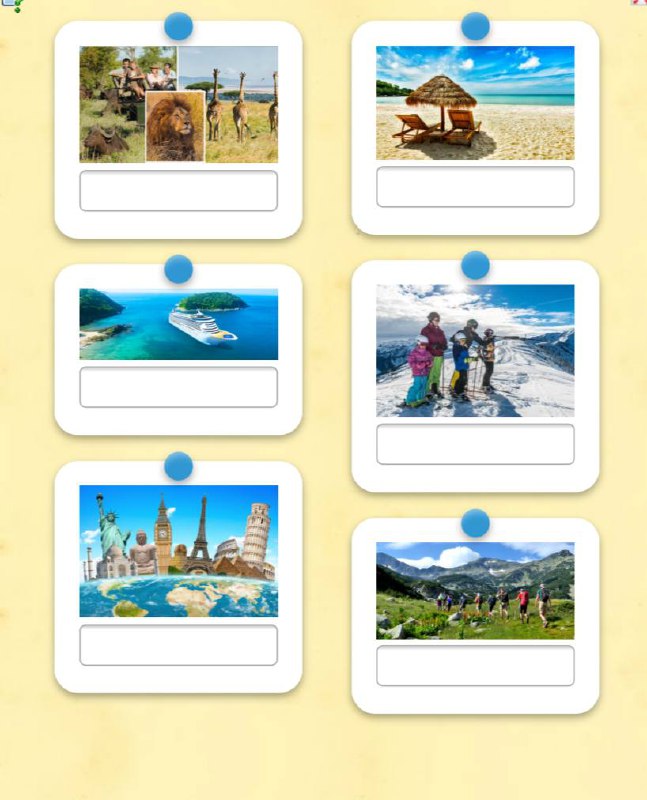
Picture 2. Vocabulary https://learningapps.org/display?v=p02zndmtt21
Task 1
Match the words to make phrases
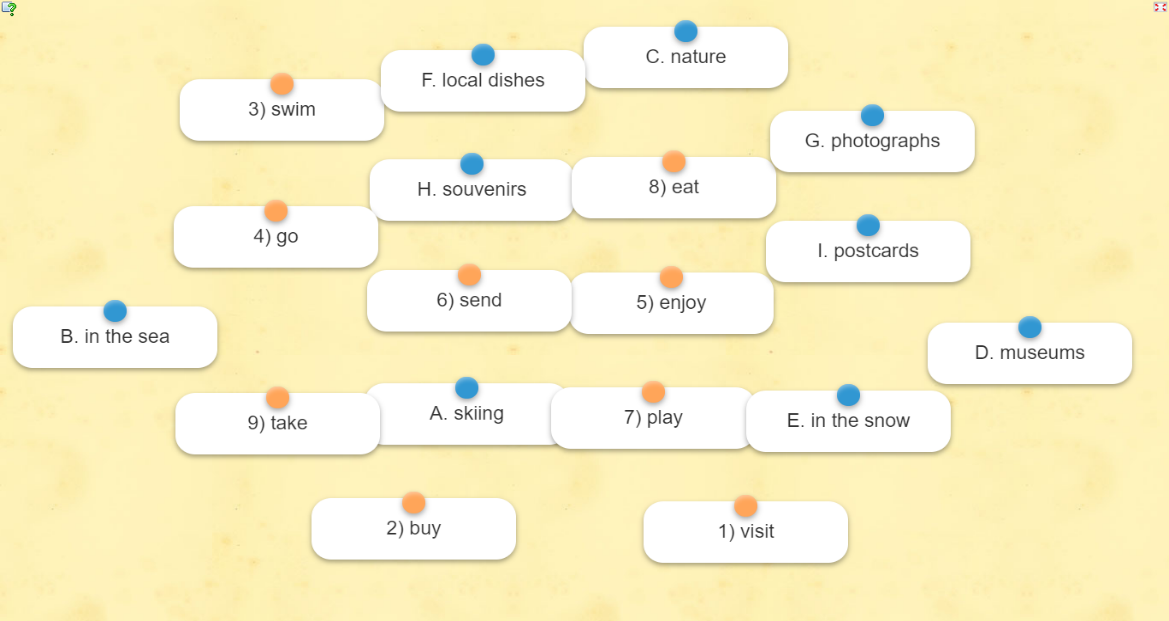
Figure 5. Vocabulary https://learningapps.org/display?v=p73ghjina21
Task 2
F
Visit Stay Send Swim Take Go Eat Sit Relax
ill in the correct verb from the list:This year, Nazym is going to spend her holiday by the sea. During her holiday:

She is going to:
1)….. in the seaall morning
2) ….. local dishes
3) ….. photographs
4) ….. by the pool
5) ….. at a hotel by the sea
S

She is not going to:
6)….. postcards to her friend
7)…..sightseeing
8)….. museum
Nazym feels so tired , so during holiday she just wants to
9) ….. and enjoy the sunshine

Figure 6. Vocabulary https://docs.google.com/document/d/1cnWTfJmyhckXtQLLAwKNrIFGLRIzcHT8iZEVE-UGc40/edit
Reading. An adventure story
-
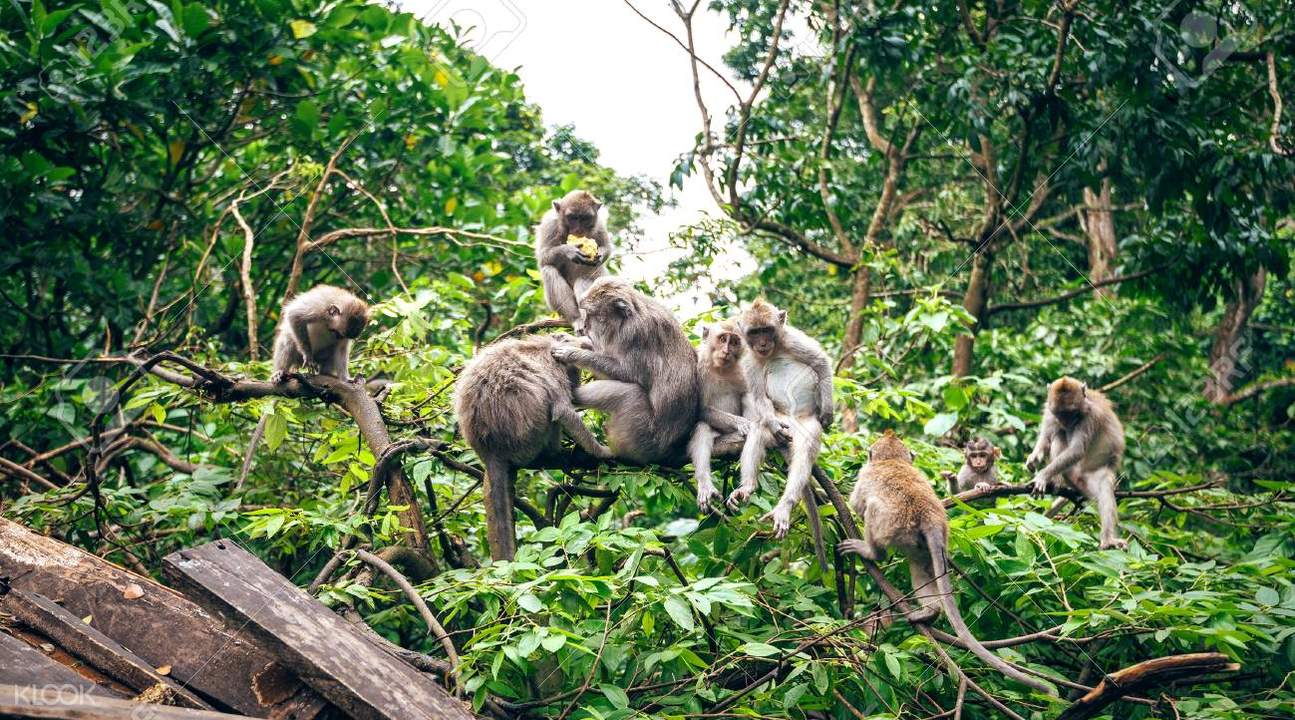
Look at the photos. Were are the people? What are they doing?
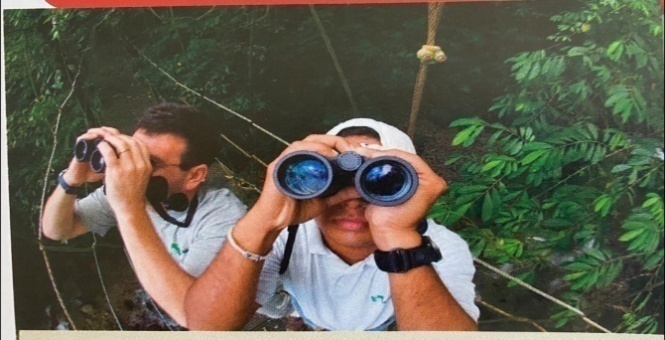
My brother Samat and I were on a jungle wildlife holiday with six other people and Zharas our guide. It was an amazing experience and we saw lots of monkeys, crocodiles and huge snakes. But one morning Samat and I did a very stupid thing.
We wanted to take photos of monkeys. We got up early and walked into the jungle. We did not have to go far before we heard some monkeys. We were excited and we followed the monkeys for about ten minutes. Suddenly, Samat stopped. He was worried. “ I am not going to walk further”, he said. “We will get lost. I am going back”
We looked around us. There were trees everywhere. The campsite was not far, but we had no idea which direction to take. “ I think we are already lost”, Samat said. “How are we going to get back? Nobody knows where we are. They will never find us”.
Then it started to rain. Luckily, I had a waterproof coat. We sat on our rucksacks with the coat over our heads. There were loads of mosquitoes and we had no insect repellent. We were scared and miserable.
After two hours, we heard a noise. It was Zharas and he was angry. “You are very lucky”, he said. But we were very happy. “We are never going to follow monkeys again”, we promised. Zharas laughed, “Come on. Let’s go back to camp”.
-
Read the Kanat’s an adventure story and choose the best title a-c. What stupid thing did Kanat and Samat do?
-
Camping in the jungle
-
Lost in the jungle
-
A jungle adventure
-
Read the text again and write true or false (T/F). Correct the false sentences.
-
Kanat was six other people in the jungle.
-
Kanat and Samat went into the jungle early in the morning.
-
They wanted to explore the jungle.
-
They were far from the campasite when they got lost.
-
They waited for two hours in the rain.
Grammar
I am going to…
We use am/is/are going to … for future:
Positive and negative
|
I He/she/it We/you/they |
am is are |
(not) going to |
do… drink… watch… |
Question
|
am is are |
I he/she/it we/you/they |
going to |
buy…? eat…? wear…? |
Will+infinitive (will be/ will win/ will come)
Positive and negative
|
I/we/you/they He/she/it |
will (’ll) will not (won’t) |
be win eat come |
Question
|
will |
I/we/you/they He/she/it |
be? win? eat? come? |
|
Yes, |
I/you/we/they/he/she/it |
will |
|
No, |
I/you/we/they/he/she/it |
will not |
Table 3. Grammar I am going to/ will+infinitive
Task 1
Imagine that you are going to have a one week holiday. What do you need to take with you? Name three main things…
Example: I am going to sightseeing.
I will take camera, map of the city, cash.
-
I am going to go to the skiing holiday.

I will take…
-
I am going to go to the beach holiday.

I will take…
-
I am going to go on a safari.
I will take….
Task 2
Complete the sentences. Use going to+ these words

stay eat watch wash give
Example: What are you going to wear to the birthday party tonight?
-
My hands are dirty. I …………………. them
-
I am hungry. I……………….. this sandwich
-
Your favourite programme is on TV tonight. …………. you ………….. it?
-
It is Marzhan’s birthday next week. We ……………….. her present.
-
Arman is going to Italy next week. He ……………… with some friends
Speaking (Creative work)
Learners work in a group of 6-7. Learners should present a mind map to the classmates. Learners brainstorm an appropriate vocabulary related to the topic Holidays and Travel. They present their mind maps to the class. As a model you can show mind maps from different links.
https://miro.com , https://spark.adobe.com
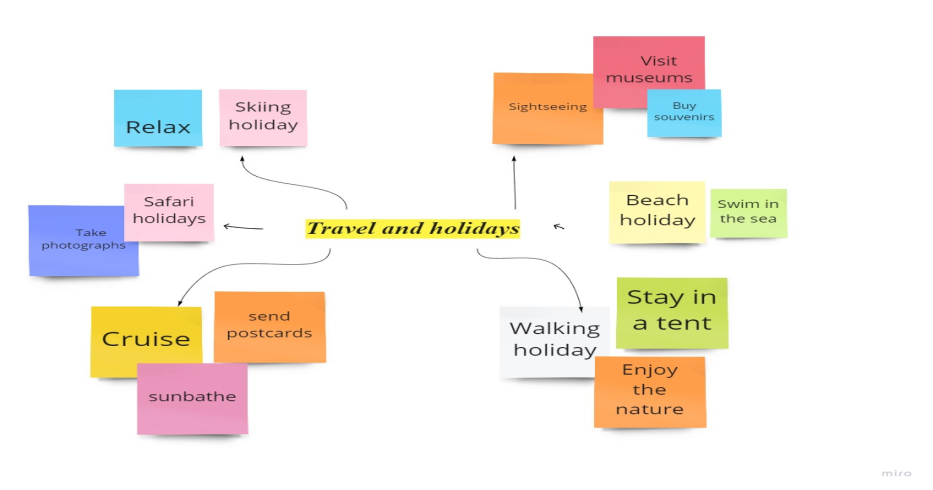
Figure 7. Speaking task https://miro.com/app/board/o9J_lKuGu1o=/
Listening
Pre - listening:
Look at the picture below and say that what it will be about?

Picture 3. Listening
While listening:
Listen to the audio and number the speakers
|
|
|
|
|
|
|
|
|
|
|
|
Table 4. Listening task
Post listening:
Fill in the gaps
-
I like walking holidays. I usually stay _________, take photographs and enjoy the ________
-
I like _________ holidays. I usually stay at the hotel, go skiing and play __________
-
I like beach holidays. I usually go _________, sunbathe and swim in the sea.
Holiday quiz:by following the link play the game
https://kahoot.it/challenge/01323274?challenge-id=5a7701fd-13f9-4b95-9c7f-2ab1f3cd8e0b_1618506723654
Writing
Write a letter
You have received a
letter from your English-speaking pen friend Andrea who
writes
… My parents and I are
going to France this summer, but I'm really frightened, because I'm
afraid of flying. What means of travelling do you like? Are you
afraid of flying? How can I overcome this
fear?
By the way, I took up
guitar
classes.
Write a letter to
Andrea.
In your
letter
• answer her
questions;
• ask 3 questions about
her guitar
classes.
Write 100–140
words.
Remember
the rules of letter writing.

_______________________________________________________________________________________________________________________________________________________________________________________________________________________________________________________________________________________________________________________________________________________________________________________________________________________________________________________________________________________________________________________________________________________________________________________________________________________________________________________________________________________________________________________________________________________________________________________________________________________________________________________________________________________________________________________________________________________________________________________________________________________________________________________________________________________________________________________________________________________________________________________________________________________________
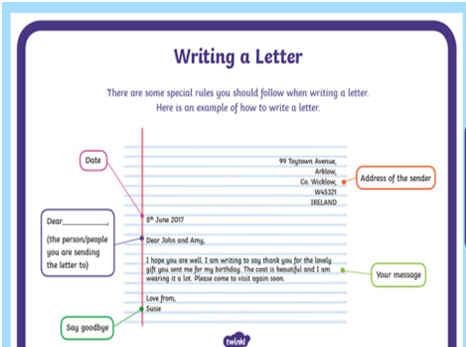
Picture 4 . Writing a letter (example)
CONCLUSION
Therefore, it is important to draw the following conclusions on the basis of the materials in this project:
1) In the modern world and under the conditions of democratization of the educational process, teachers must possess basic pedagogical technology and in particular, clearly implement pedagogical evaluation, use input and approach the learning process in an innovative way. The factors mentioned above will help to increase the standard of education.
2) A democratic model will be the most profitable pedagogical style for teaching.
3) It is advisable for the teacher not to exaggerate the effect of the mark on the child and to try to clarify to the students that compared to achieving good marks, development of information is a priority activity. Forms of new information technology in foreign language courses include the production of presentations, projects, blogs, journals, the development and creation of instructional materials, online research, webcam teleconferencing, electronic library, interactive courses, and the use of Internet tools.
Learning foreign languages through distance education is not a new type of education. Today, there are a huge number of educational platforms that allow you to learn foreign languages, independently planning the appropriate place and time of the lesson. In distance learning, an individual approach is successfully implemented, which takes into account the capabilities of students, their intellectual abilities, and overcomes psychological barriers in the development of educational material. The use of distance learning and the online environment allows students to foreign language through communication with native speakers, as there is the opportunity to communicate in various chat rooms and social networks where you can train not only speaking, but also grammar. When using this type of training, the teacher is given the opportunity to use all advanced technical training tools, such as video materials, presentations, electronic training programs and dictionaries, computer graphics, video conferences, and so on.
The use of Information technologies in foreign language courses therefore leads to the formation and enhancement of students' general educational skills; the extension of their language materials;
REFERENCES
-
Кунанбаева, С.С. Теория и практика современного иноязычного оброзования[Текст] / С.С. Кунанбаева. – Алматы, 2010. – 344 с.
-
Білімді ақпараттандыру және оқыту мәселелері [Мәтін]: Оқулық / Е.Ы. Бидайбеков, В.В. Гриншкун, Г.Б. Камалова,
Д.Н. Исабаева, Б.Ғ. Бостанов. – Алматы, 2014. – 352 б.
-
Azimov, E. G. New dictionary of methodological terms and concepts (theory and practice of language teaching) [Text]/ E.G. Azimov, A.N. Shchukin. Moscow: ICARUS, 2009. – 448 p.
-
Информационные технологии в образовании–2007. [Текст]: Сборник научных трудов участников VII научно-практической конференции-выставки 30–31 октября 2007 г. – Ростов: Ростиздат, 2007. – 142 с.
-
Сафонова, В.П. Современный урок иностранного языка [Текст] / В.П. Сафонова. – Москва: Учитель, 2011. –
-
Bim, I. L. Theory and practice of teaching a foreign language in high school [Text] I.L. Bim. –Moscow: Education, 1988. – 210 p.
-
Соловова, Е.Н. Методика обучения иностранным языкам[Текст] / базовый курс лекций/ Е.Н.Соловова. - Москва: Просвещение, 2005. -239 с.
-
Polat, E.S. New pedagogical and information technologies in the education system [Text] E.S. Polat. –Moscow: 1999.
-
Матухин, Д.Л. Методический потенциал электронных образовательных ресурсов в обучении иностранному языку в вузе [Текст] ∕ Д. Л. Матухин // Молодой ученый. - 2014. - №21. - С. 658-659.
-
Афанасьева, Л.П. Проблемы экспертизы ценности интернет-ресурсов на примере сайтов [Текст] / Л.П. Афанасьева // Вестник архивиста. – 2005. – № 4(88) – С.118–132.
-
Пасов, Е.И. Урок иностранного языка в средней школе [Текст] / Е.И. Пасов. –Москва: Просвещение, 1988. -223 с.
-
Сафанова, В.В. Проблемные задания на уроках английского языка в школе [Текст] / В.В.Сафанова. –Москва: Еврошкола, 2001. -271 с.









 Бұл курс Қазақстан Республикасы Оқу-ағарту министрлігімен келісілген