
 ЖИ көмекші


 Қауіпсіз төлем

жүктеу мүмкіндігіне ие боласыз
Бұл материал сайт қолданушысы жариялаған. Материалдың ішінде жазылған барлық ақпаратқа жауапкершілікті жариялаған қолданушы жауап береді. Ұстаз тілегі тек ақпаратты таратуға қолдау көрсетеді. Егер материал сіздің авторлық құқығыңызды бұзған болса немесе басқа да себептермен сайттан өшіру керек деп ойласаңыз осында жазыңыз
 03 Мамыр 2020
 2126

1 жыл бойы шексіз жүктеңіз
Биология пәні бойынша "Cell structure" тақырыбы бойынша ағылшын тілінде 9 сыныпқа арналған
Long-term plan unit: Cell biology |
School: # 6 school named after Zh. Zhabayev |
||||||||||||||||||||||||||||||||||||||||||||
Date: |
Teacher name: Aubakir A. G |
||||||||||||||||||||||||||||||||||||||||||||
Grade: 9 а, ә, б |
Number present: |
Absent: |
|||||||||||||||||||||||||||||||||||||||||||
Theme of the lesson |
Cell structure |
||||||||||||||||||||||||||||||||||||||||||||
Learning objectives that are achieved at this lesson (Subject Programme reference) |
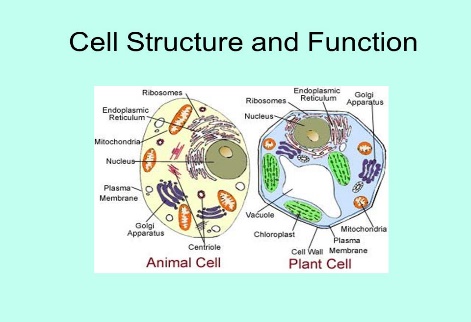
Compare the structure of animal and plant cells |
||||||||||||||||||||||||||||||||||||||||||||
Lesson objectives |
|
||||||||||||||||||||||||||||||||||||||||||||
Success criteria |
Learners achieve the learning objective if they: Learners can: Describes the structure of the cell 1. Determines the concept of "cell" 2. Describes the structural and functional parts of the cell |
||||||||||||||||||||||||||||||||||||||||||||
Language objectives |
Subject-specific vocabulary & terminology: Provides definitions of key terms related to plant and animal cells, eukaryotes and prokaryotes. Terminology
|
||||||||||||||||||||||||||||||||||||||||||||
Values instilled at the lesson |
|
||||||||||||||||||||||||||||||||||||||||||||
Cross-curricular links |
Medicine, Chemistry
|
||||||||||||||||||||||||||||||||||||||||||||
ICT skills |
Visualization of the learning process with the use of electronic sources Microsoft PowerPoint |
||||||||||||||||||||||||||||||||||||||||||||
Previous learning |
Immunity and vaccination in 7 grades. |
||||||||||||||||||||||||||||||||||||||||||||
Course of the lesson |
|||||||||||||||||||||||||||||||||||||||||||||
Planned stages of the lesson |
Planned activities at the lesson |
Resources |
|||||||||||||||||||||||||||||||||||||||||||
Beginning 0-10 min.
|
Teacher:
Look at the presentation and answer of this question: Human body has an average of 75 trillion cells. There are more than 75 million bacteria living in and on our body. How is this possible that we have more bacteria cells than own cells? |
Power Point
Stickers
|
|||||||||||||||||||||||||||||||||||||||||||
Middle part 10-75 min |
Step 1. Teacher will introduce students with interesting facts about cell biology
Step 2. Establish the theme of the lesson, objective and success criteria
Step 3. Video materials about cell and cell structure
Step 4. Work with text
The cell (from Latin cella, meaning "small room") is the basic structural, functional, and biological unit of all known organisms. A cell is the smallest unit of life. Cells are often called the "building blocks of life". The study of cells is called cell biology or cellular biology. Cells consist of cytoplasm enclosed within a membrane, which contains many biomolecules such as proteins and nucleic acids. Organisms can be classified as unicellular (consisting of a single cell;including bacteria)or multicellular (including plants and animals). The number of cells in plants and animals varies from species to species, it has been estimated that humans contain somewhere around 40 trillion (4×10¹³) cells. Most plant and animal cells are visible only under a microscope, with dimensions between 1 and 100 micrometres.
Step 5 . Tic-tac-toe” check-game. This check-game for checking students understanding. During this game students can choose any 3 questions and answer to them. All questions will be dividing according Blooms Taxonomy.
Step 6 Using the “Illustrations” method, you can see how a student is learning a new topic.
1)Disassemble the components of the animal cell.
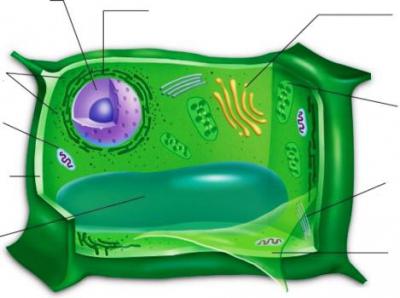
2)Disassemble the components of the plant cell.
Step 7 Method ANAGRAM
|
Power Point
Video material
https://www.youtube.com/watch?v=URUJD5NEXC8
Cards with questions
Pictures
http://images.myshared.ru/6/572382/slide_7.jpg
http://fb.ru/misc/i/thumb/a/5/7/7/9/1/3/577913.jpg
Task sheet
|
|||||||||||||||||||||||||||||||||||||||||||
End 75-80 min |
Return to theme and the lesson objectives. Teacher will check with students if they understand the lesson objectives and summarizing key points. Reflection
S
“This
topic helped me understand”…
|
Sticker
|
|||||||||||||||||||||||||||||||||||||||||||
Differentiation – how do you plan to give more support? How do you plan to challenge the more able learners? |
Assessment – how are you planning to check students learning? |
Health and safety regulations |
|||||||||||||||||||||||||||||||||||||||||||
Differentiation
All students will:
Most students will:
Higher ability learners
|
Diagnosis Assessment-Answers given to questions at the beginning to check previous knowledge will be noted by the teacher and misunderstanding will be clarified. Formative Assessment Students completed domino and diagnosis and treatment table will be assessed. Teacher can identify students understanding during “Tic-tac-toe” check-game. Each student can decide themselves which level of questions will be more comfortable to explain. Its can help teacher to understand on which level (according Blooms taxonomy) they are. Lastly students can check their progress during writing quiz with A level questions. |
Comply with health-saving technologies |
|||||||||||||||||||||||||||||||||||||||||||
Reflection
Were the lesson objectives/learning objectives realistic? Did all learners achieve the LO? If not, why? Did my planned differentiation work well? Did I stick to timings? What changes did I make from my plan and why? |
Use the space below to reflect on your lesson. Answer the most relevant questions from the box on the left about your lesson. |
||||||||||||||||||||||||||||||||||||||||||||
|
|||||||||||||||||||||||||||||||||||||||||||||
Summary evaluation What two things went really well (consider both teaching and learning)? 1: 2: What two things would have improved the lesson (consider both teaching and learning)? 1: 2: What have I learned from this lesson about the class or achievements/difficulties of individuals that will inform my next lesson?
|
|||||||||||||||||||||||||||||||||||||||||||||










 Бұл курс Қазақстан Республикасы Оқу-ағарту министрлігімен келісілген










