
 ЖИ көмекші


 Қауіпсіз төлем

жүктеу мүмкіндігіне ие боласыз
Бұл материал сайт қолданушысы жариялаған. Материалдың ішінде жазылған барлық ақпаратқа жауапкершілікті жариялаған қолданушы жауап береді. Ұстаз тілегі тек ақпаратты таратуға қолдау көрсетеді. Егер материал сіздің авторлық құқығыңызды бұзған болса немесе басқа да себептермен сайттан өшіру керек деп ойласаңыз осында жазыңыз
 27 Қараша 2021
 497

1 жыл бойы шексіз жүктеңіз
Body parts Grade:3
|
Unit 1. Animal types Theme of the lesson: Body Parts |
School: № 8 named after Kashagan Kurzhimanuly in Zhanaozen |
||||
|
Date: 16.10.2020 |
Teacher name: Zhalikova Raushan |
||||
|
Class: 3 grade |
Present:14 |
Absent: 0 |
|||
|
Learning objectives |
3.1.6 understand some specific information and detail of short, supported information or talk on a limited range of general and some curricular topics; 3.2.1 recognize, identify and sound with support a limited range of familiar words in simple sentences 3.5.1 understand and familiar with grammar have got\has got |
||||
|
Level of thinking skills |
Knowledge, Understanding and Application |
||||
|
Assessment Criteria |
|
||||
|
Lesson objectives(s) That lesson is contributing to |
All learners will be able to: read and understand the main fact about body parts of animals; use grammar have got\has got Most learners will be able to: identify and name animal body parts with using some of the new words Some learners will be able to: talk about animal body parts and make simple sentences using has got\have got |
||||
|
Language objectives |
Key words: hair, legs, nose, head, hands, ears, mouth, eyes |
||||
|
Learners can: Pronounce body parts |
|||||
|
Cross curricular links |
Geography, Biology |
||||
|
Values links |
Universal Labor Society |
||||
|
Previous learning |
Learners have information about body parts |
||||
|
Plan |
|||||
|
Planned things |
Planned activities |
Resources |
|||
|
Start 3 min 2min 2 min |
Greeting. Dialog with learners about atmosphere in the class. Attracting their attention to the lesson.
Strategy: «Brainstorming» I'll give learners some flashcards and ask questions to define the topic.I lay out the cards, one by one, and show words to pupils without saying new words. Learners must guess today’s theme. Then learners repeat, in all together and individually.
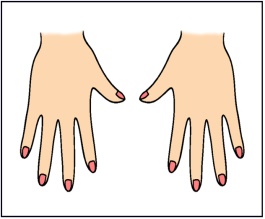
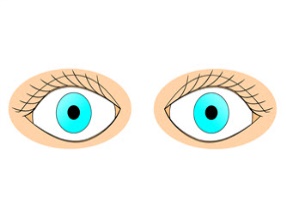
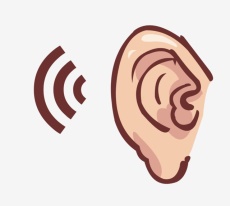
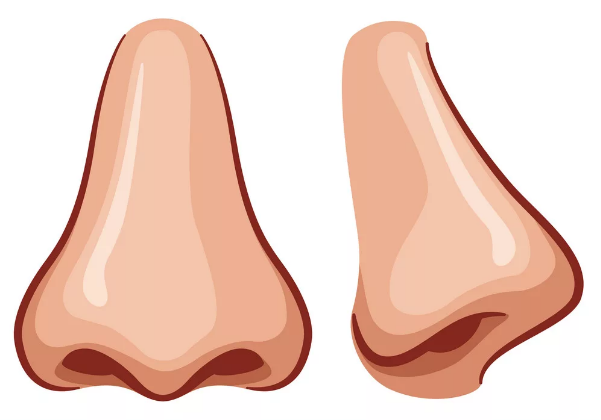
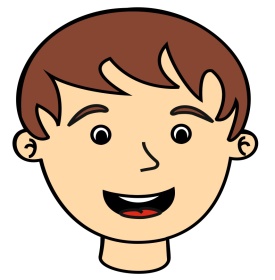
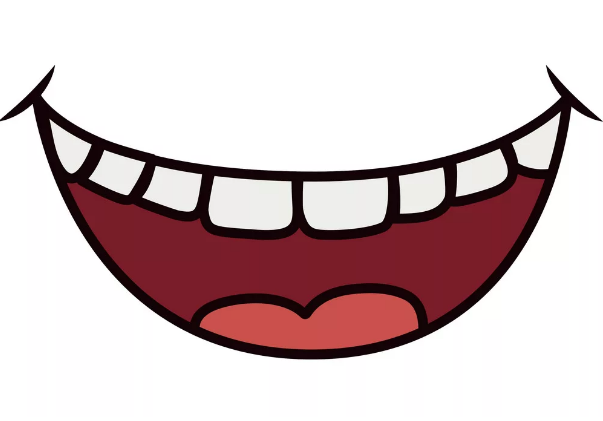
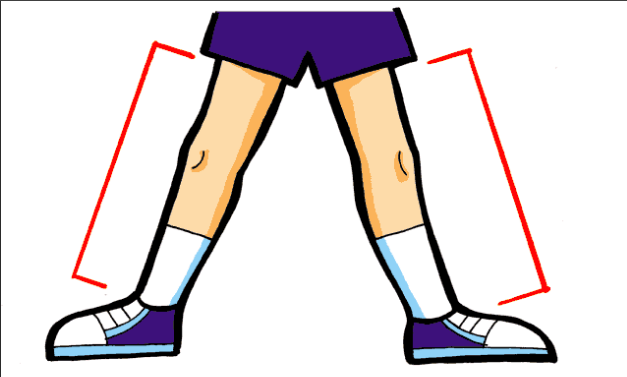
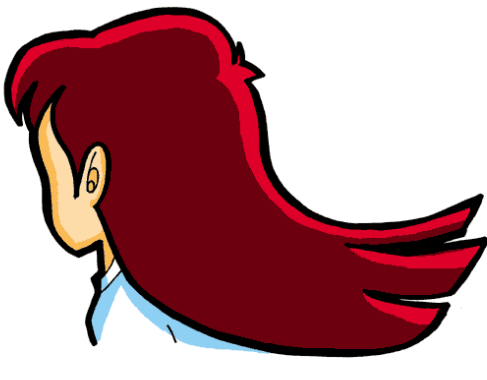
Hands Eyes Ear Nose
Head Mouth Legs Hair Strategy: «Puzzle» The task to consolidate new words: rearrange the letters and find the words. In this task I’ll hang special letters on the board in different places and call 4 learners and give them 30 seconds, learners need to make correct words.
Check their answers. Answer key : 2-mouth 3-eyes 4- ears 5-nose 6-legs |
Pictures of mammals, reptiles and birds Flashcards: https://3.bp.blogspot.com/_AsW-lOVBuzE/TCXylYiOxDI/AAAAAAAADhM/aU2mEj8tM7g/s1600/a9d1990c_hands.jpg |
|||
|
Middle 13 min |
Explain grammar: Have got and has got
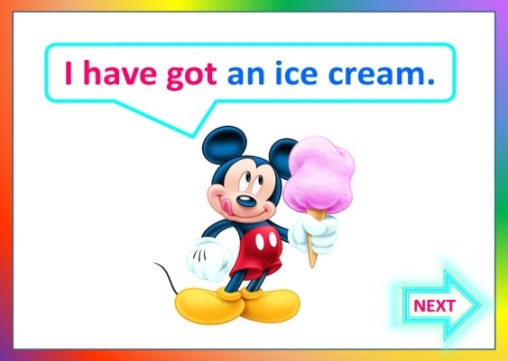
- Learners look at this picture, what do we see? - It’s Mickey Mouse - Well, what does he has in his hand? - Ice cream and umbrella… - Yes, you are quite right, but you must answer with structure Have got\ has got The verbs have got and has got means to have or possess something For example: I have got an ice cream She\He has got an ice cream And also, have got\has got verbs is often abbreviated. For example: I’ve got an ice cream She\He’s got an ice cream In English, nouns can refer to one or more than one person, animal or thing. A noun that name one person or thing is called a singular noun: For example: Boy, cat, house A noun that names more than one person or thing is called a plural nouns For example: Boys, cats, houses We add S to most of the nouns to show plural forms All learners will be able to: read and understand the main fact about part of animals; use grammar have got\has got Task-1.Complete. Use have got or has got. Go through the Study spot section briefly. Allow the pupils some time to complete the activity.
Answer key:2-has got, 3-have got, 4-have got, 5-has got ,6-have got |
https://images.slideplayer.com/24/7321507/slides/slide_2.jpg Task-7 on page 7 (Smiles Pupil’s book) |
|||
|
Descriptor: |
A learner: • understands the grammar correctly • spells the words correctly • makes simple sentences with ‘have got\has got’ |
|
|||
|
Assessment |
Assessment: ( by points and comments ) 1-4 points «Unsatisfactory» 5-6 points «Satisfactory» 7-8 points «Good» 9-10 points «Excellent» |
|
|||
|
7 min |
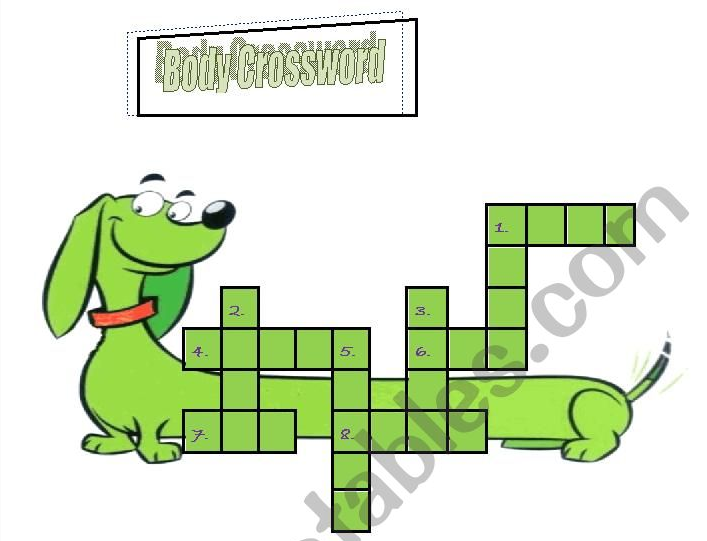
Most learners will be able to: identify and name animal body parts with using some of the new words Task-2 Listen and complete the crossword. Strategy : «Crossword »
Across: 1.Contains the face 4.Used to eat and talk 6.The part of the body that senses sound 8. We sense smell with this part of the body. Down: 1.The long strands that grow on the top of our head 2. The entire structure of an organism. 3. We walk on these 5.We can do amazing things with them Answer key: 1.head 4-mouth. 6-ears. 8-nose. 1-hair.2-body. 3-legs.5-hands |
|
|||
|
Descriptor |
A learner: • finds and answers correctly • listens and checks the words correctly |
|
|||
|
Assessment |
Assessment: ( by points and comments ) 1-3 points «Unsatisfactory» 4-6 points «Satisfactory» 7-8 points «Good» 9-10 points «Excellent» |
|
|||
|
8 min |
Some learners will be able to: talk about animal’s body parts and make simple sentences using has got\have got Task-3.Count and write. Then say. I'll hang a picture of a monster like in a book on a board take a ball in my hands and throw it to the children and say : How many hands it has? How many legs it has? How many eyes it has? How many nose it has? How many ears it has? and I'll throw it one by one .Then we will collect the monster’s appearance. Pupils report back to the class forming complete sentences with the verb ‘have got’ Check their answers. Answer key: b 4 c 3 d 3 e 4 f 5 Answer key: It’s got four eyes. It’s got four hands. It’s got three noses. It’s got five legs. It’s got three ears. |
Task-8 on page 7 (Smiles Pupil’s book) |
|||
|
Descriptor: |
A learner: • formulates words with have got\has got • answers questions using verbs have got\has got • exchanges their opinions and check themselves |
|
|||
|
Assessment |
Assessment: ( by points and comments) 1-4 points «Unsatisfactory» 5-6 points «Satisfactory» 7-8 points «Good» 9-10 points «Excellent» |
 Материалды Word форматында жүктеп аласыз
Тарифке кіреді
2 ұстаз жүктеп алған  27 қараша  497
Бұл материалды қолданушы жариялаған. UstazTilegi материалдың мазмұны мен авторлық құқықтарына жауап бермейді. Авторлық құқық бұзылған жағдайда шағым қалдыра аласыз   "Ұстаз" платформасында тіркелген пәндік олимпиадалар
Аттестацияға жарамды екенін көру үшін "Ұстаз" платформасында "Жарыстар, олимпиадалар тізімінен "Ustaz tilegi" деп іздесеңіз шығады
 Қазақстандағы ең үлкен материалдар базасынан іздеу Сіз үшін 400 000 ұстаздардың еңбегі мен тәжірибесін біріктіріп, ең үлкен материалдар базасын жасадық. Төменде керек материалды іздеп, жүктеп алып сабағыңызға қолдана аласыз Министірлікпен келісілген Аттестацияға жарамды курстар тізімі | |||




 Бұл курс Қазақстан Республикасы Оқу-ағарту министрлігімен келісілген










