
 ЖИ көмекші


 Қауіпсіз төлем

жүктеу мүмкіндігіне ие боласыз
Бұл материал сайт қолданушысы жариялаған. Материалдың ішінде жазылған барлық ақпаратқа жауапкершілікті жариялаған қолданушы жауап береді. Ұстаз тілегі тек ақпаратты таратуға қолдау көрсетеді. Егер материал сіздің авторлық құқығыңызды бұзған болса немесе басқа да себептермен сайттан өшіру керек деп ойласаңыз осында жазыңыз
 16 Наурыз 2022
 598

1 жыл бойы шексіз жүктеңіз
books and writers
|
Lesson stage Time |
Teacher’s activity |
Students’ activity |
Assessment |
Resourses |
|
10 min |
Greeting The teacher sets the lesson objectives, letting students know what to anticipate from the lesson. The students are asked to predict the topic of the lesson. What day is it today? Who is absent?
Warm-up “A 5 minute activity” Students will increase their knowledge of the topic. The task forces students to think critically, choosing the words that best fit. And checking homework |
Answer questions Get acquainted with the topic,
goals and criteria of the lesson |
Commenting on the students' answers |
student’s book presentation |
|
Presentation and practice 25
min |
Exercise 1. Look at the photos of two young authors. What kind of books do you think they write? 2 2.25 Read and listen to the text. Check your answers to exercise 1. 3 Read the text again. Decide if each sentence is true for Helena (H), Christopher (C) or both (B). 1 His / Her books are very popular in the USA. … 2 He / She likes reading books. … 3 The main character in his / her books is a teenager. … 4 He / She is continuing to study. 5 You can enjoy his / her stories in different ways. … 6 He / She is grateful for the support of family members.… 4 BUILD YOUR VOCABULARY Find the words in blue in the text. Match them with the definitions. 1 a book that a very large number of people buy _ 2 a business that produces and sells books … 3 the place and time where a story takes place … 4 a set of novels that go together … 5 a person in a novel 5 ABOUT YOU Ask and answer the questions. 1 Do you enjoy fantasy novels? Why? 2 Do you know any video games or films that were books first? Which ones? 3 What would you like to write a book about? |
• Ask students to look at the photographs of the authors and ask them what kind of books they write and why. Accept all answers. Add supplementary questions, such as How old are the writers in the photos? and How old were they when they started writing? • Play the recording for students to listen to while they read the text. Stop the recording after the first text and ask the questions again for students to give the correct ones. Then do the same for the text on Christopher. • Play the recording again for students who struggled, to see if they can hear the answers now they know what they are. • Students read the text again and do the exercise individually, before checking the answers with a partner. • When you have been through the answers, ask students if they have heard of the authors or their books. If they have, ask students if they have read any of the books and whether they liked them. ANSWERS 1 B 2B 3 B 4 H 5 C 6 H Exercise 4 • * Draw students' attention to the words in blue in the text. Tell students to read the definitions carefully and match them to the blue words. Ask them to compare their answers with a partner when they have finished. ANSWERS 1 bestseller 2 publisher 3 setting 4 series 5 character Exercise 5 • Put students in small groups to discuss the About You questions. Monitor and make sure everyone contributes • When they have answered all the questions, get fesece by asking a few students what they have learned to other members of the group. |
Formative assessment: for 10 points students should: Ex 1,2 = 4 points; ex 3-5 = 4 points; use the words and key phrases = 1 points. for an additional task = 1
point |
student’s book presentation |
|
Ending the lesson 5 min |
Summing up the results of the lesson Writing the home task |
Sum up the lesson Write the task |
|
presentation |
|
Reflection 5 min |
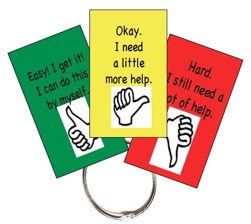
“Green, yellow and red” Give each student three cards. Each card represents how students feel about the lesson material: • Green: I get it! I can do this by myself and even explain to others. • Yellow: I need a little more help. • Red: I don’t get it, I need a lot of help.
|
Independently assess the state, emotions, results of their activities |
Self-assessment of the completion and assimilation of the passed material |
presentation |









 Бұл курс Қазақстан Республикасы Оқу-ағарту министрлігімен келісілген










