|
Sections
|
What and How? Describe
Activities
|
Time
|
|
1. Warm up and/or review
Review previously learned
content to begin a new lesson. Create an environment for
learning
|
Student chose one cards. Who chose animals
will be In the fauna group.
|
3
min
|
|
2. Introduction
Get students interested in what is to be
discussed in the lesson
|
What is ontgenesis?
Ontogenesis- the process of an individual organism growing
organically; a purely biological unfolding of events involved in an
organism changing gradually from a simple to a more complex
level
|
3
min
|
|
3. Presentation
Teach the new information
or skill using a variety of strategies (monitor students during
this time and provide support)
|
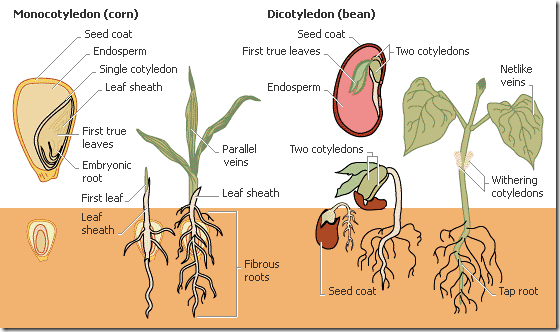
1. Ontogenesis of plants
|
Annual
plants
|
Biennial plants
|
Perennial plants
|
|
An annual plant is a
plant that completes its life cycle, from germination to the
production of seeds, within one year, and then dies.
|
A biennial plant is a
flowering plant that takes two years to complete its biological
lifecycling. In the first year, the plant grows leaves, stems, and
roots (vegetative structures), next summer the
plant flowers , producing fruits and seeds before it finally dies.
|
A perennial plant is a
plant that lives more than two years
|
2. Ontogenesis of
animals
|
Embryogenesis
|
Post -embryogenesis
|
|
Embryogenesis is the process by which the embryo forms and
develops.
Blastula single-layer fetus. Gastrula two-layer
fetus. Neurula is formed at the end of the gastrula.
The outer layer of the
fetal cell is ectoderm. The middle layer of the mesoderm. The
inland layer of entoderm.
|
Define direct development: development without
metamorphosis.
Metamorphosis is a
biological process by which an animal physically develops after
birth or hatching, involving a conspicuous and relatively abrupt
change in the animal's body structure through cell growth and
differentiation.
|
|
15 min
|
|
4.
Practice
Let the students practice
the new skill in an activity. Make it safe for them to make
mistakes. Remember that the best lessons have more practice than
presentation
|
Task 1
|
1
|
plant
that completes its life cycle, from germination to the production
of seeds, within one year, and then dies.
|
|
|
2
|
flowering
plant that takes two years to complete its biological lifecycling.
In the first year, the plant grows leaves, stems, and roots
(vegetative structures), next summer the plant flowers , producing fruits and seeds before it finally dies.
|
|
|
3
|
plant
that lives more than two years
|
|
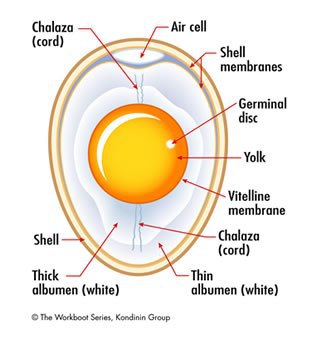
Task 2
|
8 min
|
|
5.
Evaluation
Evaluate the students to
see if they can perform the skill just practiced. Use a checklist,
quiz, a report-back session or other means of
assessment.
|
«Who is fast?»
Ontogenesis
is
Monocotyledonous plants
are
Dicotyledonous plants
are
Annual plant is
Biennial plant is
Perennial plant
is
Embryogenesis is
Post -embryogenesis
is
|
3 min
|
|
6.
Application
Create an activity in the
classroom where students apply the new information or skill to
their own lives. Simulate real world application of the skill as
much as possible..


|
Metamorfisis of
butterflies [video]
Task 4
|
5 min
|
|
7.
Reflection
End the lesson. Create an
activity that asks students to reflect on what they have learned
and how and when they will use it, whether they enjoyed learning
about it and found it easy or difficult
|
Today we have information
about ontogenesis of plants and animals. Is it important for a
person to be?
|
3 min
|

 ЖИ көмекші


 Қауіпсіз төлем













 Бұл курс Қазақстан Республикасы Оқу-ағарту министрлігімен келісілген










