
 ЖИ көмекші


жүктеу мүмкіндігіне ие боласыз
Бұл материал сайт қолданушысы жариялаған. Материалдың ішінде жазылған барлық ақпаратқа жауапкершілікті жариялаған қолданушы жауап береді. Ұстаз тілегі тек ақпаратты таратуға қолдау көрсетеді. Егер материал сіздің авторлық құқығыңызды бұзған болса немесе басқа да себептермен сайттан өшіру керек деп ойласаңыз осында жазыңыз
 08 Қараша 2018
 1320
1320
Clothes and Fashion CLASS: 7
Short term plan
Lesson plan
|
Unit 9: Clothes and Fashion |
School: |
||||||
|
Date: |
Teacher name: |
||||||
|
CLASS: 7 |
Number present: |
absent: |
|||||
|
Lesson title |
Researching how clothes are made and materials used 2 |
||||||
|
Learning objectives(s) that this lesson is contributing to (link to the Subject program) |
7.C9 use imagination to express thoughts, ideas, experiences and feelings 7.L6 deduce meaning from context with little support in extended talk on a limited range of general and curricular topics 7.S5 keep interaction with peers to negotiate, agree and organize priorities and plans for completing classroom tasks |
||||||
|
Lesson objectives |
All learners will be able to: understand the main idea from context with little support of the text. Most learners will be able to: make up sentences using topical vocabulary Some learners will be able to: explain opinions, ask the questions and answer the questions of the text |
||||||
|
Level of thinking skills |
Higher order comprehension: Application Analysis |
||||||
|
Assessment criteria |
- Identify the main points of supported extended talk on a range of general and curricular topics; - apply vocabulary in a limited range of general topics; - explain views with peers, to negotiate, agree and organize priorities and plans for completing classroom tasks . |
||||||
|
Value links |
Economic growth based on industrialization and innovation |
||||||
|
Cross-curricular links |
Technology, Art |
||||||
|
Previous learning |
Researching how clothes are made and materials used 1 |
||||||
|
Plan |
|||||||
|
Planned timings |
Planned activities (replace the notes below with your planned activities) |
Resources |
|||||
|
Start 3 min
|
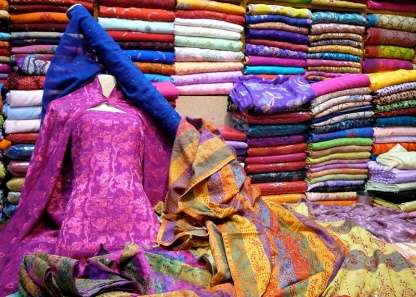
Org. moment Greeting Dividing into 3 groups by materials Silk, wool, denim Groups evaluate each other on the table of assessment that making up together with learners. Warm-up: Choose some pictures of materials that are familiar to students. Show students a small portion of the picture. Get them to guess what the picture might be. |
|
|||||
|
Middle 5 min 17 min
15 min |
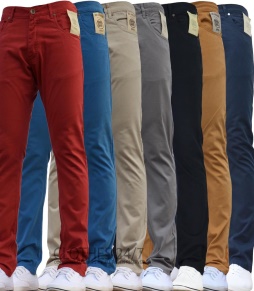
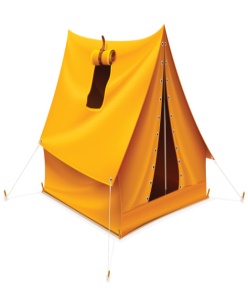
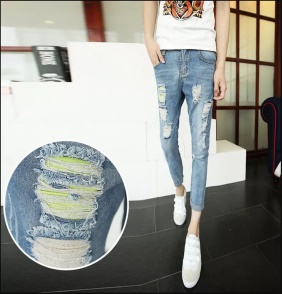
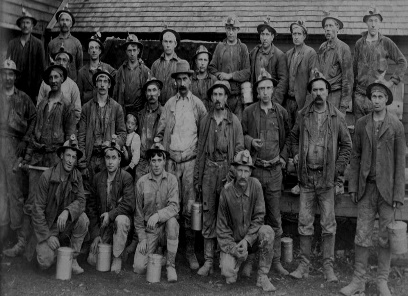
Revision of vocabulary Brain storming to lead in the theme. A learner writes one word from the theme “Different types of materials” on a sheet of paper and sticks it on the board. Corduroy Leather Nylon Denim Polyester Silk Wool Straw Presentation New words Cloth – a fabric formed by weaving, felting, etc., from wool, hair, silk, flax, cotton, or other fiber, used for garments, upholstery, and many other items. Tent – a portable shelter of skins, canvas, plastic, or the like, supported by one or more poles or a frame and often secured by ropes fastened to pegs in the ground. Miner - also called mineworker. a person who works in a mine, especially a commercial mine producing coal or metallic ores. Pants - trousers Hole - an opening through something; gap; aperture: a hole in the roof; a hole in my sock.
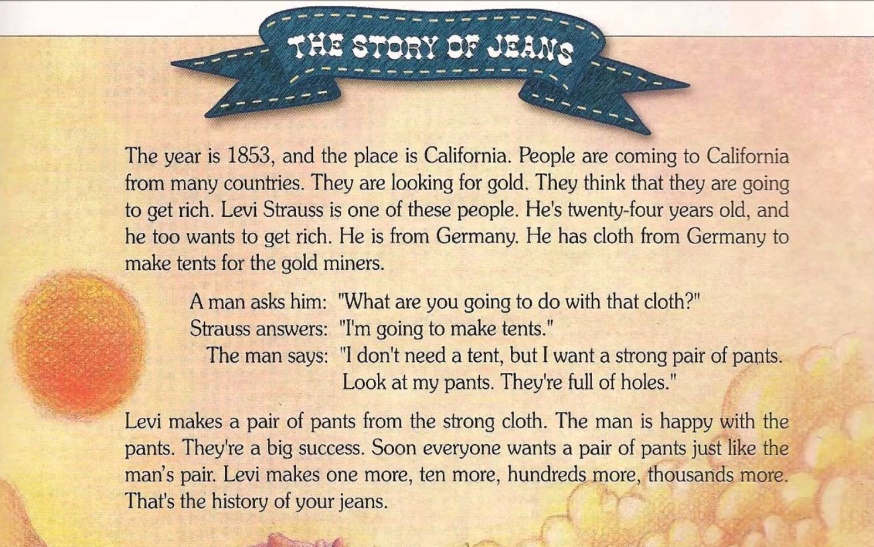
Audio “The Story of Jeans” The audio is listened very attentively and repeated. Introduce groups about jeans with particular focus on where jeans come from. Found new words from text and read the words chorally and individually.
Question-answer work 1 What did you hear in the audio? 2 Who are the main characters? 3 What material is spoken in audio?
Task 1. Jumbled text The groups are given jumbled text from the audio. Descriptor: Learners should to collect jumbled sentences.
Wake up
Task 2. Make poster “ Project of Denim clothing” draws a picture of the jeans and describes how it is made (materials) to classmates. Descriptors: Works in a group Uses topical vocabulary Presents project work to the class. |
Pictionary www.google.com Using ICT https://youtu.be/HH-HmrpEh7Y CD-ROM |
|||||
|
End 5 min |
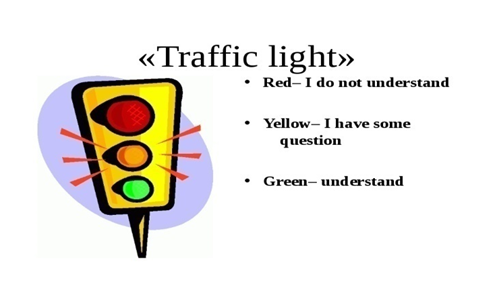
All the end of the lesson, learners reflect on: -what they learned -what remained unclear for them - what they need to continue working on by the “Traffic lights” |
|
|||||
|
Additional information |
|||||||
|
Differentiation: Task I by support. I will write the questions in the correct order some events with little support of the audio. Task II by support. I will write new vocabulary and some model questions on the board to help weaker learners explain your project.
|
Criteria – based assessment: Learners were given definite criteria at the beginning of the lesson. Groups evaluate each other on the table of assessment given at the beginning of the lesson. |
Health saving technologies. Using physical exercises and active activities. Keep safety rules while lesson.
|
|||||
|
Reflection
|
Use the space below to reflect on your lesson. Answer the most relevant questions from the box on the left about your lesson. |
|
|||||
|
|
|
||||||

 Жүктеу


 Жүктеу
шағым қалдыра аласыз

 Бұл курс Қазақстан Республикасы Оқу-ағарту министрлігімен келісілген










