
 ЖИ көмекші


 Қауіпсіз төлем

жүктеу мүмкіндігіне ие боласыз
Бұл материал сайт қолданушысы жариялаған. Материалдың ішінде жазылған барлық ақпаратқа жауапкершілікті жариялаған қолданушы жауап береді. Ұстаз тілегі тек ақпаратты таратуға қолдау көрсетеді. Егер материал сіздің авторлық құқығыңызды бұзған болса немесе басқа да себептермен сайттан өшіру керек деп ойласаңыз осында жазыңыз
 22 Желтоқсан 2017
 1736

1 жыл бойы шексіз жүктеңіз
Discussing healthy habits and healthy living and learning about the food pyramid
|
LESSON: Discussing healthy habits and healthy living and learning about the food pyramid. |
School: school № 16 Aktau |
||||||||||||||||||||||||||||||||||
|
DATE: |
Teacher name: Tuyeshiyeva Zulfiya |
||||||||||||||||||||||||||||||||||
|
Class: grade 7 |
Present:12 |
Absent:0 |
|||||||||||||||||||||||||||||||||
|
Learning objectives |
7. 7. L4 understand with little support some of the implied meaning in extended talk on a limited range of general and curricular topics. S7 use appropriate subject-specific vocabulary and syntax to talk about a range of general topics, and some curricular topics. 7. UE8 use a growing variety of future forms including Present Continuous with future meaning on a range of familiar general and curricular topics. |
||||||||||||||||||||||||||||||||||
|
Level of thinking skills |
Higher order of thinking levels |
||||||||||||||||||||||||||||||||||
|
Assessment Criteria |
|
||||||||||||||||||||||||||||||||||
|
Lesson objectives |
All learners will be able to:
Most learners will be able to:
Some learners will be able to:
|
||||||||||||||||||||||||||||||||||
|
Language objectives |
Key words: Useful classroom language/dialogue What habits are healthy/ unhealthy? Food Pyramid, healthy/ unhealthy eating |
||||||||||||||||||||||||||||||||||
|
Cross curricular links |
Biology, The Kazakh Language. |
||||||||||||||||||||||||||||||||||
|
Values links |
respect, cooperation, hardworking |
||||||||||||||||||||||||||||||||||
|
Previous learning |
Natural disasters. Fill in the cluster. Cluster strategy. (W)
Natural disaster
  
|
||||||||||||||||||||||||||||||||||
|
Plan |
|||||||||||||||||||||||||||||||||||
|
Planned things |
Planned activities |
Resources |
|||||||||||||||||||||||||||||||||
|
Start 10 min |
Greetings Dialogue with the duty Divide the students into 2 groups by the cards. Group I- Fruits Group II- Vegetables
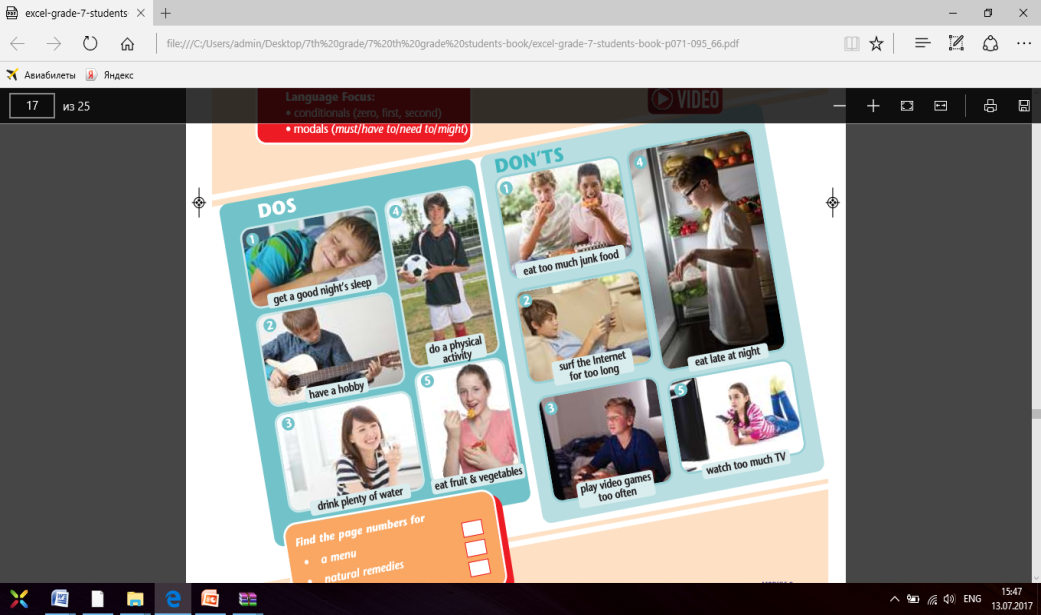
Look at the interactive board. What can you see in the picture? Showing pictures one by one to ask learners the questions: Strategy “Concept questions”
Health, healthy, fit, lifestyle, portion, ingredients, cereal. |
Cards with suitable pictures. Student`s book. P.87 |
|||||||||||||||||||||||||||||||||
|
Middle 15 min |
Strategy “Unscramble the words ” Rearrange the letters to make a word. (G) 1 group. Elhtah – health Triuf – fruit Odof – food 2 group. Yhetalh – healthy Tegveabel – vegetable Itf - fit
These days, I feel a little bit lazy. It’s time to make some lifestyle changes! My friend Martin says that exercise and healthy eating are really important. I’m going to be more like Martin. I’m going to join the gym and get fit. I’m going to eat five portions of fruit and vegetables every day. Fruits and vegetables have many vitamins and minerals that our bodies need. I’m going to have three healthy meals – breakfast, lunch and dinner – and I’m going to cook all my food myself with fresh ingredients– no more fast food for me! I’m going to drink lots of water. I’m going to stop smoking. I’m going to stop going to the pub. I’m going to stop driving and start walking. I’m going to stop watching TV and start running. I’m going to go to bed early and get at least eight hours’ sleep every night. From now on, I’m going to be so healthy! …Tomorrow, I’m going to get fit and healthy…
Fill the gaps with the missing words.
|
cards https://esol.britishcouncil.org/content/learners/.../listening |
|||||||||||||||||||||||||||||||||
|
Descriptor |
A learner:
|
|
|||||||||||||||||||||||||||||||||
|
Assessment |
Formative assessment: pupils get figures
|
Colored cards |
|||||||||||||||||||||||||||||||||
|
10 min |
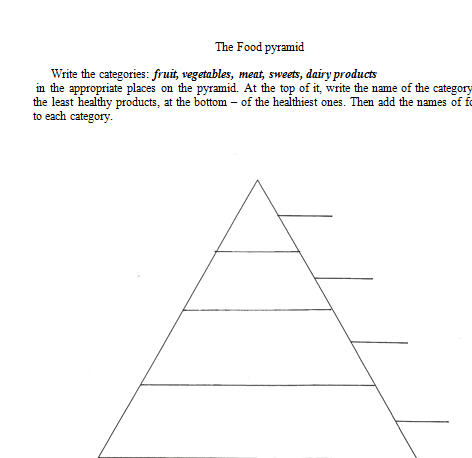
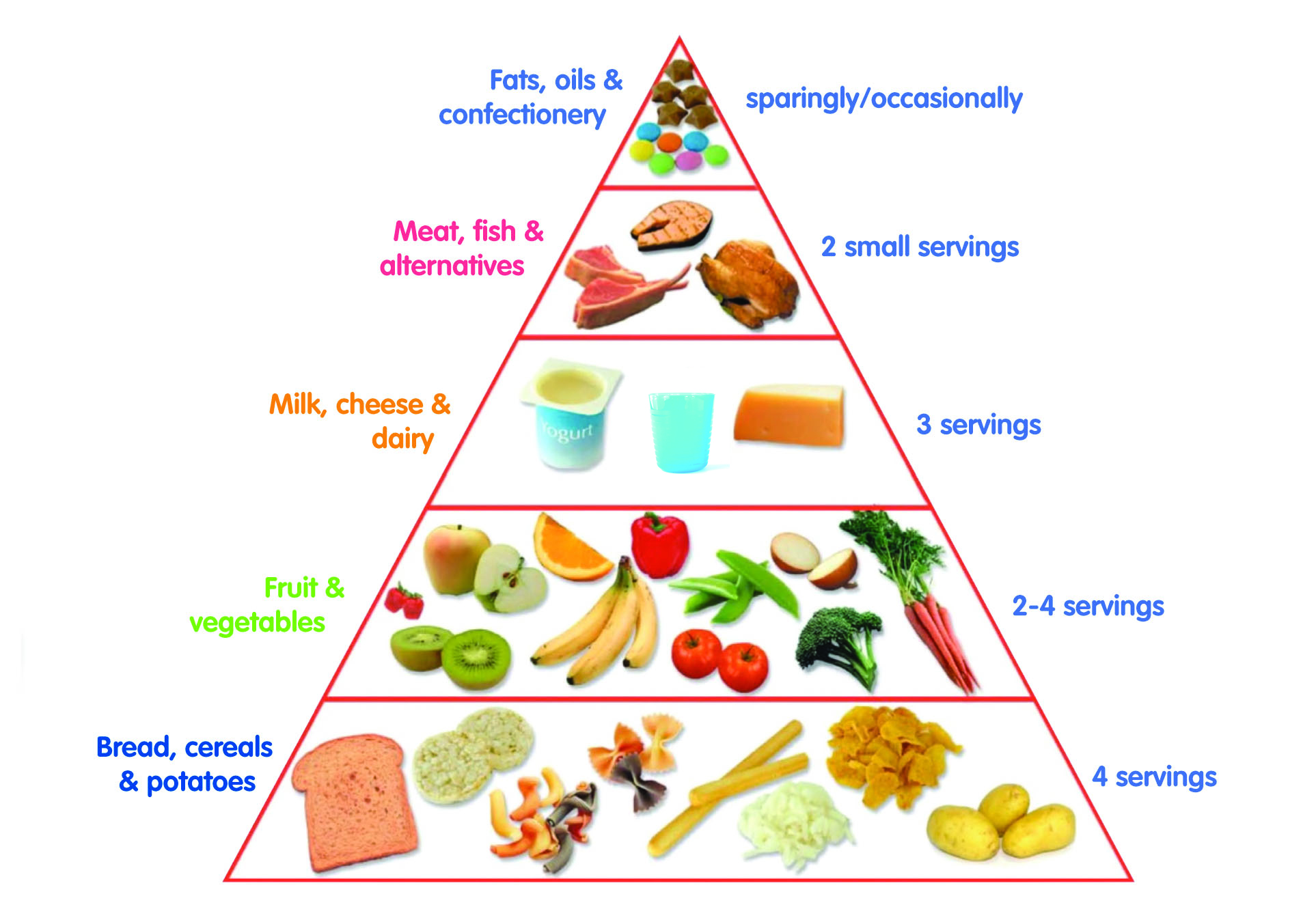
Food Pyramid is a diagram that represents a healthy diet by placing food groups in a pyramid according to the number of servings from each group to be eaten every day. Making a poster. (G)
Answer the
questions.
Mark the statements True or False.
Learners are shown the original Food Pyramid
|
PPT
Flipchart
Cards |
|||||||||||||||||||||||||||||||||
|
Descriptor |
A learner :
|
|
|||||||||||||||||||||||||||||||||
|
Assessment
|
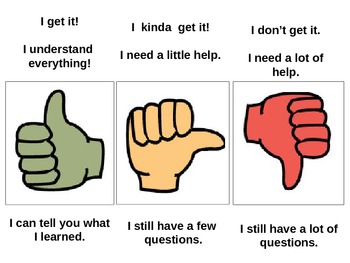
Formative assessment: Heads down, thumbs up.
|
|
|||||||||||||||||||||||||||||||||
|
|
|
|
|||||||||||||||||||||||||||||||||
|
|
|
|
|||||||||||||||||||||||||||||||||
|
|
|
|
|||||||||||||||||||||||||||||||||
|
End
5 min |
Feedback. Strategy “Draw your brain”. Learners draw outlines of brain, then they fill it with everything they have learnt during the lesson.
Homework: to write about healthy and unhealthy habits. |
|
|||||||||||||||||||||||||||||||||
|
Additional Information |
|
||||||||||||||||||||||||||||||||||
|
Differentiation-how do plan to give more support? How do you plan to challenge the more able learners? |
Assessment-how are you planning to check learners learning?
|
Cross-curricular links health and safety check ICT links Values links |
|||||||||||||||||||||||||||||||||
|
Most support: Make sure that they try to justify personal opinions while giving the answers. Minimal support: Help less able learners with the marking sentences with True or False. |
“excellent” –were able to ask and respondent answer to questions used vocabulary made sentences. “good” – the students made some errors in pronunciation, made some mistakes in two task. “satisfied” – the students made more errors in pronunciation, made 5-6 mistakes in each tasks. 20-18=excellent 17-15=good 14-12=satisfactory
|
Friendly atmosphere in class. Using ICT pupils used to work systematically and faster than at ordinary lesson . Cross-curricular links with Biology, The Kazakh Language. Values links: during the lesson learners are educated to be hardworking, be respectfully to each other. |
|||||||||||||||||||||||||||||||||
|
Reflection Were the lesson objectives/learning objectives realistic? Did all the learners achieve lesson objectives/learning objectives? Did my planned differentiation work well? Did I stick to timings? What changes did I make from my plan and why? |
The lesson objectives/learning objectives were realistic. Learners achieved lesson and learning objectives. All learners were involved in the learning process. Learning atmosphere was collaborative and friendly. I am sure that my planned differentiation work well. Differentiated task helped to involve all learners to the lesson. Learners learnt how to work in groups, to make decisions, to learn what they didn’t know before and shared their knowledge. Passive students started to strive forward. Students took more time in preparing a poster. I would keep on improving my skills on working by criteria based system. Finally, I want to say learners need to be motivated to succeed in learning any language. Therefore, teaching materials must be motivating and raise learners interest.
|
|
|||||||||||||||||||||||||||||||||
|
Summary evaluation What two things went really well (consider both teaching and learning)?
What two things would have improved the lesson (consider both teaching and learning)?
What have I learned from this lesson about the class or individuals that will inform in my next lesson?
|
|||||||||||||||||||||||||||||||||||














 Бұл курс Қазақстан Республикасы Оқу-ағарту министрлігімен келісілген










