А
қтөбе
облысы, Мәртөк ауданы,
№ 4 Мәртөк жалпы орта білім беретін мектебі,
ағылшын тілі пәнінің мұғалімі
Уналбаева Динара Болатовна.
|
Unit of a long term plan Unit 5. Capabilities of the human brain |
School: Martuk secondary school 4 |
||||||
|
Date: |
Teacher’s name: D.B. Unalbayeva |
||||||
|
Grade: 10 “A” |
Number present: |
Number absent: |
|||||
|
Theme of the lesson: |
The theory of multiple intelligences |
||||||
|
Learning objectives(s) that this lesson is contributing to |
10.4.1 - understand main points in extended texts on a wide range of familiar and some 10.5.2 - use a growing range of vocabulary, which is appropriate to topic and genre, and which is spelt accurately; 10.1.10 - use talk or writing as a means of reflecting on and exploring a range of perspectives on the world |
||||||
|
Lesson objectives |
know the definition of new vocabulary get acquainted with the theory of multiple intelligences identify all the kinds of multiple intelligences |
||||||
|
Value links: |
Law and order |
||||||
|
Plan |
|||||||
|
Part of the lesson/Time |
Teacher’s activity |
Student’s activity |
Assessment |
Resources |
|||
|
Beginning of the lesson 3 min. 5 min. 3 min. |
The lesson greeting.
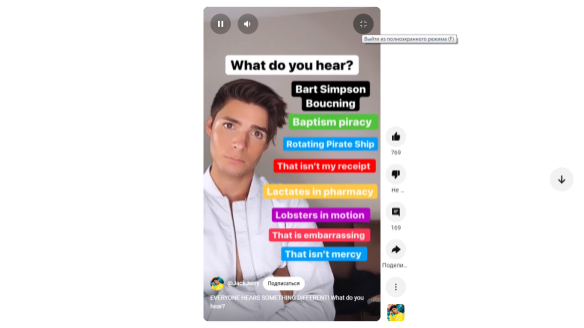
T presents video about interesting facts of human brain, asking Ss to say what phrase do they hear. Ss hear the same sound differently. -Why does it happen? - The answer is our brain, our brain is unique and perceives information differently.
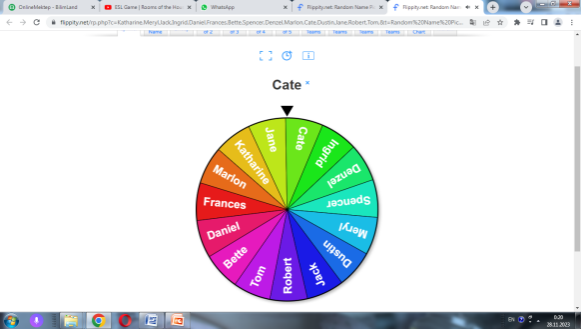
By using Flippity.net T. checks the Ss. homework by asking questions from the previous lesson. YES/NO
T. lets students to guess the theme of the lesson by showing them pictures and asking them questions - What do you see on this picture? - How smart are you? - Do you know, that all of us are smart? - How do you think what will we do in our today’s lesson? Learners fix the theme and phrase the aims of the lesson. The teacher sets the lesson objectives, letting students know what to anticipate from the lesson. The theory of Multiple Intelligences
sheets. |
Students respond to greeting Ss listen to the audio and make their predictions about capabilities of our brain.
Answer the questions
Find out the theme of the lesson
Fix the lesson objectives Ss answer the questions
Every pupil assess himself |
Formative assessment is held through observation/monitoring. Self-assessment Self-assessment
|
https://youtube.com/shorts/8F3lDY6Q6RI?feature=shared f l i p p i t y.n e t Slide 1 Slide 2 Slide 3 |
|||
|
Main Activities 7 min. 12 min. 5 min 3 min 5 min 2 min |
New lesson.
Multiple- бірнеше Memorize- есте сақтау Activate- белсенді қылу Employ- жұмысқа алу Far-reaching- алысқа баратын Movement- қозғалыс Rate- бағалау
What kind of intelligence do people of these professions need?
T gives Ss task to match activities with the intelligences. Learning languages, visualizing things, logically analyzing problems, body movement, writing stories, understanding and interacting with other people, thinking in rhythms and sounds, performing actions, self-reflection and self-analysis, exploring the environment.
What kind of intelligence do you have? T. gives Ss task to write 2 sentences about their intelligence and reasons.
Each group is given a laptop. Teacher sends Ss a link where they can find a task. Read the “intelligences” and match them to what they refer to.
The teacher ends the lesson and discusses with the students whether they have achieved the lesson goals
|
T- CL-P1-P2-P3 Students think critically, exploring, developing, evaluating and making choices Students match the activities with the intelligences Ss make up 2 sentences Ss follow the link and do the task |
Formative assessment is held through observation/monitoring. Assessment criteria: Students’ own opinion(any answer is accepted) Assessment criteria: to write the task correctly Descriptors: -use new words in appropriate way -match activities -work in pairs Descriptors: - use new words in appropriate way -make up grammatically correct sentences - give full reasons Assessment criteria: to write the task correctly Descriptors: - find the correct description of “intelligences” - work in a group - use ICT |
Slide 4 New words https://www.youtube.com/watch?v=uzlFUOyxUAg Slide 5-10 Handout for Ss. Slide 11 Slide 2 Wordwall |

|||
|
Ending the lesson |
Giving the home task. Write a short essay on theme : “How smart am I?” (8-10 sentences)
|
Feedback Ss write their opinion about the lesson and put it in a “BRAIN”
|
|||||
жүктеу мүмкіндігіне ие боласыз
Бұл материал сайт қолданушысы жариялаған. Материалдың ішінде жазылған барлық ақпаратқа жауапкершілікті жариялаған қолданушы жауап береді. Ұстаз тілегі тек ақпаратты таратуға қолдау көрсетеді. Егер материал сіздің авторлық құқығыңызды бұзған болса немесе басқа да себептермен сайттан өшіру керек деп ойласаңыз осында жазыңыз
English, 10 grade, The theory of multiple intelligences
А
қтөбе
облысы, Мәртөк ауданы,
№ 4 Мәртөк жалпы орта білім беретін мектебі,
ағылшын тілі пәнінің мұғалімі
Уналбаева Динара Болатовна.
|
Unit of a long term plan Unit 5. Capabilities of the human brain |
School: Martuk secondary school 4 |
||||||
|
Date: |
Teacher’s name: D.B. Unalbayeva |
||||||
|
Grade: 10 “A” |
Number present: |
Number absent: |
|||||
|
Theme of the lesson: |
The theory of multiple intelligences |
||||||
|
Learning objectives(s) that this lesson is contributing to |
10.4.1 - understand main points in extended texts on a wide range of familiar and some 10.5.2 - use a growing range of vocabulary, which is appropriate to topic and genre, and which is spelt accurately; 10.1.10 - use talk or writing as a means of reflecting on and exploring a range of perspectives on the world |
||||||
|
Lesson objectives |
know the definition of new vocabulary get acquainted with the theory of multiple intelligences identify all the kinds of multiple intelligences |
||||||
|
Value links: |
Law and order |
||||||
|
Plan |
|||||||
|
Part of the lesson/Time |
Teacher’s activity |
Student’s activity |
Assessment |
Resources |
|||
|
Beginning of the lesson 3 min. 5 min. 3 min. |
The lesson greeting.
T presents video about interesting facts of human brain, asking Ss to say what phrase do they hear. Ss hear the same sound differently. -Why does it happen? - The answer is our brain, our brain is unique and perceives information differently.
By using Flippity.net T. checks the Ss. homework by asking questions from the previous lesson. YES/NO
T. lets students to guess the theme of the lesson by showing them pictures and asking them questions - What do you see on this picture? - How smart are you? - Do you know, that all of us are smart? - How do you think what will we do in our today’s lesson? Learners fix the theme and phrase the aims of the lesson. The teacher sets the lesson objectives, letting students know what to anticipate from the lesson. The theory of Multiple Intelligences
sheets. |
Students respond to greeting Ss listen to the audio and make their predictions about capabilities of our brain.
Answer the questions
Find out the theme of the lesson
Fix the lesson objectives Ss answer the questions
Every pupil assess himself |
Formative assessment is held through observation/monitoring. Self-assessment Self-assessment
|
https://youtube.com/shorts/8F3lDY6Q6RI?feature=shared f l i p p i t y.n e t Slide 1 Slide 2 Slide 3 |
|||
|
Main Activities 7 min. 12 min. 5 min 3 min 5 min 2 min |
New lesson.
Multiple- бірнеше Memorize- есте сақтау Activate- белсенді қылу Employ- жұмысқа алу Far-reaching- алысқа баратын Movement- қозғалыс Rate- бағалау
What kind of intelligence do people of these professions need?
T gives Ss task to match activities with the intelligences. Learning languages, visualizing things, logically analyzing problems, body movement, writing stories, understanding and interacting with other people, thinking in rhythms and sounds, performing actions, self-reflection and self-analysis, exploring the environment.
What kind of intelligence do you have? T. gives Ss task to write 2 sentences about their intelligence and reasons.
Each group is given a laptop. Teacher sends Ss a link where they can find a task. Read the “intelligences” and match them to what they refer to.
The teacher ends the lesson and discusses with the students whether they have achieved the lesson goals
|
T- CL-P1-P2-P3 Students think critically, exploring, developing, evaluating and making choices Students match the activities with the intelligences Ss make up 2 sentences Ss follow the link and do the task |
Formative assessment is held through observation/monitoring. Assessment criteria: Students’ own opinion(any answer is accepted) Assessment criteria: to write the task correctly Descriptors: -use new words in appropriate way -match activities -work in pairs Descriptors: - use new words in appropriate way -make up grammatically correct sentences - give full reasons Assessment criteria: to write the task correctly Descriptors: - find the correct description of “intelligences” - work in a group - use ICT |
Slide 4 New words https://www.youtube.com/watch?v=uzlFUOyxUAg Slide 5-10 Handout for Ss. Slide 11 Slide 2 Wordwall |
|||
|
Ending the lesson |
Giving the home task. Write a short essay on theme : “How smart am I?” (8-10 sentences)
|
Feedback Ss write their opinion about the lesson and put it in a “BRAIN”
|
|||||
шағым қалдыра аласыз