|
Beginning of the
lesson
Warming-up
3 min
Pre-learning
«Brainstorming»
method
7
min.
|
Organization moment
:
1.Greeting.
Ask about the
weather.
The teacher sets the
lesson objectives, letting students know what to anticipate from
the lesson.
Warming
up:
-What do you see in the
picture?
-What another sightseeing of
London do you know?
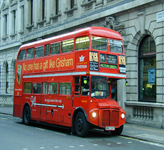

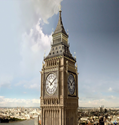
|
The aim: To develop pupils
speaking skills and create friendly
atmosphere
Efficiency:
By
wishing each other they feel better and feel the support of
others
Students of the class are
listed.
Students' attention is drawn to the
lesson.
• Learners talk about favourite day
previous lesson vocabulary
Determines the topic and purpose of the
lesson
Students speak about sightseeing of
London.
|
The
teacher to assess learners for their
ability.
“Good
job!
Well done!”
Formative
Assessment

Good job!
Descriptor:
-know key phrases
- can make
sentence
- know vocabulary of previous
lesson
Total: 1 point
Assessment
criteria
- Learners have met the learning objectives if they can talk
about sightseeing of London.
|
Smiles
Picture
|
|
Middle of the
lesson
Presentation
part.
30
min
|
Ex:1
P:66
• Brainstorm with the class for questions
about London and write five of them on the
board.
Ss read the text and check if their
questions were answered.
Ex: 2 P:
66
• Allow Ss some
time to read the text and complete the gaps. Explain that Ss should
read the whole sentence before they decide on the best word to
complete each gap.
Ask Ss to use the Word List to look up the
meanings of the words in the Check these words
box.
Check Ss'
answers.
Ex: 3 P:
66
• Read the
Study Skills box aloud and then explain/ elicit the meaning of the
purposes in the rubric. Ask questions to check Ss' understanding
(e.g. Is the text full of names and numbers which give us
information? Is the text amusing and/or entertaining? Does the text
give reasons and use explanatory words/phrases such as 'due
to''because' or 'the reason for this is'? Does the text encourage
us to visit and emphasise only the positive aspects of the place?
Is the text written in the first person as a narration of the
writer's visit to London?)
Elicit the writer's purpose and then give
Ss time to think of alternative headings for the
paragraphs.
Check Ss' answers around the
class.
Conclusion during the lesson some tasks
differentiated by outcomes of the students and by their
abilities.
|
Pupils look at the text and read the
subheadings. Think of five questions about it. Read the text and
see if you can answer your questions.
ANSWERS
1 What can you see there? (You can see
famous landmarks such as Big Ben and Westminster
Abbey.)
2 How many people live there? (Doesn't
say.)
3 How many shops does London have? (Over
40,000.)
4 What's the best way to get around? (By
tube.)
5 Where can you stay? (In luxurious hotels
or bed and breakfasts.)
Pupils choose the correct word to complete the
gaps.
ANSWERS
1 B 2 C 3 C 4 B 5 A 6
C
7 B 8 A
Pupils listen to and read the
text.
ANSWERS
Things to see and
do
Shop till you
drop
Eating out
Transport
Places to stay
|
Descriptor:
- look at the text and
read the subheadings
-
answer the
question
Total: 2 point
Descriptor:
-
choose the correct
word
-
complete the gaps
Total: 2 point
Descriptor:
-
listen to and read the
text.
Total: 2 point
-Make CCQ questions Yes /
No
Total: 1 point
Total: 10 point
|
Student’s
book
Students book
|

 ЖИ көмекші


 Қауіпсіз төлем














 Бұл курс Қазақстан Республикасы Оқу-ағарту министрлігімен келісілген










