|
Beginning of the
lesson
Warming-up
3 min
Pre-learning
«Brainstorming»
method
7 min.
|
Organization moment
:
1.Greeting.
Ask about the weather.
The teacher sets the
lesson objectives, letting students know what to anticipate from
the lesson.
Warming
up
What is the weather
like today?
What season is it
know?
What month is it
now?
What day of the week
today?
Revise the language of the previous
lesson.
Lead –
In:
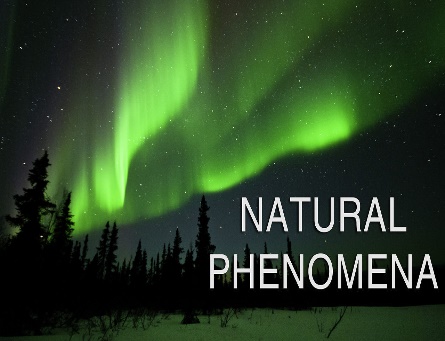
-What is natural
phenomena?
-What natural phenomena
do you know?
|
The aim:
To develop pupils speaking skills and create
friendly atmosphere
Efficiency:
By wishing each other they feel better and feel
the support of others
Students of the class are
listed.
Students' attention is drawn to the
lesson.
•
Learners
write the numbers from previous
lesson
Determines the topic and purpose of the
lesson
Students answer the
question
|
The teacher to assess learners for
their ability.
“Good
job!
Well
done!”
Formative
Assessment
Good job!
Descriptor:
-know key phrases
-
know vocabulary of previous lesson
Total: 1
point
Assessment
criteria
- Learners have met the
learning objectives if they can: To talk about
natural
phenomena
Descripotor:
-answer the
questions
Total : 2 point
Descriptor:
-answer the questions
correctly;
Total: 2
points
|
Pictures
worksheet
Student’s
book
|
|
Middle of the lesson
Presentation part.
30
min
|
Task : Give description of the
natural phenomena.
What is flood ? (earthquake ,
tornado, tsunami , avalanche ,
etc.)
Ex: 1 P:
75
•
Draw Ss' attention to the pictures (A-1) and ask
various Ss to read out the natural
phenomena.
Elicit which phenomena match which pictures. Play
the recording. Ss listen and check their
answers.
•
Play the recording again with pauses for Ss to
repeat chorally and/or individually.
Ex:2
P:75
•
Explain the task.
Ask
a S to read out the example. Then elicit answers from various Ss
around the class.
Conclusion
during the lesson some tasks differentiated by
outcomes of the students and by their
abilities.
|
Students give descriptions of natural
phenomena.
Example , A tsunami is a series of waves
caused by earthquakes or undersea volcanic
eruption.
Pupils match the natural phenomena to the
pictures.
ANSWERS
A 4
B 5
C 7
D 6
E 2
F 1
G 9
H 8
Pupils look at the pictures and say which
of these phenomena are/are not common in your
country.
ANSWERS
Lightning is common in
my country
Earthquakes are common
in my country.
Tornadoes are not
common in my country.
Hurricanes are not
common in my country.
Tsunamis are not common
in my country.
Droughts are common in
my country.
Avalanches are common
in my country.
Volcanic eruptions are not common in my
country
|
Descriptor:
-give descriptions of natural
phenomena;
Total: 2
points
Descriptor:
- match the natural phenomena
- repeat chorally and/or
individually.
Total: 2 point
Descriptor:
- look at the pictures
-
say which of these phenomena
Total: 2 point
|
Students book
|

 ЖИ көмекші


 Қауіпсіз төлем













 Бұл курс Қазақстан Республикасы Оқу-ағарту министрлігімен келісілген










