ЖИ көмекші

 Көп таңдалатын


 Ең тиімді
15 890₸ үнемдейсіз


жүктеу мүмкіндігіне ие боласыз
Бұл материал сайт қолданушысы жариялаған. Материалдың ішінде жазылған барлық ақпаратқа жауапкершілікті жариялаған қолданушы жауап береді. Ұстаз тілегі тек ақпаратты таратуға қолдау көрсетеді. Егер материал сіздің авторлық құқығыңызды бұзған болса немесе басқа да себептермен сайттан өшіру керек деп ойласаңыз осында жазыңыз
 04 Тамыз 2026
 16
16
Fears
Short term plan: term 3
Unit: 5 Stress and Fear |
Lesson 65 |
||
Teacher name: |
|
||
Date: |
|
||
Grade: 10 |
Number present: |
absent: |
|
Lesson title |
Fears |
||
Learning objectives
|
10.3.7.1 - use appropriate subject-specific vocabulary and syntax to talk about a range of general and curricular topics; 10.4.9.1 - recognize inconsistencies in argument in extended texts on a wide range of general and curricular topics; |
||
Lesson objectives |
Learners will be able to: - introduce the topic and new vocabulary - introduce new vocabulary in context |
||
Value links |
"Law and Order" Know the basics of the legal system and human rights |
||
Plan |
|||
Stages / Time |
Teachers actions |
Students actions |
Assessment criteria |
Resources |
Beginning of the lesson 5 min.
Middle of the lesson Presentation part. 35 min
|
Organization moment : 1.Greeting. Warming-up Ask about the weather. Warm - up The teacher sets the lesson objectives, letting students know what to anticipate from the lesson.
Ex:1 P:61 Direct Ss' attention to the pictures A-E and the graph and give Ss time to match them. Elicit answers from Ss around the class.
Differentiation: «Verbal support» method is used to help Ss use new words in the sentences
|
Students of the class are listed. Students' attention is drawn to the lesson. Students say different words from the picture Learners remember previous lesson vocabulary Learners answer the questions
Learners look at the bar graph. ANSWERS A-closed spaces B-storms C-flying D-open water E-animals/bugs
|
The teacher to assess learners for their ability. “Good job! Well done!” Formative Assessment
Good job!
Descriptor: - look at the bar graph. - match them Total: 2 point
|
Pictures
|
|
Ex: 2 P: 61 Give Ss time to choose the correct words and then ask Ss to check their answers by looking up the meanings of the words in the Word List at the back of the book.
Ex: 3 P: 61 Ask Ss to talk in pairs about which situations make them feel the most uncomfortable. Ask some pairs to tell the class.
Conclusion during the lesson some tasks differentiated by outcomes of the students and by their abilities. |
Learners choose the correct word. ANSWERS 1 sick, shake 2 bite, freeze 3 sweat 4 hide 5 attacks
Learners answer the question. Tell your partner. ANSWERS I feel uncomfortable at great heights. I feel a bit scared that I will fall. I also feel uncomfortable near bugs. I think they will bite or sting me. |
Descriptor: - choose the correct word. - check their answers Total: 2 point
Descriptor: - answer the question. - tell your partner. - check their answers Total: 3 point
-Make CCQ questions Yes / No Total: 1 point
Total: 10 point |
Students book |
End of the lesson 5 min |
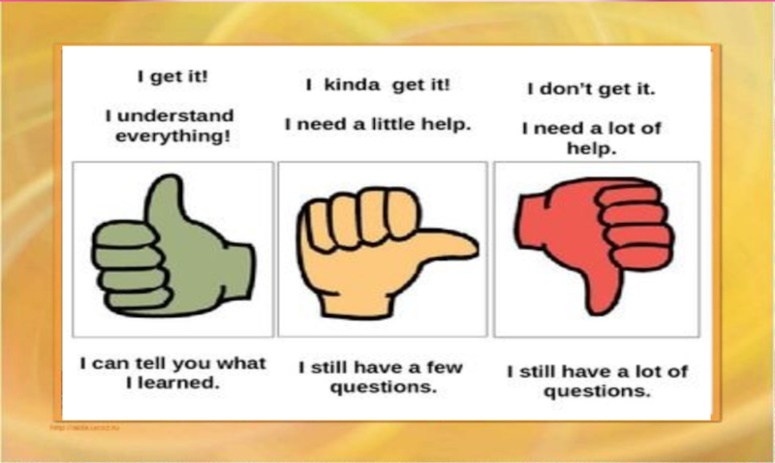
FEEDBACK Learners provide feedback on what they have learned at the lesson. Ex: P: Home task: Write the days |
|
Poster Success
|
|


Short term plan: term 3
Unit 5 Stress and Fear |
Lesson 66 |
||
Teacher name: |
|
||
Date: |
|
||
Grade: 10 |
Number present: |
absent: |
|
Lesson title |
Stress and Fear Arachnophobia |
||
Learning objectives
|
10.3.7.1 - use appropriate subject-specific vocabulary and syntax to talk about a range of general and curricular topics; 10.5.2.1 - use a growing range of vocabulary, which is appropriate to topic and genre, and which is spelt accurately; |
||
Lesson objectives |
Learners will be able to: - introduce key vocabulary from a tex - read for gist comprehension (matching headings to paragraphs) - consolidate information in a text |
||
Value links |
"Law and Order" Observance of norms and rules of order and justice understand the need |
||
Plan |
|||
Stages / Time |
Teachers actions |
Students actions |
Assessment criteria |
Resources |
Beginning of the lesson 3 min
|
Organization moment : 1.Greeting. Warming-up Ask about the weather. The teacher sets the lesson objectives, letting students know what to anticipate from the lesson. Ask a few pupils to stand up and stand in a row. Ask the rest of the class questions to revise the ordinals.
|
Students of the class are listed. Students' attention is drawn to the lesson. Determines the topic and purpose of the lesson Learners remember previous lesson vocabulary
Students say different words from the picture Answer the question. |
The teacher to assess learners for their ability. “Good job! Well done!” Formative Assessment
Good job!
|
Pictures
|
Middle of the lesson Presentation part. 35 min
|
Ex:1 P:62 Direct Ss to the dictionary entry, the title of the text and the picture and then elicit an answer to the question.
Ex: 2 P: 62 Refer Ss to the Word List at the back of their books and give them time to look up the meanings of the words given. Give Ss time to complete the sentences with the words and then check Ss' answers.
Ex: 3 P: 63 Ask Ss to read the headings A-E and then read the text again and choose the correct heading for each paragraph (1-4). Check Ss' answers around the class. Ss should justify their choices.
Differentiation: «Verbal support» method is used to help Ss use new words in the sentences.
|
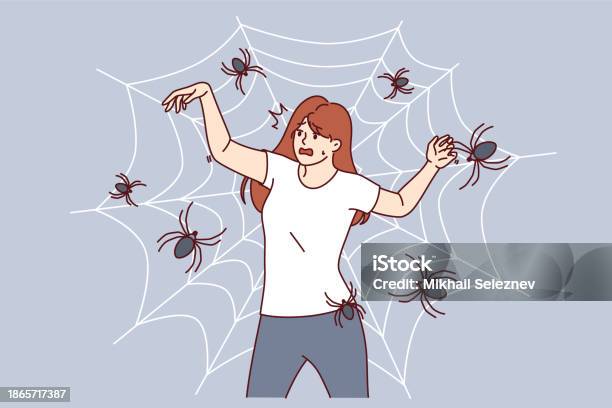
Pupils read the dictionary entry and look at the title of the text. ANSWERS Arachnophobia is the fear of spiders
Pupils check the words/phrases below in the world list. ANSWERS 1 arachnid 2 suffer, sweat 3 venom, harm 4 nutritious 5 creepy 6 treatment Pupils read again and match the headings ANSWERS 1 D (one of the most common phobias) 2 B (maybe... ugly appearance... or because they suddenly appear) 3 E (perfect pest controllers, eating creepy crawlies... in our homes) 4 A (there is hope) |
Descriptor: - read the dictionary question. - an answer to the question Total: 2 point
Descriptor: - check the words/phrases - complete the sentences. Total: 2 point
Descriptor: - read again - match the headings Total: 2 point
-Make CCQ questions Yes / No Total: 10 point |
Card Worksheet
Students book |
End of the lesson 5 min |
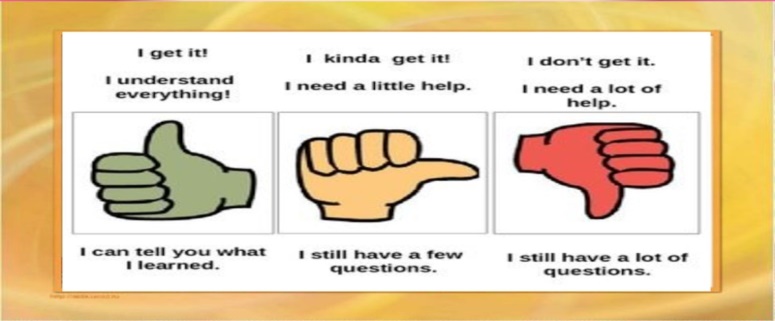
FEEDBACK Learners provide feedback on what they have learned at the lesson. Ex: P: Home task: Write the days |
|
Poster Success
|
|
Short term plan: term 3
Unit 5 Stress and Fear |
Lesson 67 |
||
Teacher name: |
|
||
Date: |
|
||
Grade: 10 |
Number present: |
absent: |
|
Lesson title |
Stress and Fear Arachnophobia |
||
Learning objectives
|
10.3.7.1 - use appropriate subject-specific vocabulary and syntax to talk about a range of general and curricular topics; 10.5.2.1 - use a growing range of vocabulary, which is appropriate to topic and genre, and which is spelt accurately; |
||
Lesson objectives |
Learners will be able to: - introduce key vocabulary from a tex - read for gist comprehension (matching headings to paragraphs) - consolidate information in a text |
||
Value links |
"Law and Order" Observance of norms and rules of order and justice understand the need |
||
Plan |
|||
Stages / Time |
Teachers actions |
Students actions |
Assessment criteria |
Resources |
Beginning of the lesson 3 min
|
Organization moment : 1.Greeting. Warming-up Ask about the weather. Warming up The teacher sets the lesson objectives, letting students know what to anticipate from the lesson. Ask a few pupils to stand up and stand in a row. Ask the rest of the class questions to revise the ordinals.
|
Students of the class are listed. Students' attention is drawn to the lesson. Determines the topic and purpose of the lesson Learners remember previous lesson vocabulary
Students say different words from the picture Answer the question. |
The teacher to assess learners for their ability. “Good job! Well done!” Formative Assessment
Good job!
|
Pictures
|
Middle of the lesson Presentation part. 35 min
|
Ex: 4 P: 63 Give Ss time to answer the questions. Remind Ss not to copy from the text but to paraphrase the information in their own words. Check Ss' answers around the class.
Ex: 5 P: 63 1Ask Ss to find the words in bold in the text and to read the words/phrases in the list and give Ss time to match them. Elicit answers from various Ss around the class.
Differentiation: «Verbal support» method is used to help Ss use new words in the sentences.
Ex: 6 P: 63 Ask Ss to complete the phrases and check Ss' answers. Then give Ss time to use them in sentences of their own based on the text. Elicit sentences from various Ss around the class.
|
Pupils based on information in the text answer the questions. ANSWERS Students own answer
Pupils match the words in bold in the text. ANSWERS Para 1: scream = shout, phobias = fears, at all costs = under any circumstances, blocking = closing Para 2: hated disliked, irrational = unreasonable, startle scare Para 3: snacks treats, reduce = lower, trapping = catching Para 4: confident = fearless, hold carry, fear = be afraid of, terrified = very scared
Pupils complete the phrases and check Ss' answers. ANSWERS 1 common 2 ugly 3 Rainforest 4 deep-fried 5 creepy 6 snack 7 pest 8 treat 9 bar 10 therapy |
Descriptor: - answer the questions. Total: 1 point
Descriptor: - match the words in bold Total: 1 point
Descriptor: - complete the phrases - check answers. Total: 1 point
-Make CCQ questions Yes / No Total: 10 point |
Card Worksheet
Students book |
End of the lesson 5 min |
FEEDBACK Learners provide feedback on what they have learned at the lesson. Ex: P: Home task: Write the days |
|
Poster Success
|
|
Short term plan: term 3
Unit 5 Stress and Fear |
Lesson 68 |
||
Teacher name: |
|
||
Date: |
|
||
Grade: 10 |
Number present: |
absent: |
|
Lesson title |
Fear and phobias |
||
Learning objectives
|
10.5.2.1 - use a growing range of vocabulary, which is appropriate to topic and genre, and which is spelt accurately; 10.6.9.1 - use a wide variety of present and past forms, including a growing number of more nuanced contrasts [past and perfective aspect/simple and progressive aspect] on a wide range of general and curricular topics |
||
Lesson objectives |
Learners will be able to: - consolidate vocabulary from a text - present and practise topic-related vocabulary in contex - listen for gist (multiple matching) |
||
Value links |
"Law and Order" Ensuring the protection and safety of society understand the importance of law and order as |
||
Plan |
|||
Stages / Time |
Teachers actions |
Students actions |
Assessment criteria |
Resources |
Beginning of the lesson 3 min
Middle of the lesson Presentation part. 35 min
|
Organization moment : 1.Greeting. Warming-up Ask about the weather. The teacher sets the lesson objectives, letting students know what to anticipate from the lesson. Warming up Where are you from? How old are you? What color is it? How many students are there in class? What day of the week today? revise the vocabulary from the previous
Ex: 1 P: 64 Explain the task and give Ss time to complete it. Check Ss' answers.
|
Students of the class are listed. Students' attention is drawn to the lesson. Learners remember previous lesson vocabulary
Determines the topic and purpose of the lesson
Students say different words from the picture
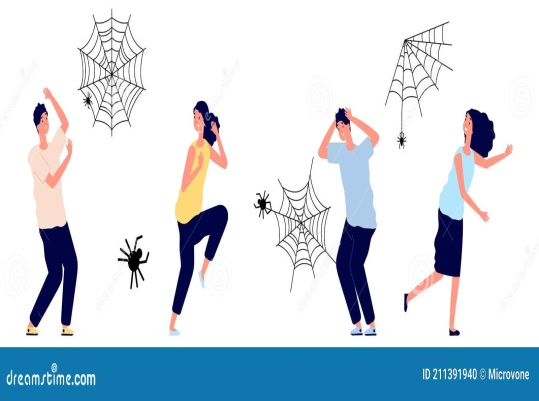
Pupils fill the gaps. ANSWERS 1 produce 2 suffers 3 startle 4 crawling 5 lessen 6 scuttle 7 runs away 8 fear |
The teacher to assess learners for their ability. “Good job! Well done!” Formative Assessment
Good job!
Descriptor: - fill the gaps. - complete it. Total: 2 point
|
Pictures
worksheet
Picture
Card Worksheet
|
|
Ex:2 P: 64 Explain the task and give Ss time to complete it. Check Ss' answers.
Ex: 3 P: 64 Ask Ss to complete the phrases with the words in the list. Check Ss' answers. Ask Ss to memorise these collocations
Differentiation: «Verbal support» method is used to help Ss use new words in the sentences.
Ex: 4 P: 64 Ask Ss to look at the pictures and think of related words to complete the mind map. Check Ss' answers.
Ex: 5 P: 64 Explain the task. Give Ss time to complete it in closed pairs. Ss can look up any unknown words in their dictionaries or in the Word List at the back of the Student's book. Check Ss' answers. |
Pupils choose the correct word. ANSWERS 1 stood 2 costs 3 fear 4 treatments 5 shaking 6 Sweat
Pupils real or true? Complete the sentences. ANSWERS 1 true 2 true 3 real 4 real 5 true/real 6 true 7 real 8 true 9 real
Pupils look at the mind map. ANSWERS 1 spiders 2 darkness 3 flying 4 needles
Pupils fill in the correct word. ANSWERS 1 beat 2 control 3 shakes 4 froze 5 dry 6 avoids 7 faints 8 face |
Descriptor: - choose the correct word Total: 1 point
Descriptor: - Complete the sentences Total: 1 point
Descriptor: - look at the mind map. - complete the mind map. Total: 2 point
Descriptor: - fill in the correct word. Total: 1 point
-Make CCQ questions Yes / No
|
|
End of the lesson 5 min |
FEEDBACK Learners provide feedback on what they have learned at the lesson. Ex: Home task: |
|
Poster Success
|
|
Short term plan: term 3
Unit 5: Stress and Fear |
Lesson 69 |
||
Teacher name: |
|
||
Date: |
|
||
Grade: 10 |
Number present: |
absent: |
|
Lesson title |
Feelings |
||
Learning objectives
|
10.1.2.1 - use speaking and listening skills to provide sensitive feedback to peers; 10.2.7.1 - understand speaker viewpoints and extent of explicit agreement between speakers on a range of general and curricular topics; 10.4.4.1 - read a wide range of extended fiction and non-fiction texts on familiar and unfamiliar general and curricular topics; |
||
Lesson objectives |
Learners will be able to: - read authentic texts for pleasure and academic purposes - utilize different strategies to craft specific and relevant questions - write a narrative text (e.g. a short story, an email to a friend) about past events, activities and experiences |
||
Value links |
"Law and Order" Know the basics of the legal system and human rights |
||
Plan |
|||
Stages / Time |
Teachers actions |
Students actions |
Assessment criteria |
Resources |
Beginning of the lesson 3 min
Middle of the lesson Presentation part. 30 min
|
Organization moment : 1.Greeting. Warming-up Ask about the weather. The teacher sets the lesson objectives, letting students know what to anticipate from the lesson. Warming up Where are you from? How old are you? What color is it? How many students are there in class? What day of the week today? revise the language from the previous lesson
Ex:7 P:65 Give Ss time to complete the task. Refer Ss to the Word List at the back of their books and give them time to look up the meanings of the adjectives and check.
|
Students of the class are listed. Students' attention is drawn to the lesson.
Learners talk about daily routines previous lesson vocabulary
Determines the topic and purpose of the lesson
Students say different words from the picture
Pupils choose the correct word. ANSWERS 1 embarrassed 2 anxious 3 scared 4 nervous 5 dizzy |
The teacher to assess learners for their ability. “Good job! Well done!” Formative Assessment
Good job!
Descriptor: - choose the correct word. - complete the task Total: 2 point
|
Pictures
worksheet
Student’s book
|
|
Ex: 8 P: 65 To consolidate new vocabulary through personal examples Elicit answers from Ss around the class.
Ex: 9 a P: 65 To present/practise idioms in context Explain the task and give Ss time to complete it. Then check Ss' answers. Elicit which idiom the picture shows and whether there are any similar idioms in Ss' L1.
Ex: 9 b P: 65 Give Ss time to form sentences using the idioms and then tell their partner. Ask various Ss to tell the class.
|
Pupils answer the question. Tell your partner ANSWERS I last felt anxious last year when the bus broke down on the way to school/work and I thought we were going to be late. I last felt embarrassed last month when I took the wrong coat at a restaurant and I had to go back and get mine. I last felt dizzy when I was ill with the flu last week. I last felt scared last week when I watched a scary film with my friends. I last felt nervous yesterday when I had to take an exam.
Pupils fill the gaps. ANSWERS 1 sheet 2 butterflies 3 stiff 4 ski 5 stood
Pupils make your own sentences using these idioms. ANSWERS 1 You look as white as a sheet - what happened? 2 Some actors get butterflies in their stomach before they're about to go on stage. 3 Have you ever been scared stiff? 4 You made me jump out of my skin when you crept up behind me like that. 5 I thought I saw a ghost and my hair stood on end. |
Descriptor: - consolidate new vocabulary - answer the question Total: 2 point
Descriptor: - fill the gaps. - complete the task Total: 2 point
Descriptor: - make your own sentences - use these idioms. Total: 2 point
-Make CCQ questions Yes / No Total: 1 point |
Card Worksheet
Students book |
End of the lesson 5 min |
FEEDBACK Learners provide feedback on what they have learned at the lesson. Ex: Home task:
|
|
Poster Success
|
|
Short term plan: term 3
Unit 5: Stress and Fear |
Lesson 70 |
||
Teacher name: |
|
||
Date: |
|
||
Grade: 10 |
Number present: |
absent: |
|
Lesson title |
Prepositions |
||
Learning objectives
|
10.2.3.1 - understand the detail of an argument in unsupported extended talk on a wide range of general and curricular topics, including talk on a limited range of unfamiliar topics; 10.3.4.1 - evaluate and comment on the views of others in a growing variety of talk contexts on a growing range of general and curricular topics; |
||
Lesson objectives |
Learners will be able to: - practise prepositional phrases - practise word formation (forming negative adjectives) - present/practise phrasal verbs with KEEP |
||
Value links |
"Law and Order" Know the basics of the legal system and human rights |
||
Plan |
|||
Stages / Time |
Teachers actions |
Students actions |
Assessment criteria |
Resources |
Beginning of the lesson 3 min
Middle of the lesson Presentation part. 30 min
|
Organization moment : 1.Greeting. Warming-up Ask about the weather. The teacher sets the lesson objectives, letting students know what to anticipate from the lesson. Warming up Where are you from? How old are you? What color is it? How many students are there in class? What day of the week today? revise the language from the previous lesson
Ex: 10 P: 65 Give Ss time to complete the task. Ask Ss to check their answers in Appendix II. Check Ss' answers.
|
Students of the class are listed. Students' attention is drawn to the lesson.
Learners talk about daily routines previous lesson vocabulary
Determines the topic and purpose of the lesson
Students say different words from the picture
Pupils choose the correct preposition. ANSWERS 1 of 2 of 3 to 5 to 4 about |
The teacher to assess learners for their ability. “Good job! Well done!” Formative Assessment
Good job!
Descriptor: - choose the correct preposition Total: 1 point
|
Pictures
worksheet
Student’s book
|
|
Ex: 11 P: 65 Read the table aloud to Ss and explain any points they are unsure of providing extra examples if necessary. Give Ss time to complete the task. Remind Ss that accurate spelling is required. Check Ss' answers. Remind Ss to add these words to their lists in their notebooks.
Ex: 12 P: 65 Explain the task and give Ss time to complete it. Ask Ss to check their answers in Appendix I. Check Ss' answers around the class. |
Pupils read the theory, then form negative adjectives from the words in brackets. ANSWERS 1 unfriendly 2 illegal 3 dissatisfied 4 impossible 5 unpopular 6 irregular 7 incomplete
Pupils fill in the gaps: on, away, out, up with. ANSWERS 1 out 2 away 3 on 4 up with
|
Descriptor: - read the theory - complete the task Total: 2 point
Descriptor: - fill the gaps - complete the sentences Total: 2 point
-Make CCQ questions Yes / No Total: 1 point |
Card Worksheet
Students book |
End of the lesson 5 min |
FEEDBACK Learners provide feedback on what they have learned at the lesson. Ex: Home task:
|
|
Poster Success
|
|
Short term plan: term 3
Unit 5: Stress and Fear |
Lesson 71 |
||
Teacher name: |
|
||
Date: |
|
||
Grade: 10 |
Number present: |
absent: |
|
Lesson title |
Passive voice |
||
Learning objectives
|
10.3.4.1 - evaluate and comment on the views of others in a growing variety of talk contexts on a growing range of general and curricular topics; 10.4.4.1 - read a wide range of extended fiction and non-fiction texts on familiar and unfamiliar general and curricular topics; 10.5.2.1 - use a growing range of vocabulary, which is appropriate to topic and genre, and which is spelt accurately; |
||
Lesson objectives |
Learners will be able to: - differentiate the style of speech (informal, semiformal, very formal) -- distributive numeral determiner all to talk about the whole group |
||
Value links |
"Law and Order" Observance of norms and rules of order and justice understand the need |
||
Plan |
|||
Stages / Time |
Teachers actions |
Students actions |
Assessment criteria |
Resources |
Beginning of the lesson 3 min
Middle of the lesson Presentation part. 35 min
|
Organization moment : 1.Greeting. Warming-up Ask about the weather. The teacher sets the lesson objectives, letting students know what to anticipate from the lesson.
revise the language from the previous lesson
Ex:1 P:66 Read the text aloud. Direct Ss' attention to the forms in bold and give Ss time to decide which tense each form is in. Refer them to the Grammar Reference section for more information. Elicit the tenses of the passive forms in bold from Ss around the class.
Ex: 2 P: 66 Ask Ss to read the sentences and then elicit how a passive sentence differs from an active one.
Ex: 3 P: 66 Explain the task and then give Ss time to complete it. Check Ss' answers and refer them to the Grammar Reference section for more information.
Ex: 4 P: 66 Ask Ss to read the examples in the box and then explain the task and give Ss time to complete it.
Conclusion during the lesson some tasks differentiated by outcomes of the students and by their abilities. |
Students of the class are listed. Students' attention is drawn to the lesson. Learners talk about daily routines previous lesson vocabulary Determines the topic and purpose of the lesson Students say different words from the picture
Pupils read the text about stress. Answer the question. ANSWERS is caused by: present simple (present simple of the verb 'to be' + the past participle of main verb) are being released: present continuous (present simple of the verb 'to be' + being + past participle form of the verb) has to be done: modal (modal + be + past participle of main verb)
Pupils read the sentences below. Answer the question. ANSWERS An active sentence emphasises the person/thing who does the action, while a passive sentence emphasises the action
Pupils fill the gaps. ANSWERS 1 are 2 was 3 being 4 be 5 be
Pupils complete the following sentences. Use these words. ANSWERS 1 with 2 by 3 with 4 with 5 by 6 with 7 by 8 with |
The teacher to assess learners for their ability. “Good job! Well done!” Formative Assessment
Descriptor: - read the ttext - answer the question Total: 2 point
Descriptor: - read the sentences - answer the question. Total: 2 point
Descriptor: - fill the gaps. Total: 1 point
Descriptor: - complete the following sentences. -use these words. Total: 1 point
-Make CCQ questions Yes / No Total: 1 point
Total: 10 point |
Pictures
worksheet
Student’s book
Card Worksheet
Students book |
|
||||
End of the lesson 5 min |
FEEDBACK Learners provide feedback on what they have learned at the lesson. Ex: Home task:
|
|
Poster Success
|
|
Short term plan: term 3
Unit 5: Stress and Fear |
Lesson 72 |
||
Teacher name: |
|
||
Date: |
|
||
Grade: 10 |
Number present: |
absent: |
|
Lesson title |
Reflexive/Emphatic pronouns |
||
Learning objectives
|
10.3.6.1 - navigate talk and modify language through paraphrase and correction in talk on a range of familiar general and curricular topics; 10.5.4.1 - use style and register to achieve appropriate degree of formality in a growing variety of written genres on a range of general and curricular topics; |
||
Lesson objectives |
Learners will be able to: - read authentic texts for pleasure and academic purposes
|
||
Value links |
"Law and Order" Ensuring the protection and safety of society understand the importance of law and order as |
||
Plan |
|||
Stages / Time |
Teachers actions |
Students actions |
Assessment criteria |
Resources |
Beginning of the lesson 5 min
Middle of the lesson Presentation part. 35 min
|
Organization moment : 1.Greeting. Warming-up Ask about the weather. The teacher sets the lesson objectives, letting students know what to anticipate from the lesson. revise the language from the previous lesson
Lead – In
Ex:5 P:67 To practise changing from the active to the passive Explain the task and read out the example. Ss do the task. Check Ss' answers around the class.
|
Students of the class are listed. Students' attention is drawn to the lesson. Learners talk about daily routines previous lesson vocabulary Determines the topic and purpose of the lesson Students say different words from the picture
Pupils rewrite the sentences in the passive, as in the example. ANSWERS
|
The teacher to assess learners for their ability. “Good job! Well done!” Formative Assessment
Good job!
Descriptor: - read out the example. - rewrite the sentences Total: 2 point |
Pictures
worksheet
Student’s book |
|
Ex: 6 P: 67 To practise the passive Explain the task and read out the example. Then give Ss time to complete it. Check Ss' answers around the class.
Ex: 7 P: 67 Ask Ss to read the joke and the theory and then elicit answers to the questions with reasons Refer Ss to the Grammar Reference section for more information
Ex: 8 P: 67 To practise reflexive elemphatic pronouns Explain the task and give Ss time to complete it, then check Ss' answers.
|
2 A seminar about stress and phobias is being held by my school. 3 Gulnara was offered help with her problems (by her friends). 4 New tablets for insomnia were being advertised (by the pharmacy). 5 Lots of cases of arachnophobia are diagnosed each year by Dr Williams. 6 Venomous snakes can be seen in the zoo's poisonous creatures' enclosure. 7 Frightening experiences from childhood will always be remembered. 8 A fear of heights has been experienced by two to five percent of the world's population.
Pupils rewrite the headlines as complete sentences. Use the passive. ANSWERS 2 The shark exhibition was called off yesterday due to heavy snow. 3 The rare spider thieves have still not been caught. 4 A boy was stung by a giant wasp. 5 The phobia lecture was removed from the psychology conference programme yesterday
Pupils read the joke and the theory. Answer the question. ANSWERS yourself = reflexive (the subject & object are the same person) and emphatic (the speaker is emphasising that he is talking to himself and no one else) myself = reflexive (the speaker is referring to himself as the subject and the object of the sentence)
Pupils fill in the correct form ANSWERS 1 myself2 yourself, himself 3 myself 4 yourselves 5 herself 6 themselves |
Descriptor: - rewrite the headlines - use the passive. Total: 2 point
Descriptor: - read the joke and the theory - answer the question. Total: 2 point
Descriptor: - fill in the correct form Total: 1 point
-Make CCQ questions Yes / No Total: 1 point |
Card Worksheet
Students book |
End of the lesson 5 min |
FEEDBACK Learners provide feedback on what they have learned at the lesson. Ex: Home task:
|
|
Poster Success
|
|

Short term plan: term 3
Unit 5: Stress and Fear |
Lesson 73 |
||
Teacher name: |
|
||
Date: |
|
||
Grade: 10 |
Number present: |
absent: |
|
Lesson title |
Teens' problems |
||
Learning objectives
|
10.3.5.1 - interact with peers to make hypotheses about a wide range of general and curricular topics ; 10.4.8.1 - use a wide range of familiar and unfamiliar paper and digital reference resources to check meaning and extend understanding; 10.5.2.1 - use a growing range of vocabulary, which is appropriate to topic and genre, and which is spelt accurately; |
||
Lesson objectives |
Learners will be able to: - present constructive and impersonal feedback orally - differentiate the style of speech (informal, semiformal, very formal) - read authentic texts for pleasure and academic purposes |
||
Value links |
"Law and Order" Know the basics of the legal system and human rights |
||
Plan |
|||
Stages / Time |
Teachers actions |
Students actions |
Assessment criteria |
Resources |
Beginning of the lesson 3 min
|
Organization moment : 1.Greeting. Ask about the weather. Warming-up The teacher sets the lesson objectives, letting students know what to anticipate from the lesson. Revise the language from the previous lesson
Ex:1 P:68 Read the definition of agoraphobia aloud. Give Ss time to think about the answers to the questions. Elicit answers from Ss around the class
|
Students of the class are listed. Students' attention is drawn to the lesson. Learners talk about daily routines previous lesson vocabulary Determines the topic and purpose of the lesson Students say different words from the picture Are teenagers a problem?
Pupils read the definition of agoraphobia. Answer the question. ANSWERS I think people who suffer from agoraphobia feel lonely and sad because they are afraid to go outside and they miss out on a lot of things. It affects their lives |
The teacher to assess learners for their ability. “Good job! Well done!” Formative Assessment
Good job!
Descriptor: - read the definition of agoraphobia - answer the question. Total: 2 point
|
Pictures
|
Middle of the lesson Presentation part. 30 min
|
Ex: 2 P: 68 Read the words in the list aloud. Ask Ss how they think the words relate to agoraphobia. Elicit answers from Ss around the class, then y the recording. Ss follow in their books to find out if their guesses were correct.
Ex: 3 P: 68 Ask Ss to read the questions and the answer choices. Encourage Ss to answer the questions based on their first reading of the text Ss read the text again and decide on the correct answers. Check Ss' answers and reasons.\
Ex: 4 P: 69 To consolidate collocations from the text Give Ss time to complete the task. Check Ss answers
|
because there are many things you can't do inside your home. For example, they can't play sport or go shopping or out to a restaurant with their friends
Pupils look at these words. Listen and read to find out. Answer the question. ANSWERS I think people who suffer from agoraphobia feel panic if they have to go outside. They also feel fear. For them, the outside world is terrifying and their houses are places of safety.
Pupils read the text and for question choose the correct answer. ANSWERS 1 B (Para 3-I stayed at home because ''elt safe there...) 2 C (Para 4-...I didn't tell them why...) 3 D (Para 6-I decided it was time to face my own fear) 4 A (Para 2, para 8) 5 B (whole text
Pupils fill the gaps. ANSWERS 1 panic 2 races 3 sweat 4 face 5 difficult |
Descriptor: - look at these words. - answer the question. Total: 2 point
Descriptor: - read the text - choose the correct answer. Total: 2 point
Descriptor: - fill the gaps Total: 1 point
-Make CCQ questions Yes / No Total: 1 point |
Card Worksheet
Students book |
End of the lesson 5 min |
FEEDBACK Learners provide feedback on what they have learned at the lesson. Ex: Home task:
|
|
Poster Success
|
|

Short term plan: term 3
Unit 5: Stress and Fear |
Lesson 74 |
||
Teacher name: |
|
||
Date: |
|
||
Grade: 10 |
Number present: |
absent: |
|
Lesson title |
Speaking. Giving advice |
||
Learning objectives
|
10.3.5.1 - interact with peers to make hypotheses about a wide range of general and curricular topics; 10.4.4.1 - read a wide range of extended fiction and non-fiction texts on familiar and unfamiliar general and curricular topics; 10.5.2.1 - use a growing range of vocabulary, which is appropriate to topic and genre, and which is spelt accurately; |
||
Lesson objectives |
Learners will be able to: - write about dreams, hopes, ambitions in relation to the future - make complex comparisons between verb/noun phrases |
||
Value links |
"Law and Order" Observance of norms and rules of order and justice understand the need |
||
Plan |
|||
Stages / Time |
Teachers actions |
Students actions |
Assessment criteria |
Resources |
Beginning of the lesson
Middle of the lesson Presentation part. 35 min
|
Organization moment : 1.Greeting. Warming-up Ask about the weather. The teacher sets the lesson objectives, letting students know what to anticipate from the lesson. revise the language from the previous lesson
Ex:5 P:69 Explain the task and write the headings on the board. Give Ss time to make notes and practise their summaries. Ask various Ss around the class to present their summaries
|
Students of the class are listed. Students' attention is drawn to the lesson. Learners talk about daily routines previous lesson vocabulary Determines the topic and purpose of the lesson Students say different words from the picture
Pupils make notes about Amy’s problem under the headings. ANSWERS Where it started: on the bus, rush hour, packed How it started: felt hot, palms sweating, heart racing, difficult to breathe, frightened, panic attack What she stopped doing: going to classes at university, going out with friends How she faced her fear: watched documentary and decided to face fear, called friend and went outside, small distance at first |
The teacher to assess learners for their ability. “Good job! Well done!” Formative Assessment
Good job!
Descriptor: - make notes about Amy’s problem Total: 2 point
|
Pictures
worksheet
Student’s book
Card Worksheet
|
|
Ex: 6 P: 69 Ask Ss to read the sentences and then play the recording and ask Ss to decide in closed pairs if each one is true or false. Check Ss' answers.
Ex: 7 P: 69 To consolidate information from a listening Ask Ss to discuss the question in closed pairs. Ask various Ss to tell the class.
Ex: 8 P: 69 Explain the task and give Ss time to complete it in closed pairs. Ask Ss to pay attention to the words before/after each gap as they will help them decide on the missing words. Play the recording. Ss listen and read and check their answers,
|
Pupils will hear a radio interview about a phobia. Listen and mark the statements. ANSWERS 1T 2T 3 F 4T
Pupils answer the question. Tell the class. ANSWERS I learnt that people with social anxiety feel that people are looking at them and judging them and that it can cause anxiety and panic attacks. One way to overcome this phobia is to imagine that you are at a social event and you feel happy and relaxed. Then, when you get there you will feel like that and forget your anxiety. You can also focus on other people and not on your feelings. If you stop avoiding social situations, little by little you'll get used to being with people
Pupils complete the dialogue. Listen, read and check ANSWERS 1 of 2 hear 3 of 4 and 5 help 6 for 7 your 8 give |
Descriptor: - hear a radio interview - listen and mark the statements Total: 2 point
Descriptor: - complete the dialogue - Listen, read and check Total: 2 point
-Make CCQ questions Yes / No Total: 1 point |
Students book |
End of the lesson 5 min |
FEEDBACK Learners provide feedback on what they have learned at the lesson. Ex: Home task:
|
|
Poster Success
|
|
Short term plan: term 3
Unit 5: Stress and Fear |
Lesson 75 |
||
Teacher name: |
|
||
Date: |
|
||
Grade: 10 |
Number present: |
absent: |
|
Lesson title |
Writing. An email of advice |
||
Learning objectives
|
10.2.2.1 - understand specific information in unsupported extended talk on a wide range of general and curricular topics, including talk on a limited range of unfamiliar topics; 10.3.4.1 - evaluate and comment on the views of others in a growing variety of talk contexts on a growing range of general and curricular topics; 10.6.9.1 - use appropriately a wide variety of active and passive simple present and past forms and past perfect simple forms in |
||
Lesson objectives |
Learners will be able to: - write about dreams, hopes, ambitions in relation to the future - make sentences with a proper use of infinitive and gerund forms after various verbs |
||
Value links |
"Law and Order" Ensuring the protection and safety of society understand the importance of law and order as |
||
Plan |
|||
Stages / Time |
Teachers actions |
Students actions |
Assessment criteria |
Resources |
Beginning of the lesson
Middle of the lesson Presentation part. 35 min
|
Organization moment : 1.Greeting. Warming-up Ask about the weather. The teacher sets the lesson objectives, letting students know what to anticipate from the lesson. revise the language from the previous lesson
Ex:1 P:70 Ask Ss to read the rubric. Elicit which are the key words and ask Ss to underline them. Give Ss time to answer the questions and then check Ss' answers.
|
Students of the class are listed. Students' attention is drawn to the lesson. Learners talk about daily routines previous lesson vocabulary Determines the topic and purpose of the lesson Students say different words from the picture
Pupils read the rubric below and underline the key words. Then answer the question. ANSWERS Key words: extract, email, English-speaking friend, Jake, afraid of dogs, What can I do? write an email giving advice, 120-180 words 1 I'm going to write an email giving advice to my friend, Jake. 2 I will write in informal style because he is my friend. 3 b.c 4 watching dogs from a distance, take a friend's dog for a walk, talk to a professional |
The teacher to assess learners for their ability. “Good job! Well done!” Formative Assessment
Good job!
Descriptor: - read the rubric - underline the key words. - then answer the question. Total: 2 point
|
Pictures
worksheet
Student’s book |
|
Ex: 2 P: 70 To read a model essay and match paragraphs to content Give Ss time to read the model and match the contents 1-3 to each paragraph A-C. Check Ss' answers.
Ex: 3 P: 70 To read for specific information Ask Ss to read the model and find the answers to the questions. Check Ss' answers around the class.
Ex: 4 P: 70 To identify functional language Elicit which words/phrases in bold in the model perform the function mentioned.
|
Pupils read the model and match the descriptions with the paragraph. ANSWERS A 2 B 3 C1
Pupils answer the question ANSWERS Dan's advice is to watch dogs from a distance to gradually get used to them. He also advises taking a friend's dog for a walk to gain confidence and see there's nothing to fear. Finally, he advises seeing a professional who will know exactly how to help him
Pupils identify functional language. Elicit which words/phrases in bold in the model ANSWERS The best thing to do is tollf I were you/you could = gives advice This way /Then = expresses a result |
Descriptor: - read the model - match the descriptions Total: 2 point
Descriptor: - answer the question Total: 2 point
Descriptor: - identify functional language Total: 2 point
-Make CCQ questions Yes / No
Total: 10 point
|
Card Worksheet
Students book |
End of the lesson 5 min |
FEEDBACK Learners provide feedback on what they have learned at the lesson. Ex: Home task:
|
|
Poster Success
|
|
Short term plan: term 3
Unit 5: Stress and Fear |
Lesson 76 |
||
Teacher name: |
|
||
Date: |
|
||
Grade: 10 |
Number present: |
absent: |
|
Lesson title |
Giving advice |
||
Learning objectives
|
10.5.2.1 - use a growing range of vocabulary, which is appropriate to topic and genre, and which is spelt accurately; 10.6.9.1 - use a wide variety of present and past forms, including a growing number of more nuanced contrasts [past and perfective |
||
Lesson objectives |
Learners will be able to: - write about dreams, hopes, ambitions in relation to the future - make sentences with a proper use of infinitive and gerund forms after various verbs |
||
Value links |
"Creativity and Innovation" Monitoring, measuring, conducting experiments and experiments ability; |
||
Plan |
|||
Stages / Time |
Teachers actions |
Students actions |
Assessment criteria |
Resources |
Beginning of the lesson
Middle of the lesson Presentation part. 35 min
|
Organization moment : 1.Greeting. Warming-up Ask about the weather. The teacher sets the lesson objectives, letting students know what to anticipate from the lesson. revise the language from the previous lesson
Ex:6 P:70 To match problems to advice; to make connections Explain the task and read out the example. Ask Ss to read the advice and the problems and match them. Check Ss' answers around the class.
Ex: 7 P: 71 To practise error correction Explain the task and give Ss time to find the grammar and spelling mistakes. Ss work in closed pairs. Check Ss' answers.
|
Students of the class are listed. Students' attention is drawn to the lesson. Learners talk about daily routines previous lesson vocabulary Determines the topic and purpose of the lesson Students say different words from the picture
Pupils match the problems to the advice. ANSWERS 1 c 2 b 3 a 4 d
Pupils read the extracts. Find four grammar mistakes and five spelling mistakes. ANSWERS grammar mistakes = an advice (some advice), will to get better (will get better), If I am you (If I were you), to buying him (to buy him) spelling mistakes = sory (sorry), litle (little), harmles (harmless), sea (see), usefull (useful |
The teacher to assess learners for their ability. “Good job! Well done!” Formative Assessment
Good job!
Descriptor: - read the advice - match the problems to the advice Total: 2 point
Descriptor: - read the extracts - Find four grammar mistakes Total: 2 point
|
Pictures
worksheet
Student’s book |
|
Ex: 8 P: 71 Ask Ss to read the rubric. Elicit which the key words are. Ask Ss to underline them and then answer the questions. Check Ss' answers around the class.
Ex: 9 P: 71 To match advice to results; to make connections between ideas Explain the task and give Ss time to complete it. Elicit various answers from Ss around the class.
Conclusion during the lesson some tasks differentiated by outcomes of the students and by their abilities. |
Pupils read the rubric, underline the key words and answer the questions in pairs. ANSWERS 1 I have to write an email to my friend, Angie. 2 My reason for writing is to give advice. 3 I should write 120-180 words. 4 I will write three paragraphs - (1) reason for writing, (2) advice, (3) closing comments 5 I'm sorry to hear that you are afraid of meeting new people. It must be awful for you, but I think I can help. / I hope I've been of some help. Write and tell me how you get on.
Pupils match the advice in column A to the results in column B ANSWERS 1 b 2 a 3 c |
Descriptor: - read the rubric - underline the key words - underline the key words Total: 2 point
Descriptor: - match the advice Total: 1 point
-Make CCQ questions Yes / No
Total: 10 point
|
Card Worksheet
Students book |
End of the lesson 5 min |
FEEDBACK Learners provide feedback on what they have learned at the lesson. Ex: Home task:
|
|
Poster Success
|
|
Short term plan: term 3
Unit 5: Stress and Fear |
Lesson77 |
||
Teacher name: |
|
||
Date: |
|
||
Grade: 10 |
Number present: |
absent: |
|
Lesson title |
CLIL: Anxiety |
||
Learning objectives
|
10.3.5.1 - interact with peers to make hypotheses about a wide range of general and curricular topics; 10.4.4.1 - read a wide range of extended fiction and non-fiction texts on familiar and unfamiliar general and curricular topics; |
||
Lesson objectives |
Learners will be able to: - identify and explain use/function of adjectives and adverbs - write about dreams, hopes, ambitions in relation to the future |
||
Value links |
"Creativity and Innovation" Ability to find optimal ways to solve educational tasks to use new and already familiar algorithms combining, using them in solving non-standard problems |
||
Plan |
|||
Stages / Time |
Teachers actions |
Students actions |
Assessment criteria |
Resources |
Beginning of the lesson 3 min
Middle of the lesson Presentation part. 35 min
|
Organization moment : 1.Greeting. Warming-up Ask about the weather. The teacher sets the lesson objectives, letting students know what to anticipate from the lesson. revise the language from the previous lesson
Ex:1 P:72 Direct Ss' attention to the picture. Read out the questions and elicit answers from various Ss around the class. Play the recording. Ss listen and follow in their books and check if their guesses were correct.
|
Students of the class are listed. Students' attention is drawn to the lesson. Learners talk about daily routines previous lesson vocabulary Determines the topic and purpose of the lesson Students say different words from the picture
Pupils look at the pictures. Answer the question. ANSWERS This person feels anxious. Stressful situations can make someone feel like this. They can deal with it by talking to someone, doing exercise, eating well and laughing
|
The teacher to assess learners for their ability. “Good job! Well done!” Formative Assessment
Good job!
Descriptor: - look at the pictures - answer the question. Total: 2 point
|
Pictures
worksheet
Student’s book |
|
Ex: 2 P: 72 To read for general meaning Give Ss time to complete the task in closed pairs. Check Ss' answers.
Ex: 3 P: 72 Explain the task. Give Ss time to discuss ideas in closed pairs and write their sentences. Ask pairs to read their sentences to the class.
Ex: 4 P: 7 Explain the task. The emails can be written in class or at home. Ask some Ss to read out their emails.
|
Pupils read again and match the paragraphs to the headings. ANSWERS 1 B 2 C 3 D 4 A Pupils in pairs discuss what can you do to reduce anxiety. Use your answers to write a few sentences. ANSWERS A: You can distract yourself from what is worrying you by hanging out with your friends. B: That's true. You can also go to the gym or go for a run because exercise helps lift your mood. A: Yes. Also, by eating nuts, broccoli, yoghurt, whole grains and berries you can improve your mood. B: That's right, and you should avoid caffeine because it puts you in a bad mood. Etc
Pupils use the information in the text to write your English friend an email giving him/her advice how to deal with anxiety ANSWERS From: Lucy To: Sue Subject: Dealing with anxiety Hi Sue, I'm sorry to hear you're feeling so anxious. I think I can be of help. When I feel like that, I distract myself from what is worrying me by hanging out with my friends or watching a film. Also, I have read that by eating nuts, broccoli, yoghurt, whole grains and berries you can improve your mood. Avoid caffeine as it can make you moody. Hope this helps. Write back and let me know how it goes. Yours, Lucy |
Descriptor: - read again - match the paragraphs to the headings Total: 2 point
Descriptor: - work in pairs. - write a few sentences. Total: 2 point
Descriptor: - use the information in the text - write your English friend an email giving him/her advice Total: 1 point
-Make CCQ questions Yes / No
|
Card Worksheet
Students book |
End of the lesson 5 min |
FEEDBACK Learners provide feedback on what they have learned at the lesson. Ex: Home task: |
|
Poster Success
|
|
Short term plan: term 3
Unit 5: Stress and Fear |
Lesson 78 |
||
Teacher name: |
|
||
Date: |
|
||
Grade: 10 |
Number present: |
absent: |
|
Lesson title |
Progress check: Sharks. |
||
Learning objectives
|
10.3.5.1 - interact with peers to make hypotheses about a wide range of general and curricular topics; 10.4.7 - recognize patterns of development in lengthy texts [inter-paragraph level] on a range of general and curricular topics; |
||
Lesson objectives |
Learners will be able to: - read authentic texts for pleasure and academic purposes - write about dreams, hopes, ambitions in relation to the future |
||
Value links |
"Creativity and Innovation" Use of various cognitive tools, knowledge about the world be able to collect (linguistic, reading culture, information, service in the digital environment) |
||
Plan |
|||
Stages / Time |
Teachers actions |
Students actions |
Assessment criteria |
Resources |
Beginning of the lesson
Middle of the lesson Presentation part. 35 min
|
Organization moment : 1.Greeting. Warming-up Ask about the weather. The teacher sets the lesson objectives, letting students know what to anticipate from the lesson.
revise the language from the previous lesson
Ex:1 P:73 Ask Ss to read the questions 1-5 and the answer choices. Give Ss time to read the text and choose the correct answer for each question. Check Ss' answers. Ss justify their answers.
|
Students of the class are listed. Students' attention is drawn to the lesson. Learners talk about daily routines previous lesson vocabulary Determines the topic and purpose of the lesson Students say different words from the picture
Pupils read the text and for questions decide which answer is correct. ANSWERS 1 D (7-8) 2 D (15-16) 3 A (25-26) 4 A (231) 5 B (whole text)
|
The teacher to assess learners for their ability. “Good job! Well done!” Formative Assessment
Good job!
Descriptor: - read the text - decide which answer is correct Total: 2 point
|
Pictures
worksheet
Student’s book |
|
Ex: 2 P: 73 Give Ss time to answer the questions. Remind Ss not to copy from the text but to paraphrase the information in their own words. Check Ss' answers around the class and ask for justifications from the text.
Ex: 3 P: 73 To practise choosing the correct response Explain the task. Ss complete the task. Check Ss' answers.
|
Pupils answer the question in your language. ANSWERS 1 A mix of liver and tuna called shark bait attracts the sharks. (... our guide would pour shark bait - a mixture of liver and tuna - into the water. Sharks can pick up the scent of blood and meat from a mile away.)
2 He was scared at first and then excited. After the experience he was glad he had done it. (I just hoped we wouldn't be on the menu....I felt the thrill of seeing this marvellous creature face to face.)
Pupils choose the correct responses. ANSWERS 1 a 2 a 3 b 4 b |
Descriptor: - answer the question in your language. Total: 2 point
Descriptor: - choose the correct responses. Total: 2 point
-Make CCQ questions Yes / No
|
Card Worksheet
Students book |
End of the lesson 5 min |
FEEDBACK Learners provide feedback on what they have learned at the lesson. Ex: Home task: |
|
Poster Success
|
|
Short term plan: term 3
Unit 5: Stress and Fear |
Lesson 79 |
||
Teacher name: |
|
||
Date: |
|
||
Grade: 10 |
Number present: |
absent: |
|
Lesson title |
Progress check Summative Assessments for the Unit 5 |
||
Learning objectives
|
10.5.2.1 - use a growing range of vocabulary, which is appropriate to topic and genre, and which is spelt accurately; 10.6.9.1 - use a wide variety of present and past forms, including a growing number of more nuanced contrasts [past and perfective aspect/simple and progressive aspect] on a wide range of general and curricular topics |
||
Lesson objectives |
Learners will be able to: - read authentic texts for pleasure and academic purposes - write about dreams, hopes, ambitions in relation to the future |
||
Value links |
"Creativity and Innovation" Monitoring, measuring, conducting experiments and experiments ability; |
||
Plan |
|||
Stages / Time |
Teachers actions |
Students actions |
Assessment criteria |
Resources |
Beginning of the lesson 3 min
Middle of the lesson Presentation part. 30 min
|
Organization moment : 1.Greeting. Warming-up Ask about the weather. The teacher sets the lesson objectives, letting students know what to anticipate from the lesson. revise the language from the previous lesson
Ex:4 P:74 To consolidate vocabulary from the module Explain the task. Ss complete the task. Check Ss' answers.
|
Students of the class are listed. Students' attention is drawn to the lesson. Learners talk about daily routines previous lesson vocabulary Determines the topic and purpose of the lesson Students say different words from the picture
Pupils fill the gaps. ANSWERS 1 stood 2 shake 3 sheet 4 sweating 5 beating
|
The teacher to assess learners for their ability. “Good job! Well done!” Formative Assessment
Good job!
Descriptor: - consolidate vocabulary from the module - fill the gaps Total: 2 point
|
Pictures
worksheet
Student’s book |
|
Ex: 5 P: 74 To consolidate grammar mar from the module Explain the task. Ss complete the task. Check Ss' answers around the class. Ss justify their answers
Ex: 6 P: 74 To practise sentence transformations Explain the task. Ss complete the task. Check Ss' answers around the class
Ex: 7 P: 74 To listen for specific information (T/F/DS statements) Ask Ss to read the statements 1-6. Play the recording twice. Ss listen and mark the statements accordingly. Check Ss' answers.
. |
Pupils put the verbs in brackets into the correct passive form. ANSWERS 1 has been linkedlis linked 2 can be used 3 will be monitored 4 was written 5 is known
Pupils complete the second sentences that it means the same as the first. Use no more than three words. ANSWERS 1 were asked 2 is sometimes used 3 will be asked 4 by herself 5 by myself
Pupils listen to someone talking about how to overcome a fear of flying and mark the sentences. ANSWERS 1 DS 2 T 3 T 4 F 5 T 6 F |
Descriptor: - consolidate grammar mar from the module - put the verbs in brackets into the correct passive form. Total: 2 point
Descriptor: - complete the second sentences - use no more than three words Total: 2 point
-Make CCQ questions Yes / No
Total: 10 point
|
Card Worksheet
Students book |
End of the lesson 5 min |
FEEDBACK Learners provide feedback on what they have learned at the lesson. Ex: Home task: |
|
Poster Success
|
|
Short term plan: term 3
Unit 6: Imagination and Creativity |
Lesson 80 |
||
Teacher name: |
|
||
Date: |
|
||
Grade: 10 |
Number present: |
absent: |
|
Lesson title |
The arts |
||
Learning objectives
|
10.3.5.1 - interact with peers to make hypotheses about a wide range of general and curricular topics; 10.5.2.1 - use a growing range of vocabulary, which is appropriate to topic and genre, and which is spelt accurately; |
||
Lesson objectives |
Learners will be able to: - write a narrative text (e.g. a short story, an email to a friend) about past events, activities and experiences -present findings based on mini-scale research |
||
Value links |
"Creativity and Innovation" Ability to find optimal ways to solve educational tasks to use new and already familiar algorithms combining, using them in solving non-standard problems |
||
Plan |
|||
Stages / Time |
Teachers actions |
Students actions |
Assessment criteria |
Resources |
Beginning of the lesson 3 min
Middle of the lesson Presentation part. 35 min
|
Organization moment : 1.Greeting. Warming-up Ask about the weather. The teacher sets the lesson objectives, letting students know what to anticipate from the lesson. revise the language from the previous lesson
Ex:1 P:75 To introduce new vocabulary Direct Ss' attention to the pictures and the sentences underneath each one and give Ss time to use the words provided to complete them. Check Ss' answers.
Ex: 2 P: 75 To identify art forms Elicit which art form each picture shows from Ss around the class.
|
Students of the class are listed. Students' attention is drawn to the lesson. Learners talk about daily routines previous lesson vocabulary Determines the topic and purpose of the lesson Students say different words from the picture
Pupils fill the gaps. ANSWERS 1 directed 2 sculpted 3 designed 4 painted 5 written
Pupils answer the question. ANSWERS 1 'David' is a sculpture. 2 'Avatar' is a science-fiction film. 3 'Cafe Terrace at Night' is an oil painting. 4 'Moby Dick' is a classic novel. 5 The Bayterek Tower is a famous building |
The teacher to assess learners for their ability. “Good job! Well done!” Formative Assessment
Good job!
Descriptor: - fill the gaps Total: 2 point
Descriptor: - answer the question. Total: 2 point
|
Pictures
worksheet
Student’s book |
|
Ex: 3 P: 75 To talk about your favourite books and films Ask Ss to talk in pairs about their favourite books and/or films. Monitor the activity and then ask various Ss around the class to tell the rest of the clas
|
Pupils answer the question. Tell your partner. ANSWERS My favourite books are the 'Percy Jackson' books by Rick Riordan. I like the films, too, but they are not as good as the books. 'Percy Jackson and the Lightning Thief' was directed by Chris Columbus and 'Percy Jackson: Sea of Monsters' was directed by Thor Freudenthal. My favourite film is 'Inception' It was directed by Christopher Nolan |
Descriptor: - answer the question - tell your partner. Total: 2 point
-Make CCQ questions Yes / No
Total: 10 point
|
Card Worksheet
Students book |
End of the lesson 5 min |
FEEDBACK Learners provide feedback on what they have learned at the lesson. Ex: Home task: |
|
Poster Success
|
|
Short term plan: term 3
Unit 6: Imagination and Creativity |
Lesson 81 |
||
Teacher name: |
|
||
Date: |
|
||
Grade: 10 |
Number present: |
absent: |
|
Lesson title |
Creative minds |
||
Learning objectives
|
10.3.5.1 - interact with peers to make hypotheses about a wide range of general and curricular topics; 10.4.8.1 - use a wide range of familiar and unfamiliar paper and digital reference resources to check meaning and extend understanding; 10.5.2.1 - use a growing range of vocabulary, which is appropriate to topic and genre, and which is spelt accurately; |
||
Lesson objectives |
Learners will be able to: - To introduce the topic of the text - To read for specific information (missing sentences) |
||
Value links |
"Creativity and Innovation" Use of various cognitive tools, knowledge about the world be able to collect (linguistic, reading culture, information, service in the digital environment) |
||
Plan |
|||
Stages / Time |
Teachers actions |
Students actions |
Assessment criteria |
Resources |
Beginning of the lesson 3 min
Middle of the lesson Presentation part. 35 min
|
Organization moment : 1.Greeting. Warming-up Ask about the weather. The teacher sets the lesson objectives, letting students know what to anticipate from the lesson. revise the language from the previous lesson
Ex:1 P:76 Ask Ss to look at the pictures and elicit Ss' guesses as to what they show.
|
Students of the class are listed. Students' attention is drawn to the lesson. Learners talk about daily routines previous lesson vocabulary Determines the topic and purpose of the lesson Students say different words from the picture
Pupils look at the pictures. Answer the question. ANSWERS The pictures show various animals: an elephant, a tiger and a duck. They look like paintings or photographs of paintings.
|
The teacher to assess learners for their ability. “Good job! Well done!” Formative Assessment
Good job!
Descriptor: - look at the pictures. - answer the question. Total: 2 point
|
Pictures
worksheet
Student’s book |
|
Ex: 2 P: 76 To introduce key vocabulary from a text Refer Ss to the Word List at the back of their books and give them time to look up the meanings of the words/phrases given.
Ex: 3 P: 77 Ask Ss to read the sentences A-F. Give them time to read the text again carefully and choose the correct sentences for the gaps 1-5. Remind Ss that there is one extra sentence. Ask Ss to pay attention to the words before/after each gap as they will help them do the task. Check Ss' answers around the class and ask Ss to justify their answers with words from the text.
Ex: 4 P: 77 To listen and identify the author's intention Play the recording. Ss listen and read. Elicit the author's intention.
|
Pupils check the words in bold in the Word list. ANSWERS Hyperrealist: a style of art that creates extremely lifelike works of art portraits: pictures/paintings of faces career: the job that sb does for most of their life public awareness: the action of making the general public aware of sth endangered species: a plant or animal that is in danger of dying out still: not moving exhibited: on display to the public
Pupils read the text and fill the gaps. ANSWERS 1 D (seems so real, like it's alive) 2 A (promote their phones) 3 C (so realistic) 4 F (someone I love) 5 E (His masterpieces are showered away
Pupils listen to and read the text. Answer the question. ANSWERS The author's intention is to inform the reader about an artist and his creations |
Descriptor: - check the words Total: 2 point
Descriptor: - read the text - fill the gaps Total: 2 point
Descriptor: - listen to and read the text - answer the question. Total: 2 point
-Make CCQ questions Yes / No |
Card Worksheet
Students book |
End of the lesson 5 min |
FEEDBACK Learners provide feedback on what they have learned at the lesson. Ex: Home task: |
|
Poster Success
|
|
Short term plan: term 3
Unit 6: Imagination and Creativity |
Lesson 82 |
||
Teacher name: |
|
||
Date: |
|
||
Grade: 10 |
Number present: |
absent: |
|
Lesson title |
Art and crafts |
||
Learning objectives
|
10.5.2.1 - use a growing range of vocabulary, which is appropriate to topic and genre, and which is spelt accurately; 10.6.1.1 - use a variety of abstract compound nouns and complex noun phrases on a range of familiar general and curricular topics, and some unfamiliar general and curricular topics; |
||
Lesson objectives |
Learners will be able to: - To consolidate vocabulary from a text - to learn collocations - To present/practise vocabulary related to TV shows |
||
Value links |
"Creativity and Innovation" Monitoring, measuring, conducting experiments and experiments ability; |
||
- Plan |
|||
Stages / Time |
Teachers actions |
Students actions |
Assessment criteria |
Resources |
Beginning of the lesson 3 min
Middle of the lesson Presentation part. 35 min
|
Organization moment : 1.Greeting Warming-up Ask about the weather. The teacher sets the lesson objectives, letting students know what to anticipate from the lesson. revise the language from the previous lesson
Ex:1 P:78 To consolidate vocabulary from a text Explain the task and give Ss time to complete it. Check Ss' answers.
|
Students of the class are listed. Students' attention is drawn to the lesson. Learners talk about daily routines previous lesson vocabulary Determines the topic and purpose of the lesson Students say different words from the picture
Pupils fill the gaps ANSWERS 1 movement 2 outline 3 masterpieces 4 design 5 still 7 researching 8 promote
|
The teacher to assess learners for their ability. “Good job! Well done!” Formative Assessment
Good job!
Descriptor: - fill the gaps Total: 2 point
|
Pictures
|
|
Ex: 2 P: 78 To consolidate vocabulary from a text; to learn collocations Explain the task and give Ss time to complete it. Check Ss' answers.
Ex: 3 P: 78 To learn collocations Give Ss time to complete the task. Check Ss' answers.
Ex: 4 P: 78 To introduce a vocabulary area Ask Ss to look at the pictures 1-8 and read the items A-H. Give Ss time to match them and then check Ss' answers.
Ex: 5 P: 78 To present/practise vocabulary related to TV shows Explain the task and give Ss time to complete it. Tell Ss they may look up the words in the Word List at the back of the book if necessary. Check Ss' answers around the class.
|
Pupils fill the gaps ANSWERS 1 closer 2 advertising 3 awareness 4 life 5 still 6 endangered 7 gadgets 8 bring
Pupils fill the gaps. Real or true ANSWERS 1 real 2 real 3 real 4 true 5 real 6 true 7 true
Pupils match the words with the pictures. ANSWERS A 4 B 7 C 5 D 8 E 2 F1 G 6 H 3 Pupils fill the gaps. ANSWERS 1 series 2 set 3 episode 4 cast 5 hits 6 plotlines 7 characters 8 season 9 critics 10 awards |
Descriptor: - fill the gaps Total: 2 point
Descriptor: - fill the gaps - identify real or true Total: 2 point
Descriptor: - match the words with the pictures. Total: 2 point
Descriptor: - fill the gaps Total: 2 point
-Make CCQ questions Yes / No
Total: 10 point
|
Card Worksheet
Students book |
End of the lesson 5 min |
FEEDBACK Learners provide feedback on what they have learned at the lesson. Ex: Home task: |
|
Poster Success
|
|
Short term plan: term 3
Unit 6: Imagination and Creativity |
Lesson 83 |
||
Teacher name: |
|
||
Date: |
|
||
Grade: 10 |
Number present: |
absent: |
|
Lesson title |
Professions related to the arts |
||
Learning objectives
|
10.5.2.1 - use a growing range of vocabulary, which is appropriate to topic and genre, and which is spelt accurately; 10.6.15.1 - use infinitive forms after an increased number of verbs and adjectives use gerund forms after a variety of verbs and prepositions use a variety of prepositional and phrasal verb on a wide range of familiar general and curricular topics |
||
Lesson objectives |
Learners will be able to: -To present/practise new vocabulary in context -To practise prepositional phrases |
||
Value links |
"Creativity and Innovation" Ability to find optimal ways to solve educational tasks to use new and already familiar algorithms combining, using them in solving non-standard problems |
||
- Plan |
|||
Stages / Time |
Teachers actions |
Students actions |
Assessment criteria |
Resources |
Beginning of the lesson 3 min
Middle of the lesson Presentation part. 35 min
|
Organization moment : 1.Greeting. Warming-up Ask about the weather. The teacher sets the lesson objectives, letting students know what to anticipate from the lesson. revise the language from the previous lesson
Ex:7 P:79 To present new vocabulary Give Ss time to complete the task. Have Ss tell their answers to their partner and then ask some Ss to tell the class.
|
Students of the class are listed. Students' attention is drawn to the lesson. Learners talk about daily routines previous lesson vocabulary Determines the topic and purpose of the lesson Students say different words from the picture
Pupils match the types of performers to what they do. ANSWERS 1 b 2 f 3 e 4 g 5 a 6 d 7 c
|
The teacher to assess learners for their ability. “Good job! Well done!” Formative Assessment
Good job!
Descriptor: - match the types of performers - complete the task Total: 2 point
|
Pictures
worksheet
Student’s book |
|
Ex: 8 P: 79 To listen for gist (multiple matching) Play the recording. Ss listen and complete the task. Check Ss' answers.
Ex: 9 P: 79 To present/practise new vocabulary in context Give Ss time to read the adverts and complete the task. Check Ss' answers and elicit what each advert is about.
|
Pupils listen to three performers describing their jobs. ANSWERS Peter- living statue Sandra - trapeze artist Mike - stand-up comedian
Pupils complete the adverts. ANSWERS 1 performance 2 effects 3 must-see 4 worth 5 edge 6 talented 7 regret 8 box office A = a ballet performance B = a comic art convention |
Descriptor: - listen to three performers - complete the task. Total: 2 point
Descriptor: - complete the adverts. Total: 2 point
-Make CCQ questions Yes / No
Total: 10 point
|
Card Worksheet
Students book |
End of the lesson 5 min |
FEEDBACK Learners provide feedback on what they have learned at the lesson. Ex: Home task: |
|
Poster Success
|
|
Short term plan: term 3
Unit 6: Imagination and Creativity |
Lesson 84 |
||
Teacher name: |
|
||
Date: |
|
||
Grade: 10 |
Number present: |
absent: |
|
Lesson title |
Prepositions |
||
Learning objectives
|
10.5.4.1 - use style and register to achieve appropriate degree of formality in a growing variety of written genres on a range of general and curricular topics; 10.6.6.1 - use a growing variety of impersonal and cleft structures on a wide range of general and curricular topics |
||
Lesson objectives |
Learners will be able to: -To present/practise new vocabulary in context -To practise prepositional phrases |
||
Value links |
"Creativity and Innovation" Ability to find optimal ways to solve educational tasks to use new and already familiar algorithms combining, using them in solving non-standard problems |
||
- Plan |
|||
Stages / Time |
Teachers actions |
Students actions |
Assessment criteria |
Resources |
Beginning of the lesson 3 min
Middle of the lesson Presentation part. 35 min
|
Organization moment : 1.Greeting. Warming-up Ask about the weather. The teacher sets the lesson objectives, letting students know what to anticipate from the lesson. revise the language from the previous lesson
Ex: 10 P: 79 To practise prepositional phrases Give Ss time to complete the task. Ask Ss to check their answers in Appendix II. Check Ss' answers.
|
Students of the class are listed. Students' attention is drawn to the lesson. Learners talk about daily routines previous lesson vocabulary Determines the topic and purpose of the lesson Students say different words from the picture
Pupils choose the correct prepositions. ANSWERS 1 on 2 for 3 on 4 in 5 of
|
The teacher to assess learners for their ability. “Good job! Well done!” Formative Assessment
Good job!
Descriptor: - choose the correct prepositions Total: 2 point
|
Pictures
|
|
Ex: 11 P: 79 To practise word formation (compound nouns) Explain the task and give Ss time to complete it. Remind Ss that accurate spelling is required Check Ss' answers. Remind Ss to add these words to their lists in their notebooks.
Ex: 12 P: 79 To present/practise phrasal verbs with LOOK Give Ss time to complete the task. Ask Ss to check their answers in Appendix I. Check Ss' answers.
|
Pupils form compound nouns using the words in the boxes. Use them to complete the sentences. ANSWERS 1 make-up 2 bestseller 3 box office 4 headphones 5 soap opera 6 art gallery 7 paint brush 8 watercolours
Pupils fill the gaps ANSWERS 1 down 2 out 3 after 4 up 5 forward |
Descriptor: - form compound nouns - use them to complete the sentences Total: 2 point
Descriptor: - fill the gaps Total: 2 point
-Make CCQ questions Yes / No |
Students book |
End of the lesson 5 min |
FEEDBACK Learners provide feedback on what they have learned at the lesson. Ex: Home task: |
|
Poster Success
|
|
Short term plan: term 3
Unit 6: Imagination and Creativity |
Lesson 85 |
||
Teacher name: |
|
||
Date: |
|
||
Grade: 10 |
Number present: |
absent: |
|
Lesson title |
Relative clauses |
||
Learning objectives
|
10.3.5.1 - interact with peers to make hypotheses about a wide range of general and curricular topics; 10.5.4.1 - use style and register to achieve appropriate degree of formality in a growing variety of written genres on a range of general and curricular topics; 10.6.6.1 - use a growing variety of impersonal and cleft structures on a wide range of general and curricular topics |
||
Lesson objectives |
Learners will be able to: -To present relative clauses -To present defining/non-defining relative clauses -To practise defining and non-defining relative clauses To practise defining and non-defining relative clauses |
||
Value links |
"Creativity and Innovation" Use of various cognitive tools, knowledge about the world be able to collect (linguistic, reading culture, information, service in the digital environment) |
||
- Plan |
|||
Stages / Time |
Teachers actions |
Students actions |
Assessment criteria |
Resources |
Beginning of the lesson 3 min
Middle of the lesson Presentation part. 35 min
|
Organization moment : 1.Greeting. Warming-up Ask about the weather. The teacher sets the lesson objectives, letting students know what to anticipate from the lesson. revise the language from the previous lesson
Ex:1 P:80 Read the text aloud. Direct Ss attention to the words in bold. Elicit from Ss around the class which words in bold refer to people, objects, places and time and which show possession. Refer them to the Grammar Reference section for more information |
Students of the class are listed. Students' attention is drawn to the lesson. Learners talk about daily routines previous lesson vocabulary Determines the topic and purpose of the lesson Students say different words from the picture
Pupils look at the words in bold in the text. Answer the question. ANSWERS people: who objects: that, which places: where time: when show possession: whose
|
The teacher to assess learners for their ability. “Good job! Well done!” Formative Assessment
Good job!
Descriptor: - look at the words in bold - answer the question. Total: 2 point
|
Pictures
Student’s book |
|
Ex: 2 P: 80 Give Ss time to complete the task. Check Ss' answers.
Ex: 3 P:80 Read the theory box aloud. Write other examples on the board if necessary. Give Ss time to read the text again and find one defining and one non-defining relative clause, and complete the task. Check Ss answers around the class and refer them to the Grammar Reference section for more information.
Ex: 4 P: 81 Give Ss time to complete the task. Check Ss' answers around the class.
|
Pupils fill the gaps. ANSWERS 1 who 2 where 3 which 4 who 5 whose 6 where 7 when 8 which
Pupils read the text again. Underline one defining and one non-defining relative clause. Mark the sentences. ANSWERS defining relative clause: Zenith are a band whose music is inspired by lots of different styles of rock including hard rock, blues rock, and garage rock. non-defining relative clause: Their second album, which was released on 16th June 2017, has been a massive success. A 1 F 2 T 3 T B 1 F 2 T 3 T
Pupils join the sentences. Use the words in brackets. ANSWERS 2 Perizat bought a new TV whose screen is very big. 3 They'll never forget the day when they met a famous actor. 4 That is the reason why she couldn't get tickets to the premiere. 5 They sell CDs which they record in their own studio. |
Descriptor: - fill the gaps - complete the task. Total: 2 point
Descriptor: - read the text - underline the clauses - mark the sentences Total: 2 point
Descriptor: - join the sentences - use the words in brackets Total: 2 point
-Make CCQ questions Yes / No
Total: 10 point |
Card Worksheet
Students book |
End of the lesson 5 min |
FEEDBACK Learners provide feedback on what they have learned at the lesson. Ex: Home task: |
|
Poster Success
|
|
Short term plan: term 3
Unit 6: Imagination and Creativity |
Lesson 86 |
||
Teacher name: |
|
||
Date: |
|
||
Grade: 10 |
Number present: |
absent: |
|
Lesson title |
Determiners |
||
Learning objectives
|
10.3.5.1 - interact with peers to make hypotheses about a wide range of general and curricular topics; 10.4.2.1 - understand specific information and detail in extended texts on a range of familiar general and curricular topics, and some unfamiliar topics; |
||
Lesson objectives |
Learners will be able to: - To practise determiners - To practise relative clauses by personalising the subject |
||
Value links |
"Creativity and Innovation" Monitoring, measuring, conducting experiments and experiments ability; |
||
- Plan |
|||
Stages / Time |
Teachers actions |
Students actions |
Assessment criteria |
Resources |
Beginning of the lesson 3 min
|
Organization moment : 1.Greeting. Warming-up Ask about the weather. The teacher sets the lesson objectives, letting students know what to anticipate from the lesson. revise the language from the previous lesson
Ex: 5 P: 81 Give Ss time to complete the task. Check Ss' answers around the class. Conclusion during the lesson some tasks differentiated by outcomes of the students and by their abilities
|
Students of the class are listed. Students' attention is drawn to the lesson. Learners talk about daily routines previous lesson vocabulary Determines the topic and purpose of the lesson Students say different words from the picture
Pupils fill the gaps. Put commas where necessary. ANSWERS 2 who (ND, cannot be omitted) 3 when (D, can be omitted) 4 which (ND, cannot be omitted) 5 why (D, can be omitted) 6 who (ND, cannot be omitted) 7 when (D, cannot be omitted) 8 who (D, can be omitted) 9 whose (ND, cannot be omitted) 10 which (ND, cannot be omitted) |
The teacher to assess learners for their ability. “Good job! Well done!” Formative Assessment
Good job!
Descriptor: - fill the gaps - complete the sentences Total: 2 point
|
Pictures
worksheet
Student’s book |
Middle of the lesson Presentation part. 30 min
|
Ex:6 P:81 Explain that we use both to refer to two people or things with a positive meaning. We use either to refer to one of two people/things with a positive meaning and neither to refer to not one or the other of two people/things with a negative meaning. Explain that we use whole to mean 'complete' with countable nouns, and each to mean 'one by one' with singular countable nouns. We use none to mean 'not any; and refer to more than two people/things with a negative meaning. It is the opposite of all which means 'every one! Ex: 7 P: 81 Give Ss time to complete the task. Check Ss' answers.
|
Pupils cirde the determiners in the text. Give an example of two more determiners. ANSWERS both - used to mean 'two people' (Thatcher and Kerr) every song - used to mean 'all the songs' other examples: either, neither, each, whole, all, none
Pupils read the sentences and choose the correct word ANSWERS 1 either 2 Each 3 every 4 None 5 Both |
Descriptor: - give an example of two more determiners
Descriptor: - read the sentences - choose the correct word Total: 2 point
-Make CCQ questions Yes / No
|
Card Worksheet
Students book |
End of the lesson 5 min |
FEEDBACK Learners provide feedback on what they have learned at the lesson. Ex: Home task: |
|
Poster Success
|
|
Short term plan: term 3
Unit 6: Imagination and Creativity |
Lesson 87 |
||
Teacher name: |
|
||
Date: |
|
||
Grade: 10 |
Number present: |
absent: |
|
Lesson title |
Pronouns quantifiers |
||
Learning objectives
|
10.3.5.1 - interact with peers to make hypotheses about a wide range of general and curricular topics; 10.4.3.1 - skim a range of lengthy texts with speed to identify content meriting closer reading on a range of general and curricular topics; |
||
Lesson objectives |
Learners will be able to: - To practise determiners - To practise relative clauses by personalising the subject |
||
Value links |
"Creativity and Innovation" Monitoring, measuring, conducting experiments and experiments ability; |
||
- Plan |
|||
Stages / Time |
Teachers actions |
Students actions |
Assessment criteria |
Resources |
Beginning of the lesson 3 min
|
Organization moment : 1.Greeting. Warming-up Ask about the weather. The teacher sets the lesson objectives, letting students know what to anticipate from the lesson. revise the language from the previous lesson
Ex: 8 P:81 Give Ss time to complete the task. Tell Ss to refer to the Grammar Reference section for any points they are unsure of. Check Ss' answers.
|
Students of the class are listed. Students' attention is drawn to the lesson. Learners talk about daily routines previous lesson vocabulary Determines the topic and purpose of the lesson Students say different words from the picture
Pupils fill the gaps. Complete the task ANSWERS 1 that 2 Nobody 3 everyone 4 ourselves
|
The teacher to assess learners for their ability. “Good job! Well done!” Formative Assessment
Good job
Descriptor: - give an example of two more determiners Total: 2 point
|
Pictures
worksheet
|
Middle of the lesson Presentation part. 30 min
|
Ex: 9 P: 81 Explain that we use much with uncountable nouns and many with countable nouns. Give Ss time to complete the task. Tell Ss to refer to the Grammar Reference section for any points they are unsure of. Check Ss' answers.
Ex: 10 P: 81 Explain the task and give Ss time to write a few sentences. Remind Ss to use relative pronouns, adverbs and clauses. Ask various Ss around the class to read their sentences aloud.
|
Pupils choose the correct item. ANSWERS 1 much 2 many 3 a lot of 4 few, many 5 anyone 6 everywhere
Pupils write a few sentences about him/her using relative clause. ANSWERS My favourite musician, who is from Canada, is Shawn Mendes. He sings great songs, which he writes himself, and plays the guitar. 2013 was the year when he started getting popular. His incredible voice is the reason why he is so famous. |
Descriptor: - choose the correct item Total: 2 point
Descriptor: - write a few sentences - use relative clause Total: 2 point
-Make CCQ questions Yes / No
|
Card Worksheet
Students book |
End of the lesson 5 min |
FEEDBACK Learners provide feedback on what they have learned at the lesson. Ex: Home task: |
|
Poster Success
|
|
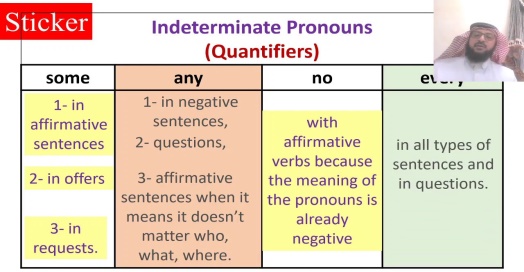
Short term plan: term 3
Unit 6: Imagination and Creativity |
Lesson 88 |
||
Teacher name: |
|
||
Date: |
|
||
Grade: 10 |
Number present: |
absent: |
|
Lesson title |
Multiple intelligences theory |
||
Learning objectives
|
10.4.3.1 - skim a range of lengthy texts with speed to identify content meriting closer reading on a range of general and curricular topics; 10.5.2.1 - use a growing range of vocabulary, which is appropriate to topic and genre, and which is spelt accurately; |
||
Lesson objectives |
Learners will be able to: - To introduce the topic of a text -To read for specific information (missing sentences) -To consolidate new vocabulary by using collocations from the tex |
||
Value links |
"Creativity and Innovation" Ability to find optimal ways to solve educational tasks to use new and already familiar algorithms combining, using them in solving non-standard problems |
||
- Plan |
|||
Stages / Time |
Teachers actions |
Students actions |
Assessment criteria |
Resources |
Beginning of the lesson
Middle of the lesson Presentation part. 35 min
|
Organization moment : 1.Greeting. Warming-up Ask about the weather. The teacher sets the lesson objectives, letting students know what to anticipate from the lesson. revise the language from the previous lesson
Ex:1 P:82 Direct Ss' attention to the pictures and the questions in Ex. 1. Check Ss' answers around the class.
|
Students of the class are listed. Students' attention is drawn to the lesson. Learners talk about daily routines previous lesson vocabulary Determines the topic and purpose of the lesson Students say different words from the picture
Pupils look at the pictures. Answer the question. ANSWERS A: people outside near nature/working in a group B: people working in a group C: someone working with their hands
|
The teacher to assess learners for their ability. “Good job! Well done!” Formative Assessment
Good job!
Descriptor: - look at the pictures - answer the question. Total: 2 point
|
Pictures
worksheet
Student’s book |
|
Ex: 2 P: 82 Play the recording. Ss follow in their books and then summarise what the Multiple Intelligences Theory is. Elicit answers from Ss around the class.
Ex: 3 P:82 Give Ss time to complete the task. Check Ss' answers and justifications.
Ex: 4 P: 82 Give Ss time to complete the task. Check Ss' answers.
Ex: 5 P: 82 Give Ss time to complete the task in pairs. Monitor the activity around the classroom.
|
Pupils look at the title. Answer the question. ANSWERS Multiple Intelligences Theory is the idea that there are eight types of intelligence and people have one type of intelligence which is strongest. The type of intelligence we have affects the way we learn.
Pupils read the text and fill the gaps. ANSWERS 1 E 2 A 3 F 4 D 5 B
Pupils complete the phrase ANSWERS 1 process 2 develop 3 general 5 easily 4 top
Pupils work in pairs. Ask and answer questions based on the text appropriate question word. ANSWERS A: How many types of intelligence are there? B: There are eight types of intelligence. A: How can we test which type of intelligence is strongest in us? B: There is no official test for MI because it's mixed up with our interests and personality. A: Why is MI Theory important for teachers and students? B: It shows that there are different ways to learn and that there is no 'right' or 'wrong' way to do it. |
Descriptor: - look at the title - answer the question Total: 2 point
Descriptor: - read the text - fill the gaps Total: 2 point
Descriptor: - complete the phrase Total: 2 point
Descriptor: - work in pairs - aask and answer questions Total: 2 point
-Make CCQ questions Yes / No
Total: 10 point |
Card Worksheet
Students book |
End of the lesson 5 min |
FEEDBACK Learners provide feedback on what they have learned at the lesson. Ex: Home task: |
|
Poster Success
|
|
Short term plan: term 3
Unit 6: Imagination and Creativity |
Lesson 89 |
||
Teacher name: |
|
||
Date: |
|
||
Grade: 10 |
Number present: |
absent: |
|
Lesson title |
Skills listening |
||
Learning objectives
|
10.4.4.1 - read a wide range of extended fiction and non-fiction texts on familiar and unfamiliar general and curricular topics; 10.5.2.1 - use a growing range of vocabulary, which is appropriate to topic and genre, and which is spelt accurately; |
||
Lesson objectives |
Learners will be able to: - To predict the content of a recording - To listen for specific information (multiple choice) - To read for specific information |
||
Value links |
"Creativity and Innovation" Use of various cognitive tools, knowledge about the world be able to collect (linguistic, reading culture, information, service in the digital environment) |
||
- Plan |
|||
Stages / Time |
Teachers actions |
Students actions |
Assessment criteria |
Resources |
Beginning of the lesson 3 min
Middle of the lesson Presentation part. 35 min
|
Organization moment : 1.Greeting. Warming-up Ask about the weather. The teacher sets the lesson objectives, letting students know what to anticipate from the lesson. revise the language from the previous lesson
Ex:7a P:83 Direct Ss' attention to the words in the list. Give them time to look them up in the Word List. Play the recording and check Ss' answers from around the class.
|
Students of the class are listed. Students' attention is drawn to the lesson. Learners talk about daily routines previous lesson vocabulary Determines the topic and purpose of the lesson Students say different words from the picture
Pupils will hear a professor talking to the students. Answer the question. Listen and check ANSWERS traditional views (phr): opinions about sth that have been held by a society for a long time intelligences (n): the ways we think and understand future teachers (phr): people who will become teachers when they grow up hands-on activities (phr): activities in which people take part instead of just watching
|
The teacher to assess learners for their ability. “Good job! Well done!” Formative Assessment
Good job!
Descriptor: - answer the question - listen and check Total: 2 point
|
Pictures
worksheet
Student’s book |
|
Ex:7b P:83 Ss read through the questions and possible answers. Play the recording and check Ss' answers.
Ex: 8 P: 83 Play the recording. Ss repeat. Check Ss' answers.
Ex: 9 P:83 Read out the question in the rubric. Ss read the dialogue in their books and find out.
|
Pupils listen again and for question choose the correct answer. ANSWERS 1 B 2 A 3 C 4 B 5 A
Pupils listen and say which word doesn’t contain the same sound. ANSWERS say, buy
Pupils read the dialogue and answer the question. ANSWERS Dana feels the theory is correct. She agrees that people have several intelligences, and she believes interpersonal is a valid type of intelligence |
Descriptor: - listen again - choose the correct answer Total: 2 point
Descriptor: - listen and say Total: 2 point
Descriptor: - read the dialogue - answer the question. Total: 2 point
-Make CCQ questions Yes / No
Total: 10 point |
Card Worksheet
Students book |
End of the lesson 5 min |
FEEDBACK Learners provide feedback on what they have learned at the lesson. Ex: Home task: |
|
Poster Success
|
|
Short term plan: term 3
Unit 6: Imagination and Creativity |
Lesson 90 |
||
Teacher name: |
|
||
Date: |
|
||
Grade: 10 |
Number present: |
absent: |
|
Lesson title |
Speaking. Expressing opinions |
||
Learning objectives
|
10.4.4.1 - read a wide range of extended fiction and non-fiction texts on familiar and unfamiliar general and curricular topics; 10.5.2.1 - use a growing range of vocabulary, which is appropriate to topic and genre, and which is spelt accurately; |
||
Lesson objectives |
Learners will be able to: - To read for specific information - act out a dialogue based on a model dialogue |
||
Value links |
"Creativity and Innovation" Use of various cognitive tools, knowledge about the world be able to collect (linguistic, reading culture, information, service in the digital environment) |
||
- Plan |
|||
Stages / Time |
Teachers actions |
Students actions |
Assessment criteria |
Resources |
Beginning of the lesson 3 min
Middle of the lesson Presentation part. 35 min
|
Organization moment : 1.Greeting. Warming-up Ask about the weather. The teacher sets the lesson objectives, letting students know what to anticipate from the lesson. revise the language from the previous lesson
Ex: 9 P:83 Read out the question in the rubric. Ss read the dialogue in their books and find out.
|
Students of the class are listed. Students' attention is drawn to the lesson. Learners talk about daily routines previous lesson vocabulary Determines the topic and purpose of the lesson Students say different words from the picture
Pupils read the dialogue and answer the question. ANSWERS Dana feels the theory is correct. She agrees that people have several intelligences, and she believes interpersonal is a valid type of intelligence
|
The teacher to assess learners for their ability. “Good job! Well done!” Formative Assessment
Good job!
Descriptor: - read the dialogue - answer the question. Total: 2 point |
Pictures
worksheet
|
|
Ex: 10 a P: 83 Ask Ss to read the dialogue again and replace the underlined sentences with sentences from the Useful Language box. Check Ss' answers around the class.
Ex: 10 b P: 83 Explain the task and give Ss time to think of two sci-fi books. Ss complete the task in pairs using the Useful Language box and following the diagram and the model in Ex. 9. Monitor the activity around the class and then ask some pairs to act out their dialogue in front of the class.
|
Pupils replace the underlined phrase in the dialogue with the phrases ANSWERS For me = As far as I'm concerned I just don't think = I'm not sure I agree I see your point, but = No, I don't think so. you might be right = that makes sense
Pupils work in pairs. Use the phrases in the Useful Language box and the diagram to act out a dialogue similar to the one in Ex. 9. ANSWERS B: Hello. What do you think about MI Theory? A: I think it's very interesting and I believe it's accurate. B: Really? I'm not sure I agree that intrapersonal is a type of intelligence. A: Why not? B: Well, knowing yourself isn't exactly complicated. A: I see your point, but it's more than just knowing who you are. It's about understanding your emotions and what you're capable of. For example, entrepreneurs like Richard Branson and Bill Gates have really strong intrapersonal intelligence. B: I guess that makes sense. |
Descriptor: - replace the underlined phrase Total: 2 point
Descriptor: - work in pairs - act out a dialogue Total:2
-Make CCQ questions Yes / No
|
Students book |
End of the lesson 5 min |
FEEDBACK Learners provide feedback on what they have learned at the lesson. Ex: Home task: |
|
Poster Success
|
|
Short term plan: term 3
Unit 6: Imagination and Creativity |
Lesson 91 |
||
Teacher name: |
|
||
Date: |
|
||
Grade: 10 |
Number present: |
absent: |
|
Lesson title |
Writing. An article |
||
Learning objectives
|
10.2.2.1 - understand specific information in unsupported extended talk on a wide range of general and curricular topics, including talk on a limited range of unfamiliar topics; 10.4.3.1 - skim a range of lengthy texts with speed to identify content meriting closer reading on a range of general and curricular topics; |
||
Lesson objectives |
Learners will be able to: - To analyse a rubric -To match paragraphs to content -To practise vocabulary related to writing an article about a person you admire |
||
Value links |
"Independence and patriotism", To the past, present and future of the people understand the relevance |
||
- Plan |
|||
Stages / Time |
Teachers actions |
Students actions |
Assessment criteria |
Resources |
Beginning of the lesson 3 min
Middle of the lesson Presentation part. 30 min
|
Organization moment : 1.Greeting. Warming-up Ask about the weather. The teacher sets the lesson objectives, letting students know what to anticipate from the lesson. revise the language from the previous lesson
Ex:1 P:84 Give Ss time to prepare their answers. Check Ss' answers.
|
Students of the class are listed. Students' attention is drawn to the lesson. Learners talk about daily routines previous lesson vocabulary Determines the topic and purpose of the lesson Students say different words from the picture
Pupils read the rubric, underline the key words and answer the question. ANSWERS Key words to be underlined: creative person, admire, why, article, magazine 1 I should write about the creative person I admire the most and the reason why I admire them. 2 A, B, D 3 I should mainly use past tenses
|
The teacher to assess learners for their ability. “Good job! Well done!” Formative Assessment
Good job!
Descriptor: - read the rubric - underline the key words Total: 2 point
|
Pictures
worksheet
Student’s book |
|
Ex:2 P:84 Give Ss time to read the model and match the contents A-D to the paragraphs. Check Ss' answers.
Ex: 3 P: 84 Read the Study Skills box aloud. Read the possible titles aloud and give Ss time to read the model again and decide which is the most appropriate. Elicit answers and justifications from Ss around the class.
Ex: 4 P:84 Read the Study Skills box aloud. Give Ss time to read the model and complete the table with the correct words. Encourage Ss to look up the meaning of any words they are unsure of in their digital dictionaries. Check Ss' answers around the class.
|
Pupils read the model. Match the contents to the paragraphs ANSWERS Para 1: B Para 2: C Para 3: D Para 4: A
Pupils read the model and answer the question. ANSWERS B-I chose this title because it's short and it grabs the reader's attention. It also mentions poems, which is what Abai Qunanbaiuly was most famous for. Changed The Country' refers to the way Qunanbaiuly's works changed the mind set of the Kazakh people, and is the reason why he is admired
Pupils read the text again and complete the table with the words in bold. ANSWERS adjectives: famous, remarkable, young, great, exceptional, religious compound adjectives: best-selling, highly-respected participles: talented, moved comparatives: richer, the best intensifiers: particularly, quite |
Descriptor: - read the model - match the contents to the paragraphs Total: 2 point
Descriptor: - read the model - answer the question Total: 2 point
Descriptor: - read the text - complete the table with the words Total: 2 point
-Make CCQ questions Yes / No
Total: 10 point |
Card Worksheet
Students book |
End of the lesson 5 min |
FEEDBACK Learners provide feedback on what they have learned at the lesson. Ex: Home task: |
|
Poster Success
|
|
Short term plan: term 3
Unit 6: Imagination and Creativity |
Lesson 92 |
||
Teacher name: |
|
||
Date: |
|
||
Grade: 10 |
Number present: |
absent: |
|
Lesson title |
Writing |
||
Learning objectives
|
10.4.2.1 - understand specific information and detail in extended texts on a range of familiar general and curricular topics, and some unfamiliar topics; 10.5.4.1 - use style and register to achieve appropriate degree of formality in a growing variety of written genres on a range of general and curricular topics; |
||
Lesson objectives |
Learners will be able to: - To practise topic-related adjectives -To prepare for a writing task -To write an article |
||
Value links |
"Independence and patriotism", Assessment of the importance of loyalty to the motherland, the history of the country respect culture |
||
- Plan |
|||
Stages / Time |
Teachers actions |
Students actions |
Assessment criteria |
Resources |
Beginning of the lesson
Middle of the lesson Presentation part. 35 min
|
Organization moment : 1.Greeting. Warming-up Ask about the weather. The teacher sets the lesson objectives, letting students know what to anticipate from the lesson. revise the language from the previous lesson
Ex:5 P:85 Explain the task. Give Ss time to complete it. Check Ss' answers around the class
|
Students of the class are listed. Students' attention is drawn to the lesson. Learners talk about daily routines previous lesson vocabulary Determines the topic and purpose of the lesson Students say different words from the picture
Pupils replace the adjectives in bold with other appropriate ones from the list. ANSWERS A 1 popular 2 skilful 3 breath taking 4 colourful B 1 remarkable/talented 2 talented/remarkable 3 proud 4 vital
|
The teacher to assess learners for their ability. “Good job! Well done!” Formative Assessment
Good job!
Descriptor: - replace the adjectives - complete the task. Total: 2 point
|
Pictures
worksheet
Student’s book |
|
Ex:6 P:85 Explain the task and give Ss time to find the grammar and spelling mistakes. Ss work in closed pairs. Check Ss' answers.
Ex: 7 P: 85 Ask Ss to read the rubric and write the headings in their notebooks. Give Ss time to make notes and then check Ss' answers.
Ex: 8 P:85 Give Ss time to complete the task using the Useful Language box and their answers from Ex. 7. Remind Ss to follow the plan and use the Checklist. Check Ss' answers. Alternatively, assign the task as HW and check Ss answers in the next lesson.
|
Pupils read the extract. There are five mistakes. Correct them. ANSWERS on 1979 =in 1979 graduate= graduated studyes = studies vienna = Vienna get people's attention = got people's attention
Pupils read the rubric and plan your article. Make notes under the headings your notebooks. ANSWERS name: Kurmangazy Sagyrbayuly background information about the person (place/ date of birthlearly life/studies): humble beginnings; born 1923 in a yurt, Bukei Horde, western Kazakhstan; family very poor; six years old, became shepherd; learned to play dombra; became a popular travelling musician achievements & why he/she is admired: beautiful songs about freedom and fighting injustice; put in prison many times for protests; never stopped: courage is why people admire him
Pupils write your article. Use your notes from ex7 ANSWERS Students own answer. |
Descriptor: - read the extract - find the grammar and spelling mistakes Total: 2 point
Descriptor: - read the rubric - make notes under the headings Total: 2 point
Descriptor: - write your article - use your notes Total: 2 point
-Make CCQ questions Yes / No
Total: 10 point |
Card Worksheet
Students book |
End of the lesson 5 min |
FEEDBACK Learners provide feedback on what they have learned at the lesson. Ex: Home task: |
|
Poster Success
|
|
Short term plan: term 3
Unit 6: Imagination and Creativity |
Lesson 93 |
||
Teacher name: |
|
||
Date: |
|
||
Grade: 10 |
Number present: |
absent: |
|
Lesson title |
CLIL. Art and design |
||
Learning objectives
|
10.2.2.1 - understand specific information in unsupported extended talk on a wide range of general and curricular topics, including talk on a limited range of unfamiliar topics; 10.3.7.1 - use appropriate subject-specific vocabulary and syntax to talk about a range of general and curricular topics; 10.5.2.1 - use a growing range of vocabulary, which is appropriate to topic and genre, and which is spelt accurately; |
||
Lesson objectives |
Learners will be able to: - To introduce the topic -To read for specific information -To develop critical thinking skills |
||
Value links |
"Independence and patriotism", To the past, present and future of the people understand the relevance |
||
- Plan |
|||
Stages / Time |
Teachers actions |
Students actions |
Assessment criteria |
Resources |
Beginning of the lesson 3 min
Middle of the lesson Presentation part. 35 min
|
Organization moment : 1.Greeting. Warming-up Ask about the weather. The teacher sets the lesson objectives, letting students know what to anticipate from the lesson. revise the language from the previous lesson
Ex:1 P:86 Read the question aloud and elicit answers from the class. Play the recording. Ss follow in their books to find out if their answers were correct.
|
Students of the class are listed. Students' attention is drawn to the lesson. Learners talk about daily routines previous lesson vocabulary Determines the topic and purpose of the lesson Students say different words from the picture
Pupils answer the question. Listen and read to find out. ANSWERS stone, metal, wood, chocolate, butter, ice or flowers
|
The teacher to assess learners for their ability. “Good job! Well done!” Formative Assessment
Good job!
Descriptor: - answer the question. - . listen and read to find out. Total: 2 point
|
Pictures
worksheet
Student’s book |
|
Ex:2 P:86 Explain the task. Give Ss time to read the text again and complete the sentences. Check Ss' answers.
Ex: 3 P: 86 Explain the task. Elicit answers from some Ss.
Ex: 4 P:86 Ss can do research either in class or for HW. Ask some Ss to present their findings to the rest of the class.
Conclusion during the lesson some tasks differentiated by outcomes of the students and by their abilities. |
Pupils read again and complete the sentences. ANSWERS 1 stone, metal or wood 2 the same qualities 3 in museums and art galleries, as well as on the streets, in parks, on a hillside or elsewhere 4 carving, casting, modelling and assembling 5 is poured into a shape and left to cool down 6 create a form
Pupils tell the class four things you have learnt about sculpture. ANSWERS I learnt that sculptures often depict the human body. I 1 learnt that some sculptures can be made from pouring a melted material into a cast and that others can be made by assembling things together. I learned that some sculptures are temporary.
Pupils collect photos of sculptures in your country. ANSWERS The 3.6 metre bronze statue of Kanysh Satpayev, a famous Kazakh scientist and geologist, stands on a pedestal in the city of Stepnogorsk. The sculptor was Azat Bayarlin, a Kazakh artist who is well-known for his statues of famous people throughout Kazakhstan |
Descriptor: - read again - complete the sentences Total: 2 point
Descriptor: - tell the class four things Total: 2 point
Descriptor: - collect photos of sculptures Total: 2 point
-Make CCQ questions Yes / No
Total: 10 point |
Card Worksheet
Students book |
End of the lesson 5 min |
FEEDBACK Learners provide feedback on what they have learned at the lesson. Ex: Home task: |
|
Poster Success
|
|
Short term plan: term 3
Unit 6: Imagination and Creativity |
Lesson 94 |
||
Teacher name: |
|
||
Date: |
|
||
Grade: 10 |
Number present: |
absent: |
|
Lesson title |
Progress check. Masks on stage. |
||
Learning objectives
|
10.3.7.1 - use appropriate subject-specific vocabulary and syntax to talk about a range of general and curricular topics; 10.5.2.1 - use a growing range of vocabulary, which is appropriate to topic and genre, and which is spelt accurately; |
||
Lesson objectives |
Learners will be able to: - To read for specific information (T/F/DS statements) - To consolidate situational language |
||
Value links |
"Independence and patriotism", Assessment of the importance of loyalty to the motherland, the history of the country respect culture |
||
- Plan |
|||
Stages / Time |
Teachers actions |
Students actions |
Assessment criteria |
Resources |
Beginning of the lesson
Middle of the lesson Presentation part. 35 min
|
Organization moment : 1.Greeting. Warming-up Ask about the weather. The teacher sets the lesson objectives, letting students know what to anticipate from the lesson. revise the language from the previous lesson
Ex:1 P:87 Ask Ss to read the statements 1-8. Give Ss time to read the text and mark each statement according to what they read in the text. Check Ss' answers and ask them to give justifications for their choices.
|
Students of the class are listed. Students' attention is drawn to the lesson. Learners talk about daily routines previous lesson vocabulary Determines the topic and purpose of the lesson Students say different words from the picture
Pupils read the text and mark the statements. ANSWERS 1 T (8.3-4) 2 DS 3 F (l. 12-13) 4 F (l. 19-20 5 F (l.16-17) 6 DS 7 F (2.31-34) 8 DS
|
The teacher to assess learners for their ability. “Good job! Well done!” Formative Assessment
Good job!
Descriptor: - read the text - mark the statements Total: 2 point
|
Pictures
worksheet
Student’s book |
|
Ex:2 P:87 Explain the task and give Ss time to choose the correct response for each item. Check Ss' answers.
|
Pupils choose the correct response ANSWERS 1 a 2 b 3 b 4 b 5 a |
Descriptor: - choose the correct response - complete the sentences Total: 2 point
-Make CCQ questions Yes / No
Total: 10 point |
Students book |
End of the lesson 5 min |
FEEDBACK Learners provide feedback on what they have learned at the lesson. Ex: Home task: |
|
Poster Success
|
|
Short term plan: term 3
Unit 6: Imagination and Creativity |
Lesson 95 |
||
Teacher name: |
|
||
Date: |
|
||
Grade: 10 |
Number present: |
absent: |
|
Lesson title |
Progress check. Summative Assessment for the unit Imagination and Creativity |
||
Learning objectives
|
10.2.2.1 - understand specific information in unsupported extended talk on a wide range of general and curricular topics, including talk on a limited range of unfamiliar topics; 10.3.4.1 - evaluate and comment on the views of others in a growing variety of talk contexts on a growing range of general and curricular topics; 10.5.2.1 - use a growing range of vocabulary, which is appropriate to topic and genre, and which is spelt accurately; |
||
Lesson objectives |
Learners will be able to: - To practise vocabulary from the module - To practise determiners, pronouns and quantifier - To listen for specific information (gap filling) |
||
Value links |
"Independence and patriotism" Respect the state symbols of Kazakhstan, understand the meaning of public holidays |
||
- Plan |
|||
Stages / Time |
Teachers actions |
Students actions |
Assessment criteria |
Resources |
Beginning of the lesson 3 min
Middle of the lesson Presentation part. 30 min
|
Organization moment : 1.Greeting. Warming-up
Ask about the weather. The teacher sets the lesson objectives, letting students know what to anticipate from the lesson. revise the language from the previous lesson
Ex:3 P:88 Explain the task. Ss complete the task. Check Ss' answers
|
Students of the class are listed. Students' attention is drawn to the lesson. Learners talk about daily routines previous lesson vocabulary
Determines the topic and purpose of the lesson Students say different words from the picture
Pupils fill the gaps. ANSWERS 1 awareness 2 awards 3 must-see 4 audience 5 movement 6 masterpiece 7 episode 8 still 9 processes 10tline |
The teacher to assess learners for their ability. “Good job! Well done!” Formative Assessment
Good job!
Descriptor: - fill the gaps - complete the task Total: 2 point
|
Pictures
worksheet
Student’s book |
|
Ex:4 P:88 Explain the task. Ss complete the task. Check Ss' answers
Ex:5 P:88 Ask Ss to read the gapped text. Play the recording. Ss listen and fill in the missing information. Ask Ss to identify what each gap asks for (noun, adjective, number, etc). Check Ss' answers on the board.
Ex:6 P:88 Explain the task. Give Ss time to plan and complete their work and then check Ss' answers. Alternatively assign the task as HW and check Ss' answers in the next lesson.
Summative Assessment for the unit Imagination and Creativity |
Pupils fill the gaps. ANSWERS 1 herself 2 That 3 whole 4 None 5 Both 6 a lot 7 anyone 8 either
Pupils listen to part of a radio show and fill in the missing information. ANSWERS 1 underwater 2 400 3 encourage 4 coral reefs 5 protecting 6 examples 7 inspiration 8 a better place
Pupils write an article about a famous artist in your country. ANSWERS Students own answer |
Descriptor: - fill the gaps - complete the sentences Total: 2 point
Descriptor: - listen to part of a radio show - fill in the missing information Total: 2 point
Descriptor: - write an article Total: 2 point
-Make CCQ questions Yes / No
|
Card Worksheet
Students book |
End of the lesson 5 min |
FEEDBACK Learners provide feedback on what they have learned at the lesson. Ex: Home task: |
|
Poster Success
|
|
Short term plan: term 3
Unit 7 Reading for pleasure: |
Lesson 96 |
||
Teacher name: |
|
||
Date: |
|
||
Grade: 10 |
Number present: |
absent: |
|
Lesson title |
Types of fiction books |
||
Learning objectives
|
10.4.1.1 - understand main points in extended texts on a wide range of familiar and some unfamiliar general and curricular topics; 10.3.5.1 - interact with peers to make hypotheses about a wide range of general and curricular topics; |
||
Lesson objectives |
Learners will be able to: - To introduce types of fiction books - To personalise the topic |
||
Value links |
"Independence and patriotism", To the past, present and future of the people understand the relevance |
||
- Plan |
|||
Stages / Time |
Teachers actions |
Students actions |
Assessment criteria |
Resources |
Beginning of the lesson 3 min
Middle of the lesson Presentation part. 35 min
|
Organization moment : 1.Greeting. Warming-up Ask about the weather. The teacher sets the lesson objectives, letting students know what to anticipate from the lesson. revise the language from the previous lesson
Ex:1 P:89 Direct Ss' attention to the pictures and the types of books. Give Ss time to think of additional books. Elicit answers from Ss around the class.
|
Students of the class are listed. Students' attention is drawn to the lesson. Learners talk about daily routines previous lesson vocabulary Determines the topic and purpose of the lesson Students say different words from the picture
Pupils look at the picture. Give one more book title for each type. ANSWERS romance: 'Pride and Prejudice' horror: 'Dracula' adventure: 'The Three Musketeers' science fiction: 'The Time Machine' mystery: 'Murder on the Orient Express' fantasy: 'The Hobbit
|
The teacher to assess learners for their ability. “Good job! Well done!” Formative Assessment
Good job!
Descriptor: - look at the picture - give one more book Total: 2 point
|
Pictures
worksheet
Student’s book |
|
Ex:2 P:89 Direct Ss' attention to the types of books in Ex. 1 and the words in the box in Ex. 2. Explain the task and read the example aloud. Ss work in pairs and tell each other their favourite/least favourite types of books. Elicit answers from Ss around the class.
Words of wisdom Direct Ss' attention to the quotation and ask Ss to discuss what it means with a partner and/or give their opinion on it. Then ask various Ss to tell the class. |
Pupils answer the question. Tell the class. Use the ideas below and your own. ANSWERS My favourite types of books are fantasy and science fiction because they are imaginative. I'm not keen on mystery novels as I find them predictable and dull
|
Descriptor: - answer the question - tell the class Total: 2 point
-Make CCQ questions Yes / No
Total: 10 point |
Card Worksheet
Students book |
End of the lesson 5 min |
FEEDBACK Learners provide feedback on what they have learned at the lesson. Ex: Home task: |
|
Poster Success
|
|
Short term plan: term 3
Unit 7 Reading for pleasure: |
Lesson 97 |
||
Teacher name: |
|
||
Date: |
|
||
Grade: 10 |
Number present: |
absent: |
|
Lesson title |
Robinson Crusoe. Background analysis |
||
Learning objectives
|
10.3.2.1 - ask and respond to complex questions to get information about a wide range of general and curricular topics; 10.4.1.1 - understand main points in extended texts on a wide range of familiar and some unfamiliar general and curricular topics; |
||
Lesson objectives |
Learners will be able to: - read for specific information - summarise a text by asking and answering questions - read for specific information |
||
Value links |
"Independence and patriotism" Respect the state symbols of Kazakhstan, understand the meaning of public holidays |
||
- Plan |
|||
Stages / Time |
Teachers actions |
Students actions |
Assessment criteria |
Resources |
Beginning of the lesson 3 min
Middle of the lesson Presentation part. 35 min
|
Organization moment : 1.Greeting. Warming-up Ask about the weather. The teacher sets the lesson objectives, letting students know what to anticipate from the lesson. revise the language from the previous lesson
Ex:1 P:90 Ss read the biography. Elicit answers from Ss around the class |
Students of the class are listed. Students' attention is drawn to the lesson. Learners talk about daily routines previous lesson vocabulary Determines the topic and purpose of the lesson Students say different words from the picture
Pupils read the biography to find out. Answer the question. ANSWERS Daniel Defoe is considered the father of the English novel because he wrote one of the first novels in the English language
|
The teacher to assess learners for their ability. “Good job! Well done!” Formative Assessment
Good job!
Descriptor: - read the biography - answer the question. Total: 2 point
|
Pictures
worksheet
Student’s book |
|
Ex:2 P:90 Ss work in pairs to ask and answer questions about the text. Monitor the activity. Elicit exchanges from pairs around the class.
Ex:3 P:90 Ss read the text and answer the questions. Check Ss' answers around the class. Ss read the text and answer the questions. Check Ss' answers around the class.
|
Pupils ask and answer the question. As in the example. ANSWERS A: What did he do as a young man? B: He travelled around Europe. A: What was his job? B: He was a merchant, but he also wrote for many newspapers and magazines. A: How old was Defoe when his first novel was published? B: He was 59 years old. Etc
Pupils read the text and answer the question. ANSWERS 1 Crusoe wanted to be a sailor but his father wouldn't let him go to sea so he ran away from home. 2 When his ship was wrecked, Crusoe was going to Africa to buy some slaves. 3 He ended up on a desert island because his ship was hit by a storm. 4 Friday is a prisoner that Crusoe rescued from natives. He becomes Crusoe's servant and friend. 5 He stayed on the island for 27 years. |
Descriptor: - ask and answer the question Total: 2 point
Descriptor: - read the text - answer the question. Total: 2 point
-Make CCQ questions Yes / No
Total: 10 point |
Card Worksheet
Students book |
End of the lesson 5 min |
FEEDBACK Learners provide feedback on what they have learned at the lesson. Ex: Home task: |
|
Poster Success
|
|
Short term plan: term 3
Unit 7 Reading for pleasure: |
Lesson 98 |
||
Teacher name: |
|
||
Date: |
|
||
Grade: 10 |
Number present: |
absent: |
|
Lesson title |
Robinson Crusoe. Background analysis |
||
Learning objectives
|
10.1.10.1 - use talk or writing as a means of reflecting on and exploring a range of perspectives on the world; 10.3.2.1 - ask and respond to complex questions to get information about a wide range of general and curricular topics; 10.4.4.1 - read a wide range of extended fiction and non-fiction texts on familiar and unfamiliar general and curricular topics; |
||
Lesson objectives |
Learners will be able to: -predict the content of an extract - read for understanding (T/F statements) - inter the attitude of a character in an extract |
||
Value links |
"Independence and patriotism" Respect the state symbols of Kazakhstan, understand the meaning of public holidays |
||
- Plan |
|||
Stages / Time |
Teachers actions |
Students actions |
Assessment criteria |
Resources |
Beginning of the lesson
|
Organization moment : 1.Greeting. Warming-up Ask about the weather. The teacher sets the lesson objectives, letting students know what to anticipate from the lesson. revise the language from the previous lesson
Ex:4 P:91 Ask Ss what difficulties a person might face on a desert island. Write weather, food, animals, loneliness on the board and brainstorm as a class.
|
Students of the class are listed. Students' attention is drawn to the lesson. Learners talk about daily routines previous lesson vocabulary Determines the topic and purpose of the lesson Students say different words from the picture
Pupils read the extract from an adaptation of Robinson Crusoe to find out. ANSWERS shelter, boredom, clothing, clean water, etc
|
The teacher to assess learners for their ability. “Good job! Well done!” Formative Assessment
Good job!
Descriptor: - read the extract Total: 2 point
|
Pictures
worksheet
Student’s book |
Middle of the lesson Presentation part. 30 min
|
Ex:5 P:91 Ss read the text again and mark the statements (1-5) Tor F. Check Ss' answers. Where statements are F, elicit the correct answer from Ss around the class.
Ex:6 P:91 Give Ss time to read the text again and answer the questions. Elicit answers and reasons from Ss around the class.
|
Pupils read the extract again. Mark the statements. ANSWERS 1 F (Crusoe wanted to talk to someone and see another person.) 2 F (Crusoe was scared by the thought that someone else was on the island. He didn't actually see them - only their footprint.) 3 T 4 T 5 T
Pupils answer the question. ANSWERS I don't think Crusoe wants to meet another person. Although he misses other people, he's afraid of someone else being on the island because he doesn't know if they will be dangerous. |
Descriptor: - read the extract - mark the statements. Total: 2 point
Descriptor: - answer the question. Total: 2 point
-Make CCQ questions Yes / No
Total: 10 point |
Card Worksheet
Students book |
End of the lesson 5 min |
FEEDBACK Learners provide feedback on what they have learned at the lesson. Ex: Home task: |
|
Poster Success
|
|
Short term plan: term 3
Unit 7 Reading for pleasure: |
Lesson 99 |
||
Teacher name: |
|
||
Date: |
|
||
Grade: 10 |
Number present: |
absent: |
|
Lesson title |
Analysis |
||
Learning objectives
|
10.4.5.1 deduce meaning from context in extended texts on a wide range of familiar general and curricular topics, and some unfamiliar topics; 10.5.4.1 - use style and register to achieve appropriate degree of formality in a growing variety of written genres on a range of general and curricular topics; |
||
Lesson objectives |
Learners will be able to: - make notes on an extract - present figurative language - analyse a title |
||
Value links |
"Independence and patriotism" Respect the state symbols of Kazakhstan, understand the meaning of public holidays |
||
- Plan |
|||
Stages / Time |
Teachers actions |
Students actions |
Assessment criteria |
Resources |
Beginning of the lesson
Middle of the lesson Presentation part. 35 min
|
Organization moment : 1.Greeting. Warming-up Ask about the weather. The teacher sets the lesson objectives, letting students know what to anticipate from the lesson. revise the language from the previous lesson
Ex:7 P:92 Refer Ss to the extract on p. 91. Ss fill in the graphic organiser. Check Ss' answers around the class and fill in the graphic organiser on the board.
|
Students of the class are listed. Students' attention is drawn to the lesson. Learners talk about daily routines previous lesson vocabulary Determines the topic and purpose of the lesson Students say different words from the picture
Pupils fill in the graphic organizer based on the extract you read. ANSWERS Character(s): Robinson Crusoe Setting: the beach on a desert island, Crusoe's cave Main Event(s): Crusoe sees a person's footprint on the beach. He gets scared and runs home
|
The teacher to assess learners for their ability. “Good job! Well done!” Formative Assessment
Good job!
Descriptor: - fill in the graphic organizer Total: 2 point
|
Pictures
worksheet
Student’s book |
|
Ex:8 P:92 Ss use their notes from Ex. 7 to write a summary of the extract. Various Ss read their summaries to the class.
Ex:9a P:92 Read the theory box aloud and give Ss additional examples if necessary. Ss read the extract on p. 91 and find examples of figurative language. Check Ss' answers around the class.
Ex:9b P:92 Explain the task and give Ss time to complete it. Check Ss' answers around the class.
|
Pupils use your graphic organizer to write a summary of the extract. ANSWERS In this section of the book, Robinson Crusoe sees a footprint on the beach. This makes him very scared. He runs home to his cave as fast as he can go. Even when he gets there, he has trouble relaxing. He's afraid that the person who made the footprint will find him
Pupils read the theory and find an example of a smile, a metaphor and personification in the extract. ANSWERS Similes: I stood like one thunderstruck... / I fled into it like one pursued... metaphors: ... every bush and tree, every stump, was a man. personifications: The moon looked down on me...
Pupils read the sentences. Identify which type of figurative language is used. ANSWERS 1 metaphor 2 simile 3 personification 4 personification 5 simile |
Descriptor: - use your graphic organizer - write a summary of the extract Total: 2 point
Descriptor: - read the theory - find an example Total: 2 point
Descriptor: - read the sentences - Identify which type of figurative language Total: 2 point
-Make CCQ questions Yes / No
Total: 10 point |
Card Worksheet
Students book |
End of the lesson 5 min |
FEEDBACK Learners provide feedback on what they have learned at the lesson. Ex: Home task: |
|
Poster Success
|
|
Short term plan: term 3
Unit 7 Reading for pleasure: |
Lesson 100 |
||
Teacher name: |
|
||
Date: |
|
||
Grade: 10 |
Number present: |
absent: |
|
Lesson title |
Character analysis |
||
Learning objectives
|
10.2.2.1 - understand specific information in unsupported extended talk on a wide range of general and curricular topics, including talk on a limited range of unfamiliar topics; 10.3.2.1 - ask and respond to complex questions to get information about a wide range of general and curricular topics; |
||
Lesson objectives |
Learners will be able to: - listen and make notes about the characters in a novel - compare characters in a novel and to practise conjunctions - listen and take notes and to present setting and symbolism |
||
Value links |
"Independence and patriotism" Respect the state symbols of Kazakhstan, understand the meaning of public holidays |
||
- Plan |
|||
Stages / Time |
Teachers actions |
Students actions |
Assessment criteria |
Resources |
Beginning of the lesson
Middle of the lesson Presentation part. 35 min
|
Organization moment : 1.Greeting. Warming-up Ask about the weather. The teacher sets the lesson objectives, letting students know what to anticipate from the lesson. revise the language from the previous lesson
Ex:10 P:93 Read the original title aloud. Ask Ss to work in pairs to answer the questions. Give Ss time to complete the task, then elicit answers from Ss around the class.
|
Students of the class are listed. Students' attention is drawn to the lesson. Learners talk about daily routines previous lesson vocabulary Determines the topic and purpose of the lesson Students say different words from the picture
Pupils work in pairs. Answer the following questions. ANSWERS I think the title of the book was changed because it was too long. It's good to have a longer title because it lets people know what the book is about before they read it, so they can decide if they want to buy it. On the other hand, having a longer title is bad because it's hard to remember. Also, in the case of 'Robinson Crusoe', the longer title gives away the ending of the story |
The teacher to assess learners for their ability. “Good job! Well done!” Formative Assessment
Good job!
Descriptor: - work in pairs - answer the questions. Total: 2 point
|
Pictures
worksheet
Student’s book |
|
Ex:11 P:93 Play the recording for Ss. Read the task and the adjectives aloud. Ss copy the Venn diagram into their notebooks. Play the recording again and Ss take notes. Draw the Venn diagram on the board and elicit answers from Ss around the class to fill it in
Ex:12 P:93 Remind Ss about conjunctions and when to use them. Explain the task and refer Ss to their Venn diagrams from Ex. 11 in order to complete it. Ss write a few sentences. Ask various Ss to read their comparisons to the class.
Ex:13 P:93 Play the recording for Ss. Ss copy the graphic organiser into their notebooks. Play the recording again and Ss take notes. Check Ss' answers around the class. Ss use their notes to create a short presentation about the setting and symbol of the footprint. Ask various Ss to give their presentations to the class.
|
Pupils listen to a professor presenting the characters of Robinson Crusoe and Friday. Use the adjectives from the list to complete the Venn diagram. ANSWERS
Pupils answer the questions. Use conjunctions but, and, because. Write a few sentences. ANSWERS Robinson Crusoe is shipwrecked on an island, but Friday is a local man. Both Crusoe and Friday are clever because Crusoe makes things to help him survive and Friday learns English. They are also both brave. Friday is open, innocent and loyal.
Pupils listen to a professor giving a lecture about the setting and the symbolism of the footprint in Robinson Crusoe. Take notes to fill in the graphic organiser. Then, present the setting and the symbol of the footprint to the class. ANSWERS 'Robinson Crusoe' is set on a desert island. The island is tropical and hot, with shade, fresh water and vegetation. It is also hilly. Crusoe builds a safe life for himself on the island, but he is alone. Then he finds a footprint. The footprint represents his feelings of confusion - he misses other people, but perhaps he also likes the life he has made for himself, living alone on the island. |
Descriptor: - listen to a professor - use the adjectives - complete the Venn diagram Total: 2 point
Descriptor: - answer the questions - use conjunctions - write a few sentences. Total: 2 point
Descriptor: - listen to a professor - fill in the graphic organiser Total: 2 point
-Make CCQ questions Yes / No
Total: 10 point |
Card Worksheet
Students book |
End of the lesson 5 min |
FEEDBACK Learners provide feedback on what they have learned at the lesson. Ex: Home task: |
|
Poster Success
|
|
Short term plan: term 3
Unit 7 Reading for pleasure: |
Lesson 101 |
||
Teacher name: |
|
||
Date: |
|
||
Grade: 10 |
Number present: |
absent: |
|
Lesson title |
Elements in fiction |
||
Learning objectives
|
10.4.5.1 deduce meaning from context in extended texts on a wide range of familiar general and curricular topics, and some unfamiliar topics; 10.5.4.1 - use style and register to achieve appropriate degree of formality in a growing variety of written genres on a range of general and curricular topics; |
||
Lesson objectives |
Learners will be able to: - present elements in fiction - analyze the elements in a novel - analyze the narrative language in a novel |
||
Value links |
"Independence and patriotism", To the past, present and future of the people understand the relevance |
||
- Plan |
|||
Stages / Time |
Teachers actions |
Students actions |
Assessment criteria |
Resources |
Beginning of the lesson 3 min
Middle of the lesson Presentation part. 35 min
|
Organization moment : 1.Greeting. Warming-up
Ask about the weather. The teacher sets the lesson objectives, letting students know what to anticipate from the lesson. revise the language from the previous lesson
Ex:15 P:94 Ss read the words in the list and look them up in the Word List. Give Ss time to complete the task. Check Ss' answers.
|
Students of the class are listed. Students' attention is drawn to the lesson. Learners talk about daily routines previous lesson vocabulary Determines the topic and purpose of the lesson Students say different words from the picture
Pupils complete the gaps with the correct word. ANSWERS 1 climax 2 resolution 3 plot 4 setting 5 characters 6 protagonist 7 mood 8 narrator 9 point of view 10 flashback
|
The teacher to assess learners for their ability. “Good job! Well done!” Formative Assessment
Good job!
Descriptor: - complete the gaps - complete the task Total: 2 point
|
Pictures
worksheet
Student’s book |
|
Ex:16 P:94 Ask Ss to read the novel Robinson Crusoe at home. Direct them to for an online version. In a future lesson after Ss have read the book, ask Ss to answer the questions to test their knowledge.
Ex:17 P:94 Read the theory box aloud. Check Ss' understanding of the concepts. Ss copy the chart into their notebooks, then use Ex. 16 and their own knowledge to complete the chart and discuss with a partner. Check Ss' answers around the class.
Conclusion during the lesson some tasks differentiated by outcomes of the students and by their abilities. |
Pupils read the novel. Discuss the questions. ANSWERS 1 The protagonist in 'Robinson Crusoe' is Robinson Crusoe himself. Other characters include Friday, Xury, the Portuguese captain and the Spaniard. 2 The narrator is Robinson Crusoe. 3 The author's point of view is first person. 4 There is no flashback narration in the story, but the whole novel is told in the past tense, as Crusoe remembers what happened to him. 5 The story is set mainly on the island. There are also parts which take place in England, North Africa, Brazil and Spain. 6 The story creates feelings of excitement and interest in the reader because of all Crusoe's adventures. The reader understands Crusoe's loneliness because, even in today's world, most people have a fear of being alone
Pupils complete the chat. Compare with your partner. ANSWERS Exposition: Crusoe is in England. His parents want him to become a lawyer, but he wants to be a sailor. Rising action: Crusoe ignores his parents and goes to sea. He encounters difficulties but eventually becomes successful and prepares to go to Africa to buy slaves. Climax event: Crusoe is shipwrecked on an island. Falling action: Crusoe makes a life for himself on the island and survives there for many years, even finding a human friend, Friday |
Descriptor: - read the novel - discuss the questions Total: 2 point
Descriptor: - complete the chat. - compare with your partner Total: 2 point
-Make CCQ questions Yes / No
Total: 10 point |
Card Worksheet
Students book |
End of the lesson 5 min |
FEEDBACK Learners provide feedback on what they have learned at the lesson. Ex: Home task: |
|
Poster Success
|
|
Short term plan: term 3
Unit7 Reading for pleasure |
Lesson 12 |
||
Teacher name: |
|
||
Date: |
|
||
Grade: 11 |
Number present: |
absent: |
|
Lesson title |
Summative control work for the 3rd term |
||
Learning objectives
|
10.2.6.1 - deduce meaning from context in unsupported extended talk on a wide range of general and curricular topics, including talk on a limited range of unfamiliar topics; 10.5.2.1 - use a growing range of vocabulary, which is appropriate to topic and genre, and which is spelt accurately;
|
||
Lesson objectives |
Learners will be able to: -demonstrate the skills of using figurative language, word relationships, and nuances in word meanings - evaluate the use of facts and details in paragraphs and extended texts |
||
Value links |
"Independence and patriotism", To the past, present and future of the people understand the relevance |
||
Plan |
|||
Stages / Time |
Teachers actions |
Students actions |
Assessment criteria |
Resources |
Beginning of the lesson 3 min
Middle of the lesson Presentation part. 35 min
|
Organization moment : 1.Greeting. Warming-up Ask about the weather. The teacher sets the lesson objectives, letting students know what to anticipate from the lesson. revise the vocabulary from the previous
LISTENING Task. Listen to two different conversations and for questions 1 and 4, in a word or phrase, write what the feeling or message is that they think each artist is trying to convey. For questions 2-3 and 5-6, underline the correct option and write the key words or phrases from the listening that support your answers. |
Students of the class are listed. Students' attention is drawn to the lesson. Learners remember previous lesson vocabulary Determines the topic and purpose of the lesson Students say different words from the picture
Pupils listen to two different conversations ANSWERS
|
The teacher to assess learners for their ability. “Good job! Well done!” Formative Assessment
Good job!
Descriptor: - listen to two different conversations Total: 6 point
|
Pictures
worksheet
|
|
READING. Task. Read the text carefully. The given paragraphs are not in correct order. Number the paragraphs A-D in the correct order 1-4.
WRITING. Task. Choose ONE of the topics and write a story.
SPEAKING Task. Work in pairs. Choose ONE of the cards and answer the questions. You have 1 minute to prepare and 2-3 minutes to speak. Conclusion during the lesson some tasks differentiated by outcomes of the students and by their abilities. |
Pupils read the text carefully. Number the paragraphs. ANSWERS
Pupils choose one topic and write a story ANSWERS
Pupils Work in pairs. Choose ONE of the cards and answer the questions ANSWERS
|
Descriptor: - read the text - number the paragraphs Total: 6 point
Descriptor: - choose one topic and write Total: 6 point
Descriptor: - work in pairs -choose and answer the question. Total:62 point
-Make CCQ questions Yes / No |
Card Worksheet
|
End of the lesson 5 min |
FEEDBACK Learners provide feedback on what they have learned at the lesson. Ex: Home task: |
|
Poster Success
|
|









 Бұл курс Қазақстан Республикасы Оқу-ағарту министрлігімен келісілген