
 ЖИ көмекші


 Қауіпсіз төлем

жүктеу мүмкіндігіне ие боласыз
Бұл материал сайт қолданушысы жариялаған. Материалдың ішінде жазылған барлық ақпаратқа жауапкершілікті жариялаған қолданушы жауап береді. Ұстаз тілегі тек ақпаратты таратуға қолдау көрсетеді. Егер материал сіздің авторлық құқығыңызды бұзған болса немесе басқа да себептермен сайттан өшіру керек деп ойласаңыз осында жазыңыз
 21 Қаңтар 2019
 556

1 жыл бойы шексіз жүктеңіз
Focusing on TV programme
Short term plan
Lesson plan
|
Long-term plan
unit: |
School: №127 |
|
||||||||||||||||||||||||
|
Date: 01.02.2018 |
Teacher name:B.B.Isaeva |
|||||||||||||||||||||||||
|
Grade: 7«V» |
Number present: 15 |
absent: |
||||||||||||||||||||||||
|
Theme of the lesson: |
Focusing on TV programmes and films. |
|
||||||||||||||||||||||||
|
Learning objectives
that/this lesson is |
7C1 Use speaking and listening skills to solve problems creatively and cooperatively together 7C3 Respect different points of view 7L3 understand with some support most of the detail and argument in extended talk on a limited range of general and curriculum topics |
|
||||||||||||||||||||||||
|
Lesson objectives |
All the leaners will be able to: Say at least simple sentences using new vocabulary Most learners will be able
to: Answer the simple questions according to the theme Some learners will be able to: Make a dialogue using new vocabulary |
|
||||||||||||||||||||||||
|
Criteria |
Learners have met the learning objective (R1) if they
|
|
||||||||||||||||||||||||
|
Value links |
National unity, peace and harmony in our society. Respect and cooperation by: 1.Listening to the teacher 2.Listening to each other 3.Help each other 4.Encourage each other |
|
||||||||||||||||||||||||
|
Cross-curricular links |
Litarature. |
|
||||||||||||||||||||||||
|
ICT skills |
pictures, active board |
|
||||||||||||||||||||||||
|
Previous learning |
Different activities based on the content of the books. |
|
||||||||||||||||||||||||
|
|
|
|
||||||||||||||||||||||||
|
Planned |
Planned activities |
Resources |
||||||||||||||||||||||||
|
Beginning
Middle 5min |
Open the “Magic box” Play game «Bomba».Checking the home task. Make up sentences using adjectives according the theme books. Brainstorming. 1.Do you watch TV every day? 2. What kind of TV program or movie do you watch? 3.What is your favourite movie? 4. Do you usually watch movies at home or at a movie theater?
Descriptor:
Open the “Magic box” Task 1 . Presentation of new theme. Task1.Read correctly the words in the box.Match with pictures and remember it. Read and repeat in choir.
Descriptor:
Open the “Magic box” –Here will be discussion. Regrouping: Take pictures. Form two groups. Task2 .Discussing task. Solving the problem. -Teacher:Today you should discuss and solve the problems about good and bad effects of watching TV programm or movies. As a role of teachers, parents and pupils you should demonstrate the talk show ''It is easy to say...". Open the “Magic box”.Here you will take a box with ball in it . Presentation of new grammar.
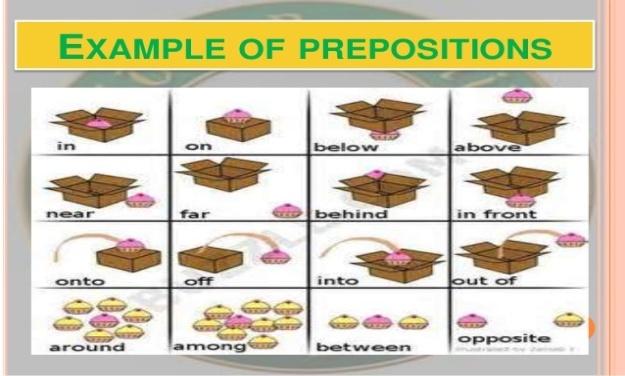
Task 3 Find the phrases in the text and complete them with the correct preposition. Write 4 sentences about yourself using the prepositional phrases 1.go….sale 4.keep…touch 2….. first 5…… the same time 3.talk…. the phone 6.post…… social media Descriptor: -works individually -completes phrases with the correct prepositions -makes up 4 sentences using prepositional phrases.
|
hhh://www.youtube.com/ watch. |
||||||||||||||||||||||||
|
|
The game “snow-ball” I’d like to see… I want to see… I would choose … I prefer watching Group Assessment criteria
|
|
||||||||||||||||||||||||
|
End |
Feedback Core i3 Core i5 Core i7
I need a lot of help. I need a little help. I understand everything |
Slips of paper |
||||||||||||||||||||||||
|
|
|
|
||||||||||||||||||||||||
|
Differentiation – how do
you |
Assessment – how 1.Task 2 Star for each correct answer 2. Task3 Smile for each correct answer 3.Task4 Star for each correct answer 4.Task5 Smile for each correct answer
|
Health and safety check |
||||||||||||||||||||||||
|
|
|
|
||||||||||||||||||||||||
|
|
|
|
||||||||||||||||||||||||
|
Giving to students their
homework : Ask students to find out
information about the films they don’t know. They should find out
the genre, plot and main actors. In the following class they should
talk about a film they didn’t know. |
||||||||||||||||||||||||||





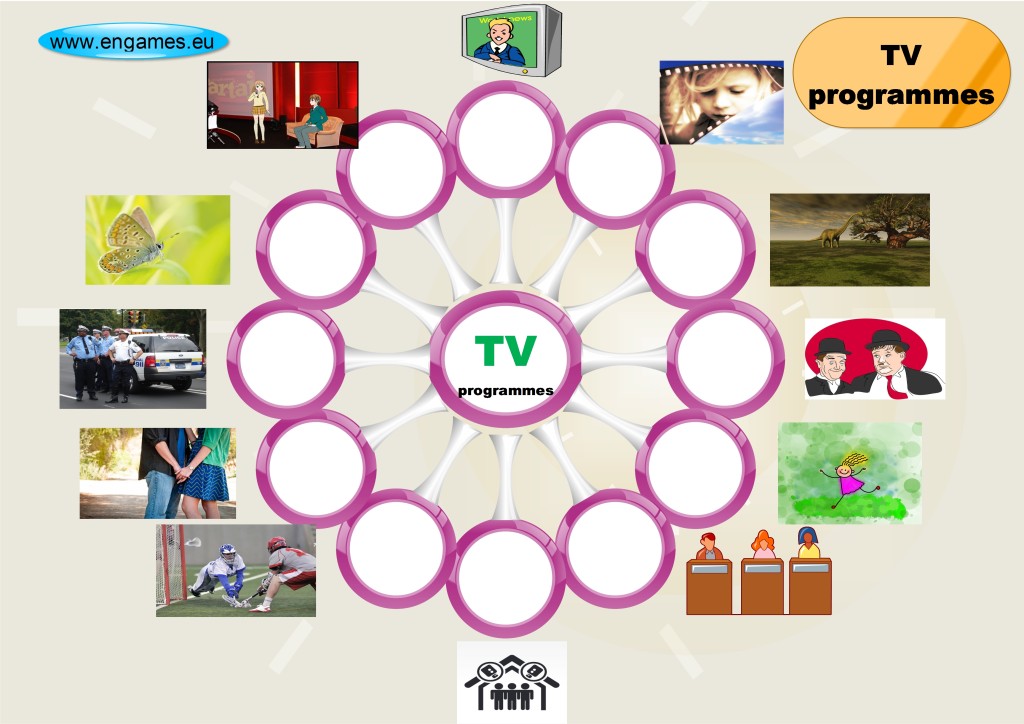
Once, you feel that you know all the necessary vocabulary, it is a good idea, to print out the following mind map and complete it with all the words you remember. Try to add the names of some real TV programmes you watch too. For example write a comedy programme to the picture of Laurel and Hardy and write there Friends, too.
Write the words you have learnt and examples of the programmes you know.
TV programmes – games
Now you have a chance to practise your knowledge in a playful way. The first quiz is fully in HTML5 so it should play on your mobile devices too. Try to solve the quiz by matching the words and the pictures and by writing the appropriate words to the pictures. If you pass you will play the game called angry Farmer. My best result has been 25. Will you be better than me?
a) Warm-up. Before discussing task.
1.Do you watch TV every day?
2. What kind of TV program or movie do you watch?
3.What is your favourite movie?
4. Do you usually watch movies at home or at a movie theater?
5.Have you ever seen the same movie more than once? If yes, name it.
-Teacher: All look at the screen. Here you can see some pictures and you should give the definitions of them.
 news -
1.Information about what is happening in the
world.
 quiz
show- 2. People try to win prizes by
answering questions or quessing the questions get
education
 soap
opera- 3. Story of the daily life
of a family
 educational
programm- 4. Information for pupils and
students. Developing pupils' and students'
scope
 couch
potato- 5.A person who spends much
time sitting or lying down,usually watching
television
 adventure-6.Adventure Films are
exciting stories, with new experiences or exotic
locales
 cartoon
-7.A cartoon is a illustrated,
animated visual art. Specially for children
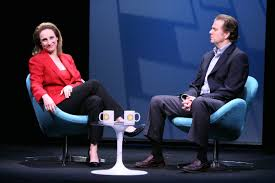 talk
show- 8. A program where a group of
people come together to discuss different problems or topics put
forth by a host.
e) Discussing task. Solving the problem.
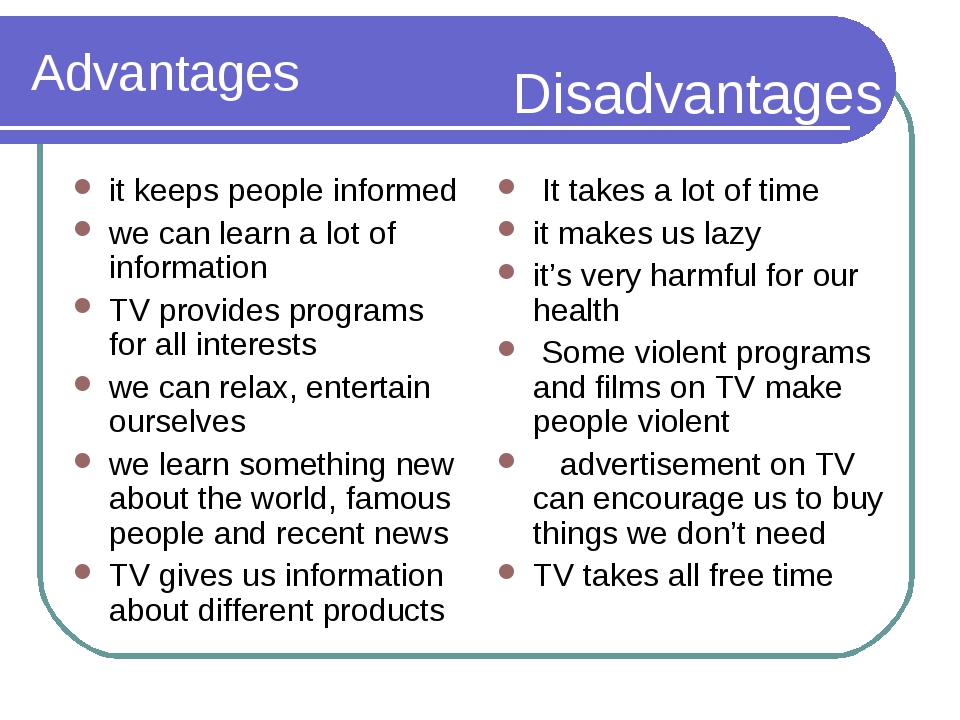
-Teacher:Today you should discuss and solve the problems about good and bad effects of watching TV programm or movies. As a role of teachers, parents and pupils you should demonstrate the talk show ''It is easy to say...".
Pupils are taken red sticker you are teachers, green sticker you are pupils and yellow sticker you are parents.
-Teacher:Please , all imagine that you are at TV studio "Айтуға оңай". We 'll invite the quest of studio, the pupil of the 11 th grade Abusar Erasyl. Now Erasyl will share his misunderstanding question with you. And you should give your opinion.
-Erasyl: " Good morning, quests!" Can you help me? I know lots of people can't imagine their lives without television. It is as essential part of our life. But other consider watching TV programm or movies are wasting time. Who is right? Can you tell me the advantage and disadvantage of watching TV programm and movies in our life?
- Teacher: To think or to prepare the answer of this question I give you only
3 minutes. Please, discuss at the group. When you are ready, you 'll give your opinion. You may use the word combination at the book or on the screen. Page 139, ex . 8
( During the discussion I'll show opinion of other people)
Pupils opinions: -I disagree with ..... . Because we'll be coach potato and lazy person.
- I agree with .... . Many films as soup operas make our life boring. Sometimes we adicted on TV and soap operas.
-Watching TV for a long time it is harmful for our health, damage eye sight.
-One of the reason watching TV is it plays important role in our life. It is difficult to say if it is good or bad for us. But more positive and negative sights.
- I agree with ...... . At the first place television is an entertainment. We don't go to cinema, don't spent money.
-I think. We can see plays, films, sport events, news, music programm, talk shows, science programm.
Teacher: We know your opinions. Please, let 's ask other quests or groups what they think. You should make up questions and interview our quests or each others.
Pupils questions:
1. What kind of TV programm do you watch?
2. Do you think of much violence on TV?
3.How often do you watch TV?
4.Do you think it is educational?
5. Conclusion.
Teacher: Each should write down your conclusion word and read it.
Finally I want to say the word of famous Kazakh poet Abai Kunanbaiev:
Beware of five evil
And be closer to five in good deeds
If you want to be a good person
B U T , I T EA SY T O S AY....
Finally what can be said about the impact of TV is that it can be both good and bad. Most of the time it all depends on who is watching. Similar to what was mentioned in the arguments above it has been proven that the television is not all bad or all good, but both.
6.Giving the home task. To write an essay about '' TV in my life''
7.Evalution of the pupils answer.
8. The lesson is over. Good-bye!
Overview
The lesson is based around the theme of
television, and a short film
called
Television
by Beth Fulton inspired by Todd
Alcott's poem of the same name. The lesson also
shows students how they can use and learn
vocabulary using the superb online
dictionary Lingro.
Step 1
Ask your students to read the questions related to
television in the document below and to choose 6
questions they would like to ask their partner.
Then they should take turns asking and answering
the questions.
Step 2
Tell your students they are going to watch a short
film which is inspired by a poem
called
Television
. Ask them what they think a poem
called
Television
might be about. Show them the
film, and ask what they think the message of the
film and poem is. Do they agree with the message?
Link:
http://www.vimeo.com/10857606
Step 3
Tell the students they are going to watch the film
again, but this time they should note down any
uses of the affirmative and negative imperatives
which they hear and see.
Short term plan
Lesson plan
|
Long-term plan
unit: |
School: |
|
|
Date: |
Teacher name: |
|
|
Grade: 7th |
Number present: 15 |
absent: |
|
Theme of the lesson: |
Focusing on TV programmes and films. |
|
|
Learning objectives
that/this lesson is |
7C1 Use speaking and listening skills to solve problems creatively and cooperatively in groups 7C3 Respect different points of view 7L3 understand with some support most of the detail of an argument in extended talk on a limited range of general and curriculum topics |
|
|
Lesson objectives |
All the leaners will be able to: Say at least 5-6 simple sentences using new vocabulary Most learners will be able
to: Give an opinion at discourse level Answer the simple questions according to the theme Some learners will be able to: make a dialogue using new vocabulary |
|
|
Criteria |
Learners have met the learning objective (R1) if they
|
|
|
Value links |
National unity, peace and harmony in our society. Respect and cooperation by: 1.Listening to the teacher 2.Listening to each other 3.Help each other 4.Encourage each other |
|
|
Cross-curricular links |
Litarature, geography |
|
|
ICT skills |
pictures, active board |
|
|
Previous learning |
Different activities based on the content of the books. |
|
|
Plan |
|
|
|
Planned |
Planned activities |
Resources |
|
Beginning |
Beginning. Greeting . Warm up activity: 1.Do you watch TV every day? 2. What kind of TV program or movie do you watch? 3.What is your favourite movie? 4. Do you usually watch movies at home or at a movie theater? 5.Have you ever seen the same movie more than once? If yes, name it. T:Divide into 3groups, count from 1,2,3
Checking the homework Make up sentences using adjectives according the theme books Brainstorming.
P: Guess the theme of the lesson. |
hhh://www.youtube.com/ watch. |
|
Middle |
|
|
|
35 min |
1.T: Introduce the lesson objectives an introduce new words P:Repeat the new words after teacher in chorus film, movie, picture documentary dubbed film feature film news-reel popular science short film a science-fiction T: Look through the text The most popular entertainment in our home life is television. There is also a cable TV station in our town. Television plays an important role in our life. It informs people about current events both national and international, the latest achievements in science and culture, and offers some programs, which are both interesting and stimulating. Every day we can see different tips of programs on TV. News is broadcast at regular intervals. They also present operas, ballets, music concerts and various shows. Broadcast for schools are produced on five days of the week, during school hours. In the late afternoon and early evening TV channels showed special programs for children. In the evenings and at weekends there are broadcasts of sports events. A large time of TV evening's time is occupied by films and serials, but as for me I like quizzes.. 3.True false
4.T: match the words and their definitions.
5.Complete the sentences which programme you would choose if you want to see. a soap a music programme a comedy a news programme a sport programme a documentary a film an educational programme politics a religious programme a cartoon I’d like to see… I want to see… I would choose … I prefer watching …
6.The game “snow-ball” «When I come home I turn on the TV and watch …» |
Flashcards
|
|
End |
Feedback |
Use traffic light pictures. |
|
Additional information |
|
|
|
Differentiation – how do
you |
Assessment – how 1.Task 2 Star for each correct answer
2. Task3 Smile for each correct answer
3.Task4 Star for each correct answer 4.Task5 Smile for each correct answer
|
Health and safety check |
|
Less able students –
greater |
through observation |
Work with the SMART board not
more |
|
|
|
|
|
|
|
|
|
Giving to students their homework :Make up 10 sentences using present perfect and new words. |
||
Assessment – how
are you planning to
check learners’
learning?
1.Task 2 Star for each correct answer
2. Task3 Smile for each correct answer
3.Task4 Star for each correct answer
4.Task5 Smile for each correct answer

Step 3
Tell the students they are going to watch the film again, but this time they should note down any uses of the affirmative and negative imperatives which they hear and see.
Step 4
Get students to check their answers, and then show them the poem with the imperative in bold in the Scribd document below.
Step 5
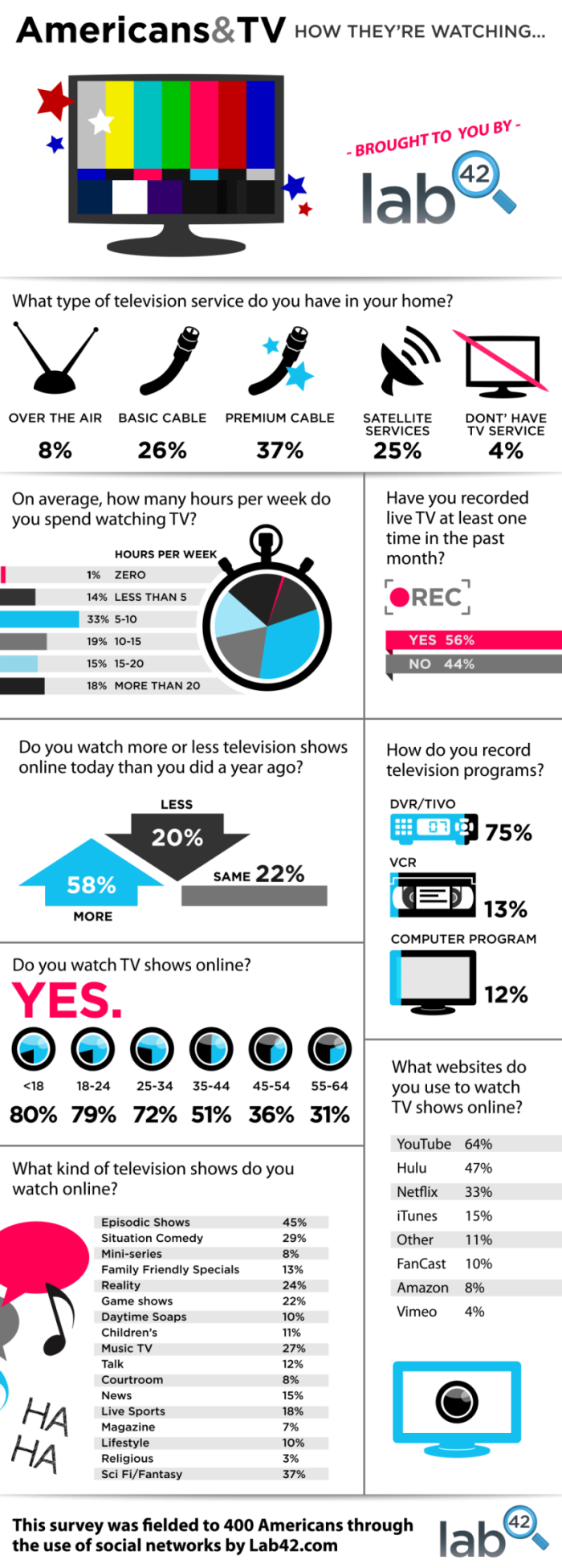
Put your students into pairs and give each student one of these two infographics about TV viewing. Ask them to study the infographics and to write 5 questions which they will ask their partner about information in their infographic. For example, How many people have recorded TV in the last month?, What are the most popular programmes online? Why do people watch TV online?
When the students have finished writing their questions they should give their partner their infographic and ask their 5 questions which their partner should answer.
Student A


Here is Stu
Step 7
Encourage them to use language of deduction and speculation such as:
It may be …
It might be …
It could be …
It can’t be …
It must be …
Step 9
Ask students how many of the films they have seen.
Here are my answers to the 35 films:
01. Singing in the Rain
02. Titanic
03. Jaws
04. Woodstock
05. Psycho
06. Carrie
07. The Gold Rush
08. The Wizard of Oz
09. Night on Earth
10. One Flew Over the Cuckoo’s Nest
11. Hats
12. Gone with the Wind
13. Snow White
14. The Blues Brothers
15. Terminator
16. Star Wars
17. Pulp Fiction
18. Cross-eyed
19. The Omen
20. The Exorcist
21. North by Northwest
22. Toy Story
23. Fight Club
24. A Clockwork Orange
25. 24 Hours
26. Lost Highway
27. The Great Dictator
28. 9 weeks 1/2
29. Rear Window
30. Dogville
31. The Tin Drum
32. Nosferatu
33. Battleship Potemkin
34. Apollo 13
35. Easy Rider
Homework
Ask students to find out information about the films they don’t know. They should find out the genre, plot and main actors. In the following class they should talk about a film they didn’t know.
 +
Open the “Magic box”
Play game «Bomba».Checking the home task. Make up sentences using adjectives according the theme books.
Work on notebook with a group
Discussion Reporter.
A ball









 Бұл курс Қазақстан Республикасы Оқу-ағарту министрлігімен келісілген










