
 ЖИ көмекші


 Қауіпсіз төлем

жүктеу мүмкіндігіне ие боласыз
Бұл материал сайт қолданушысы жариялаған. Материалдың ішінде жазылған барлық ақпаратқа жауапкершілікті жариялаған қолданушы жауап береді. Ұстаз тілегі тек ақпаратты таратуға қолдау көрсетеді. Егер материал сіздің авторлық құқығыңызды бұзған болса немесе басқа да себептермен сайттан өшіру керек деп ойласаңыз осында жазыңыз
 29 Қаңтар 2019
 980

1 жыл бойы шексіз жүктеңіз
Food and Drink
Open lesson plan
|
Unit of a long term plan: Unit 5 Our Health. |
School: A.S. Pushkin |
||||||||||||||
|
Date: |
Teacher's name: Karimsakova Zh |
||||||||||||||
|
CLASS: 6 A |
Number present: |
absent: |
|||||||||||||
|
Lesson title |
Food and drink. |
||||||||||||||
|
Learning objectives(s) |
6.S1 provide basic information about themselves and others at sentence level on an increasing range of general topics 6.S2 ask simple questions to get information about a limited range of general topics 6.L4 understand the main points of supported extended talk on a range of general and curricular topics 6.R5 deduce meaning from context in short texts on a limited range of familiar general and curricular topics 6.W1 plan, write, edit and proofread work at text level with support on a limited range of general and curricular topics 6.W5 link without support sentences using basic coordinating connectors |
||||||||||||||
|
Lesson objectives |
All learners will be able to: To talk about food preferences; Most learners will be able to: To present vocabulary in the context of article about food and drinks Some learners will be able to:
|
||||||||||||||
|
Level of thinking |
Higher order thinking skills (according to the revised Bloom's taxonomy). |
||||||||||||||
|
Assessment criteria |
|
||||||||||||||
|
Target language |
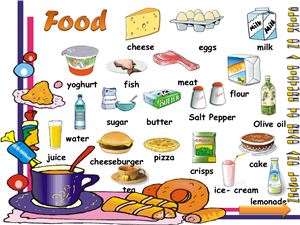
Salad, chips, soup, sweets, fish, apple, bread, rice, pasta, nuts, eggs, burger, crisps, sandwich. fussy drinks, juice, ice cream, meat, school meals. |
||||||||||||||
|
Values links |
Responsibility, Global Citizenship, Respect and Love to people and school, Care to modern technology, Love to nearest and dearest. |
||||||||||||||
|
Cross-curricular links |
Social Science, Psychology, Information Technology, Art, Medicine. |
||||||||||||||
|
Previous learning |
Vocabulary relating to people's activity, school and school subjects. |
||||||||||||||
|
Plan |
|||||||||||||||
|
Planned timings |
Planned activities (replace the notes below with your planned activities) |
Resources |
|||||||||||||
|
Start 3 min 3 - 4 min Main part 15 min 10 min 5 min |
Class organisation
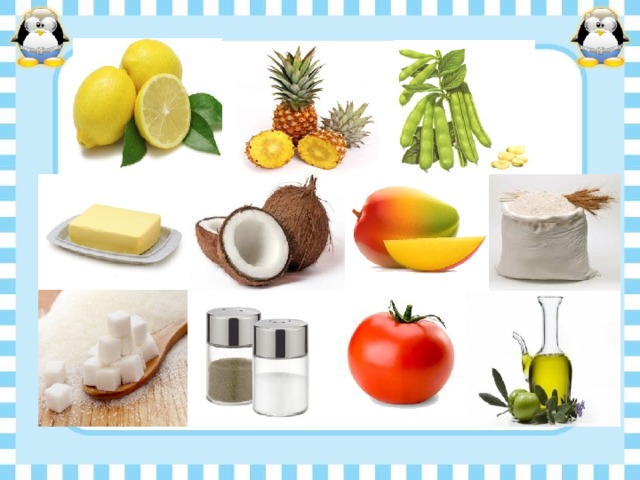
Org. moment Hello pupils! How are you? Who is on duty today? Who is absent? What was hometask for today? Cheecing up the homework Ex.3 p.41 1. She can speak Italian and Japanese. She is very good at languages.Yes she can 2. Can I watch that film on TV? Yes you can 3. My grandparents can’t use a computer but they want to learn. Yes they can’t 4. I’m sorry. You can go to the cinema now? Yes I can. 5. He loves music and he can play the guitar. Yes he can. 6. You can wear that T-shirt to school if you want. Yes you can 7. Can you dance the tango? No I can’t 8. My baby sister can’t read or write. She can’t 9. Can I buy a new mobile phone in that shop? No I can’t Phonetic drills: I like ice-cream She likes sweets I like cake She likes cheese I like coffee She likes tea Let’s begin our lesson The new theme about Food and Drinks Today we are going to speak about foods and drinks You know we should eat healthy foods and drinks, because foods important for our life and we can’t live without water. There are many kinds of foods and drinks Pre-learning (W) The lesson greeting. The teacher sets the lesson objectives, letting students know what to anticipate from the lesson. The teacher shows the picture and introduces the objectives of the lesson.
T: We’ll divide in two groups 1 st group Foods 2nd group Drinks Ask questions to each other 1 What foods do you know? 2 What drinks do you know?
1 What is your favourite food ar meal? 2 What kind of drinks do you usually drink? Let’s make the some riddles
1) It’s green and you
have it in salad . (cucumber)
2) Monkeys like it. It
is yellow fruit. (banana)
1) It may be red, yellow
and green. It is tasty. It is
hard. (apple)
2) It’s a drink. We
usually drink it hot. Especially Kazakh people like it. It is
good. When it is hot. (tea) 1) It is red. You make salad with it. It is not hard. (tomato) Work with blackboard What do you usually eat for breakfast and lunch?
Writing Ex 2 p 42. Complate the lists with the words in the box . Very healthy / Not very healthy foods Speaking Ex 3 p 42 . Complate the crosswords Speak about healthy and unhealthy eating. Is your lunch healthy?
Reading task: Text about Kazakh traditional foods and British traditional foods Read the text and answer the questions: 1 group Eating in Kazakhstan Group A: a) The traditional Kazakhstan food include mutton and horse-beef as well as sour milk products which are closely associated with nomadic way of life. The main dishes of Kazakh cuisine are as follows: cooked mutton and horse-beef (beshbarmak ), kuyrdak ( fried mutton pluck ), horse-beef delicatessen (chuzhuk, kazy, zhal, zhaya), sheep’s milk, cow’s milk and the products (katyk, kurt, irimshik and mare’s milk (kymyz), camel’s milk (shubat)). The traditional dish- beshbarmak, which began to be served with large pieces of rolled dough. Other dishes appeared, like kuimak, kattama oima – puff flat cakes fried in oil. The Kazakh cuisine is also remarkable for tasty plov (pilaf) – cooked of rice and mutton.
Our traditional home cooked food is …………………….…………………….
2.group Eating in Britain British food has a bad reputation in Europe; but traditional home cooked food is as good as European cooking. A good example is the traditional British Sunday lunch which consists of roast-beef, roast potatoes and Yorkshire pudding. British people eat a lot of meat. Mineral water is not very common. The most popular drink with meals is tea. British breakfast consists of cornflakes with milk, toasts with marmalade, honey and tea. They eat a large meal at midday. At about 5 o’clock they have tea with bread and butter and cakes. In some families the midday meal is the chief one of the day. And in the evening they have a simple supper an omellete, or sausages, sometimes bacon and eggs.
Traditional food includes roast- beef ,
………………………………………… |
Slide (useful phrases) Pictures PPT W/B p 42 PPS Work with blackboard
|
|||||||||||||
|
End 3 min. |
Home task. W.B. ex 4 p.42, Choose the correct answer. MINI Quiz Answer the questions about foods |
|
|||||||||||||
|
Additional information |
|||||||||||||||
|
Differentiation – how do you plan to give more support? How do you plan to challenge the more able learners? |
Assessment – how are you planning to check learners’ learning? |
Health and safety check |
|||||||||||||
|
Differentiation can be achieved through content (Based on the theory of Multiple Intelligences different tasks are used with the same text). By support: Less able learners will be supported through step-be-step instructions, glossaries, thinking time. By task: For more able learners additional leveled tasks are offered. |
Assessment criteria:
To know how to use food and drinks in our life. Descriptors: A learner
Teacher's observation using observation checklist (Appendix 2 - reference to the resource " Self-assessment. |
Health saving technologies. Make sure power cords are not a tripping hazard Everyday classroom precautions |
|||||||||||||

Teachers comments :_________________________________________________









 Бұл курс Қазақстан Республикасы Оқу-ағарту министрлігімен келісілген










