
 ЖИ көмекші


 Қауіпсіз төлем

жүктеу мүмкіндігіне ие боласыз
Бұл материал сайт қолданушысы жариялаған. Материалдың ішінде жазылған барлық ақпаратқа жауапкершілікті жариялаған қолданушы жауап береді. Ұстаз тілегі тек ақпаратты таратуға қолдау көрсетеді. Егер материал сіздің авторлық құқығыңызды бұзған болса немесе басқа да себептермен сайттан өшіру керек деп ойласаңыз осында жазыңыз
 24 Желтоқсан 2020
 348

1 жыл бойы шексіз жүктеңіз
Foreign languages in our life
Әдіскер ________________
«___»____________201__ж.
Term 2 |
College: |
||||
Date:______. |
Teacher’s name: |
||||
Course_ |
Number present: |
Number absent: |
|||
Theme of the lesson: |
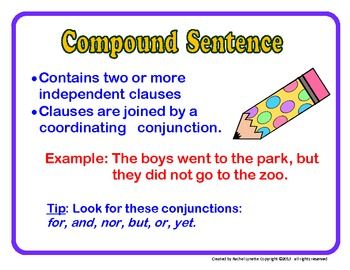
Vocabulary and language focus: Foreign languages in our life. Compound sentences. |
||||
Learning objectives(s) that this lesson is contributing to |
- to teach students to express their own points of view and work in competition. - to learn the language of other country and to respect it. - to develop skills of reading, listening, speaking and unprepared speech. |
||||
Lesson objectives |
All learners will be able to: |
||||
· Pronounce and name everyday objects, numbers. · Recognize and use expressions of quantity. |
|||||
Most learners will be able to: |
|||||
· Answer the questions about foreign languages. · Do exercises with expressions of quantity. |
|||||
Some learners will be able to: |
|||||
· Speak fluently about foreign languages in our life.. |
|||||
Value links |
Being friendly to the people of another countries, actively providing solutions to learn foreign languages. |
||||
Cross curricular links |
|
||||
Previous learning |
Previously learned vocabulary on the topic «Complex sentence». |
||||
Use of ICT |
Smart board for showing a presentation, getting additional information, playing the audio files. |
||||
Intercultural awareness |
Accept the diversity of the languages that people speak, write, listen among the students of the group as well as all over the world. |
||||
Health and Safety |
Breaks and physical activities used. |
||||
Plan |
|||||
Planned timings |
Planned activities |
Resources |
|||
Beginning the lesson |
Phonetic training: The English language, foreign languages, learning a language, official language, knowledge, fluently, memorize, necessary, practice, communicate, all over the world, advice, correspondence. Speaking training: To begin with, let’s remember proverbs about learning foreign languages. Match two parts and translate them. Repeat them after me, please. Better late, than never. A child the world Live and learn. It is never too late to learn. Education brings, Practice makes perfect.
|
Video |
|||
Main Activities |
Now let’s dividing into four groups with the help of the mosaic pictures. Ok, our new theme “Foreign languages in our life”. Look at the blackboard. Here you can see the epigraph “Those who know nothing of foreign languages, know nothing of their own”. (J. Goethe) What does this epigraph mean? (every educated person should know foreign languages, because foreign languages are very popular and necessary today ) Today we are going to speak about the role of foreign languages in the life of the people and in your life. We are going to act dialogues, have some tasks in reading and listening comprehension, speak about professions dealing with English, get some new information, then we’ll review some grammar material while using new words and expressions. Explaining new theme.
Vocabulary:
Using method “Fishbone” |
Presentation
Presentation
|
|||
|
T.: What must a good language learner know and do? Fluently, fast, quickly, carefully, accurately, grammatically, effectively, native speakers 1. He must speak … 2. He must learn … 3. He must read … 4. He must feel confident about … 5. He must express himself … 6. He can speak and is understood by … |
Cards |
|||
Ending the lesson |
T: Now you see that English has become the standard language of international communication and mass culture. I see that practically all of you will need English in future. I wish you success in learning it. Thank you for being active at the lesson. Your marks for the lesson are the following. What emotions do you feel after the lesson? Positive emotions. Negative emotions. -surprise -irritation -happiness -boredom -joy -sadness -success -unsatisfaction -admiration - fear -proud Giving the hometask. Self-assessment. How well do I understand? 4 - I can do this and explain it to someone else. 3 - I understand and can do this by myself. 2 - I need more practice. 1 - I don't understand this yet. |
|
|||
End 1min |
Feedback: Teacher asks students what task was difficult to them and which pair worked well. |
|
|||
Additional information |
|||||
Differentiation – how do you plan to give more support? How do you plan to challenge the more able learners? |
Assessment – how are you planning to check learners’ learning? |
Critical thinking |
|||
Differentiation can be achieved through the selection of activities, identification of learning outcomes for a certain student, provision of individual support to learners, selection of learning materials and resources based on the individual abilities of learners. |
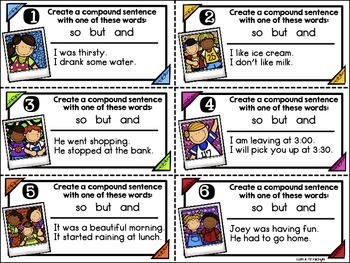
Assessment criteria: 1. Apply topic related vocabulary in speech appropriately arranging words and phrases into well-formed sentences; 2. Apply the correct compound sentences in the context.
Descriptor: A learner: · uses the topical vocabulary while talking about difficulties of languages people use; · completes the task with proper quantifiers.
· Observation · Feedback on the work · Self-assessment |
Students think critically, exploring, developing, evaluating and making choices about their own and others’ ideas |
|||









 Бұл курс Қазақстан Республикасы Оқу-ағарту министрлігімен келісілген










