
 ЖИ көмекші


 Қауіпсіз төлем

жүктеу мүмкіндігіне ие боласыз
Бұл материал сайт қолданушысы жариялаған. Материалдың ішінде жазылған барлық ақпаратқа жауапкершілікті жариялаған қолданушы жауап береді. Ұстаз тілегі тек ақпаратты таратуға қолдау көрсетеді. Егер материал сіздің авторлық құқығыңызды бұзған болса немесе басқа да себептермен сайттан өшіру керек деп ойласаңыз осында жазыңыз
 30 Қаңтар 2020
 1340

1 жыл бойы шексіз жүктеңіз
"Germs destroy food"
Lesson plan
Lesson: Module 5 Lesson 7 |
School-lyceum №169 |
|||||||||||||||||||||||||||||
Date: The 27th of January |
Teacher’s name: Dulatova Aigul |
|||||||||||||||||||||||||||||
The theme of the lesson: «Germs» |
||||||||||||||||||||||||||||||
Grade: 6«V» |
Number present: 14 |
Absent: |
||||||||||||||||||||||||||||
Learning objectives that this lesson is contributing to |
6.4.4.1 – read independently a limited range of short simple fiction and non-fiction texts; 6.6.13.1 – use modal forms including, mustn’t (prohibition), need (necessity), should (for advice) on a range of familiar general and curricular topics; 6.4.6.1 – recognize the attitude or opinion of the writer in short texts on a growing range of general and curricular topics; 6.2.7.1 – recognize the opinion of the speakers in supported extended talk on a limited range of general and curricular topics; 6.2.5.1 – understand most specific information and detail of supported, extended talk on a range general and curricular topics curricular topics; 6.3.3.1 – give an opinion an sentence and discourse level on an increasing range of general and curricular topics; 6.2.5.1 – understand most specific information and detail of supported, extended talk on a range general and curricular topics curricular topics: |
|||||||||||||||||||||||||||||
Lesson objectives |
All learners will be able to: To listen and read for specific information, to give presentation on germs |
|||||||||||||||||||||||||||||
Most learners will be able to: To listen and read for specific information |
||||||||||||||||||||||||||||||
Some learners will be able to: To listen and read for specific information |
||||||||||||||||||||||||||||||
Previous learning |
Asking/talking about health, new words 5d, e |
|||||||||||||||||||||||||||||
Plan |
||||||||||||||||||||||||||||||
Introduction |
Greetings -Good afternoon students! -How are you? -Who is absent today? -What date is it today? -What is the weather like? |
The wishes of students to each other (Students express their wishes to each other) -Good luck! -Be happy! -Be clever! -You’re the best! |
Teacher
|
|||||||||||||||||||||||||||
Checking up the home task |
“Fun circle” (шаттық шеңбер) Ask for homework by using the method “Fun circle”
After checking the homework, each group is assigned some letters. |
Students are divided into two groups. These two groups make a circle. The inner circle and the outer circle communicate with each other. They role-play the dialogue.
Students should write new words by using these letters that they have learned before. 1.D A N T S T’N A C- can’t stand 2.E A D R H O! – Oh dear! 3. A P N I K L I L E R – painkiller 4. P S U S P O E – suppose 5. R L E D F A D U – dreadful 6. E A C R – care 7. M C O N M U I T Y-community 8. U E Q I P E M N T-equipment 9. E N S T S E I A L-essential 10. I M D E C A L-medical 11. E P A I T N T- patient 12. S A V T – vast 13. S T O N O L U I –solution 14. V R P I O D E –provide
|
the teacher listens to each pair’s dialogues. Each student evaluates the pair by “Traffic light” method
15. Q U N I U E – unique 16. O R E T M E – remote 17. T D S E N I T-dentist |
|||||||||||||||||||||||||||
Asking/talking about health Jenny: Are you OK, John? You don’t look well. John: I feel terrible. Jenny: Oh dear! What’s wrong? John: I’ve got a dreadful toothache. Jenny: Why don’t you take a painkiller? John: I did, but it still hurts. Jenny: When did you take it? John: About an hour ago. Jenny: Well, it should make you feel better soon. John: I can’t stand it any longer. Jenny: Then you should see a dentist. John: I hate going to the dentist. Jenny: I’m sorry, but you have to go. John: I suppose you’re right. |
||||||||||||||||||||||||||||||
Home work assessment
|
|
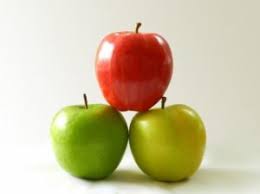
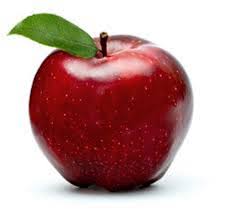
The two groups evaluate each other's responses by using apples |
the teacher monitors the fair assessment of students
|
|||||||||||||||||||||||||||
Work with new words
|
сhopping board - азық-түлік турайтын тақта container - контейнер сooked - дайындалған dishcloth - ыдыс жуатын шүберек fight - күресу food - ас, тамақ germ - микроб pan - кәстрөл pot - кішкентай қазан raw - шикі sick - ауру soap - сабын store - сақтау surface - үсті |
|
||||||||||||||||||||||||||||
Beginning the lesson
|
To introduce some sentences and predict the content of the text
|
Read the statements (1-4) aloud and ask students to decide with their group which ones they think are True and False about Germs. Students check their answers in the group. Show the video after the students complete the task. Groups will check each other after watching the video |
Teacher monitors the answers of each group
|
|||||||||||||||||||||||||||
Main activities Ex.1 p.62
|
Which of
the following sentences are T or F about Germs? |
Pupils devide the sentences into 2 groups after watching the video |
the teacher ensures that students correctly group the sentences |
|||||||||||||||||||||||||||
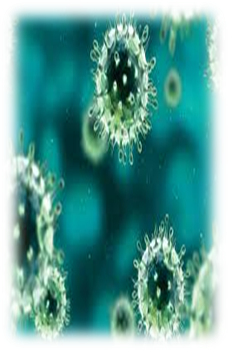
Video about Germs You can’t see them, but they are everywhere and they are dangerous. They can make us sick. That’s why it is important to fight them. We can stop germs by doing four very simple things.
Divide these sentences into 4 groups: ♦ Clean your hands with soap and water before cooking ♦ Clean all kitchen surfaces. ♦ Use clean pots, pans and dishcloths ♦ Cooking kills germs ♦ Always cook food well ♦ Re-heat food only once ♦ Keep fish, meat, cooked food and dairy products in the fridge ♦ Store food in different containers in the fridge ♦ Don’t leave food out of the fridge for more than two hours ♦ Keep raw meat away from cooked food ♦ Don’t use the same knife to cut raw meat and cooked meat ♦ Don’t cut raw meat and cooked food on the same chopping board Answers:
|
||||||||||||||||||||||||||||||
The two groups evaluate each other's responses by using an “Apple” method
|
||||||||||||||||||||||||||||||
Ex.2 p.62 Use the words below and must / mustn’t to complete sentences.
Must: You must wash your hands. (It’s necessary) - Сен қолыңды жууға тиіссің. (Бұл қажетті) Mustn’t: You mustn’t eat so much sugar. (It isn’t allowed) - Сен көп қант жемеуің керек (Бұл рұқсат етілмеген)
|
||||||||||||||||||||||||||||||
The two groups evaluate each other's responses by using an “Apple” method
|
||||||||||||||||||||||||||||||
Ex.4 Listen and complete the text with the words below. Help spread dangerous can throats lead often make types live other cause There are 1) types of germs: bacteria, viruses, fungi and protozoa. They 2) can make us sick. Bacteria are one-cell creatures that can 3) cause infections. Some infections bacteria cause include sore 4) throats, ear infections, tooth decay and pneumonia. There are also good bacteria that live in our intestines and 5) help us use the nutrients in the food we eat. Scientists use some bacteria to 6) make medicines. When viruses get inside people’s bodies, they can 7) spread and make people sick. Viruses cause chickenpox, measles, flu and many 8) other diseases. Fungi are plant-like organisms made of many cells. They love to 9) live in damp, warm places. Most fungi aren’t 10) dangerous but they can cause athlete’s foot. Protozoa are one-cell organisms that 11) often spread diseases through water. Some protozoa cause intestinal infections that 12) lead to diarrhoea, nausea and stomach ache.
The two groups evaluate each other's responses by using
|
||||||||||||||||||||||||||||||
Ending the lesson Home task: |
Ask students to look up information on the Internet using the key word “Germs” and types of Germs in the search bar or in encyclopedias / other reference books. |
the teacher evaluated the students |
||||||||||||||||||||||||||||













 Бұл курс Қазақстан Республикасы Оқу-ағарту министрлігімен келісілген










