
 ЖИ көмекші


 Қауіпсіз төлем

жүктеу мүмкіндігіне ие боласыз
Бұл материал сайт қолданушысы жариялаған. Материалдың ішінде жазылған барлық ақпаратқа жауапкершілікті жариялаған қолданушы жауап береді. Ұстаз тілегі тек ақпаратты таратуға қолдау көрсетеді. Егер материал сіздің авторлық құқығыңызды бұзған болса немесе басқа да себептермен сайттан өшіру керек деп ойласаңыз осында жазыңыз
 17 Қараша 2018
 732

1 жыл бойы шексіз жүктеңіз
Holidays and travel
|
Unit: Holidays and Travel |
||||||||||||
|
Date:13/11/17 |
Teacher name: Aubakir Gulim Erlankyzy |
|||||||||||
|
Grade: 7 “a” |
Number present: |
absent: |
||||||||||
|
Theme of the lesson |
Postcard about world festivals |
|||||||||||
|
Learning objectives(s) that this lesson is contributing to |
7.C8 Develop intercultural awareness through reading and discussion; 7.R2 Understand specific information and details in texts on a range of familiar general and curricular topics; 7.W8 Spell most high-frequency vocabulary accurately for a growing range of familiar general and curricular topics; 7.S6 Begin to link comments with some flexibility to what others say at sentence and discourse level in pair, group and whole class exchanges. |
|||||||||||
|
Lesson objectives |
All learners will be able to:
|
|||||||||||
|
Most learners will be able to:
|
||||||||||||
|
Some learners will be able to:
|
||||||||||||
|
|
|
|||||||||||
|
Language objectives |
Revise topical vocabulary |
|||||||||||
|
Value links |
Patience, respect |
|||||||||||
|
Cross curricular links |
Geography, History |
|||||||||||
|
ICT skills |
ICT Board |
|||||||||||
|
Previous learning |
Festivals in Great Britain |
|||||||||||
|
Intercultural awareness |
Learners will be able to understand that every person, family and country has their own values. |
|||||||||||
|
Kazakh culture |
Learners will be able to differentiate kinds of festivals people celebrate in Kazakh culture |
|||||||||||
|
Pastoral Care |
Learners aware about the importance of festivals |
|||||||||||
|
Health and Safety |
Everyday classroom instructions will ensure that safety measures are provided to prevent from the accidents in a classroom. The classroom is aired before the lesson. |
|||||||||||
|
Glossary |
I-individual work,P-peer work, W –whole class discussion |
|||||||||||
|
|
PLAN |
|||||||||||
|
Planned timings |
Planned activities |
Resources |
||||||||||
|
Beginning 3 minutes 10 minutes Middle 5minutes |
Greetings: Teacher presents Learning objectives. Сhecking of home work. (learn words by heart) Word dictation:pole, roll down, steppe, turn, crown, column ,diadem, bow ,prairie, run. Learners write down the words in their copybooks. They swamp their copybooks with their partner and check.( They can see correct spelling on the board) Teacher provides peer assessment(P) Teacher elicits the information what topic these words are related to. Learners predict the topic of the lesson The main part. Regrouping: Teacher divides learners into 3 groups and does it with the help of 3 different pictures related tothe topic.
Learners choose the pictures and who get the same pictures will have to sit together in one group. The group represents one type of festivals they read about. They are:
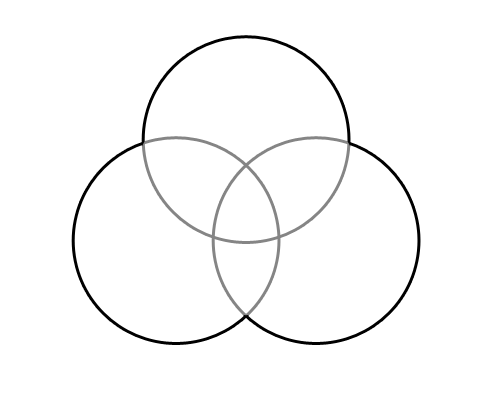
Pre-reading: Teacher asks a question to the class What festivals are celebrated in Great Britain? Open class discussion. While-reading:Teacher explains learning objectivesfor the tasks. Learners do Task –Read the text and answer the questions.( I,P) (New vocabulary for each text is given before ) Post –reading: Learners should mix into new groups. In each new group there should be learners from GROUP 1, GROUP 2, GROUP 3. Each group gets a Viennediagram or they can draw it on papers given by Teacher which they have to complete by identifying differences and similarities of the festivals. Learners should share the information Teacher observes and makes notes. Speaking - Presentation: Each team presents the diagram. Teacher reminds learners to be attentive during presentation as they will be asked the questions. (More able learners can put questions for comprehension). Teacher elicits whether the learners agree or disagree with proposed information about different festivals. Teacher provides whole class discussion. Plenary:
Home task: Make up a dialogue about festivals . |
Presentation slide 1
slide 2
Handout 1_Reading Text 1 Handout2_ Reading Text 2 Handout 3_Reading Text 3
Handout4/papers Vienne diagram slide 4 |
||||||||||
|
2 minutes 10 minutes 10 minutes 5 minutes |
||||||||||||
|
ADDITIONAL INFORMATION |
||||||||||||
|
Differentiation – how do you plan to give more support? How do you plan to challenge the more able learners? |
Assessment – how are you planning to check learners’ learning? |
Health and safety check |
||||||||||
|
Differentiation can be by task, by outcome, by individual support, by selection of teaching materials and resources taking into account individual abilities of learners (Theory of Multiple Intelligences by Gardner). Differentiation can be used at any stage of the lessonkeeping time management in mind |
Assessmentcriteria for reading in pairs and in whole class |
Health promoting techniques Breaks and physical activities used. Points from Safety rules used at this lesson. Classroom rules |
||||||||||
|
Reflection Were the lesson objectives/learning objectives realistic? Did all learners achieve the LO? If not, why? Did my planned differentiation work well? Did I stick to timings? What changes did I make from my plan and why? |
Use the space below to reflect on your lesson. Answer the most relevant questions from the box on the left about your lesson. |
|||||||||||
|
|
||||||||||||
|
Summary evaluation What two things went really well (consider both teaching and learning)? 1: What two things would have improved the lesson (consider both teaching and learning)? 1: What have I learned from this lesson about the class orachievements/difficulties of individuals that will inform my next lesson?
|
||||||||||||


Handout 1
Name__________________________Grade________________
Date______
|
Topic |
Festivals |
|
Learning objective |
7.R2 understand independently specific information and detail in short, simple texts on a limited range of general and curricular topics |
|
Level of thinking skills |
Knowledge |
|
Assessment criteria |
realise particular facts and parts in reading passage |
Read the text:
New vocabulary:
-
annual-ежегодный
-
discovery-открытие
-
Gunpowder plot-заговор
-
blow up-взорвать
-
basement-подвал
-
explosives-взрывчатое вещество
-
fireworks-феерверки
-
let off-выпалить(выстрелить)
Guy Fawkes Night
Guy Fawkes Night is an annual celebration on the evening of the 5th of November. It celebrates the discovery of the Gunpowder Plot of the 5th of November 1605. This was a terrorist plan by a man called Guy Fawkes to blow up the Houses of Parliament in London, England. Soldiers found Guy Fawkes in the basement of the building preparing explosives and arrested him before he could do any damage.
The main part of the celebration involves building large fires in the open air and putting a model of Guy Fawkes on top. The Guy Fawkes model is usually made of old clothes stuffed with newspaper. At the same time, fireworks are let off.
It is mainly celebrated in the United Kingdom and also in former British colonies including New Zealand, parts of Canada, and parts of the British Caribbean.
Answer the questions:
-
What do the people celebrate on the 5th of November?
__________________________________________________________________
-
What did Guy Fawkes do?
__________________________________________________________________
-
Where did the soldiers find him?
________________________________________________________________
-
What is The Guy Fawkes model made of?
__________________________________________________________________
|
Assessment criteria |
Descriptor |
|
Learners achieve learning objective 7.R2 if they -realise particular facts and parts in reading passage |
A learner -gives full answers (4/4) |
Possible answers:
-
What do the people celebrate on the 5th of November?
The people celebrate the discovery of the Gunpowder Plot of the 5th of November 1605
__________________________________________________________________
-
What did Guy Fawkes do?
He blew up the Houses of Parliament in London.
__________________________________________________________________
-
Where did the soldiers find him?
Soldiers found Guy Fawkes in the basement of the building preparing explosives and arrested him before he could do any damage
________________________________________________________________
-
What is The Guy Fawkes model made of?
The Guy Fawkes model is usually made of old clothes filled with newspaper
_____________________________________________________________________
Handout 2
Name______________Grade________________Date_______________
|
Topic |
Festivals |
|
Learning objective |
7.R2 understand independently specific information and detail in short, simple texts on a limited range of general and curricular topics |
|
Level of thinking skills |
Knowledge |
|
Assessment criteria |
realise particular facts and parts in reading passage |
Read the text:
New vocabulary:
-
held(hold)-проводить
-
in honor of-в честь
-
patron saints- святые покровители
-
originate-происходить
-
include-включает в себя
-
accidental-случайный
-
spillage-разлив
-
local-местный
La Tomatina
La Tomatina is a food fight festival held on a Wednesday towards the end of August each year in the town of Buñol in the Valencia region of Spain. The week-long festival features music, parades, dancing, and fireworks. The festival is in honor of the town's patron saints, Luis Bertràn and the Mare de DéudelsDesemparats (Mother of God of the Defenseless), a title of the Virgin Mary.
The tomato fight has been a strong tradition in Buñol since 1944 or 1945. No one is completely certain how this event originated. Possible theories on how the Tomatina began include a local food fight among friends or the result of an accidental lorry spillage. One of the most popular theories is that angry towns people attacked city local politicians with tomatoes during a town celebration.
Answer the questions:
-
What festival is La Tomatina?
__________________________________________________
-
What do the people do during week?
____________________________________________________________
-
In honor of whom is this festival celebrated? When?
____________________________________________________________
-
What happened during a town celebration?
|
Assessment criteria |
Descriptor |
|
Learners achieve learning objective 7.R2 if they -realise particular facts and parts in reading passage |
A learner -gives full answers (4/4) |
Possible answers:
1. What festival is La Tomatina?
La Tomatina is a food fight festival
________________________________________________________________
2. What do the people do during week?
The people sing ,dance , take part in parades.
________________________________________________________________
3. In honor of whom is this festival celebrated? When?
The festival is in honor of the town's patron saints since 1944 or 1945.
________________________________________________________________
4. What happened during a town celebration?
Angry townspeople attacked city local politicians with tomatoes during a town celebration
________________________________________________________________
Handout3
Name__________________________Grade_________________________Date
|
Topic |
Festivals |
|
Learning objective |
7.R2 understand independently specific information and detail in short, simple texts on a limited range of general and curricular topics |
|
Level of thinking skills |
Knowledge |
|
Assessment criteria |
realise particular facts and parts in reading passage |
Read the text:
New vocabulary:
-
renew-возрождение
-
properly-должным образом говоря-
-
be accompanied-сопровождается
-
horses races-конные гонки
-
consist-состоять
-
ingredients-ингредиенты
-
luck-удача
-
wisdom-мудрость
-
welfare-благополучие
Nauryz
For Kazakhs Nauryz is symbol
of spring renew, love and friendship..
«Nauryz» means «spring's born». This is
the most main and old festival for east nations. Properly speaking,
the 22nd day of March is New Year in line with east calendary. It
has other name, UlysKuni (New Year’s First Day) or UlystynUlyKuni
(People’s Great Day). It is believe, free celebrating of Nauryz
will bring happiness and success for house for all year.
Celebrating is accompanied by universal
fun, games, horses races and other interesting
activities.
The traditional food of this holiday is Nauryz-kozhe, which consists of 7 ingredients, which symbolized 7 elements of live: water, meat, salt, fat, flour, rise, corn or wheat and milk. This ingredients symbolizes joy, luck, wisdom, health, welfare.
Answer the questions:
-
What holiday do Kazakh people celebrate in March? _________________________________________________________
-
What does Nauryz mean?
____________________________________________________________
3.What do people do during Nauryz?
__________________________________________________________________
4.What ingredients does Nauryz kozhe consist of?
_______________________________________________________________
|
Assessment criteria |
Descriptor |
|
Learners achieve learning objective 7.R2 if they -realise particular facts and parts in reading passage |
A learner -gives full answers (4/4) |
Handout 4
Vienne diagram
Task: Find differences and similarities of the festivals
Draw Vienne diagram from the board.









 Бұл курс Қазақстан Республикасы Оқу-ағарту министрлігімен келісілген










