
 ЖИ көмекші


 Қауіпсіз төлем

жүктеу мүмкіндігіне ие боласыз
Бұл материал сайт қолданушысы жариялаған. Материалдың ішінде жазылған барлық ақпаратқа жауапкершілікті жариялаған қолданушы жауап береді. Ұстаз тілегі тек ақпаратты таратуға қолдау көрсетеді. Егер материал сіздің авторлық құқығыңызды бұзған болса немесе басқа да себептермен сайттан өшіру керек деп ойласаңыз осында жазыңыз
 29 Қараша 2020
 829

1 жыл бойы шексіз жүктеңіз
Human Genetic disorders"
Biology in English |
||||||||||||||||||||||
Lesson: Human genetic disorders |
School-gymnasium #21 with trilingual education |
|||||||||||||||||||||
Date: 19.02.2020 |
Teacher: Zhalgasbayeva Gulziya Abylovna |
|||||||||||||||||||||
Class: 10A |
Number present: Absent: |
|||||||||||||||||||||
Learning objectives:
|
The students will: - 10.2.4.4observed inheritance patterns caused by various modes of inheritance, including dominant, recessive, sex-linked, polygenic, and multiple alleles --10.2.4.5research a genetic disorder,identify key facts about the disease -10.2.4.6 explain how genetic diseases are passed on to new generation |
|||||||||||||||||||||
Assessment Criteria: |
|
|||||||||||||||||||||
Language objectives: |
terms to use: Inheritance, dominant, codominant, hemophilia, phenylketonuria, hitchhiker’s thumb, Down Syndrome, Turner’s syndrome, Klinefelter’s syndrome |
|||||||||||||||||||||
Resources |
PPT presentation, www. htp// genome.com, handout worksheets, tablets with internet connection, puzzles |
|||||||||||||||||||||
Plan |
||||||||||||||||||||||
Planned timing |
Planned activities |
Resources |
||||||||||||||||||||
1 minute |
Greeting, Roll Call |
|
||||||||||||||||||||
Introduction. Term practice |
Matching the topic related terms with their definition
|
PPT #3 |
||||||||||||||||||||
Studying the theory |
Students research Genetic Disorders using the net materials and course book Genetics and identify key facts about genetic diseases by filling the charts 1 and 2 |
Tablets, genome.com Handout worksheets
|
||||||||||||||||||||
Genetic disorder |
symptoms |
Autosomal or X-linked? |
Recessive or dominant? |
|||||||||||||||||||
Marfan Syndrome |
|
|
|
|||||||||||||||||||
Sickle cell anemia |
|
|
|
|||||||||||||||||||
Neurofibromatosis |
|
|
|
|||||||||||||||||||
Hemophilia |
|
|
|
|||||||||||||||||||
Down syndrome |
|
|
|
|||||||||||||||||||
Triplex syndrome |
|
|
|
|||||||||||||||||||
Turner’s syndrome |
|
|
|
|||||||||||||||||||
Formative assessment |
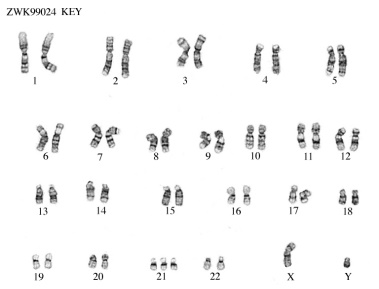
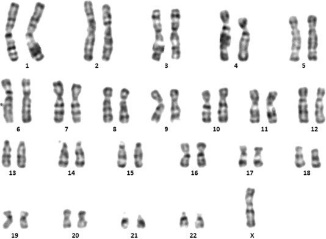
Identify the genetic disorder by human karyotype
|
PPT#6-10 |
||||||||||||||||||||
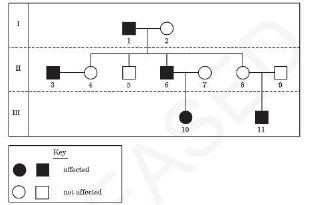
Constructing puzzles of genetic diseases. Descriptor: -identifies the diseases; - says the symptoms; -differs dominant or recessive, autosomal or gonosomal |
Magnet puzzles |
|||||||||||||||||||||
Pre-test |
|
Handout worksheets
1 - B
|
|||||||||||||||||||||||||
Differention –how do you plan to give more support? How do you plan to challenge the more able student |
Assessment how are planning to check learners’ learning? |
Health and safety check ICT links |
|||||||||||||||||||||||||
Groups will be organized as mixed ability, so less able learners will have support from others in group.I will move between the groups to provide further support. |
Move between groups as they work, ask questions |
If learners do some experiments they must wear protective glasses and rubber gloves |
|||||||||||||||||||||||||
Evaluation Rubric |
|
||||||||||||||||||||||||||









 Бұл курс Қазақстан Республикасы Оқу-ағарту министрлігімен келісілген










