|
Stages/
Time
|
Teachers
actions
|
Students
actions
|
Assessment
|
Resources
|
|
Beginning
5 min
|
Greeting. (Whale
class, Individually)
T
tells the class to make groups
of 2.
Warm
up:
With books closed, write the phrase
sustainable development on the board.
Elicit or explain the meaning, and ask
students to give examples of development that is
sustainable.
Encourage students to contribute ideas,
but do not confirm or reject any at this
stage.
Setting the aim of
the lesson.
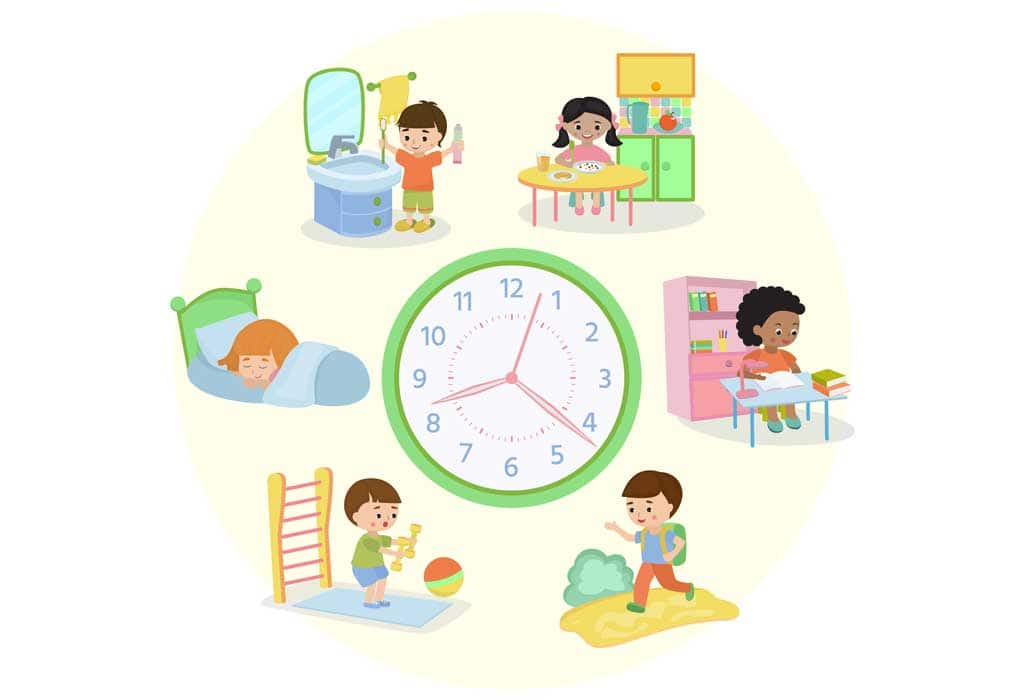
|
Learners read the given
sentences on the board and guess the topic and share with their
ideas.
Remember and recognize the main
vocabulary.
|
Teacher controles
the process, gives feedback and asks additional questions if it’s
nessasery.
Teacher evaluate pupils with phrases
like:
“Good job!
Well done!”
Formative
Assessment

|
Sheets of
peppers
Pictures of to
be
https://images.app.goo.gl/PLmSqSrVqL7tA7o58
|
|
Middle
30
min
|
Task. I (Wh, I) (pair
dicsussion)
Ex: 1 P:
17
Read out the list of daily routines &
free-time activities.
Direct Ss to the pictures and then give
them time to match them to the daily routines & free-time
activities. Check Ss’ answers.
Differentiation:
This task differentiated by
the outcomes of the learners. More able learners finish their work
before the time limit.
|
Learners
Students say different words from the
picture
Students match the pictures to the
daily routines or free time activities.
ANSWERS:
2 watch TV
3 do chores
4 do
homework/study
5 go shopping
6 hang out with
friends
7 go to school
8 surf the Net
\
9 play video
games
10 work
11 exercise
12 be in a sports club
|
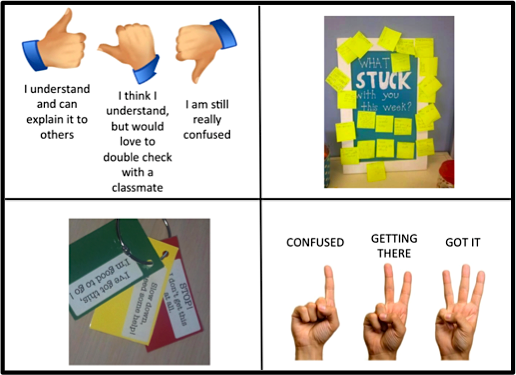
Feedback:
“Thumbs up,
thumbs down”
After correct answer teacher
shows thumbs up, if there are some mistakes thumbs down with
comments
Descriptor:
- match the pictures to the daily routines or free
time activities.
Total: 2 point
|
Student’s
book
|
|
|
Task. II (Wh, I) (Task for
location)
Ex: 2 P:
17
Ask Ss to decide in pairs which of the
activities in the pictures are daily routines and which are free
time activities.
Elicit answers from Ss around the
class.
|
Learners decide in pairs. Which are daily
routines?
ANSWERS
Daily routines:
do homework/study, work, do chores, go to
school Free-time activities:
be in a sports club, hang out with friends, go
shopping, surf the Net, watch TV, eat out, exercise, play video
games
|
T’s
ffedback
Descriptor:
-
work in pairs
- identify the pictures
Total: 2 point
|
Worksheets
Student’s
book
|
|
|
Task. III
(Task for
understanding)
Ex: 3 P:
17
Ask
Ss to use the phrases from Ex. 1 to describe their daily routine
and free time activities.
Give Ss time to consider their
answers.
Elicit answers from Ss around the
class.
A learner with
individual needs: will be paired with helpers
and teacher allows him to use
phrases from ex 1 to describe your daily routines
with
support.
|
Learners use
phrases from ex 1 to describe your daily routines or free time
activities.
ANSWERS:
I go to school, do my homework and do
chores as part of my daily routine. In my free time, I hang out
with friends, watch TV, play video games and surf the
Net.
|
Descriptor:
-
use phrases from ex 1 to describe your daily
routines
Total: 2 point
|
|
|
End
5
min
|
The Ladder method was used as a
reflection. T asks Ss to stick their stickers to the Success
Ladder.
Green- I
understood
Yellow-I have some
questions
Red-I need a
help.
Ex:
P:
Home task
|
Ss use their stickers to show their
knowledge according to the lesson

|
Poster Success
Ladder
|

 ЖИ көмекші


 Қауіпсіз төлем













 Бұл курс Қазақстан Республикасы Оқу-ағарту министрлігімен келісілген










