
 ЖИ көмекші


 Қауіпсіз төлем

жүктеу мүмкіндігіне ие боласыз
Бұл материал сайт қолданушысы жариялаған. Материалдың ішінде жазылған барлық ақпаратқа жауапкершілікті жариялаған қолданушы жауап береді. Ұстаз тілегі тек ақпаратты таратуға қолдау көрсетеді. Егер материал сіздің авторлық құқығыңызды бұзған болса немесе басқа да себептермен сайттан өшіру керек деп ойласаңыз осында жазыңыз
 02 Ақпан 2022
 853

1 жыл бойы шексіз жүктеңіз
Lesson Plan What can animals do? 3rd grade
Lesson plan
|
LESSON: What can animals do? |
School: |
||||||
|
Date: |
Teacher name: Aizhan Zhusupova |
||||||
|
CLASS: 2 |
Number present: |
absent: |
|||||
|
Learning objectives(s) that this lesson is contributing to |
• 2.UE.10 use common present continuous forms [positive, negative, question] • 2. UE13 use can to talk about ability and to make requests and offers: use can / can’t to talk about permission • 2. L4 recognize with support short basic questions relating to features such as colour and number |
||||||
|
Lesson objectives |
All learners will be able to:
|
||||||
|
- make the 1-2 questions using positive, negative, question forms of present continuous with prompts - combine the 2-3 verbs “can, can’t” with action of animals with support. - make up the 1-2 short basic questions, colour and number with support; |
|||||||
|
Most learners will be able to: - make the 2-3 questions using positive, negative, question forms of present continuous with scaffolding - combine the 3-4 verbs “can, can’t” with action of animals - make up the 3-4 short basic questions, colour and number; |
|||||||
|
Some learners will be able to: - answer to 3-4 questions using positive, negative, question forms of present continuous - combine 4-5 verbs “can, can’t” with action of animals - make up 4-5 short basic questions, colour and number.
|
|||||||
|
Assessment criteria |
- identify colour and number, basic questions with support; - discuss about ability, make inquires and suggestions and ask for permission with can and can not - apply the rule for present continuous tense |
||||||
|
Language objective |
Vocabulary about animals: fish, frog, bird, horse, monkey, cat |
||||||
|
Value links |
Take care of nature, protect animals |
||||||
|
Cross – curricular links |
Natural science, Physical Education |
||||||
|
Previous learning |
Changing seasons |
||||||
|
Plan |
|
||||||
|
Planned timings |
Planned activities |
Resources |
|||||
|
Beginning
5 min
|
STARTER Warm- up: Learners stand in a circle and teacher give them cards with animals picture and divide into groups. Sing a song about animals. Teacher asks: “What about this song?” Learners are asked to guess the topic of the lesson Interaction pattern: T – Ss
|
https://www.youtube.com/watch?v=_Ir0Mc6Qilo
|
|||||
|
Middle
35 min
|
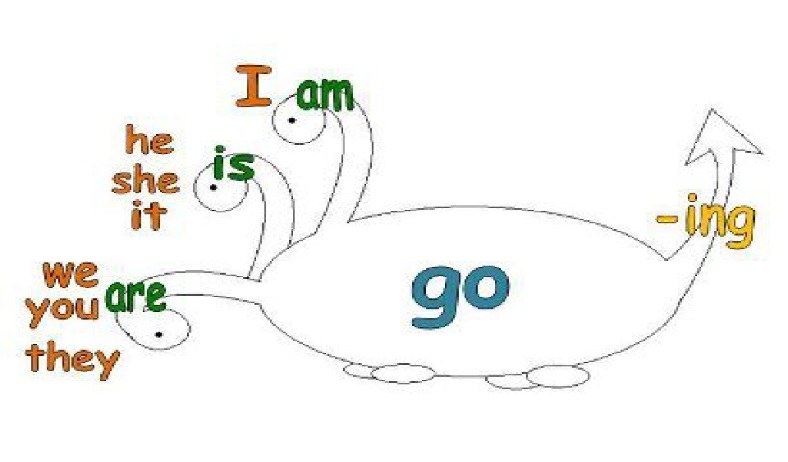
INTRODUCTION (D) Pre-teaching of the new vocabulary: Teacher introduces the new vocabulary using flashcards: swim, jump, fly, run, dance, climb. Drilling: individual and choral. Teacher drills pronunciation of the words. At first, they repeat after the teacher, and then they repeat individually. Feedback: Error Correction: echo correction Grammar introducing with P – P – P Presentation Teacher explain the present continuous tense using a picture:
Swim, sing, run Task 1. Practice. Controlled practiceMake a sentence using present continuous
Differentiation by support: Learners make sentences using Present continuous with FA: Peer assessment Interaction pattern: SS – Ss [D] Teacher shows animals picture and their actions by active board
(P) CONVERGENT
QUESTION Assessments: Hand thermometer Task 2 Active learning 1 [Matching] Teachers asks pupils read the sentences and match them with pictures of animals. [P] Learnеrs read and match the picture with sentences. Interaction pattern: T – Ss – Ss. Differentiation by support: less able learners will work with more able learners Assessment: Question shell Task 3 Active learning 2 [Name that tune] [W] Learnеrs listen to the sounds and guess animals, say their colour and number. Usе the sounds to get learners to describe what they can hear and say their colour. You can remind them of simple animals names / noises prior to the activity. Listеning to animals sounds and writing down what the animals are doing.
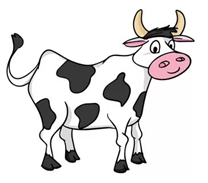
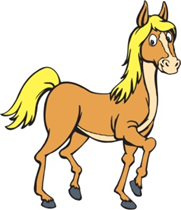
e.g. Horse can say neigh, neigh. Horse can run. Horse is brown, black. Sheep can’t neigh, neigh. Sheep can’t swim. Sheep is black, white. Interaction pattern: T – Ss. Differentiation by support: less able learners work with teacher’s assistance. Assessment: Question shells Learners see pictures of animals and their abilities by active board and answers the questions:
(P) CONVERGENT
QUESTION Differentiation by task: All learners answer the 2 questions Most learners answers the 4 questions Some learners answer the 5-6 questions Feedback: Production. Freer practice Formative assessment task Use the verbs in the box to describe the actions.
Example: The bird is singing.
Descriptor A learner • names animals properly; • chooses the right verbs; • says the actions of the animals; • uses present continuous tense correctly. FA: Comments Teacher write descriptive comments on student work helping them see how they can improve their work or what they have done that really worked for them. |
PPT Flashcards
https://www.youtube.com/watch?v=_Ir0Mc6Qilo
http://www.ortaokulingilizce.net/wp-content/uploads/2016/12/cats.jpg
Animals sounds activity http://www.yim778.com/data/out/216/1286582.gif http://cliparts.co/cliparts/kc8/oqp/kc8oqpr9i.jpg
Cards
Worksheet
|
|||||
|
End
5 min |
PLENARY [W] The teacher asks the learners to choose one of the leaves and stick them to the tree. “Leaf feedback” Green leaf – I totally understand. Yellow leaf – I understand the lesson but I need some helps. Red leaf – I don’t understand.
|
|
|||||
|
Additional information
|
|||||||
|
Differentiation – how do you plan to give more support? How do you plan to challenge the more able learners? |
Assessment – how are you planning to check learners’ learning? |
Cross-curricular links |
|||||
|
Differentiation by task: All learners answer the 2 questions Most learners answers the 4 questions Some learners answer the 5-6 questions Differentiation by support for “Matching”: less able learners will work with more able learners. For less able learners work with teacher’s assistance. Multiple Intelligence by Gardner:
|
In order to motivate learners after each their answer a teacher gives formative assessment by the
Feedback: Error Correction: echo correction | ||||||


















 Бұл курс Қазақстан Республикасы Оқу-ағарту министрлігімен келісілген










