ЖИ көмекші


жүктеу мүмкіндігіне ие боласыз
Бұл материал сайт қолданушысы жариялаған. Материалдың ішінде жазылған барлық ақпаратқа жауапкершілікті жариялаған қолданушы жауап береді. Ұстаз тілегі тек ақпаратты таратуға қолдау көрсетеді. Егер материал сіздің авторлық құқығыңызды бұзған болса немесе басқа да себептермен сайттан өшіру керек деп ойласаңыз осында жазыңыз
 12 Қараша 2018
 449
449
Living things.Plants
Short term plan
|
LESSON: Unit II Living things.Plants |
|
||
|
|
||
|
Number present: |
absent: |
|
|
Learning objectives(s) that this lesson is contributing to |
5.R2 understand with little support specific information and detail in short, simple texts on a limited range of general and curricular topics 5.S6 communicate meaning clearly at sentence level during, pair, group and whole class exchanges |
||
|
Lessonobjectives |
All learners will be able to:
Most learners will be able to:
Some learners will be able to:
|
||
|
Previouslearning |
Leaners know vocabularyabout plants. |
||
|
Plan |
|||||||||||||||||||||||||||||||||||||||||||||||||||||||
|
Plannedtimings |
Plannedactivities |
Resources |
|||||||||||||||||||||||||||||||||||||||||||||||||||||
|
Start 3 min
5 min
Middle 6 min
3 min
10 min
6 min
|
Greetings Activity 1. Brainstorming Watching the video: “Uses of plants” -Do you like this video? -What do you see in this video? -What do you think about this video? -What do you think the theme of our lesson? -Right, you are. The theme of our lesson “Plants” -Good morning, pupils. I am glad to see you. How are you today? -We’ll divide into 3 groups accordingto the plants. I group: ‘’ Flowers”, II group: “Trees”, III group: “Plants”. Pre-reading . Activity 2Teacher: Now pupils listen to me and repeat after me all together.T: Firstly teacher gives new words for understanding the text. New words: flower, leaves, seeds, roots, petal, stem. (G) Task Plants Without plants, people could not live. We eat plants. We breathe the oxygen that plants produce. And we need plants for another, very different reason: we need them for their beauty. Imagine a world with no plants. Imagine no flowers with their sweet smells, their beautiful colors and their lovely shapes. Imagine, when the wind blows, not being able to hear the leaves in the trees or watch the branches swing from side to side. Everywhere people need the beauty of plants. That is why in every home, apartment you are sure to find some green houseplants growing in pots, or freshly cut flowers in a vase of water. (P)While reading. Speaking Your task: answer the questions according to the text -What kind of plants do you know? -What kind of plants grow at your home? -What’s your favorite plant? -Do you water them? (P). Post – readingActivity 3 Interview your partner Add some more questions (checks the teacher)
Activity 4 /Differentiation by task/ Level A. Which word odd one out
L Root seed grass window Flower chicken tree leaf Brunch bud blossom black Night water air sun evel B Read and tick. Tick the things plants need it grow.
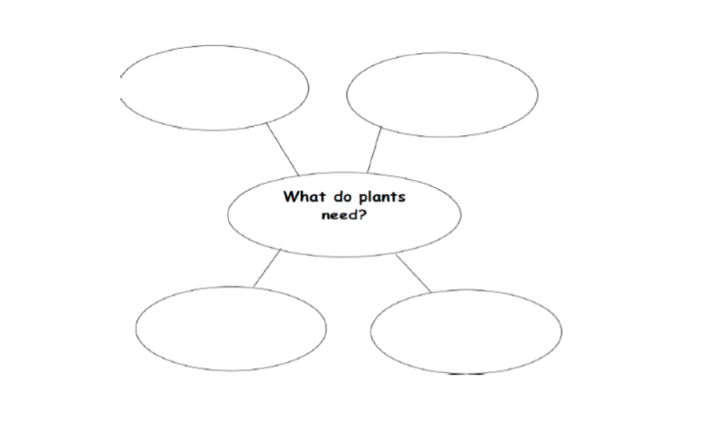
Level CLeaners used to the text they will fill their semantic map.
water sun air grass soil flower water tree root leaf air seed
stemlight soil plant
Activity 5 /Formative assessment/ Work in a small group
or in pairs. Complete the mind map and talk about it.Present your
ideas to the group. Listen to the feedback and set your own
learning aims. DescriptorA learner • identifies what plants need and writes information in the cluster on a given topic; • talks about plants in a small group; • gives feedback to the presenter; • sets personal learning objectives. Conclusion What plants, flowers and trees grow in your country? Have you got a garden or plants in your house? Draw a picture and discuss!
Evaluation Final Self-Assessment Tick “Yes” or “No”
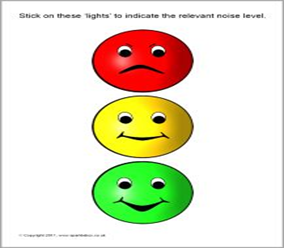
(W) Feedback Traffic lights Activity 6 Students have a set of traffic lights they can use these lights to indicate whether they fully understand (Green), or they may know this (yellow), and they don’t know this (red).
|
https://www.youtube.com.
Flashcards with new words
Worksheet 3
Worksheet 4
Worksheet 5
Worksheet 6
Complete the table
|
|||||||||||||||||||||||||||||||||||||||||||||||||||||

|
Additionalinformation |
||
|
Differentiation – how do you plan to give more support? How do you plan to challenge the more able learners? |
Assessment – how are you planning to check students’ learning? |
Cross-curricular links |
|
Differentiation by support, tasks and outcome |
Monitor when learners read and understand the text. Monitor when learners do differentiation tasks. |
-points from safety rules used at this lesson. -biology, art -use projector while presenting the words and tasks, video. |
|
Reflection Were the lesson objectives/learning objectives realistic? What did the learners learn today? What was the learning atmosphere like? Did my planned differentiation work well? Did I stick to timings? What changes did I make from my plan and why? |
Use the space below to reflect on your lesson. Answer the most relevant questions from the box on the left about your lesson. |
|
|
|
|
Summary evaluation What two things went really well (consider both teaching and learning)? 1: 2: What two things would have improved the lesson (consider both teaching and learning)? 1: 2: What have I learned from this lesson about the class or individuals that will inform my next lesson? |
|

 Жүктеу


 Жүктеу
шағым қалдыра аласыз

 Бұл курс Қазақстан Республикасы Оқу-ағарту министрлігімен келісілген