
 ЖИ көмекші


 Қауіпсіз төлем

жүктеу мүмкіндігіне ие боласыз
Бұл материал сайт қолданушысы жариялаған. Материалдың ішінде жазылған барлық ақпаратқа жауапкершілікті жариялаған қолданушы жауап береді. Ұстаз тілегі тек ақпаратты таратуға қолдау көрсетеді. Егер материал сіздің авторлық құқығыңызды бұзған болса немесе басқа да себептермен сайттан өшіру керек деп ойласаңыз осында жазыңыз
 05 Ақпан 2020
 867

1 жыл бойы шексіз жүктеңіз
My Country. Abai Qunanbaiuli.
Short term lesson plan
Unit of a long term plan: Unit 5 |
School: Intimak |
|||||||||||||||||||||||
Date: 23.01.2020 |
Teacher’s name: Nakhypbek M M
|
|||||||||||||||||||||||
Class: 9 А,Ә,Б |
Number present: |
Number absent: |
||||||||||||||||||||||
Lesson title |
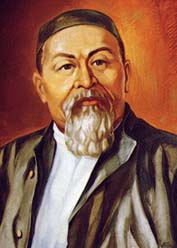
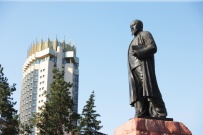
My Country.Abai Qunanbaiuli.
|
|||||||||||||||||||||||
Learning objectives(s) that this lesson is contributing to |
9.C1 use speaking and listening skills to solve problems creatively and cooperatively in groups 9.L7 recognise typical features at word, sentence and text level of a range of spoken genres 9.C8 develop intercultural awareness through reading and discussion |
|||||||||||||||||||||||
Lesson objectives |
All learners will be able to:
Most learners will be able to:
|
|||||||||||||||||||||||
Value links |
Cooperation, respect each other's opinion, functional literacy. |
|||||||||||||||||||||||
Crosscurricular links |
Literature, Social Science, Psychology, Information Technology, Art. |
|||||||||||||||||||||||
Previous learning |
Talking about famous poets. |
|||||||||||||||||||||||
Useof ICT |
Smart board for showing a presentation, getting additional information,playing the audio files. |
|||||||||||||||||||||||
Intercultural awareness |
Students will be able to understand that people should be fond of reading and writing poems. |
|||||||||||||||||||||||
Health and Safety |
Breaks and physical activities used. |
|||||||||||||||||||||||
Plan |
||||||||||||||||||||||||
Planned timings |
Planned activities |
Resources |
||||||||||||||||||||||
Beginning the lesson 6 min.
|
The lesson greeting.
The teacher sets the lesson objectives, letting students know what to anticipate from the lesson.
Warm up. Free talk.
Group work of three.
|
Slide (useful phrases)
Pictures PPT
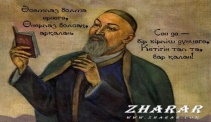
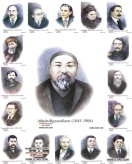
Student Book p.64 A video. A Short fragment from the film devoted to Abai Kunanbaiuli.
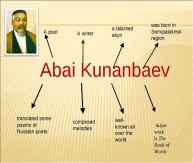
Presentation Picturе Cluster |
||||||||||||||||||||||
Main Activities
15 min.
13 min.
|
LISTENING and READING TASKS: Listen and read the text quickly. What interesting facts about a great person have you learnt?
While-reading stage. Students move their eyes over the text quickly (3 minutes). Then they close the book. After that students call out words, phrases they remember from the text, note them. Students work in pairs (1 minute) discusses what the text is about. Discussion Director(Interpersonal Intelligence). Task: Lead the discussion. Prepare 2 open-ended and thought-provoking questions about the story that your group might want to discuss. Help others talk about the main idea, help them share their thoughts and feelings. Descriptors: 1. Write 2 open-ended questions. 2. Write your responses to these questions. 3. Keep the discussion going Options 1. Write more than 2 questions. 2. Think of new way to present your work. (E.g. quiz). Here are some ideas:
Passage Picker(Body-Kinesthetic Intelligence). Task: Choose a paragraph that you think your group would like to re-read. Descriptors: 1. Choose an interesting or important paragraph and write down its location. 2. Read passage aloud yourself (using body language), or ask someone else to read it, or ask the group to read it silently and then discuss. Options Write why you have chosen this paragraph. Possible reasons for selecting the paragraph:
Word Wizard (Verbal-linguistic Intelligence). Task: Find in the text 5 words or phrases that you had difficulty reading or understand in the story. Descriptors: 1. Write 3 unfamiliar or puzzling words in a full sentence. (You may also find familiar word repeated a lot). 2. Write the location of the word (e.g. Pg.58 § 4). 3. Try and guess the meaning from context. 3. Find a dictionary definition. Options 1. Find more that 3 words or phrases. 2. Make a list of synonyms and antonyms. 3. Create new sentences with these words. 4. Use online dictionary to find out the pronunciation of the words. Summariser(Intrapersonal Intelligence). Task: Prepare a brief description of the key points in the story. Descriptors: 1. Write at least 4 sentences. 2. Write in your own words. 3. Present the important events in a logical order. Options 1. Include the meaning of the story. Illustrator(Visual-spatial Intelligence). Task: Draw a picture related to the story. Descriptors: 1. Prepare an illustration. 2. Share your drawing and ask group members what he/she thinks you have drawn and how it is connected with the story. 3. Explain your illustration. Options You can draw a character, a moment or a setting. Connector(Logical-mathematical Intelligence). Task: Find a part of the story that reminds you of something you have seen, heard, done or read about before. Descriptors: 1. Write at least 2 sentences. Make connections with your own experience, another text or the world. 2. Give evidence from the book to support your connection. Options Use graphic organiser to record and compare your connections to what happened in the text. Character Analyser(Logical-mathematical Intelligence). Task: Share observations about the main characters. Descriptors: 1. Select 2 main characters and using adjectives describe their characteristics. 2. Write at least 4 sentences. Consider:
Options Put yourself in the character's shoes and explain the story from his (her) point of view.
Post-reading stage. Next, students complete peer-evaluation form. Ex.4 – 5 p.64
What other Kazakh writers and poets do you know?
|
Student Book p.64 CD2.18.
Pair work. Student Book p.66
Writing Worksheet
Student Book p.64
Writing Worksheets
Writing Worksheets
Student Book p.64 Ex.1 – 3 p.64
Writing Worksheets
|
||||||||||||||||||||||
Ending the lesson 6 min.
|
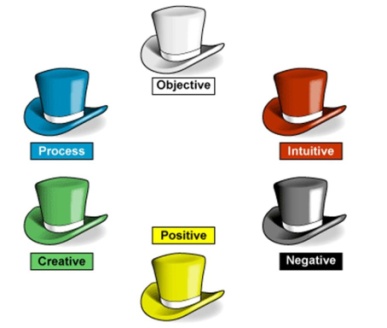
Giving the home task. W.B.p.42, Kazakh writers( a report) Students express their attitude to the lesson and give self-assessment using the method: “Six thinking hats”:
Yellow: What did you like about today's lesson? Slide (Homework) Slide "Six thinking hats"
|
|||||||||||||||||||||||
Differentiation – how do you plan to give more support?
|
Assessment – how are you planning to check learners’learning? |
Critical thinking
|
||||||||||||||||||||||
Differentiation can be achieved through the selection of activities, identification of learning outcomes for a certain student, provision of individual support to learners, selection of learning materials and resources based on the individual abilities of learners. |
Assessment criteria: Identify the main idea in extended talks with little support. Apply topic related vocabulary in speech appropriately arranging words and phrases into well-formed sentences. Demonstrate the ability to participate in a conversation. Descriptor: A learner:
|
Students think critically, exploring, developing, evaluating and making choices about their own and others’ ideas |
||||||||||||||||||||||











 Бұл курс Қазақстан Республикасы Оқу-ағарту министрлігімен келісілген










