
 ЖИ көмекші


 Қауіпсіз төлем

жүктеу мүмкіндігіне ие боласыз
Бұл материал сайт қолданушысы жариялаған. Материалдың ішінде жазылған барлық ақпаратқа жауапкершілікті жариялаған қолданушы жауап береді. Ұстаз тілегі тек ақпаратты таратуға қолдау көрсетеді. Егер материал сіздің авторлық құқығыңызды бұзған болса немесе басқа да себептермен сайттан өшіру керек деп ойласаңыз осында жазыңыз
 20 Қаңтар 2019
 671

1 жыл бойы шексіз жүктеңіз
National parks
Short term lesson plan
|
Unit of a long term plan: Unit 3 Our Countryside. Lesson plan 32 |
School: |
||||||||||||||||||
|
Date: |
Teacher's name: |
||||||||||||||||||
|
CLASS: 6 |
Number present: |
absent: |
|||||||||||||||||
|
Lesson title |
My country: National parks. |
||||||||||||||||||
|
Learning objectives(s) |
6.C3 respect differing points of view 6.R6 recognise the attitude or opinion of the writer on a growing range of unfamiliar general and curricular topics, including some extended texts 6.UE14 use prepositions to talk about time and location; use prepositions like to describe things and about to denote topic; use prepositions of direction to, into, out of, from, towards on a limited range of familiar general and curricular topics familiar general and curricular topics 6.S7 use appropriate subject-specific vocabulary and syntax to talk about a limited range of general topics |
||||||||||||||||||
|
Lesson objectives |
All learners will be able to:
Most learners will be able to:
Some learners will be able to:
|
||||||||||||||||||
|
Level of thinking |
Higher order thinking skills (according to the revised Bloom's taxonomy). |
||||||||||||||||||
|
Assessment criteria |
|
||||||||||||||||||
|
Target language |
National park, landscape, animals and plants, environment, species, willows, honeysuckles, vertebrates, paradise, eagles, attractions, sand dune, organ, signs, the paintings on the rocks, archaeological sites. |
||||||||||||||||||
|
Values links |
Responsibility, Global Citizenship, love too flora and fauna |
||||||||||||||||||
|
Cross-curricular links |
Natural Science, Social Science. |
||||||||||||||||||
|
Previous learning |
Vocabulary relating to people's activity and animal's life and actions |
||||||||||||||||||
|
Plan |
|||||||||||||||||||
|
Planned timings |
Planned activities (replace the notes below with your planned activities) |
Resources |
|||||||||||||||||
|
Start 5 min |
Pre-learning (W) Teacher greets the class and suggests playing the game to the learners. Teacher explains the rules for this game.
One person stands back to the picture of an animal; Classmates should not name the animal; Classmates can give some associations with the animal’s name; Classmates can mime the animal’s name; Classmates can sing some lines from the songs.
The teacher introduces the objectives of the lesson. Teacher informs that they are going to take a new material about national parks and asks Sts. if they know some parks in Kazakhstan.
|
Slide (useful phrases) Pictures Presentation |
|||||||||||||||||
|
Main part |
The main part of the lesson.
Алтын -Эмель» — государственный национальный природный парк в долине реки Или на территории Алматинскойобласти Казахстана. Парк организован 10 апреля 1996 года. Цель создания парка — сохранение уникального природного комплекса, археологических и историко-культурных памятников,редких и исчезающихвидов растений и животных, развитие экологического туризма. Флора парка насчитывает около 1800 видов растений, среди них 21 вид занесён в Красную книгу Казахстана. Установлено обитание 1658 видов беспозвоночных. На территории парка обитают 78 видов млекопитающих, 260 видов птиц, 25 видов пресмыкающихся, 4 вида земноводных, 26 видов рыб. invertebrates, reptiles, amphibians, mammals, rare and extinct. What other national parks do you know? This is a list of national nature parks in Kazakhstan:
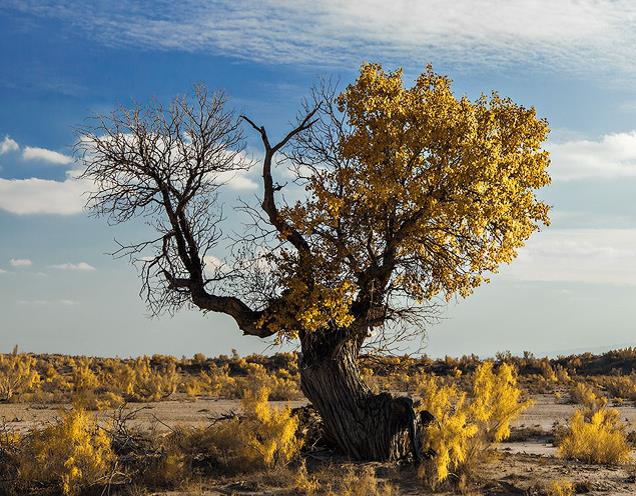
Taranga tree
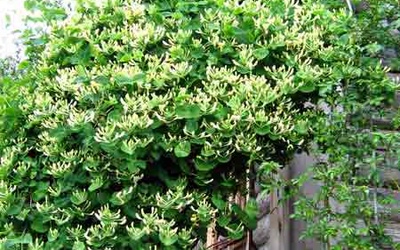
Honeysuckle
3 groupswill speak about unusual plants. Ex. 4 - 5 p. 40. |
Whiteboard Writing Worksheet A list Student's Book p. 40 A table Pictures Posters |
|||||||||||||||||
|
End |
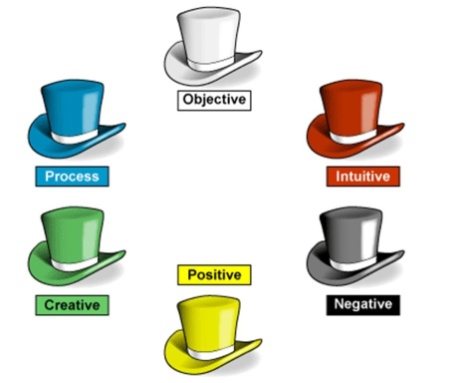
Home task. Write about one national park. Students express their attitude to the lesson and give self-assessment using the method: “Six thinking hats”:
|
Slide (Homework) Slide "Six thinking hats"
|
|||||||||||||||||
|
Additional information |
|||||||||||||||||||
|
Differentiation – how do you plan to give more support? How do you plan to challenge the more able learners? |
Assessment – how are you planning to check learners’ learning? |
Health and safety check |
|||||||||||||||||
|
Differentiation can be achieved through content (Based on the theory of Multiple Intelligences different tasks are used with the same text). By support: Less able learnerswill be supported through step-be-step instructions, glossaries, thinking time. By task: For more able learners additional leveled tasks are offered. |
Assessment criteria:
Descriptors: A learner
Teacher's observation using observation checklist (Appendix 2 - reference to the resource "Literature Circle Role Sheets" by Christine Boardman Moen. p.28) and monitoring. Self-assessment. |
Health saving technologies. |
|||||||||||||||||
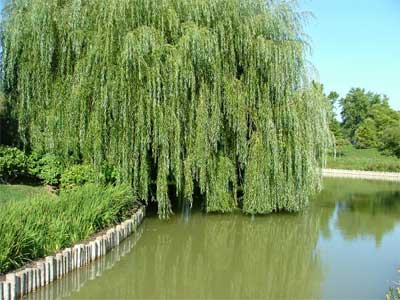 Willows









 Бұл курс Қазақстан Республикасы Оқу-ағарту министрлігімен келісілген










