
 ЖИ көмекші

 Көп таңдалатын


 Ең тиімді
15 890₸ үнемдейсіз


жүктеу мүмкіндігіне ие боласыз
Бұл материал сайт қолданушысы жариялаған. Материалдың ішінде жазылған барлық ақпаратқа жауапкершілікті жариялаған қолданушы жауап береді. Ұстаз тілегі тек ақпаратты таратуға қолдау көрсетеді. Егер материал сіздің авторлық құқығыңызды бұзған болса немесе басқа да себептермен сайттан өшіру керек деп ойласаңыз осында жазыңыз
 22 Желтоқсан 2017
 412
412
New Zealand
|
Checked: |
|
|||||||||
|
Unit: Creativity |
School: №6 Khromtau Gymnasium |
|||||||||
|
Date: |
Teacher: Bakazhanova N.O |
|||||||||
|
CLASS: 7 |
Number present: |
absent: |
||||||||
|
Lesson title |
New Zealand |
|||||||||
|
Learning objectives |
7.R2 understand specific information and detail in texts on a range of familiar general and curricular topics 7.R9 recognise inconsistencies in argument in short, simple texts on a limited range of general and curricular subjects |
|||||||||
|
Lesson objectives |
All students will be able to make statements using the topical vocabulary Most students will be able to ask and answer the questions Some students will be able to summarize the text |
|||||||||
|
Assessment criteria |
Identify details in a reading passage with little support. Provide unprepared speech to answer a variety of questions at sentence level with limited flexibility. Learners :
|
|||||||||
|
Cross-curricular links |
Geography |
|||||||||
|
Previous learning |
Australia |
|||||||||
|
Plan |
||||||||||
|
Planned timings |
Planned activities (replace the notes below with your planned activities)
|
Resources |
||||||||
|
Start 0-3 minutes
4-6 minutes |
Greeting: - Hello, children! – How are you? - I am glad to see you! Warm-up
Vocabulary. The teacher presents new vocabulary with pictures. “Visually remember” Children should remember the words and write them on the blackboard. Then teacher shows the words with pictures Landscape, crater, haka, sailing, kayaking, diving, surfing, Maori, Ta moko tattoos, Teacher give the translation of the words (Words with translation) Tapping - |tapɪŋ| бастыру Identity - |ʌɪˈdɛntɪti|ерекшелік Important - |ɪmˈpɔːt(ə)nt| маңызды Amazing - |əˈmeɪzɪŋ| керемет Spectacular - |spɛkˈtakjʊlə|әсерлі Complicated - |ˈkɒmplɪkeɪtɪd|қиын Striking - |ˈstrʌɪkɪŋ|поразительный, Incredibly - |ɪnˈkrɛdɪbli|невероятно Drilling(in chorus, individual, in a small group) “Flash!” and “Lip reading” Formative assessment: Good job! |
pictures of https://yandex.kz/images/
Pictures of words https://yandex.kz/images/ |
||||||||
|
Middle
7-11minutes
12-14
15-30
31-35 |
While reading Handout . (I) Listen, Read the text carefully and complete the task below. (Detailed Reading) Text “New Zealand” Differentiation by grouping.
paragraphs 1-5. (Jumbled paragraphs)
FA: thumb down, thumb up 2.(T-S) Read the sentences and find True, False or Not Given . 1. The first people arrived about 1000 years ago.(T) 2. Water sports are not very popular.(F) 3.The school day starts at 8 and finishes at 3 .(F) 4. New Zealand was a center for trade and commerce.(NG) 5.The largest Lake Taupo lies in the crater .(T) 6. The population of New Zealand is four million (T) 7. the Maori challenge dance is haka.(T) 8. The climate in New Zealand is warm and the greater part of the country is well watered.(NG) FA: Peer assessment: learners check each other 3. (T-S) Fill in the gaps Exercise 4 p 37
Formative assessment: with verbal “Well done!”
Differentiation by tasks. Level A 4. (I) Read the story again, then look at the sentences below and put them in right order 1. The first people were Eastern Polynesia 2.There are twelve active mountains 3. The largest lake in New Zealand is Lake Taupo 4. more than 30% of New Zealand is forest 5. New Zealanders love sports 6. Cricket is also incredibly popular 7. Maori culture is the Ta Moko, Maori Tattoos
5. (I)Choose the right answer . (Multiple choice)
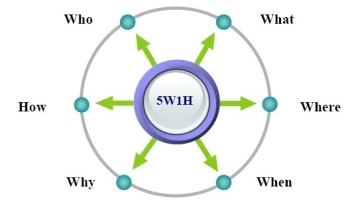
c) December or January Level C 6. (I) Use the information in the story to ask questions (5W1H)
FA: Medals
7.(S-S)Make up a text message with little number of words. (Text message)
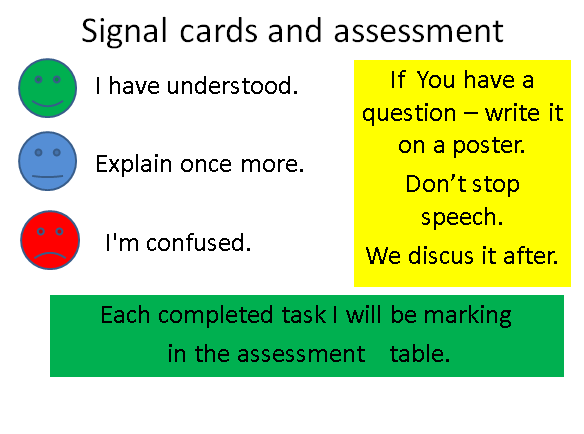
FA: signal cards
|
https://iedunote.com/reading-techniques
http://risaaldana.weebly.com/
|
||||||||
|
End
35-45 |
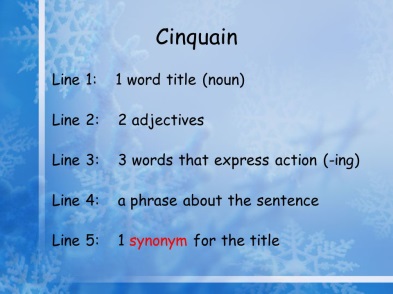
Differentiation by support (I) Let’s make up cinquain about New Zealand. It is a kind of poem consisting of 5 lines. You will be given 4 minutes. ()
Reflection: “ Draw your brain”
|
http://images.slideplayer.com/ 20/6004445/slides/slide_4.jpg
|
||||||||
|
Additional information |
||||||||||
|
Differentiation – how do you plan to give more support? How do you plan to challenge the more able
learners? |
Assessment – how are you planning to check learners’ learning?
|
Health and safety check |
||||||||
|
Differentiation by learning outcomes: all, most and some students will be able to do at the end of the lesson. Differentiation by grouping : students read and understand the text in groups. Here I used “Detailed Reading Technique”. Students try to understand the text, high level students help to low level students. Differentiation by task: students do different tasks. Level A students read the story again and put the sentences in the right order. Level B students choose the right answer . Level C students ask questions by 5W1H. Differentiation by support: Support can be given while students make a cinquain at the end of the lesson Differentiation by assessment: I assess students by different types of formative assessments, by verbal assessment, by medals, by signal cards, by thumb, by peer assessment. |
I assess students by thumb up and thumb down , by verbal assessment, by signal cards, by medals. Thumb up and thumb down if the students understand what they have learnt they should thumbs up, thumbs down if they don’t they don’t understand or need help. Verbal – assess students orally for motivate them. Such as Great job! Well done! Signal cards – to check for students understanding. If the students understand the hold up green signal card, if the students need explaining they hold up blue signal card, if the students confuse they hold up red signal cards. Assessment medals (gold, silver, bronze) if the students understand they have gold medal, if the students need more information they have silver medal, if the students don’t understand they have bronze medal. Observe learners when they discuss and use eavesdropping strategy
|
Students will be safety arranged and seat in front of the monitor away from electrical outlets and cabels. Students in pair and in group work learn to be patient and helpful. |
||||||||
|
Reflection
Were the lesson objectives/learning objectives realistic? Did all the learners achieve the lesson objectives/ learning objectives? If not, why? Did my planned differentiation work well? Did I stick to timings? What changes did I make from my plan and why?
|
Use the space below to reflect on your lesson. Answer the most relevant questions from the box on the left about your lesson. The lesson objectives were realistic in all stages of reading activities: pre-reading, while-reading and post-reading. Learners achieved the lesson objectives according to the objective differentiation and their ability. Planned differentiation worked successfully.
Planned differentiation worked successfully |
|||||||||
|
|
||||||||||
|
Summary evaluation
What two things went really well (consider both teaching and learning)?
1: By cinquain students can make poem about Atlantis
2: By 5W1H level C students can ask questions well.
What two things would have improved the lesson (consider both teaching and learning)?
1 It’s important to show video about Atlantis
2 To give students more information about this island
What have I learned from this lesson about the class or individuals that will inform my next lesson?
|
||||||||||












 Бұл курс Қазақстан Республикасы Оқу-ағарту министрлігімен келісілген










