
 ЖИ көмекші


 Қауіпсіз төлем

жүктеу мүмкіндігіне ие боласыз
Бұл материал сайт қолданушысы жариялаған. Материалдың ішінде жазылған барлық ақпаратқа жауапкершілікті жариялаған қолданушы жауап береді. Ұстаз тілегі тек ақпаратты таратуға қолдау көрсетеді. Егер материал сіздің авторлық құқығыңызды бұзған болса немесе басқа да себептермен сайттан өшіру керек деп ойласаңыз осында жазыңыз
 07 Ақпан 2020
 1648

1 жыл бойы шексіз жүктеңіз
Оқу әдістемелік кешен
АТЫРАУ БІЛІМ БЕРУ БАСҚАРМАСЫНЫҢ
« САЛАМАТ МҰҚАШЕВ АТЫНДАҒЫ
АТЫРАУ ПОЛИТЕХНИКАЛЫҚ ЖОҒАРЫ КОЛЛЕДЖІ» КМҚК
«КӘСІБИ ШЕТЕЛ ТІЛІ»
пәні
«Есеп және аудит» мамандығы
бойынша оқу-әдістемелік кешен
Атырау-2019
Пікір жазған:
А.Ж.Турдагалиева - Атырау мұнай және газ университеті.
«Шетел тілі» кафедрасының аға оқытушысы
Г.Е.Жаранова -«Саламат Мұқашев атындағы Атырау политехникалық
колледжі» КМҚК «Шетел тілі» пәні оқытушысы
«Кәсіби шетел тілі» пәні бойынша II курс студенттеріне 0518000 «Есеп және аудит» мамандығына арналған оқу әдістемелік кешен Атырау-2019, 41 бет.
Бұл оқу әдістемелік кешен кәсіби шетел тілі пәнінің лексика, грамматика салалары бойынша талданып, қажетті тұстарында теориялық материалдар, кәсіби мәтіндер,жаттығу жұмыстары мен тапсырмалар ұсынылып отыр. Студенттерге оқу әдістемелік кешен жеңіл, әрі ыңғайлы жасалынған. Сонымен қатар, бұл әдістемелік кешеннен кәсіби шетел тілін меңгерумен қатар, сөздік қорларын байытады, сөйлеу дағдыларын қалыптастырады.
Филологиялық пәндік-циклдік
комиссия отырысында
қаралды және келісілді
Хаттама № ________
«____» ____________ 2019ж.
ПЦК төрайымы
__________ Ж.Серғазиева
Пәннің тақырыптық жоспары мен мазмұны
Тараулар мен тақырыптар атауы |
Сағат саны |
|
барлығы |
Лаб/прак |
|
Lesson 1 Market and Command Economies |
2 |
2 |
Lesson 2 Demand and Supply |
2 |
2 |
Lesson 3 Theory of demand and supply |
2 |
2 |
Lesson 4 Accounting Information |
2 |
2 |
Lesson 5 Money and its functions |
2 |
2 |
Lesson 6 Inflation |
2 |
2 |
Lesson 7Factors of Production |
2 |
2 |
Lesson 8Factors of Production Natural Resources and Land |
2 |
2 |
Lesson 9Taxes and Public standing |
2 |
2 |
Lesson10 Foreign trade |
2 |
2 |
Lesson11Introduction to Banking and Financial Markets |
2 |
2 |
Lesson12Bookkeeping as Part of Accounting Cycle |
2 |
2 |
Lesson13 Forms of Business Ownership |
2 |
2 |
Lesson14 Monetary system and monetary policies |
2 |
2 |
Lesson15Market and Command Economies |
2 |
2 |
Барлығы: |
30 |
30 |
Glossary
abate-to gradually become less serious or extreme
abbreviation-a short form of a word or phrase: MIA is an abbreviation for 'Missing in Action'
abdomen-the front part of your body below your waist
able-intelligent, or good at doing something
abolition-the official end to a law or system
abort-to stop something before it is finished
abscess-a painful swollen area on your skin or inside your body
absent-not in the place where you should be
absorbing-taking all your attention: an absorbing book
access course-a course of study in which you learn enough about a subject to allow you to go to a college or university to continue studying the subject
accommodation-a place for someone to stay, live, or work in
accomplished-good at doing something that needs a lot of skill
accountable-in a position where people can criticize you or ask you why something happened
accountancy-the work or profession of an accountant
accountant-someone whose job is to prepare or check financial records
accredited-having official approval
acquaintance-someone who you know but who is not a close friend
activate-to make a piece of equipment or a process start working
actor-someone who performs in plays and films
adam's apple-the lump at the front of a man's throat
adjective-a word used for describing a noun or pronoun
administration-the activities, processes, or people involved in managing a business, organization, or institution
address-the exact name of the place where you live or work
advantage-something that makes one person or thing more likely to succeed than others
adversary-an enemy or opponent
affect-to change or influence something, often in a negative way
after-at a later time when a particular time has passed, or when an event or action has ended
afternoon-the period of time between the middle of the day and the beginning of the evening
again-returning to the same condition as before
age-to become older or look older, or to make someone do this
agent-someone whose job is to help a person by finding work for them, or to help a person or company by dealing with their business for them
ago-used for saying how much time has passed since something happened
agonize-to spend a long time worrying about something, especially when you have to make a decision
aid-to help someone to do something, or to help to make something happen more easily
aisle-a passage between rows of seats, for example in a theatre, church, or plane, or between the shelves of a supermarket
ajar-a door that is ajar is slightly open
alive-living and not dead
allegation-a statement claiming that someone has done something wrong or illegal
allowance-an amount of money that someone receives regularly to pay for things that they need
alphabet-a set of letters in a particular order that are used for writing a language
altitude-the height of a place or object above
amazing-very good, surprising, or impressive
amuse-to do or say something that other people think is funny or entertaining
anarchist-someone who believes that there should be no government or laws
anthology-a book containing poems, stories, or songs that were written by different people
ape-a large monkey without tail
apologize-a British spelling of apologize
aye-a word used for saying yes in some parts of the UK
bank account-an arrangement with a bank that allows you to keep your money there: We'll pay the money into your bank account.
bank balance-the amount of money in your bank account
bank card-a small plastic card for making payments or for getting money from the bank
banker-someone who has an important position in a bank
banking-the work done by banks
banknote-a piece of paper money
bank statement-a document showing the money that went into or out of a bank account during a particular period
bear market-a situation in which the prices of shares are falling
big money-a lot of money
big time, the-the highest and most successful level in a profession
billing-the process of sending bills for payment the importance that is given to a performer or an event in advertising material: I got top billing.
diary-a book in which you write your experiences each day : She's kept a diary since she was twelve.
direct debit-an order to a bank to regularly pay money from your account to a person or organization
disadvantage-something that makes someone or something less effective, successful, or attractive: One of the disadvantages of the job is the long hours I work. Anyone not familiar with the Internet is at a serious disadvantage.
employee-someone who is paid regularly to work for a person or organization: part-time employees
economical-not spending or costing much money: The material is an economical substitute for plastic or steel. It's more economical to run the machines at night
economically-relating to the economy or to money: Politically and economically, the country is going through enormous changes.
economics-the study of the way that goods and services are produced and sold and the way that money is managed: a degree in economics
economize-to try to waste as little as possible of something such as money or fuel
enterprise-a large or important project, especially a new one: an exciting scientific enterprise
entitlement-the right to receive something or to do something
entity-something that exists separately from other things and has its own character
envoy-an official who represents their government in another country.
fad-something that is popular o fashionable for a short time only
familiarity-knowledge that you have of something because you have dealt with it before: a familiarity with international law
finance-decisions on how money is spent or invested: the company's finance committee
financial-involving money: banks and other financial institutions
hereditary-a hereditary disease or quality is passed from a parent to a child in their genes
holding company-a company that owns the majority of the shares in another company
income-money that someone gets from working or from investing money: What is your approximate annual income? an average household income of $27,000
income, tax-a tax that is based on your income
join-the place where two objects have been connected together
legal-relating to the law or lawyers: You may wish to seek legal advice before signing the contract. China's legal system. Parents are taking legal action to challenge the school's closure.
leisure-activities that you do un order to relax or enjoy yourself: My busy schedule leaves little time for leisure. Leisure pursuits/activities.
management-the control and operation of a business or organization: In this company we have a new approach to management. a diploma in management.
manufacturing-the business of making goods in large quantities, especially in factories
market economy-an economic system in which prices, salaries, and the supply of goods are controlled by what and how much people buy, not by the government.
partnership-the position of being one of two or more people who own a company as partners
pavement-a path with a hard surface beside a road
prediction-a statement about what you think will happen in the future
private enterprise-business or industry that is owned and managed by independent people or businesses, rather than by the government.
Lesson 1
Market and Command Economies
Economics is a science that analyzes what, how, and for whom society produces. The central economic problem is to reconcile the conflict between people's unlimited demands with society's ability to produce goods and services.
In industrial Western countries markets are to allocate resources. The market is the process by which production and consumption are coordinated through prices.
In a command economy, a central planning office makes decisions on what, how, and for whom to produce. Economy cannot rely entirely on lies the mixed economy where market and government are both of importance. command, but there was extensive planning in many Soviet bloc countries.
A free market economy has no government intervention. Resources are allocated entirely through markets.
Modern economies in the West are mixed and rely mainly on the market but with a large dose of government intervention. The optimal level of government intervention remains a problem which is of interest to economists.
The degree of government restrictions differs greatly between countries that have command economies and countries that have free market economies. In the former, resources are allocated by central government planning. In the latter, there is not any government regulation of the consumption, production, and exchange of goods. Between the two main types
Economics - экономическая наука - экономика
Economist - экономист - экономист
Economize - экономить - үнемдеу
Command - нерыночная экономика - нарықтық емес экономика
Freemarket - свободная рыночная экономика - еркін нарықтық экономика
Mixedeconomy - смешанная экономика - аралас экономика
Society - общество - қоғам
Produce - производить - өндіру
Service - услуга - қызмет
Allocate - размещать - орнықтыру
Consumption - потребление - тұтыну
Price - цена - баға
at high/low prices - по высоким/низким ценам - жоғары / төмен бағалар
Plan - планировать - жоспар
Planning - планирование - жоспарлау
Decision - решение - шешім
Entirely - полностью - толық
Government - правительство - үкімет
Restriction - ограничение - шектеу
Regulation - регулирование - реттеу
Governmentregulation -государственное регулирование - мемлекеттік реттеу
2.Переведите следующие предложения на русский язык
Төмендегі сөйлемдерді аударыңыздар
1. We translated this text at the last lesson.
2. Are you translating a text?
3. What were you doing when they came? - We were translating an exercise.
4. Has he translated this article? - No, he hasn't.
5. He will translate the article in a week, I think.
6. We often translated from English into Russian at school.
7. This article has already been translated.
8. A new book will be translated by him next year.
9.This
book was translated into Russian last year.
10. A lot of books
are translated from English into Russian every year.
11. The fax is translatingnow.
3. Переведите на русский язык следующие словосочетания
Келесі сөз тіркестерін қазақ тілінде аударыңыз.
Lecture hall, school year, university laboratories, command economy, market economy, government intervention, land resources, government restrictions, Soviet bloc countries
4. Определите по суффиксам, к какой части речи относятся следующие слова. Мына сөздер қай сөз табына жатады?
Economist, production, productivity, highly, mechanism, worker, limitless, manager, consumption, entirely, restriction, government, technical, decision, priceless, extensive, mainly, population.
Lesson 2
Demand and Supply
 Demand
is the quantity of a good that buyers wish to buy at each price.
Other things equal, at low prices the demanded
quantity is higher.
Supply is the quantity of a good that sellers wish to sell at each price. Other things equal, when prices are high, the supplied quantity is high as well.
The market is in equilibrium when the price regulates the quantity supplied by producers and the quantity demanded by consumers. When prices are not so high as the equilibrium price, there is excess demand (shortage) raising the price. At price above the equilibrium price, there is excess supply (surplus) reducing the price.
There are some factors influencing demand for a good, such as the prices of other goods, consumer incomes and some others.
An increase in the price of a substitute good (or a decrease in the price of a complement good) will at the same time raise the demanded quantity.
As consumer income is increased, demand for a normal good will also increase but demand for an inferior good will decrease. A normal good is a good for which demand increases when incomes rise. An inferior good is a good for which demand falls when incomes rise.
As to supply, some factors are assumed as constant. Among them are technology, the input price, as well as degree of government regulation. An improvement in technology is as important for increasing the supplied quantity of a good as a reduction in input prices.
Government regulates demand and supply, imposing ceiling prices (maximum prices) and floor prices (minimum prices) an adding its own demand of the private sector
I.Қажетті жерге демеуліктер қою: 1. .....a mixed economy the government may be a producer... private goods, for example, steel and motor cars.
2. An increase ... the price ... an input will lead to a reduction ... the demand... that input.
3. The film can sell as much as it wants ... the market price.
4. A consumer's tastes and income as well as prices ... other goods influence ... his or her demand.
5. Consumers almost always respond to an increase ...a good's price ... a reduction ... the quantity ... it consumed ... them.
II. Жақшаны ашып, етістікті тиісті формасына қою:
1.What (to happen) to the equilibrium price of a product when its quantity (to supply)by producers ( to change)?
2. How it (to influence) the equilibrium price? It(to go )up
3. In1984, police officers (to concern)with narcotics consumption in the United States(to show) what a change in (to supply)quantity(can)(to do).
4.The result (to be) a big fall in the price of cocaine.
III. Cын есім мен үстеудің шырайларын жазып, аудару:
a) Large, old, few, new, high, poor, low;
b) good, bad, little, many;
c)important, reliable, effective, difficult, Limited, developed, popular;
d) effectively, soon, successfully, quickly, often, slowly, much, well
Lesson 3
Theory of demand and supply
 Consumer
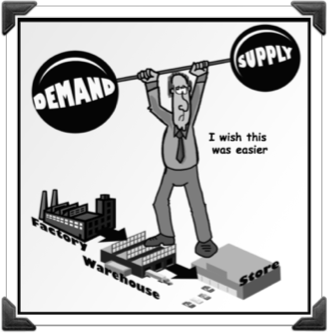
demand is the quantities of a particular good that an individual
consumer wants and is able to buy as the price varies, if all other
factors influencing demand are constant.
That is, consumer demand is the relationship between the quantity demanded for the good and its price. The theory of demand is based on the assumption that the
consumer having budget constraint seeks to reach the maximum possible level of utility, that is, to maximize utility, but he usually prefers to obtain more rather than less. The consumer has to solve the problem of choice.
Market demand is the quantities of a good that all consumers in a particular market want and are able to buy as price varies and as all other factors are assumed constant. Market demand depends not only on the factors affecting individual demands, but also on the number of consumers in the market. The law of demand also works with market demand.
The theory of supply is the theory of how much output firms choose to produce. The principal assumption of the supply theory is that the producer will maintain the level of output at which he maximizes his profit. Profit can be defined in terms of revenue and costs. Revenue is what the firm earns by selling goods or services in a given period such as year. Costs are the expenses which are necessary for producing and selling goods or services during the period.
Costs should include opportunity costs of all recourses used in production. In particular, costs include the owner's time and effort in running a business. Costs also include the opportunity cost of the financial capital used in the firm.
Market supply is defined in terms of the alternative quantities of a commodity all firms in a particular market offer as price varies and as all other factors are assumed constant.
Consumer demand- потребительский спрос - тұтынушылық сұраныс
particular-конкретный-нақты,жеке
vary-меняться-өзгеру
constant-постоянный,неизменный-тұрақты, өзгеріссіз
assume-предполагать-міндетке алу, болжау
a numberof-некоторое количество, ряд-қатар,бірнеше
budget-бюджет-бюджет
utility-полезность-пайда ,олжа
obtain-получать, добиться-алу, жету
provided-часто-жиі
providedthat-при условии то-егер,сондай жағдайда
maintain-поддерживать,сохранить-қолдау, сақтау
percapita-на человека-адамға
perhead-на душу населения-халық жанына
I.Жақшаны ашып, сөздерді аудару:
1. Last year there was an increase in the (саны) of gas produced.
2. (число,саны) of cellars in the market has decreased.
3. Almost the same (саны) of coffee was exported last year as the previous year .
4.The(қатары) he puts in the bank every month.
5. Write down the bank -note (номері) you paid him for his services.
II. Мына сөздер қай сөз табына жатады:
Economist, production, productivity, mechanism, worker, consumption , government, decision, priceless, mainly, population, technical, manager.
III.Жақшаны ашып, сөздерді мағынасына қарай қою:
1.Farmers may(own/earn/run) more revenue from a bad harvest(егін) than from a good harvest.
2. A rise in the income of consumers will typically result in an equivalent increase in (corresponding/total/alternative) consumer expenditure.
3.Statistics show the greatest increase in the number of jobs in the America non-production sector among government workers(in terms of/ elsewhere/in particular) today.
4.In Marxist theory, proletariat is the social class of workers who have to see their (corresponding/own/total) ability to work.
quantity - количество - нөмір
demand - требовать - талап
supply - предложения - ұсыныс
tosupplysmbwithsmth - поставлять что-либо чем - либо - жабдықтау
sell - продавать - сату
equilibrium - равновесие - баланс
consumer - потребитель - тұтынушылық
shortage - дефицит - жетіспеушілік
raise - повышать - арттыру
surplus - избыток - артық
reduce - понижать - төмендету
influence - оказывать влияние - әсер ету
income - доход - пайда
increase - увелечение - өсу
substitute good - товар заменитель - алмастыратын тауарлар
decrease - уменьшение - азаю
normalgood - товар стандартного качества - сапалытауар
inferiorgood - товар низкого качества - төмен тауар
fall - падать - құлау
input - вложение - инвестициялық
improve - улучшать - жақсарту
impose - облагать - леви
private - частный - жеке
Lesson 4
Accounting Information
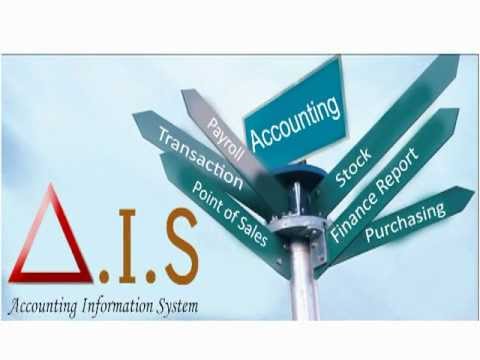 Accounting
provides informational access to a company’s financial condition
for three broad interest groups. First, it gives the company’s
management the information to evaluate financial performance over a
previous period of time, and to make decisions regarding the future.
Second, it informs the general public, and in particular those who
are interested in buying its stock, about the financial position of
the company. Third, accounting provides reports fir the tax and
regulatory departments of the government. In general, accounting
information can be classified into two main categories: financial
accounting (or public information) and managerial accounting (or
private information).
Managerial accounting deals with cost and profit relationships, efficiency and productivity, planning and control, pricing decisions, capital budgeting, etc. Not being generally spread outside the company, this information provides a wide variety of specialized reports for division managers, department heads, project directors.
A standard set of financial statements is expected to be prepared regularly by financial accounting and published in an annual report at the end of the fiscal year. Being prepared in accordance with generally accepted accounting principles, these statements include the following items: 1) the balance sheet, 2) the statement of cash flows, 3) the income statement, 4) the statement of retained earnings.
Information relating to the financial position of a company, mainly about assets and liabilities, is presented in a balance sheet. The statement of cash flows shows the changes in the company’s financial positionand provides information which is not available in either an income statement or a balance sheet. Thus, the statement of cash flows represents the sources and the uses of the company’s funds for operating activities, applications of working capital and data about additional financial support. Provided the company couldn’t generate sufficient cash to finance its activities, it would be necessary to borrow money and it should be indicated in the statement.
Another financial statement disclosing the results of the company’s activity is known as the income and expense statement. Prepared for a defined time interval, this statement summarizes the company’s revenues, expenses, gains and losses and shows whether a company has made a profit within the period. Income is considered to be the difference between revenues and expenses. If the total expenses exceeded the total revenues during the period, the difference would be the net loss of the company. Revenues are transactions that represent the inflow of assets as a result of operations-that is, the assets received from selling goods and rendering services. Expenses are transactions involving the outflow of assets in order to generate revenue, such as wages, salaries, rent, interest and taxes. In addition to disclosing revenues and expenses, the income statement also lists gains and losses from other kinds of transactions such as the sale of plant assets or the payments of long-term liabilities.
The income statement excludes the amount of assets withdrawn by the owners, in a corporation such withdrawal of assets being called dividends. The separate statement of retained earnings and stockholder’s equity shows investors what has happened to their ownership in the company, how earnings and new stock issuance have increased its value, and what dividends were paid.
Each of these reports contains figures for previous years and for the current period, providing a way of comparing present and past company performance. Being prepared for the use of management, the financial statements contain neither debit nor credit columns. These statements are accompanied by additional data about the particular accounting method used, as well as explanations about the most important events within the previous year.
Taxandregulatorydepartments-отделы по налогооблажению и регулированию деятельности компаний –
Operatingactivities – управленческая деятельность –
Access – доступ –жол табу
Evaluate – оценивать – бағалау
Performance – выполнение – орындау
Financial performance – финансовая отчетность – қаржылық есеп
Previous – предыдущий – алдыңғы
Managerial accounting – управленческая отчетность – басқарушылық есеп
Deal with – иметь дело – бір мәселені қарау
Pricing – калькуляция цен – баға деңгейі
Budgeting – составление сметы – қаржылық жоспар
Capitalbudgeting – составление сметы капиталовложений и их окупаемости –қаржылық құйылымдардың сметасын жасау
Spread – распространять – бөлу
Set – ряд – қатар
Statementofcashflows – отчет о движении денежных потоков – ақша ағымы туралы есеп
Incomestatement – отчет о доходах – пайда есебі
Statement of retained earnings – отчет о нераспределенной – ұсталған табыс бекітілімі
Annual – eжегодный – жылдық
Annual report – ежегодный отет – жылдық есеп
Flow – поток – ағым
Cash flow – поток наличности – қолма-қол ақша
Inflowcash – приток наличности –қолма-қол ақша кірісі
Outflow cash – отток наличности – қолма-қол ақша шығысы
Relatingto – относительно – байланысты
Source – источник - негізі
Reliable source of information – надежный источник сведений – сенімді ақпарат көзі
Render – отдавать – беру
To render a service – оказывать услугу –қызмет көрсету
Withdrawal – отзыв,вывод, снятие -қорытынды, алу
14. Переведите
1. greater shortage; 2. lower equilibrium price; 3. increased demand; 4. greater; 5. decreased input; 6. reduced government intervention; 7. greater restrictions.
16. Вставьте предлоги, нде это необходимо.
1. ... a mixed economy the government may be a producer ... private goods, for example, steel and motor cars.
2. An increase ... the price ... an input will lead to a reduction ... the demand ... that input.
3. The firm can sell as much as it wants ... the market price.
4. A consumer's tastes and income as well as prices ... other goods influence ... his or her demand.
5. Consumers almost always respond to an increase ... a good's price ... a reduction ..the quantity ... it consumed ... them.
6. A change ... the supply ... a good and ... its demand both influence ... its equilibrium price.
20. Составьте все возможные словосочетания этих слов и переведите.
Price, to influence, improvement, to decrease
1. quantity, to reduce, to rise, to impose, input, to raise, equilibrium, to fall, private, reduction, substitute.
2. surplus, a seller, technology, input price. a good, a buyer, to raise, supply
3. decrease, surplus, quantity, to sell, technology, a good.
4. shortage, technology, input price, seller, quantity, surplus, reduction.
Lesson 5
Money and its functions

Money has fourfunctions:a medium of exchange or means of payment, a store of value, a unit of account and a standard of deferred payment. When used as a medium of exchange, money is considered to be distinguished from other assets.
Money as the medium of exchange is believed to be used in one half of almost all exchange. Workers exchange labor for money, people buy or sell goods in exchange for money as well.
People do not accept money to consume it directly but because it can subsequently be used to buy things, they wish to consume. To see the advantages of a medium of exchange, imagine a barter economy, that is, an economy having no medium of exchange. Goods are traded directly or swapped for other goods. The seller and the buyer eachmust want something the other has to offer. Trading is very expensive. People spend a lot of time and effort finding others with whom they can make swaps.Nowadays, there exist actually no purely barter economies, but economies nearer to or farther from the barter type. The closer is the economy to the barter type, the more wasteful it is.
Serving as a medium of exchange is presumed to have for centuries been an essential function of money.
The unit of account is the unit in which prices are quoted and accounts are kept. In Britain, for instance, prices are quoted in pounds sterling;in France, in French francs. It is usually convenient to use the same unit to measure the medium of exchange as well as to use the same unit to measure the medium of exchange as well as to quote prices and keep accounts in.However, there may be exceptions. During the rapid German inflation of 1922-23 when prices in marks were changing very quickly, German shopkeepers found it more convenient to use US dollars as the unit of account. Prices were quoted in dollars though payment was made in marks.The higher is the inflation rate,the grater is the probability of introducing a temporary unit of account alongside the existing units for measuring medium of exchange.
Money is a store of value,for it can be used to make purchases in future.For money to be accepted in exchange,it has to be a store of value.Unless suitable for buying goods with tomorrow,money will not be accepted as payments for the goods supplied today.But money is nether the only nor necessarily the best store of value.Houses,stamp collections,and interest-bearing bank accounts all serve as stores of value.
Finally,money serves as a standard of deferred payment or a unit of account over time.When money is borrowed,the amount to be repaid next year is measured in units of national currency,pounds of sterling for the United Kingdom,for example.Although convenient,this is not essential function of money.UK citizens can get bank loans specifying in dollars the amount that must be repaid next year.
Thus,the key feature of money is its use as a medium of exchange.For money to be used successfully as a means of exchange,it must be a store of value as well.And it is usually,though not always,convenient to make money the unit of account and standard of deferred payment.
Ответьте на вопросы к тексту Money and Its Functions.
1.What are the main functions of money?
2. How important is the function of money as a medium of exchange
3. Why do people accept money as a medium of exchange?
4. What is barter economy?
5. Why are barter economies wasteful?
6. When don't national currencies serve as units of account? Give examples.
7. When is money used as a standard of deferred payment?
Переведите следующие русские причастия и деепричастия на английский язык.
Приносящий, принесенный, принося, принеся, переводящий, переведенный, переводя, переведя, давая, написав, читающий, берущий, данный, прочитав, сделанный, пьющий, сказанный, будучи потерянным, нарисовав, написавший, делая, взятый, взяв, рисуя, выпитый, сделав, идя, пишущий, прочитанный, дав, рисующий, делающий, нарисованный, выпив, говорящий, беря, написанный, читая, идущий, дающий, сказав, сидевший, посмотрев, будучи забыт, строящий, строящийся, играя, поиграев, рассказанный, рассказавший, видя, принесший, будучи принесенным, построенный, продав.
Замените придаточные определительные предложения причастными оборотами.
1. All the people who live in this house are students. 2. The man who is speaking now is our new secretary. 3. The apparatus that stands on the table in the corner of the laboratory is quite new. 4. The young man who helps the professor in his experiments studies at an evening school for laboratory workers. 5. People who take books from the library must return them in time. 6. There are many pupils in our class who take part in all kinds of extra-curricular activities.
ПРИЧАСТИЕ
|
||
Формы причастия |
||
|
Active |
Passive |
Present |
Writing |
being written |
Perfect |
having written |
Having been written |
Past |
|
written |
Обратите внимание на способы перевода на английский язык русских причастий и деепричастий
Причастие |
Действи- тельный залог |
Несовершен- ный вид |
Бросающий бросавший |
Throwing нельзя |
Совершен- ный вид |
бросивший |
нельзя |
||
Страда- тельный залог |
Несовершен- ный вид |
бросаемый |
Being thrown |
|
Совершен- ный вид |
брошенный |
thrown |
||
Деепричастие |
Действи- тельный залог |
Несовершен- ный вид |
бросая |
throwing |
Совершен- ный вид |
бросив |
Having thrown |
||
Страда- тельный залог |
Несовершен- ный вид |
Будучи бросаемым |
Being thrown |
|
Совершен- ный вид |
Будучи брошенным |
Being thrown Having been thrown |
As follows – келесі тәсілмен
Capital– капитал
Physical capital– физикалық капитал
Financial capital – қаржылық капитал
Fixed capital– негізгі капитал
Contribute – үлес қосу
Means of production– ақы-пұлдар өндірісі
Durable goods– ұзақ уақыт пайдаланылатын тауар
Labour– еңбек
Natural– табиғи
Natural resources– табиғи қазбалар
Wage– еңбек ақы
Variety– әртүрлі
Purpose– мақсат
Equipment– құрал-жабдықтар
Raw material– шикізат
Available – қолжетімді
Value – құн
Management– басқарма
Manage – басқару
Unemployed– жұмыссыз
Trade union– кәсіподақ
Job – жұмыс орын
Lesson 6
Inflation
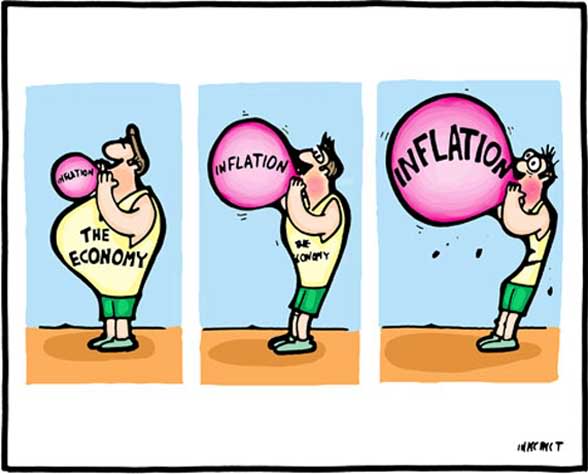
Inflation is a steady rise in the average price and wage level. The rise in wages being high enough to raise costs of production, prices grow further resulting in a higher rate of inflation and, finally, in an inflationary spiral. Periods when inflation rates are very large are referred to as hyperinflation.
The causes of inflation are rather complicated, and there is a number of theories explaining them. Monetarists, such as Milton Friedman, say that inflation is caused by too rapid increase in money supply and the corresponding excess demand for goods.
 Therefore,
monetarists consider due government control of money supply to be
able to restrict inflation rates. They also believe the high rate
of unemployment to be likely to restrain claims for higher wages.
People having jobs accept the wages they are being paid, the
inflationary spiral being kept under control. This situation also
accounts for rather slow increase in aggregate demand.
On the other hand, Keynesians, that is, economists following the theory of John M. Keynes, suppose inflation to be due to processes occurring in money circulation. They say that low inflation and unemployment rates can be ensured by adopting a tight incomes policy.
Incomes policies, though, monetarists argue, may temporarily speed up the transition to a lower inflation rate but they are unlikely to succeed in the long run.
The costs of inflation depend on whether it was anticipated and on the extent to which the economy's institutions allow complete inflation adjustment.
The longer inflation continues, the more the economy learns to live with it. Indexation is a means to reduce the costs of some inflation effects. Indexed wages or loans mean that the amount to be paid or repaid will rise with the price level. Indexation has already been introduced in countries that had to live with inflation rates of 30 or 40 percent for years. And the more countries adjust their economies to cope with inflation, the closer they come to hyperinflation. Indexation means that high rates of inflation are much more likely to continue and even to increase.
steady- устойчивый, постоянный, равномерный- тұрақты
inflationary spiral - инфляционная спираль - инфляциондық спираль
inflation rate - темп инфляции - инфляция деңгейі
hyperinflation - гиперинфляция
cause- причина, основание - себеп
rather - довольно, несколько - бірнеше
accept- принимать - қабылдау
occur- cлучаться, происходить - жағдайдаболады
ensure -обеспечивать, гарантировать - кепілдік беру
incomespolicy - политика доходов - кірістер саясаты
argue - приводить доводы, утверджать, доказывать, спорить- дәлелдеу
argument -довод, доказательство, аргумент - дәлел
speed - ускорять - жылдамдату
anticipate - ожидать, предвидеть - күту
extent - степень, мера - дәреже
adjustment - регулирование, согласование - келісім
cope - cправиться - шамасы келу
Переведите следующие предложения, обращая внимание на слова из словарного минимума к тексту Inflation.
1. With slow price and wage adjustment, an increase in money supply results in a temporary output rise, but eventually it only causes higher prices.
2. Although inflation may not have been anticipated at first, people learn to adjust to it.
3. It is frequently argued that reducing the average level of inflation means reducing risks of making decisions and plans.
4. Governments and political parties usually have to decide whether they like the redistribution of income caused by inflation.
5. Governments think that tight monetary policies aimed at coping with inflation are desirable. Though these policies may mean higher unemployment and lower output.
6. Industrial economies have to make severe adjustments to cope with the rising energy scarcity.
7. Indexation means that the wages agreement will remain correct for any anticipated inflation that occurred over the life of the contract.
8. The extent of demand, budget constraints and other factors have been found to account for the particular level of government protection for a certain commodity over time.
Раскройте скобки и употребите глаголы в соответствующей форме.
1. With money supply (to grow) relatively slowly (much less than four or five percent per year), this (to interpret) as a result of a tight ,monetary policy. A relatively rapid growth in the money supply (to consider) (to be) a result of an easy policy.
2. The difference between the real rate of interest and the nominal one is that the former (to adjust) for inflation whereas the latter (not to be).
3. A great number of people (cannot) (to increase) their wages rapidly and largely enough (to compensate) for price increases because the (to work) under long-term contracts.
4. Lenders (to be likely) (to hurt) by inflation.
5. A two-percent increase in the rate of inflation (to find) (to cause) a reduction in the real income of elderly households by about 10 percent.
6. In periods of inflation the value of money (to know) (to reduce).
7. Good results (to know) (to achieve) in Soviet economy during the early 1960s due to (to decentralize) decision-making and emphasis on profit rather than carrying out plans.
Ағылшын эквивалентін жазыныз:
1.The economists discussed several reasons why past(кіріс саясаты) had been unsuccessful.
2. State planning and central control of the economy often (білдіреді) that the state has monopoly of important goods and services.
3.There are different policies aimed at(жылдамдық) the process of ( реттеу) of prices and wages.
4. Money is any generally accepted (құралдар) of payment.
5. Prices of goods and recourses are determined to (қамтамасыз ету) the production of the goods and services that society demands most.
Inflation мәтіні бойынша сұраққа жауап жаз:
1.What situation is described as an inflationary spiral? By what means can it be kept under control?
2. What do monetarists think to be effective in restraining inflation rates?
3. Why do the costs of inflation depend on?
4. By what means can the costs of inflation be reduced?
5. Does indexation help to cope with inflation?
Аударыңыз:
1.Profit depends on whether the amount received is greater than the amounts paid.
2. Whether a faster growth rate of production is desirable, depends on whether a society wants to spend more on its needs of today or it is prepared to invest in tomorrow.
3. It makes a lot of difference to the banker whether the loan is in cash or in the form of a deposit.
4. Research workers never know whether or not they will find anything useful.
5. Average costs of production are important to the decision of whether or not to stay in business
Lesson 7
Factors of Production: Capital and Labour
Factors of production are resources used by firms as inputs for a good or service to be produced. Factors of production are as follows: capital, labour, an natural resources.
In economic theory, the term «capital» refers to goods and money used to produce more goods and money. The most general distinction is the one made between physical, financial, and human capital.
Physical capital is land, buildings, equipment, raw materials; bonds, stocks, available bank balances are included in the financial capital. They both make a great contribution to production.
Human capital is knowledge that contributes «know-how» to production.
It is common, in economics, to understand labour as an effort needed to satisfy human needs. It is one of the three leading elements of production. Labour has a variety of functions: production of raw materials, manufacturing of final products.
combination of factors which minimizes the cost of production and in-creases profits.
The third factor of production, natural resources, poses too many economic problems to be discussed here. Wewillanalyzetheminthefollowingunit.
Переведите предложения на русский язык и скажите, какие функции инфинитив выполняет в этих предложенях.
1. To produce goods and services firms use the following factors of production: workers' time, talents and knowledge; equipment; land; buildings.
2. To know the contribution of every industry to the national economy is very important for the government.
3. The government ought to take steps to reduce the unemployment rate.
4. The problem is that demands are practically limitless and the resources (natural resources, labour and capital) available at one time to produce goods and services are limited in supply.
5. To meet the requirements of a variety of potential users is the purpose of economic statistics.
6. Like physical capital, human capital is important enough to be an indicator of economic development of a nation.
7. To build atomic power stations near rivers is common practice as they require a lot of water for cooling (охлаждения)
8. A minimum wage is a strong enough disincentive for employers not to hire workers with little human capital.
Вставьте пропущенные предлоги, где это необходимо.
1. Each individual's expenditure always contributes ... some other individual's income.
2. That living organisms include a variety ... cells is a biological fact, how these cells function and affect ... each other should be analyzed ... the biologist.
3. In some industry specific human capital may be ... high demand and short supply and other human capital may be ... excess supply.
4. Increases ... the quantities demanded typically vary ... different goods as incomes rise.
5. The demand ..factors ... production depends ... the demand ... the firm's ... output.
6. ... workers receiving wages, a self-employed man receives profit.
9. The uses of land are ... follows: ... agriculture, ... houses, industrial and office buildings, recreation, and ... other purposes.
Lesson 8
Factors of Production: Natural Resources and Land
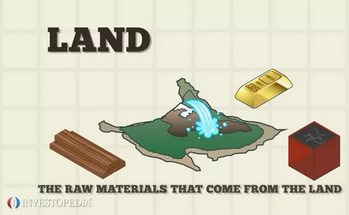
Economists consider natural resources to be the third factor of production. They are a contribution to productive activity made by land (for example, a factory site or farm location), raw materials such as iron ore, timber, oil, water for crops and power production, forests and animals.
Some natural resources, wheat, for example, are renewable, others such as iron ore are non-renewable and will sooner or later be used up. Economists know reduced supplies of non-renewable resources to result in their higher prices, which provides an incentive to look for natural or synthetic substitutes for them.
The supply of land, an essential natural resource, is limited and it cannot be easily increased to meet an increase in demand except in certain cases. For example, the Dutch have been able to reclaim from the sea some areas of low-lying land.
Another essential characteristic of land is that it is durable, that is, land is not used up in the production process, although it may be depleted by use.
Land is, in some respects, close to physical capital, though the former is supplied by nature and the latter is produced by man. But applying labour to
kill weeds or fertilizer to improve the soil, farmers can "produce" better land and raise its price.
Price of or income from land, as well as from other natural resources, is called rent. Land itself has no cost of production, so rent depends on the degree of scarcity and on the demand for it.
The purposes for which land is used are due to its characteristics. Land can be used for housing or offices, for mining, or for building roads. Besides, it contributes to the production of crops, providing an environment that supplies water, air, and nutrients for plant growth.
Land as a unique agricultural resource poses management problems for the farmer. In the first place, the farmer has to make a choice between buying and leasing it. The advantages and disadvantages depend on the farmer's financial position, on the availability of land for lease and purchase and some other factors.
Because purchasing land usually requires a larger capital, farmers with
limited capital lease land and use their capital for machinery and other resources.
Economists consider a satisfactory lease to be the one that is profitable both for the landowner and the tenant. A fair lease compensates both parties
in proportion to their contributions to the farm business.
Other management problems may arise due to differences in land profitability in various farming branches and other industries. Economists know different crops and classes of animals to vary in profitability. The farmer has to study thoroughly the conditions on his farm to make a correct choice between alternative uses.
Although the total supply of land is limited, its allocation between industries is not. If a government wants to stimulate, for example, either housing or afforestation, it offers a subsidy raising the rent received by owners of housing land or forests. This may create incentives for farmers to transfer land from farming to other industries.
Insomerespects - в некоторых отношениях - Қандай да бір мағынада
In the first place - прежде всего - алдымен
Ore - руда - кен
Crop - сельскохозяйственное растение - ауыл шаруашылығы өсімдіктер
Supply - запасы - қор
Provide - снабжать - жабдықтау
Incentive - стимул - ынталандыру
To look for - искать - іздеу
Essential - обязательный - міндетті
Meet - удовлетворять - кездестіру
Except - кроме - қоспағанда
Area - площадь - аудан
Although - хотя - бірақ
Though - все же - қимылсыз
Apply - использовать - пайдалану
Fertilizer - удобрение - тыңайтқыш
Soil - почва - топырақ
Rent - рента - жалға алу
So - так что - сондықтан
Degree -степень - дәрежесі
Housing - жилищное строительство - тұрғын үй
Mining - горная промышленность - тау-кен ісі
Environment - окружающая среда - қоршаған орта
Lease - брать в аренду - жалға алу
Advantage - преимущество - пайда
Purchase - покупка - сатып алу
Profitable - прибыльный - пайдалы
Tenant - наниматель - қызметкер
Business - дело - шаруа
Tovaryin - различаться по - ерекшеленеді
Condition - состояние - жағдайы
Farming - земледелие - ауыл шаруашылығы
through - через, посредством,арқылы
though -хотя,дегенмен
although - хотя (в начале предложения)
think - думать,ойлау
thorough - тщательный
thoroughly - тщательно
Заполните пропуски в предложениях этими словами
Осы сөздерді көп нүктенің орнына қойып жаз:
1. ... some farmers have enough money to purchase land, they prefer to lease it over several years to examine the conditions for farming in the given area ..
2. A lot of countries are mixed economies; ... some are nearer to command economies and others are nearer to free market economies.
3. ... economic analysis is essential for good results.
4. Farming efficiency is raised ... improved technology, fertilizers, crops, and livestock
5. It we want resources to be allocated efficiently, government intervention ... environmental standards can be used.
6. In earlier days economists ... rent only to be income received from land.
7. ... the firm is run by its manager, not its owners, profit maximization is the most essential aim of the firm's business.
Переведите на русский язык предложения с конструкцией "сложное дополнение". Күрделі толықтауышы бар сөйлемдерді аударыңыз
1. When market conditions change, economists expect the price for land to vary
2. Too high cost of imported cotton has made a lot of textile enterprises close down is Russia
3. Economists believe the availability of labour to be an essential requirement for economic activity.
4. Private- sector producers consider profitability to be the most essential condition of their business
5. In a supermarket, the seller chooses the goods and the prices making buyers decide how much they want to make a purchase in this particular place.
Lesson 9
Taxes and public Spending
In most economies government revenues come mainly from direct taxes on personal incomes and company profits as well as indirect taxes levied on purchase of goods and services such as value added tax(VAT) and sales tax. Since state provision of retirement pensions is included in government expenditure, pension contributions to state-run social security funds are included in revenue, too. Some small component of government spending is financed through government borrowing.
 Government
spending comprises spending on goods and services and transfer
payments.
Governments mostly pay for public goods, that is, those goods that, even if they are consumed by one person, can still be consumed by other people. Clean air, national defense, health service are examples of public goods. Governments also provide such services as police, fire-fighting and the administration of justice.
A transfer is a payment, usually by the government, for which no cor-
responding service is provided in return. Examples are social security, retirement pensions, unemployment benefits and, in some countries, food stamps.
In most countries there are campaigns for cutting government spending. The reason for it is that high levels of government spending are believed to exhaust resources that can be used productively in the private sector. Lower incentives to work are also believed to result from social security payments and unemployment benefits.
Whereas spending on goods and services directly exhausts resources that can be used elsewhere, transfer payments do not reduce society's resources. They transfer purchasing power from one group of consumers, those paying taxes, to another group of consumers, those receiving transfer payments and subsidies.
Another reason for reducing government spending is to make room for tax cuts.
Government intervention manifests itself in tax policy which is different in different countries. In the United Kingdom the government takes nearly 40 percent of national income in taxes. Some governments take a larger share, others a smaller share.
The most widely used progressive tax structure is the one in which the average tax rate rises with a person's income level. As a result of progressive tax and transfer system most is taken from the rich and most is given to the poor.
Rising tax rates initially increase tax revenue but eventually result in such large falls in the equilibrium quantity of the taxed commodity or activity that revenue starts to fall again. High tax rates are said to reduce the incentive to work. If half of all we earn goes to the government, we may prefer to work fewer hours a week and spend more time in the garden or watching television.
Cuts in tax rates will usually reduce the deadweight tax burden and reduce the amount of taxes raised but might increase eventual revenue.
If governments wish to reduce the deadweight tax burden and balance spending and revenue, they are supposed to reduce government spending in order to cut taxes.
Administration of justice - отправление правосудия-сот төрелігін іске асыру
Inreturn -в ответ- жауапқа
Foodstamps-продуктовые карточки- азық-түліккарточкасы
Tomakeroomfor- создать условия для-жағдай жасау
The rich -богатые- байлар
The poor -бедные- кедейлер
Reduce the deadweight tax burden - снизить налог-салық ауыртпалығын азайту
Directtax - прямой налог-тікелей салық
Indirecttax- косвенный налог-жанама салық
Levy -облагать налогом- салық жинау
Salestax- айнымалы салық
Retirement pension - өтілі зейнетақы
Contribution - төлем
Borrow - қарызға алу
Comprise - қарыз қамтиды
transfer payment - аударым төлем
pay - платить - төлеу
publicgoods- общественный товар - қоғамдық тауар
nationaldefenсe- национальная оборона - ұлттық қорғаныс
unemployment benefit - пособие по безработице - жұмыссыздық төлем ақысы
cut - сокращать - қысқарту
reason - причина - себеп
forsomereason- по какой причине - қандай себеппен
productively - производительно - өндіруші
productive - производительный - өндірушілік
tax rate - норма налога - салықтың мөлшері
initially - с самого начала - алғашқыданбастап
taxrevenue- доходы от налогов - салықтың кірісі
eventually - в конечном счете - ақырғы есепте
raise - собирать, взимать - (салық, төлемақы), жинау
Мағынасына қарай сөйлем құру:
1. Government spending is
2. Spending and taxing,
3.Whereas a sales tax is raised only when a final good is sold to the consumer,
4. The governments in northern Europe often give out freely a great share of gross output privately produced as public goods,
5.What is not paid as corporate taxes or saved by firms
6. Social security payments and unemployment benefits are
7. Every firm in Russia is required to allocate two percent of the amount to be paid out as wage
8. A state retirement pension in most European countries is
a) goes to households as employees, owners, or renters.
b) payable to women at the age of 60 and men at the age of 65
c)the VAT is raised at different stages of the production process.
d) the sum of government purchases of goods and services and transfer payments.
e) as its contribution to the Fund of Obligatory Medical Insurance.
f) those comprise medical services, school, child care ,public transport, national defence.
g) believed to reduce incentives to work since they contribute to income.
h) the government plays an essential role in allocating resources in the economy.
Берілген сөздердің синонимдік , антонимдік жұбын табу:
to manufacture, considerable, to buy, advantage, almost, mostly, so that, great, home, expenditure, provided, unemployed, to need, to produce, to supply, to lead to, taxable, as, if, unproductive, efficient, unlike, to purchase, spending, to cut, to levy, initially, taxed, productive, employed, to require, disadvantage, to sell, like, to provide, since, in order to, mainly, nearly, to impose, to reduce, eventually, domestic, to give rise to
Lesson 10
Foreign trade
 What
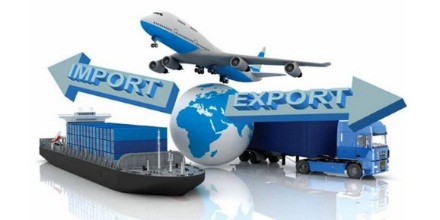
is now called international trade has existed for thousands of years
long before there were nations with specific boundaries. Foreign
trade means the exchange of goods and services between nations, but
speaking in strictly economic terms, international trade today is not
between nations. It is between producers and consumers or between
producers in different parts of the globe. Nations do not trade, only
economic units such as agricultural, industrial, and service
enterprises can participate in trade.
Goods can be defined as finished products, as intermediate goods used in producing other goods, or as agricultural products and foodstuffs. International trade enables a nation to specialize in those goods it can produce most cheaply and efficiently and it is one of the greatest advantages of trade. On the other hand, trade also enables a country to consume more than it can produce if it depends only on its own resources. Finally, trade expands the potential market for the goods of a particular economy. Trade has always been the major force behind the economic relations among nations.
Different aspects of international trade and its role in the domestic economy are known to have been developed by many famous economists. International trade began to assume its present form with the establishment of nation-states in the 17th and 18th centuries, new theories of economics, in particular of international trade, having appeared during this period.
foreigntrade - международная торговля - әлемдік сауда
whole sale trade - оптовая торговля - көтерме сауда
retail trade - розничная торговля - әртүрлі сауда
enable - давать возможность - мүмкіндік беру
expand - расширять - кеңейту
competitive - конкурентный - бәсекеге қабілетті
relatively - относительно - салыстырмалы
customer - загазчик - тапсырыс беруші
diverse - разный - Әр түрлі
innovation - нововведение - жаңа шаландыру
depressed - ослабленный - әлсіз
promote - способность - мүмкіндік беру
emphasize - подчеркивать - белгілеу
Раскройте скобки и употребите глагол в соответствующей форме.
A new important trend (to note) by some economists appeared in international trade in the last third of the 20th century. (To participate) in trade many countries have been more intensively involved in production sharing (зд. производственная специализация) which means that a product (to many-facture) in stages (to distribute) across more than one country. (To use) the example of the Ford Fiesta automobile production, the economist Drucker supported the (to propose) concept. (To design) the car, Germany started producing the engine (двигатель) and chassis and three more countries (to engage) in the production process. The brakes (тормоза) and transmission (коробкапередач) (to produce) in Mexico and the electrical system (to manufacture) in Canada as well as German output (to deliver) to the USA which (top play) the major part in the production assembling (сборка) the whole car. So, economic cooperation (to base) on rational production sharing (to allow) all four countries to gain much from this innovation in foreign trade. (To change) radically the traditional concept of trade as the exchange of goods or services across national borders, production sharing (to use) widely between both the developed countries and the LDCs now.
Переведите следующие однокорневые слова:
to develop, developed, development, underdeveloped, developing, underdevelopment.
Lesson 11
Introduction to Banking and Financial Markets
A commercial bank borrows money from the public, crediting them with a deposit. The deposit is a liability of the bank. It is the money owed to depositors. In turn the bank lends money to firms, households, or governments wishing to borrow.
Commercial banks are financial intermediaries with a government license to make loans and issue deposits, including deposits against which chequescan be written.
Major important banks in most countries are included in the clearing system in which debts between banks are settled by adding up all the transactions in a given period and paying only the net amounts needed to balance inter-bank accounts.
The balance sheet of a bank includes assets and liabilities. We begin by discussing the asset side of the balance sheet.
 Cash
assets are notes and coins kept in their vaults and deposited with
the Central Bank. The balances sheet also shows money lent out or
used to purchase short-term interest-earning assets such as loans and
bills. Bills are financial assets to be repurchased by the original
borrower within a year or less. Loans refer to lending to households
and firms and are to be repaid by a certain date. Loans appear to be
the major share of bank lending. Securities show bank purchases of
interest-bearing long-term financial assets. These can be government
bonds or industrial shares. Since these assets are traded daily on
the Stock Exchange, these securities seem to be easy to cash whenever
the bank wishes, though their price fluctuates from day to day.
We now examine the liability side of the balance sheet which includes, mainly, deposits. The two most important kinds of deposits are sure to be sight deposits and time deposits. Sight deposits can be withdrawn on sight whenever the depositor wishes. These are the accounts against which we write cheques, thus withdrawing money without giving the bank any warning
Therefore, most banks do not pay interest on sight deposits, or chequing accounts.
Before time deposits can be withrawn, a minimum period of notification must be given within which banks can sell of some of their high-interest securities or call in some of their high-interest loans in order to have the money o pay out depositors. Therefore, banks usually pay interest on time deposits. Apart from deposits banks usually have some other liabilities as, for instance, deposits in foreign currency, cheques in the process of clearance and others.
deposit - депозит - депозит
a deposit with a bank - вклад в банке - депозиттік шоты
to issue a deposit - открывать счет - шотты ашу үшін
to withdraw - изымать вклад - жарналар алып тастай
depositor - вкладчик - инвестор
time deposit - срочный вклад - тұрақты депозит
sight - текущий счет - тұрақты шот
chequing account - чековый вклад - түбіртек үлес
current account - текущий счет - тұрақты шот
to deposit money with/in a bank - положить деньги в банк - ақшаны банкке салу
liability - обязательство - міндеттеме
owe - задолжать - қарыз болу
lend - одалживать - қарыз беру
loan - заем - қарыз
to make a loan - давать ссуду - қарыз беруге
transaction - сделка - мәміле
to handle a transaction - проводить сделку - мәмілені жүзеге асыру
cash - наличные деньги - қолма-қол ақша
tocashacheque - получить наличные по чеку - қолма-қол ақшаны чек арқылы алу
government securities - государственные ценные бумаги - мемлекеттік бағалы қағаздар
bond - облигация - облигация
share - акция - қор
Переведите предложения на русский язык, обращая внимание на употребление инфинитива
Сөйлемдерді қазақшаға аударып, инфинити пайдалануға назар аудар.
1. Interest payments on government borrowing are known to be included in transfer payments.
2. The demand for money is understood as the quantity required to undertake business transactions.
3. A business considers its land, buildings, equipment as well as stocks, bonds and bank balances to be its capital.
4. The bank has refused to issue a chequing account. Therefore, we'll have to carry cash on us whenever we want to make a purchase.
5. A bill is an interest-bearing financial security which is issued by a firm or government in order to borrow short-term money to be repaid usually within three months.
6. To reduce his cash holdings to a minimum will be only natural for a banker since they produce no income.
7. Financial capital to be used in a business may either belong to the business itself or it may be borrowed from a bank.
Используя текст Introduction to Banking and Financial Markets, закончите следующие предложения:
Introduction to Banking and Financial Marketsтекстін қолданып, келесі сөйлемді бітіріңіз:
1. Banks borrow money from the public in order to ...
2. The clearing system lets banks ...
3. The asset side of the bank balance sheet includes ...
4. The liability side of the balance sheet includes ...
5. The two most important kinds of deposits are known ...
6. Cheques can be written against ...
Раскройте скобки, употребляя глаголы в Present Continuous или в Present Indefinite.
1. I (not to drink) coffee now. I (to write) an English exercise. 2. I (not to drink) coffee in the evening. I (to drink) coffee in the morning. 3. Your friend (to do) his homework now? 4. Your friend (to go) to school in the morning? 5. Look! The baby (to sleep). 6. The baby always (to sleep) after dinner. 7. My grandmother (not to work). She is on pension. 8. My father (not to sleep) now. He (to work) in the garden. 9. I usually (to get) up at 7 o'clock in the morning. 10. What your sister (to do) now?-She (to wash) her face and hands.
1. They (to read) many books. 2. They (to read) books? 3.They (not to read) many books. 4. The children (to eat) soup now. 5. The children (to eat) soup now?6.The children (not to eat) soup now. 7. You (to play) volley-ball well? 8. When you (to play) volley-ball? 9. What Rick (to do) in the evening? 10. He (to go) to the cinema in the evening? 11. We (not to dance) every day.
12.Look! Kate (to dance). 13. Kate (to sing) well? 14. Where he (to go) in the morning? 15. He (not to sleep) after dinner
Lesson 12
Bookkeeping as Part of Accounting Cycle
 For
management of any company to be efficient, extensive and accurate
information concerning receipts and payments, assets and liabilities,
depreciation of assets and other data about company status are
required. Such information being obtained mainly from different
records, additional funds and time should be invested in bookkeeping
and accounting system.
In general, accounting and bookkeeping mean identifying, measuring, recording economic information about any business, bookkeeping being considered the preliminary stage and part of the larger field of accounting.
The task of a bookkeeper is to ensure the record-keeping aspect of accounting and therefore to provide the data to which accounting principles are applied in the preparation of financial statements. Bookkeeping provides the basic accounting data by systematical recording such day-to-day financial information as income from the sale of products or services, expenses of business operations such as the cost of the goods sold and overhead expenses such as a rent, wages, salaries.
Accounting principles determine which financial events and transactions should be recorded in the bookkeeper's books. The analysis and interpretation of these records is the primary function of accounting. The various financial statements produced by accountants then provide managers with the basis for future financial planning and control, and provide other interested parties (investors, the government) with useful information about the company.
Modern accounting system is considered to be a seven-step cycle. The first three steps fall under the bookkeeping function, such as: 1)the systematic recording of financial transactions; 2) the transferring of the amounts from various journals to general ledger (also called "posting step"); 3) the drawing up of the trial balance.
Record keeping of companies is based on a double-entry system, due to
which each transaction is recorded on the basis of its dual impact on the company's financial position. To make a complete bookkeeping record of every transaction in a journal, one should consider interrelated aspects of every transaction, and entries must be made in different accounts to keep the ins (receipts) and outs (payments) balanced.
A typical account is known to have two sides: the items on the left side are called debits, while the items on the right side are credits.
Thus, double-entry bookkeeping doesn't mean that the same transaction is entered twice, it means that the same amount of money is always debited to one account and credited to another account, each record having its own effect on the whole financial structure of the company. Certain accounts are increased with debits and decreased with credits, while other accounts are increased with credits and decreased with debits.
In the second step in the accounting cycle, the amounts from the various journals are usually monthly transferred to the company's general
bookkeeping - бухгалтерия - бухгалтерия
double-entry bookkeeping - cистема бухгалтерского учета с двойной записью - екі мәртелік бухгалтер
bookkeeper - счетовод - бухгалтер
accurate - правильный - дұрыс
accurately - точный - дәл
receipts - денежные поступления - түсімдер
data - данные - мәліметтер
record - запись - рекорд
record-keeping - ведение учета - есеп
preliminary - предварительный - алдын-ала
statement - отчет - есеп
financialstatements - финансовая документация - қаржылық есеп
monthly statements - ежемесячный бюллетень - айлық ақпараттық бюллетень
journal - регистр - тіркеу
general journal - главный журнал учета - бас бухгалетлік журналы
ledger - бухгалтерская книга - бухгалтерлік кітап
Составьте словосочетания из наиболее часто встречающихся в тексте BookkeepingasPartofAccountingCycleсуществительных и данных ниже прилагательных и переведите их на русский язык.
ОБРАЗЕЦ : periodic - periodic accounting
periodic, valuable, current, various, accurate, trial, preliminary, separate, systematic, typical, basic, proper, financial, double, extensive, additional, general, useful.
Образуйте герундий от глаголов, cтоящих в скобках. Переведите предложения на русский язык.
1. (To keep) records accurately is very important both for a company and tax authorities (власти).
2. After (to post) the data the bookkeeper began (to calculate) debit and credit balances.
3.Double-entry bookkeeping speeds up (to check) accounts by (to show) whether they are in balance.
4. The bookkeeper informed the Financial Manager of the first three steps of the accounting cycle (to complete) by his department.
5. The bookkeeper remembered (to record) the data concerning this transaction on the computer.
Выберите подходящее по смыслу слово из предлагаемых в скобках вариантов.
1. The accounting cycle is known to consist of seven main steps, the (bookkeeping/accounting) being responsible for the analysis and interpretation of the (records/entries).
2. Having drawn up the (balance sheet/trial balance), the bookkeeper expects the final financial (accounts/statements) to be prepared in the (accounting/managerial) department.
3. A bookkeeper deals with taxes, cash flow which includes cash (receipts/credits) and (debits/payments), sales, purchases and different other business (activities /transactions).
4. Bookkeepers first (post/record) all the data in the books which are called (ledgers/journals).
Lesson 13
Forms of Business Ownership
Business is a commercial enterprise performing all those functions that govern the production, distribution, and sale of goods and services for the benefit of the buyer and the profit of the seller. Since the beginning of the era of economic progress old ways of running business have been modified, and new forms of business organization have been introduced. This has enabled various branches of industry to adapt to changing conditions and to function more easily, efficiently and profitably, sole proprietorship, partnership, and corporation being the main three forms of business ownership.
A sole proprietorship is a business owned b one person, in which all the
profits belong to the owner, the latter being fully responsible for the success and the failure of the business. Unless an activity is specifically prohibited by law, no field of business is closed to an owner. Although advantages for the small business exist in this form, certain drawbacks make it undesirable for larger concerns. In the first place, the single owner is seldom able to invest as much capital as can be obtained by a partnership or a corporation. If single
 owners
are able to invest large amounts of capital, they run great risk of
losing it all because they are personally liable for all the debts of
their businesses. It is due to unlimited liability that all the
personal assets of the owner, including his home and car, can be sold
to settle the debts of the business. Unless the owner has much
personal wealth, the business may have difficulty borrowing money in
critical times. A sole proprietorship may also have difficulty hiring
and keeping good employees, because the business will dissolve when
the owner retires or dies.
A partnership is an association of two or more persons who have agreed to combine their financial assets, labour, property, and other resources as well as their abilities and who carry on a business jointly for the purpose of profit. The agreement the partners usually sign to form an association is known as a partnership contract and may include general policies, distribution of profits, responsibilities.
A business corporation is an organization created by law that allows people to associate together for the purpose of making profit. Corporations are also known as joint-stock companies because they are jointly owned by different persons who receive shares of stock in exchange for an investment of money in the company. Shares represent fractions of the company's assets such as cash, equipment, real estate, manufactured goods, etc.
Though the corporation is more difficult and expensive to organize than other business forms, it has a number of advantages. First, investors can limit their personal liability to the amount of money they have invested, thus, if the corporation goes bankrupt, they can lose no more than they have put in. Sec-
ond, money to operate the business is obtained by the sale of stocks to the general public and this enables the corporation to exist independently of its owners. The corporation also finds it easier to borrow money from banks and it is also a successful means for attracting large amounts of capital and invest-
ing the latter in plants, modern equipment and specialists are high and that allows corporations to hire professional and talented employees.
ownership - собственность - жеке
corporateownership - акционерная собственность - акционерлік жеке меншік
benefit - прибыль - пайда
proprietorship - право собственности - меншік құқығы
soleproprietorship - имеющая одного владельца - біриесі болу
partnership - партнерство - серіктестік
failure - неудача - сәтсіздік
fail - терпеть неудачу - сәтсіздікке шыдау
prohibit - запрещать - тыйым салу
toprohibitbylaw - запрещать законом - заңментыйым салу
drawback - недостаток - жетіспеушілік
undesirable - нежелательный - жағымсыз
liable - связанный обязательством - жауаптыболған
unlimited - неограниченный - шексіз
limitedliability - ограниченная ответственность - жауапкершілігішектеулі
hire - нанимать на работу - жалдау
dissolve - ликвидировать - жою
establish - создавать - құру
recover - возвращать - қайтару
torecoverdebts -взыскивать долги- қарыздарын қайтару
joint-stock - акционерный - акционерлік
file - подавать - ұсыну
Найдите в тексте FormsofBusinessOwnershipсинонимы или русские эквиваленты следующих слов и словосочетаний
advantage; disadvantage; in order to have profit; to employ smb; to be fully responsible for smth; to forbid smbsmth; to get (dividends) (2); to take chances; smb's property; a consumer; to carry out functions; to operate a business; to end the business; to let smb do smth (2); to be pensioned off; to spread profits; full financial liability (2); to get back investments; a corporate performance; to set up a partnership (2); to own smth together; to pay debts; produced commodities; to restrict liability; to involve large amounts of capital; the main business form; to pay taxes twice; something unwanted; to provide reports.
Замените выделенные курсивом русские слова в скобках их английскими эквивалентами
1. Being the oldest form of business, (единоличная форма собственности) is the main form of (собственности) in farming, building, repairing work and (личныхуслугах) such as hairdressing, selling retail estate, etc. (Владелец) provides complete control over the business, its loans, capital and policies.
2. The lawyers of the corporation are supposed (личноответственнызадеятельность) of the corporation. They may be (запрещено) to practice law if they (не сумеют) to represent their clients properly.
3. The establishment of a company's subsidiary (дочерняя компания) in another country has both (преимущества) and (недостатки). The latter result from (двойного налогообложения) of the company's income in each country, that is, at home and abroad. It is (желательно) for the countries developing trade relations to sign (соглашения, запрещающие двойное налогооблажения) of the same income.
4. (Неудача) of advertising campaign resulted in low sales figures of the new product.
5. To run a business properly one should (нанять на работу) a professional manager.
Lesson 14
Monetary System and Monetary Policies
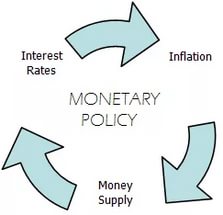 Today
every country has a Central Bank.It acts as a lender to commercial
banks and it acts as a banker to the government, taking
responsibility for the funding of the government's budget deficit and
the control of the money supply which includes currency outside the
banking system plus the sight deposits of the commercial banks
against which the private sector can write cheques. Thus, money
supply is partly a liability of the Central Bank (currency in private
circulation) and partly a liability of commercial banks (chequing
accounts of
the general public).
The Central Bank controls the quantity of currency in private circulation and the one held by the banks through purchases and sales of government securities. In addition, the Central Bank can impose reserve requirements on commercial banks, that is, it can impose the minimum ratio of cash reserves to deposits that banks must hold. The Central Bank also sets discount rate which is the interest rate commercial banks have to pay when they want to borrow money. Having set the discount rate, the Central Bank controls the money market.
Thus, the Central Bank is responsible for the government's monetary policy. Monetary policy is the control by the government of a country's currency and its system for lending and borrowing money through money supply in order to control the level of spending in the economy.
The demand for money is a demand for real money, that is, nominal money deflated by the price level to undertake a given quantity of transactions. Hence, when the price level doubles, other things equal, we expect the demand for nominal balances to double, leaving the demand for real money balances unaltered. People want money because of its purchasing power in terms of the goods it will buy.
The quantity of real balances demanded falls as the interest rate rises. On the other hand, when interest-bearing assets are risky, people prefer to hold some of the safe asset, money. When there is no immediate need to make transactions, this leads to a demand for holding interest-bearing time deposits rather than non-interest-bearing sight deposits. The demand for time deposits will be larger with an increase in the total wealth to be invested.
Interest rates are a tool to regulate the market for bonds. Being sold and purchased by the Central Bank, bonds depend on the latter for their supply and price.
There also exists a close relationship between interest rates and incomes. With a given money supply, higher income must be accompanied by higher interest rates to keep money demand unchanged.
A given income level can be maintained by an easy monetary policy and a tight fiscal policy or by the converse.
Vocabulary:
responsibility - ответсвенность - жауапкершілік
to take a responsibility for smith - взять на себя ответственность - өз мойнына жауапкершілік алу
budget deficit - бюджетный дефицит - бюджет тапшылығы
money supply - денежная масса в обращении - айналыстағы ақша
circulation - обращение - емдеу
in addition - вдобавок - қосымша
ratio - отношение - көзқарас
interest rate - процентная ставка - пайыздық мөлшерлеме
monetary policy - денежно-кредитная - ақшалай несие
policy - политика - саясат
easy policy - мягкая политика - жұмсақ саясат
tightpolicy - жесткая политика - қатаң саясат
toadoptapolicy - принимать политику - cаясатты қабылдау
to implement/to pursue a policy - проводить/осуществлять политику - жүзеге асыру / жұмсау саясат
hence - следовательно - сондықтан
ontheonehand - с одной стороны - бір жағынан
ontheotherhand -с другой стороны - басқа жағынан
wealth - богатство - байлық
permanent - постоянный -тұрақты
Замените выделенные слова в скобках английскими эквивалентами
1. The government increased the to maintain aggregate demand at full employment level.
2. The Bank of England issuing new bonds to replace the old ones.
3. Money consists mainly of two things: currency and chequing accounts.
4. In industry , most of the new technology by the less developed countries is taken from the developed countries.
5. High in an economy may be expected to lower aggregate investment.
6. The European Parliament officer demanded rules of distributing contracts in the future.
7. Governments, due to inappropriate , frequently excessive inflation
8. .... is believed to result in more rapid inflation, while helps an economy into the one having slower inflation.
9. Having raised the , the Central Bank made commercial banks reduce their lending to build up reserves.
Из приведенных ниже слов образуйте синомимические и антонимические пары.
Берілген сөздердің синонимдік және антонимдік жұбын жазу
long-term, to change, in addition, to lend out, mostly, within, hence, thus, in this way, to result in, outside, the latter, easy, permanent, to implement, constant, besides, tight, to alter, temporary, mainly, to result from, therefore, the former, to borrow, to pursue, to give rise to.
Lesson 15
Market and Command Economies
Economics is a science that analyzes what, how, and for whom society produces. The central economic problem is to reconcile the conflict between people's unlimited demands with society's ability to produce goods and services.
In industrial Western countries markets are to allocate resources. The market is the process by which production and consumption are coordinated through prices.
 In
a command economy, a central planning office makes decisions on what,
how, and for whom to produce. Economy cannot rely entirely on lies
the mixed economy where market and government are both of importance.
command, but there was extensive planning in many Soviet bloc
countries.
A free market economy has no government intervention. Resources are allocated entirely through markets.
Modern economies in the West are mixed and rely mainly on the market but with a large dose of government intervention. The optimal level of government intervention remains a problem which is of interest to economists.
The degree of government restrictions differs greatly between countries that have command economies and countries that have free market economies. In the former, resources are allocated by central government planning. In the latter, there is not any government regulation of the consumption, production, and exchange of goods. Between the two main types
Economics - экономическая наука - экономика
Economist - экономист - экономист
Economize - экономить - үнемдеу
Command - нерыночная экономика - нарықтық емес экономика
Freemarket - свободная рыночная экономика - еркін нарықтық экономика
Mixedeconomy - смешанная экономика - аралас экономика
Society - общество - қоғам
Produce - производить - өндіру
Service - услуга - қызмет
Allocate - размещать - орнықтыру
Consumption - потребление - тұтыну
Price - цена - баға
at high/low prices - по высоким/низким ценам - жоғары / төмен бағалар
Plan - планировать - жоспар
Planning - планирование - жоспарлау
Decision - решение - шешім
Entirely - полностью - толық
Government - правительство - үкімет
Restriction - ограничение - шектеу
Regulation - регулирование - реттеу
Governmentregulation -государственное регулирование - мемлекеттік реттеу
Переведите следующие предложения на русский язык
Төмендегі сөйлемдерді аударыңыздар
1. We translated this text at the last lesson.
2. Are you translating a text?
3. What were you doing when they came? - We were translating an exercise.
4. Has he translated this article? - No, he hasn't.
5. He will translate the article in a week, I think.
6. We often translated from English into Russian at school.
7. This article has already been translated.
8. A new book will be translated by him next year.
9.This
book was translated into Russian last year.
10. A lot of books
are translated from English into Russian every year.
11. The fax is being translated now.
Переведите на русский язык следующие словосочетания
Келесі сөз тіркестерін қазақ тілінде аударыңыз.
Lecture hall, school year, university laboratories, command economy, market economy, government intervention, land resources, government restrictions, Soviet bloc countries
Определите по суффиксам, к какой части речи относятся следующие слова. Мына сөздер қай сөз табына жатады?
Economist, production, productivity, highly, mechanism, worker, limitless, manager, consumption, entirely, restriction, government, technical, decision, priceless, extensive, mainly, population.
CONTROL QUESTIONS
What is your first name? What is your surname?
Is your family large? How many are you in the family?
Have you got any brothers or sisters?
How old are you?
Where is your school situated?
Is your school rather big?
How many floors are there?
When were you born?
Where were you born?
How old are you?
Do you celebrate your birthday?
When was Atyrau polytechnic college?
How many departments does the college?
Are there any libraries at the departments?
What foreign languages are compulsory at the college?
Do you live in a house or in a block of flats?
Did the majority of people leave their country to spend holidays twenty years ago?
Can we book a holiday to a seaside resort on the other side of the world today?
Is it possible to book a holiday to a seaside resort on the other side of the world from home?
What means of travelling do you know?
What countries depend mainly on tourism?
Why does tourism prosper?
Where do people like going on vacation?
What is the most interesting means of travelling for you? Why?
Why do most travelers carry a camera with them?
What does travelling give us?
How does travelling on business help you?
What are the means of travelling?
Who discovered America?
Do you like travelling?
Who discovered the British Isles?
Do you want to visit London?
What places of interest do you know in London?
What kind of travelling do you prefer?
Do you know the names of famous travelers?
What kind of transport can people travel by?
What is your favorite way of travelling?
When should people get up and go to bed?
How many times a day should people clean their teeth?
What should people do before eating?
What healthy food should people eat?
Whom should people consult to prevent an illness?
What should people do if they have a cold?
What should people do if they have a toothache?
What should people do if they can’t sleep?
Do you do your morning exercises every day?
How do children and grown-ups take care of their health?
Are a lot of different competitions held at schools?
Do you go in for sports?
Are there any popular kinds of sports in our country? What are they?
What is your favourite sport?
Where do you prefer to rest?
Do your friends go in for sports?
Do you like winter or summer sports?
Where is Kazakhstan situated?
What is the territory of the country?
What countries does it border?
Describe the climate of Kazakhstan?
What is the greatest treasure of Kazakhstan?
Have you seen a leopard?
Have you seen a falcon?
Have you seen a koulan?
What are the typical Kazakhstan animals?
Do you know any of them?
What animals do you have in your village/town/city/region?
Have you ever heard or seen blue spruces?
Have you ever seen or heard about saxaul?
Have you ever heard about the British Council?
Is there such an organization in Kazakhstan?
What does it do in Kazakhstan?
Where is the office of the British Council located in Almaty?
Is it the only international organization in Kazakhstan?
Do you go to the British Council in Almaty?
Do you want to go there?
What oceans is Canada washed by?
What are the main islands of Canada?
What kind of landscape is there in the western territories?
What are the main mountains?
What are the biggest rivers and lakes in Canada?
Who is the head of the country?
Where is the government situated?
How many provinces are there in Canada?
What does Parliament of Canada consist of?
How many leading political parties are there in Canada nowadays?
Literature:
Английский язык для экономистов Москва, 2003
АхметоваС.Г.,ТұрсынбаеваЖ.Б.«Ағылшынша-қазақшасөздік». Алматы, 2004;
Интернет ресурстары
Кубарькова Г.Л., Тимощук В.А.«Сборник 1000 новых тем современного английского языка», Ростов-на-Дону, 2010
Рогова Г.В., Рожкова Ф.М. «Английский язык за два года» Учебник для10-11 кл. общеобразоват. учреждений. Просвещение, Москва, 2003;
Унгарбаева А.А.,Нупилова А.Б.«Ағылшын тілінің грамматикасы». Оқу құралы. Қарағанды, 2011 ж
Смакова К. Ким Е .«Шың кітап », Алматы 2008
МАЗМҰНЫ
Пәннің тақырыптық жоспары мен мазмұны
Глоссарий……………………………………………………….........................3-6
Lesson 1.Market and Command Economies…………………………………….6-7
Lesson 2.Demand and Supply…………………………………………………...8-9
Lesson 3.Theory of demand and supply……………………………………….10-11
Lesson 4.Accounting Information……………………………………………..12-14
Lesson 5.Money and its functions …………………………………………….15-17
Lesson 6.Inflation……………………………………………………………...18-20
Lesson 7.Factors of Production ……………………………………………….21-22
Lesson 8.Factors of Production Natural Resources and Land ………………...23-25
Lesson 9.Taxes and Public standing …………………………………………..26-27
Lesson10.Foreign trade ………………………………………………………..28
Lesson11.Introduction to Banking and Financial Markets ……………………29-30
Lesson12.Bookkeeping as Part of Accounting Cycle …………………………31-32
Lesson13.Forms of Business Ownership ……………………………………..33-34
Lesson14.Monetary system and monetary policies …………………………...35-36
Lesson15.Market and Command Economies …………………………………37-38
Control questions………………………………………………………………39-40
Literature……………………………………………………………………….41









 Бұл курс Қазақстан Республикасы Оқу-ағарту министрлігімен келісілген










