
 ЖИ көмекші


 Қауіпсіз төлем

жүктеу мүмкіндігіне ие боласыз
Бұл материал сайт қолданушысы жариялаған. Материалдың ішінде жазылған барлық ақпаратқа жауапкершілікті жариялаған қолданушы жауап береді. Ұстаз тілегі тек ақпаратты таратуға қолдау көрсетеді. Егер материал сіздің авторлық құқығыңызды бұзған болса немесе басқа да себептермен сайттан өшіру керек деп ойласаңыз осында жазыңыз
 27 Желтоқсан 2019
 334

1 жыл бойы шексіз жүктеңіз
Отбасының жылуы
Chapter 1 - Matter
Task #1
1.A These pictures illustrate different states of matter. Fill in the blanks with right words.
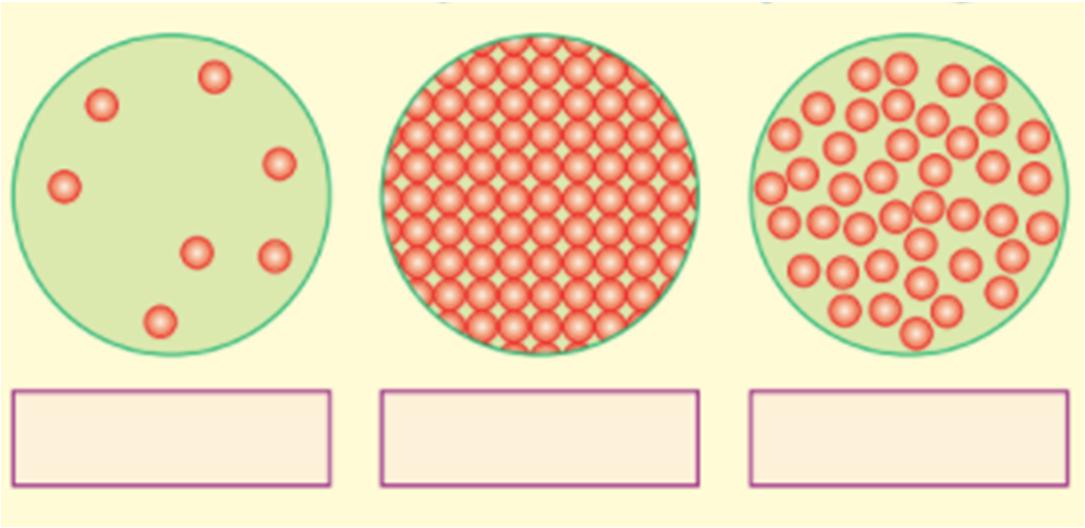
1.B. Sort all examples of matter according to their state.

Solid |
Liquid |
Gas |
|
|
|
|
|
|
Socks, Vapor, Ice, Air, Phone, Apple, Hair, Juice, Oxygen, Book, Scissors, Oil, Bread, Gasoline, Helium, Water

Task #2
Fill in the blanks. Write definitions and draw pictures for each term in your own words.
-

 Words
My definition
My picture

mass
volume
matter
liquid
solid
gas
shape
Review - Matter
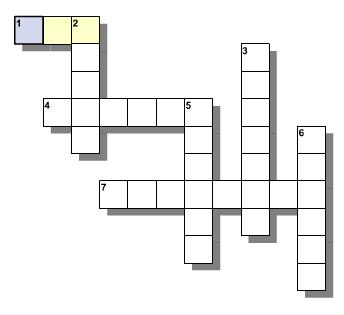
Crossword Hints
______________ state – заттың агрегаттық күйі, нақты пішін мен көлемі жоқ.
______________ state – заттың агрегаттық күйі, нақты пішін мен көлемі бар.
______________ - әлемді және оның қозғалысын зерттейтін ғылым.
______________ state – заттың агрегаттық күйі,нақты көлемі бар, бірақ пішіні жоқ.
______________ - дене массасының, дене көлеміне қатынасы.
______________ – материяның кеңістікте алатын орны.
______________ body – физикалық денелер.
Check your knowledge.
-
-
-
көрдім/
естідім
айта
аламын
мағынасын
айта
аламын
әріптеп
айта
аламын
сөйлемде қолдана
аламын
мүлдем
білмеймін
-
-


body
nature
mass
measurement
direction
volume
solid state
liquid state
gas state
shape


-
-
-
видел(-а) /
слышал(-а)
могу
проговор
ить
могу дать
определение
могу сказать
по буквам
могу
использовать в
предложении
не
знаю
-
-

b
ody
n
ature
mass
m
easurement
d
irection
v
olume
s
olid
state
l
iquid
state
g
as
state
s
hape
Chapter 2 - Motion
Task #1
1.A. Match the terms with illustrations.
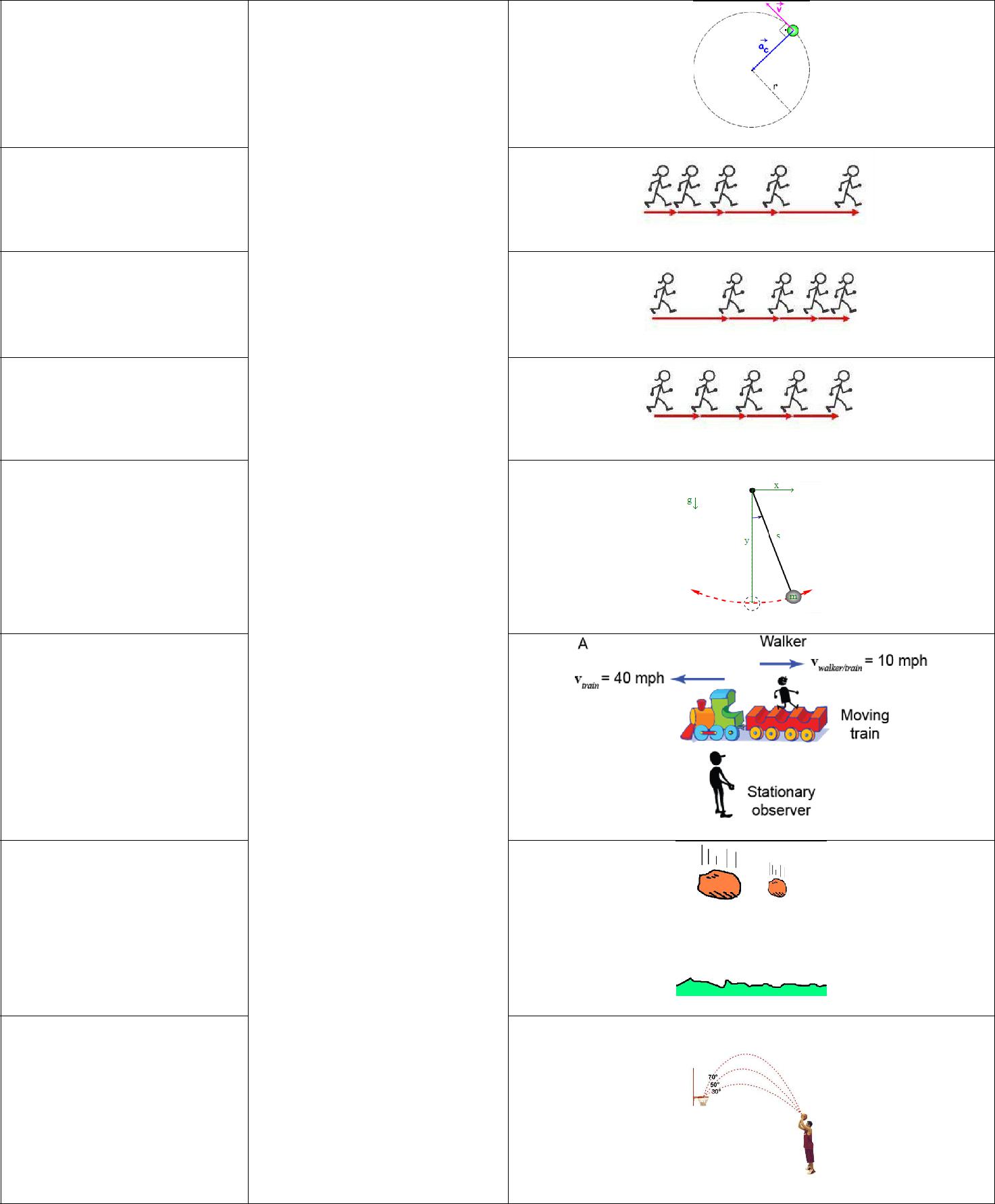
acceleration
relative motion
uniform motion
deceleration
circular motion
simple harmonic motion
projectile
motion
free fall
Task #2
Find the words
T E C S J J F E N C U C P N U Q N R S L B C K O T U A Y O G G Y E N R N O N L X G B J I B F G A M A P S A P U E F S T R A D O T E T P F D C K O A A E P F S H A C D E E P S N J R Y K I K N P Q A I Q H L R H E F D X T D T A W L N E D Y C L N L G P E W H R K P C E G S E E L J V C V B D G G S R V Q C M W U C R C S Q Q P C I E C C I Q P K E O K F C F N U D A A T W M E A V E L O C I T Y U S H G W T S M U H S D M L T V G E A V M E U A W E N V C D G B M
ACCELERATION
DECREASE
CONSTANT
DISPLACEMENT
DISTANCE
GRAPH
INCREASE
TIME
SPEED
VELOCITY
Review - Motion
1. What does SI stand for?
Answer:________________________
2.What is unit of length?
kg
second
metre
newton
degree
3.Give examples for Vector and Scalar physical quantities
Answer:____________________________ ___
4.The change in the position of an object is called the ____________
which is also a vector quantity.
5.Add a missing quantity to the formula
_
Average Velocity =

6.The area under the velocity-time graph, which gives the displacement
A. Displacement
Time
Velocity
Distance
Acceleration
7.______________can be analysed in the x and y directions separately. What word is missing?
8.All motion is considered relative to a chosen frame of reference (or state of motion of an object). Translate the underlined word into Russian and Kazakh __________________
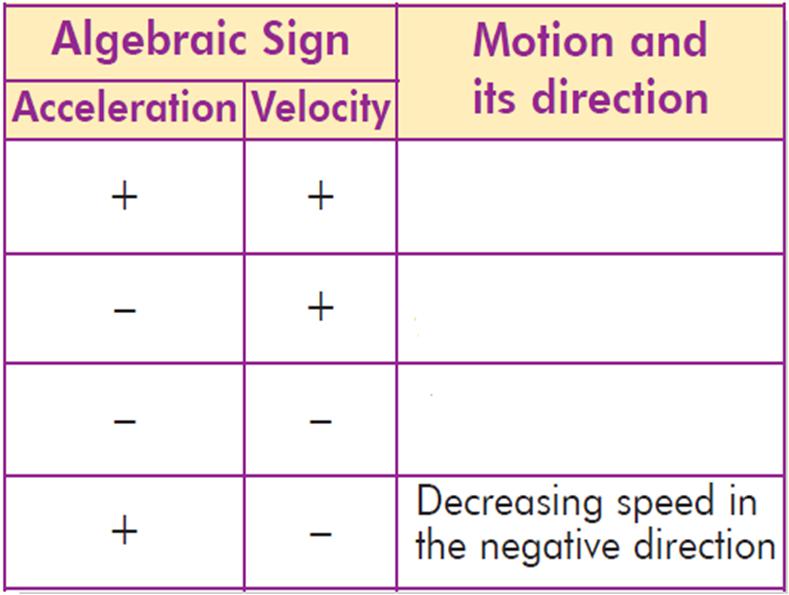
9.Fill in the table following the example
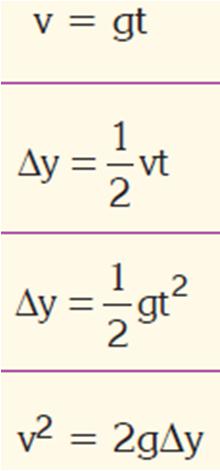
10.What type of motion do these formulas describe?
Answer:_____________________
Chapter 3 - Force
Task #1
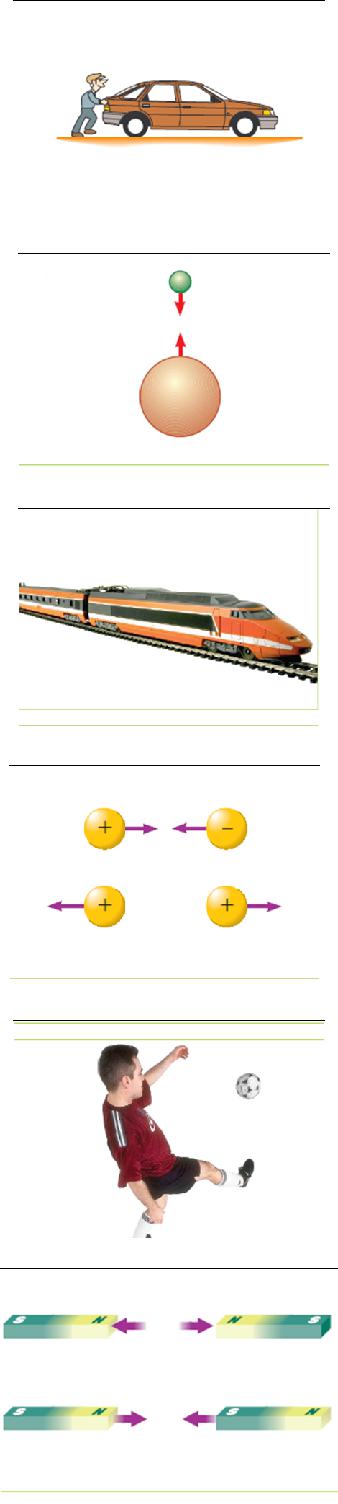
Fill in the blanks. Determine type of force and name the action on the picture.
Name the action |
Contact |
Field |
Pictures |
|
Force |
Force |
|
||
|
|
|
||
|
|
|
|
|
|
|
|
|
|
|
|
|
|
|
|
|
|
|
|
|
|
|
|
|
|
|
|
|
|
|
|
|
|
|
Evaluation: Excellent. You're right. Very close to the answer. You are a little confused. I agree with you. Very good. Great. Super
Task #2
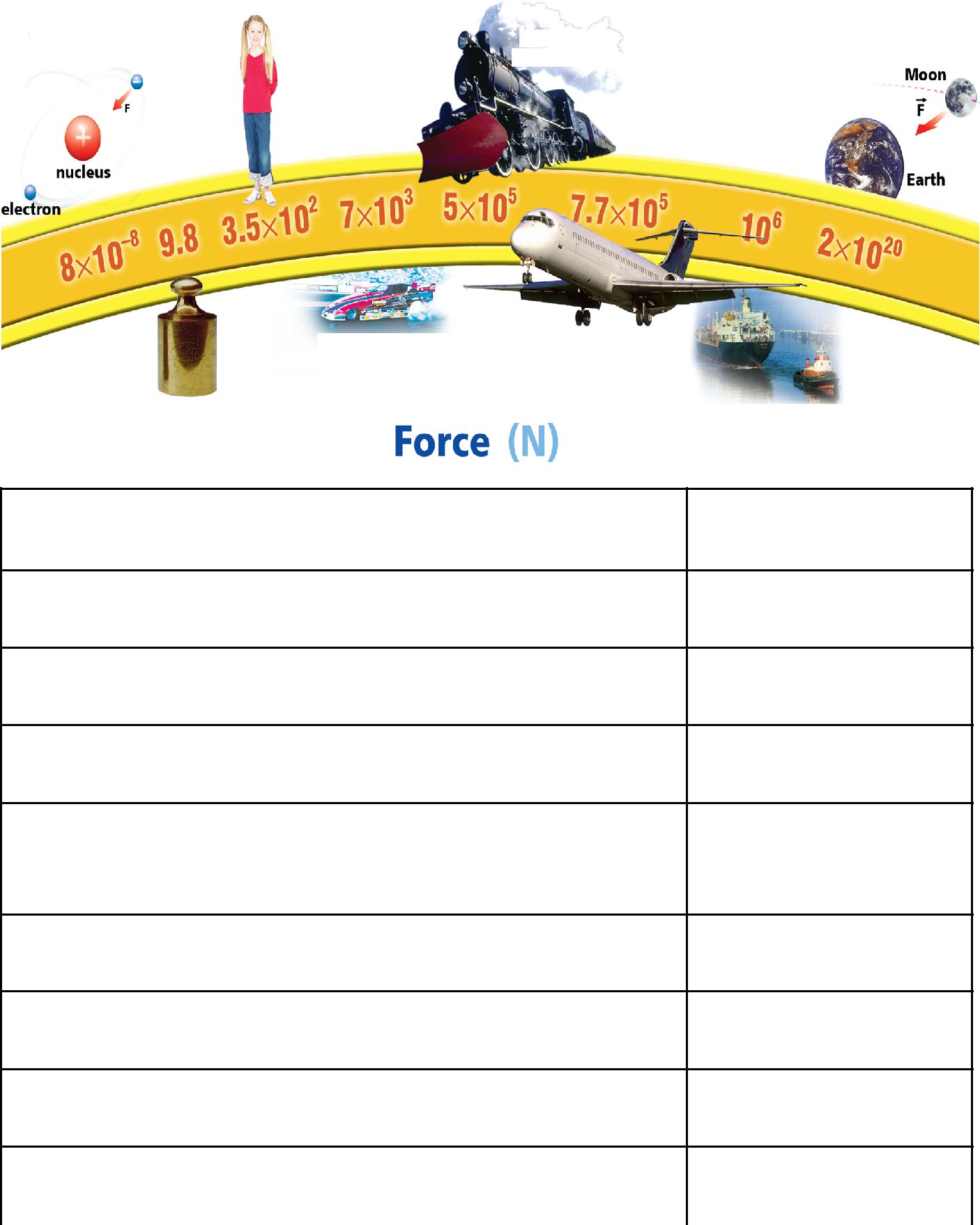
Fill in the table according to the picture
-
-
-
-
Description of force
amount in N
-
-
-
Force applied by a tugboat
Engine force of a car
Force applied by the engine of a train
Force between the nucleus and the electron of a
hydrogen atom
Force applied by the engine of an aeroplane
Gravitational force between the Earth and the Moon
Gravitational force acting on 1 kg-mass
Gravitational force acting on a child

Task #3
Work with text. Find translations of terminologies and answer the questions on next page.
W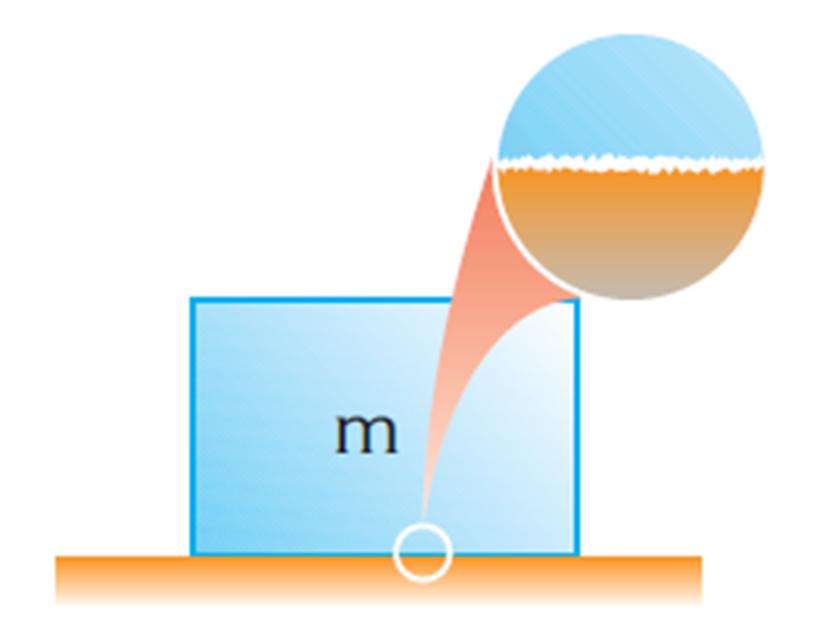 hat
Causes Friction?
In reality, there are no perfectly smooth surfaces as seen in Figure. All surfaces have irregularities. However, the friction does not arise from contact of irregularities on the surfaces. Experiments show that the real causes of friction are "the electrostatic forces" which occur between the molecules of the surfaces. The actual area of contact is proportional to the normal force. When the normal force is constant, actual area of contact is also constant. The actual contact area remains the same even when the apparent contact area is reduced because increased normal force per unit actual area brings more molecules closer to interact. That is to say, the number of molecules forming bonds between the surfaces in both cases of having small and large apparent contact area is the same. Consequently friction force is the same. As a block slides over a surface, the bonds between the surfaces form and break. Up to a certain extent, smoothing a surface removes the irregularities and decreases friction. However, it brings more molecules, capable of bonding, closer and in this way it actually increases friction. Friction force does not arise only from the mechanical interactions of irregular surfaces. It actually occurs due to the bonds formed between the molecules at high points on the surfaces.
Қазақша |
Русский |
English |
|
площадь |
|
материя |
|
|
|
|
surface |
|
гладкий, ровный |
|
дөрекі (кедір-бұдыр) |
|
|
|
|
electrostatic |
|
явный, видимый |
|
сыну, бұзу, үзу |
|
|
|
|
molecule |
|
связывать, склеивать |
|
Are there any objects with an absolutely smooth surface?
What force is the cause of friction?
What happens when the block slides over a surface?
By smoothing a surface of an object, do we reduce or increase the friction?
Evaluation:
0-11 correct translations - alright
12-15 correct translations - good
16-20 correct translations - great
Chapter 4 - Pressure
Task #1
Match the words and definitions.
1. pascal __ A. Force per unit area.
2. buoyancy __ B. The SI unit of pressure
3. pressure __ C. the ability to float
True/False questions
the distance from the top to the bottom → depth T/F
the buoyant force on an object is equal to the weight of the fluid displaced by the object → atmospheric pressure T/F
the pressure caused by the weight of the atmosphere → gas pressure T/F
1.Pressure 2.Liquid pressure 3.Piston 4.Gas pressure 5.Buoyancy 6.Water displaced 7.Pascal 8.Depth 9.Hydraulic lift 10.Atmospheric pressure 11.Аrchimedes principle 12.Object
-
-
a)
.........................
equals to 101325 Pa
b)
The unit of pressure is ……..…………..
c)
The .................
of the river is 3 meters.
d)
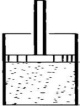
This is a .........................
e)
The .........................
under the piston is equal to 5000 Pa.
f)
The equation for
......................... is
-
density times gravitational acceleration times height
g) .......... – describes the ability to float.
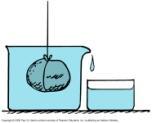
h) According to …...……………… .................. buoyant force equals
density times gravitational acceleration times height.
……………... is any matter.
.......... .….......... -
………… …............. is used to lift heavy weights using liquid pressure.
Task #3
Fill in the table using these words:
pressure, liquid pressure, piston, gas pressure, atmospheric pressure, archimedes principle, fluid, buoyancy, Pascal, depth, hydraulic lift
-
-
-

 Words
Meaning
-
-


F
 orce
per unit area.
density
* gravity * depth.
used
to compress a gas in a cylinder
the
pressure exerted by a gas
the
ability to float
The
SI unit of pressure
the
distance from the top to the bottom
a
large and a small chamber connected by a tube, filled with fluid, and
used to produce large forces
t
he
pressure caused by the weight of the atmosphere
t
he
buoyant force on an object is equal to the weight of the fluid
displaced by the object
A
substance that flows
the number of square units needed to cover a surface
Chapter 5 - Work, Energy, Power
Task #1
S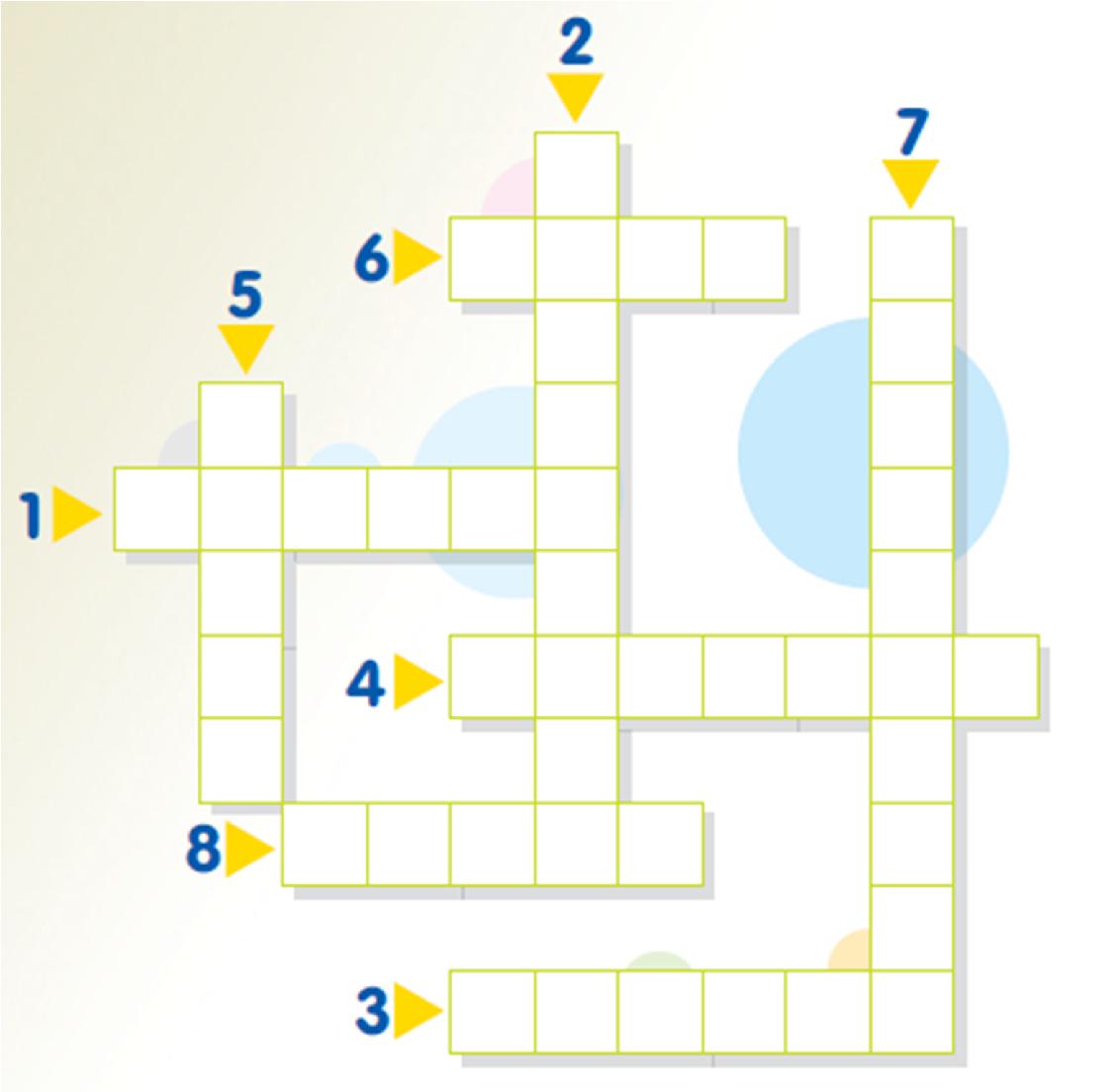 olve
the puzzle
Where there is work, there is ...............
A type of energy related
to an object's position.
The ability to do work.
A type of energy related
to an object's motion.
It is a measure of
how fast work
is done or the rate of converting
energy.
The product of the force applied
to an object and the distance
moved in the direction of the force.
The ratio of work output
to energy input.
A unit of energy.
Task #2
Each group solves one problem. One member of the group explains the solution to the next group. (Jigsaw method)
Group#1
A man carrying a load of 6 kg runs upstairs. If the work that the man does on the load is 300 J, find the height of the stairs
Group#2
The kinetic energy of a 100 g pencil falling vertically is 1.8 J at point x. What is the speed of this pencil at that point?
Group#3
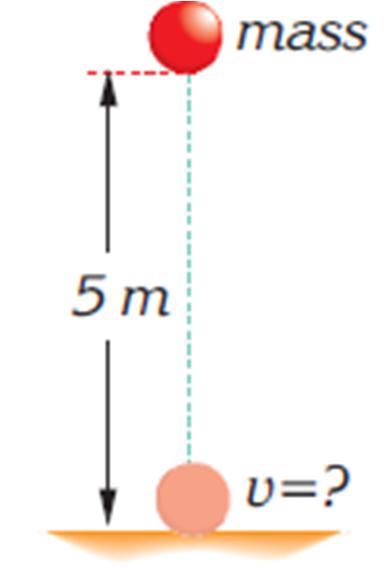
The object of mass m is released from a height of 5m as shown in the figure. What is the speed of the object just before is strikes the ground? (Hint: First find the potential energy of the mass at the beginning.)
Group#4
Missy Diwater, the former platform diver for the Ringling Brother's Circus, had a kinetic energy of 12 000 J just prior to hitting the bucket of water. If Missy's mass is 40 kg, then what is her speed?
Task #3
Fill in the blanks.
Physical quantities |
Abbreviation
|
Unit |
Tool |
Time |
|
|
|
|
|
kilogram |
|
|
V |
|
|
weight |
|
|
|
|
|
|
barometer |
|
|
meter |
|
|
|
|
ruler |
|
R |
|
|
temperature |
|
|
|
Review
Fill in the blanks with appropriate words
The work done when a force of 1 N acts over a distance of 1 m is
___________ or _________
Energy can be defined as the ____________ to do work
There are two main kinds of energy: _____________ and _____________
____________ energy is the energy of an object due to its position
The energy of an object due to its motion is called ___________ energy
When a pencil falls from a height its ___________ energy changes into
____________ energy
Chapter 6 - Heat and Temperature
Task #1
This is a group activity. Follow the teacher’s instructions.
№ |
Words: |
Definitions: |
|
|
|
1 |
|
|
|
|
|
2 |
|
|
|
|
|
3 |
|
|
|
|
|
4 |
|
|
|
|
|
5 |
|
|
|
|
|
6 |
|
|
|
|
|
7 |
|
|
|
|
|
8 |
|
|
|
|
|
9 |
|
|
|
|
|
10 |
|
|
|
|
|
|
|
|
Task #2
Write the words that fit the definitions
1. The temperature at which a liquid changes to a gas ________________________________
vapor that still can condense ______________________________________
a temperature of 0 kelvins __________________________________________
the transfer of energy in the form of electromagnetic waves
__________________________
the temperature at which the water vapor in the air becomes saturated and condensation begins __________________________________
Task #3
True/False questions
The temperature at which a solid becomes a liquid → melting point
(chemistry) a change directly from the solid to the gaseous state without becoming liquid → evaporation
the energy needed to change a unit mass from the liquid to the vapour phase at constant temperature → specific latent heat of
fusion
4. the change of state from a gas directly to a solid → evaporation
Review Heat and Temperature
What types of heat transfers are illustrated?
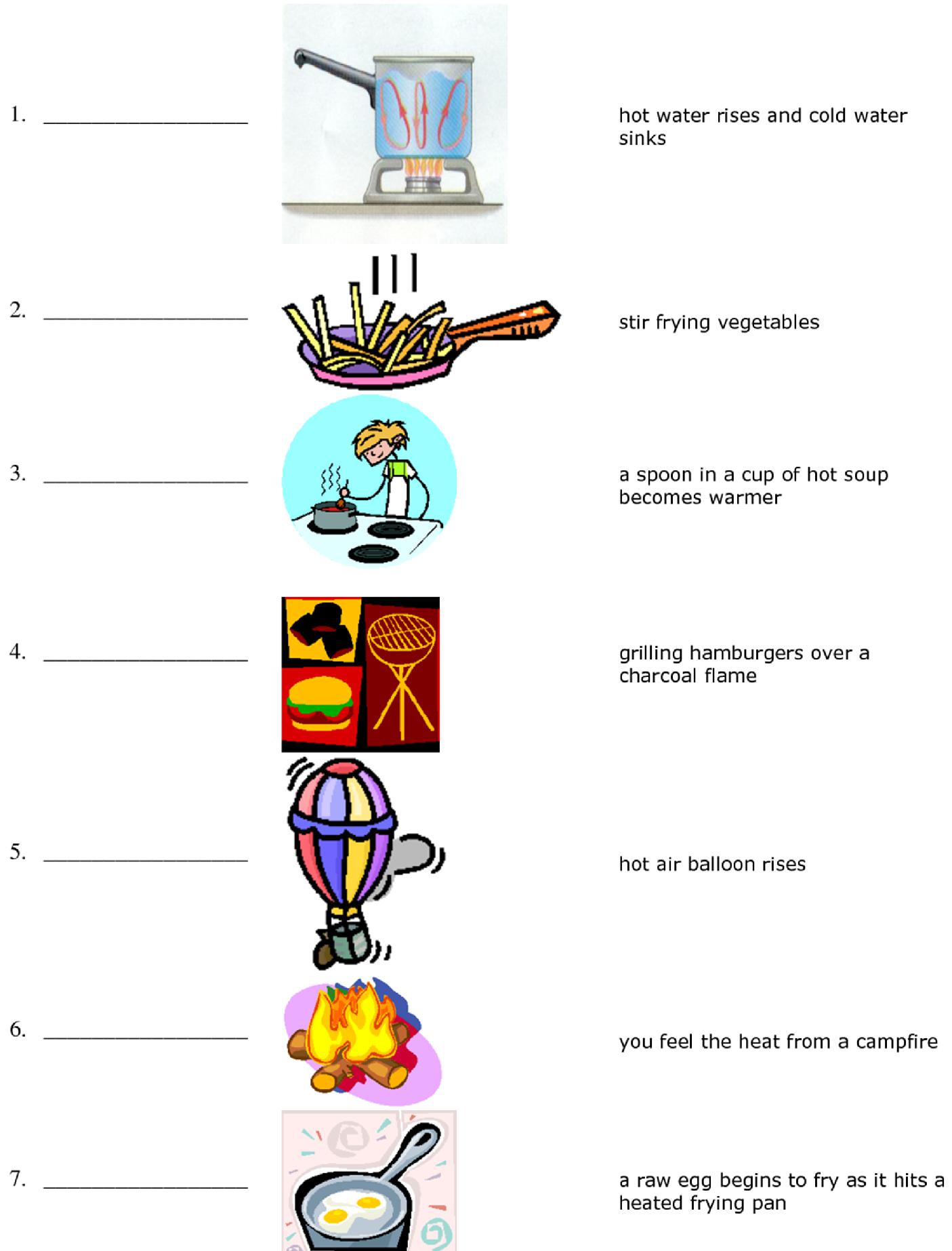
Chapter 7 - Thermodynamics
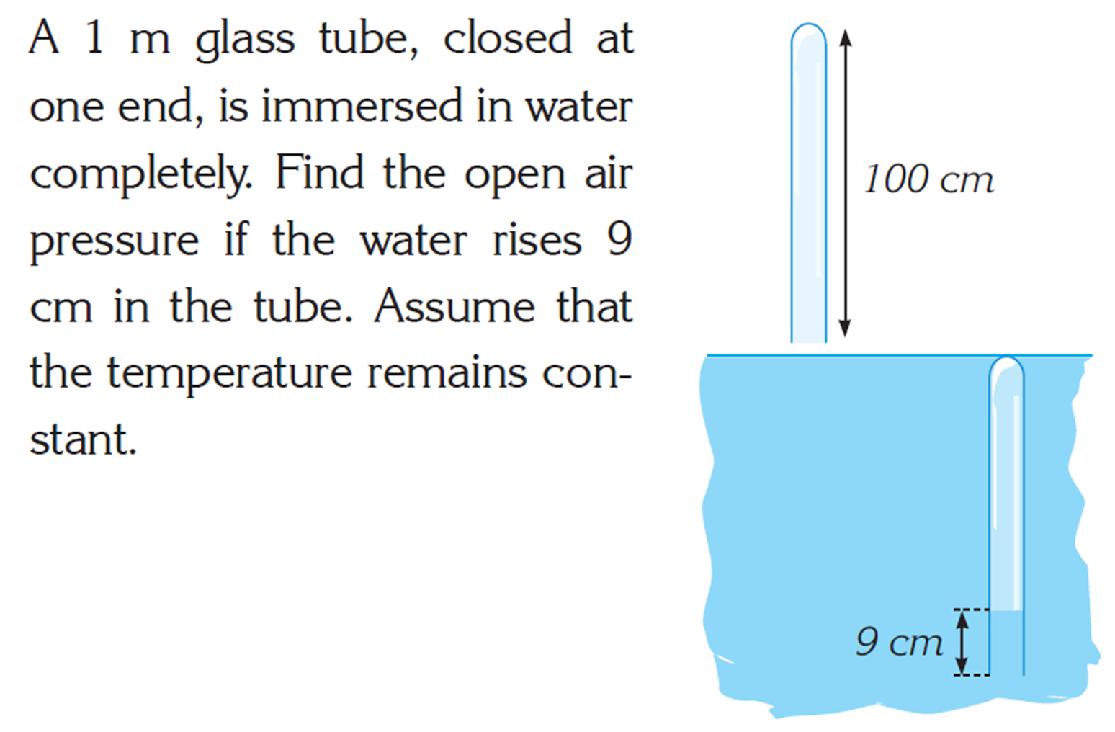
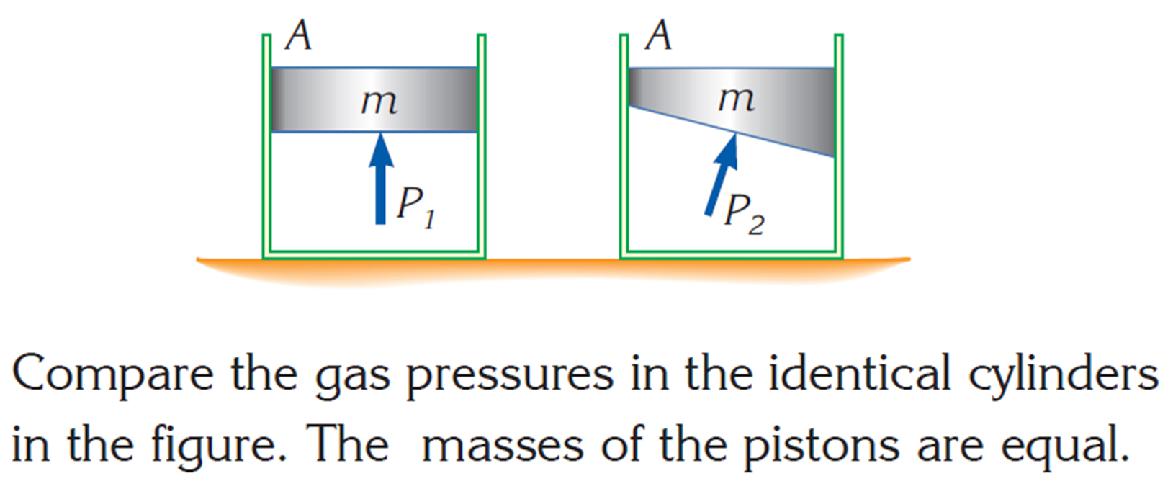
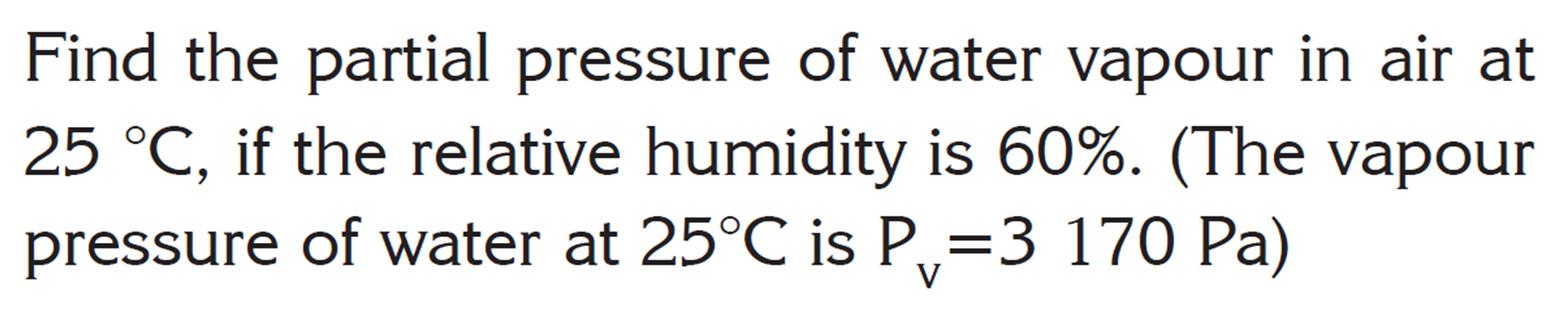
Try to solve and explain to your partner in English
Task #1

Task #2
Task #3
Task #4
Chapter 8 – Electricity Task #1
Watch the video, and fill in the blanks according to video.
https://www.youtube.com/watch?v=KSirdRnje_E
atom, attract, charge, cloth, conductor, current, electrons, friction, insulation, negative, ohmmeter, plastic rod, positive, protons, repel, rubber, rubbing, spark, static
Lightning is a dramatic natural force. But what causes it? On a smaller scale, a ……….
can be produced in the lab. Sparks and lightning are both the flow of …….. . In each case
the charge is built up by ……... . Some objects can become charged simply by ……..
them. The charge on this ………. is too small to form a spark, but big enough to ……...
pieces of paper, and big enough to influence the path of this stream of water. To find out why the rod becomes charged you have to think about what’s happening to the atoms it’s made up of. Atoms contain ……….. charges called ……... and ………….. charges called electrons. Normally the number of protons and electrons is the same so the has no overall charge. It’s neutral. Friction between the ………... and rod changes this balance. In this case the cloth rubs ………….. off the atoms in the rod so the rod becomes positively charged. A Van de Graaff generator produces enough charge to generate a spark. Take a look inside and you can see a motorized …………. belt. It passes around a perspex roller at the bottom and at the top. As the belt rubs against the roller it acts like the cloth on the plastic rod. It rubs off electrons leaving the rod positive, while the belt becomes negative. The electrons are collected by a spring and transferred to the metal dome. Because it has nowhere else to go the charge builds up. It can’t move from the dome so it’s called static charge. Place a ………... near it, like this small metal sphere and the charge can move. It leaps across producing a spark. Charge builds up on anything in contact with the dome. Each fibre of Lindsey’s hair becomes negatively charged. Like charges ………... so they move as far away as possible from each other. But for this to work the charge needs to be ………... It mustn’t leak away. Standing on polystyrene blocks acts as good ……….... What would happen if Lindsey stepped down onto the floor? Connecting a wire to the dome provides a path for the charge to flow along. It travels through an ……….. which is connected to the base of the generator to complete a circuit. The ohmmeter registers a flow of current. Electricity is simply a flow of negative charge. Static electricity becomes a flow of electricity as soon as it’s able to move. A fluorescent tube held next to the charged dome flickers as ……..flows.
Task #2
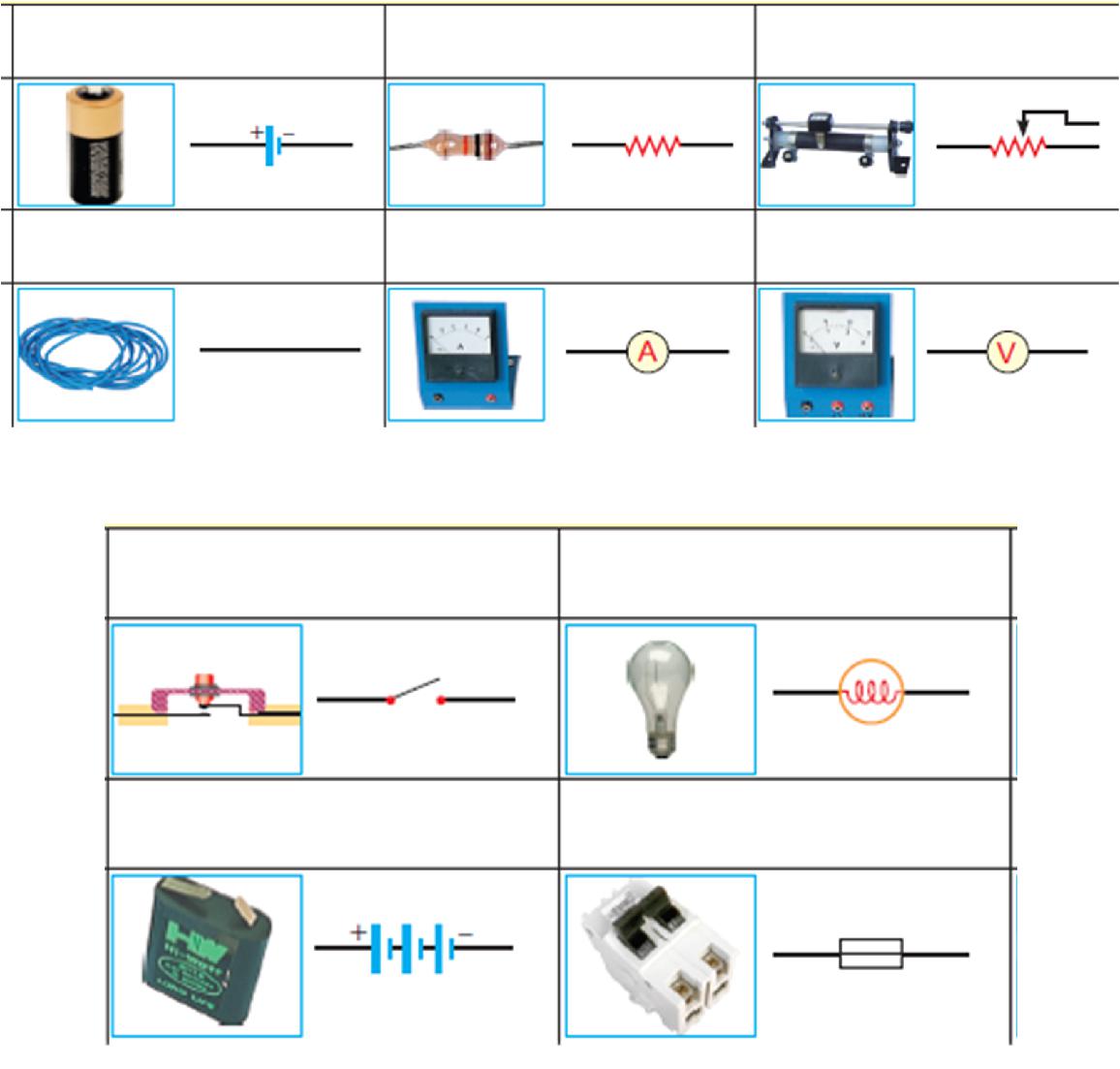
Write down the names of these devices
Task #3
W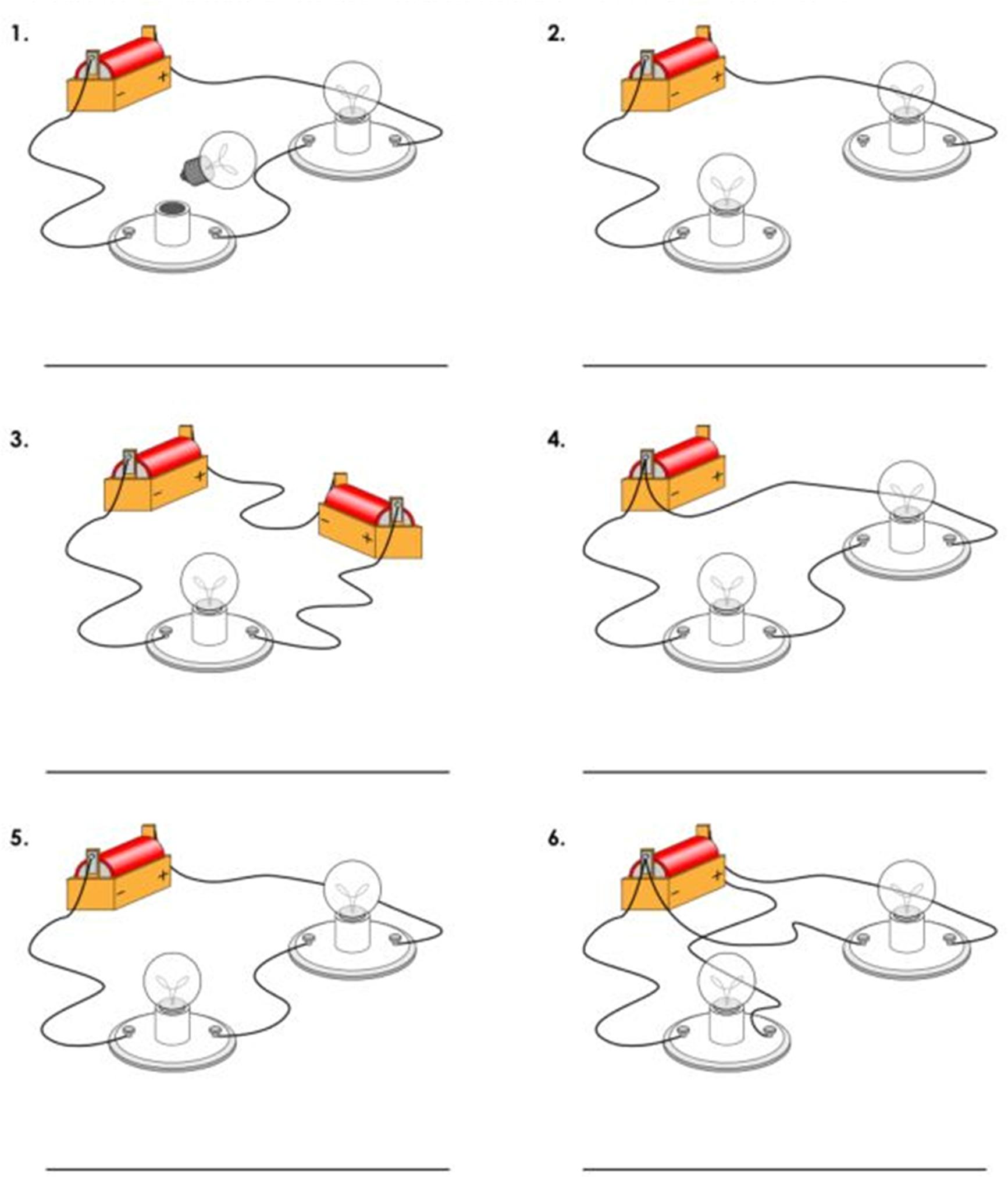 rite
down whether the bulbs Will
light/Will not light
Review - Electricity
Matching.
Substitute the right words for the parts of the lamp
W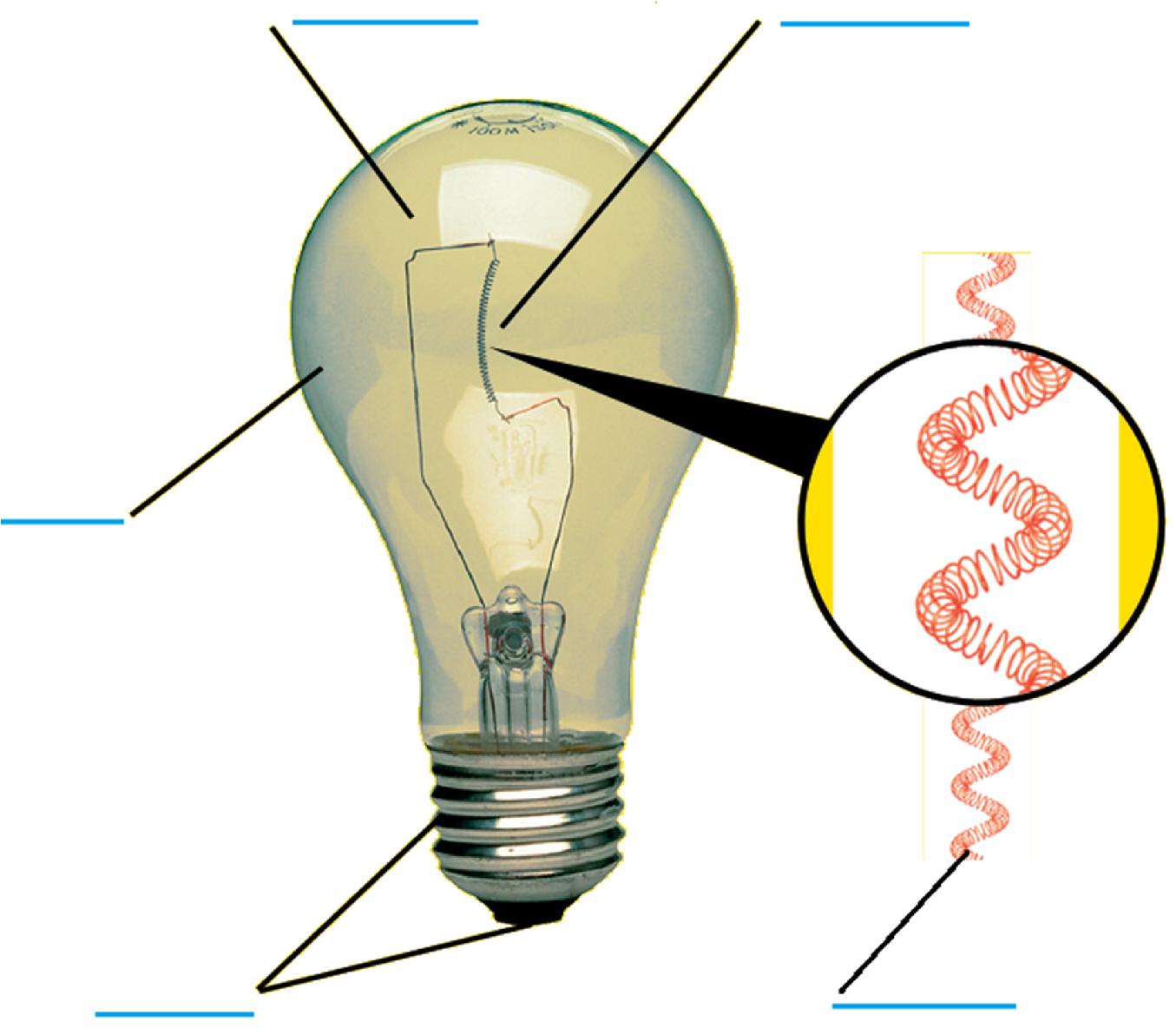 ords:
argon
gas (inside), filament, glass bulb, coil of tungsten wire,contacts
Puzzle.
The coiled wire inside a lamp
A wire carrying high voltage
electricity
An effect of electricity
A circuit element used to protect circuits
from excessive current
One of the colours of the mains
electricity wires
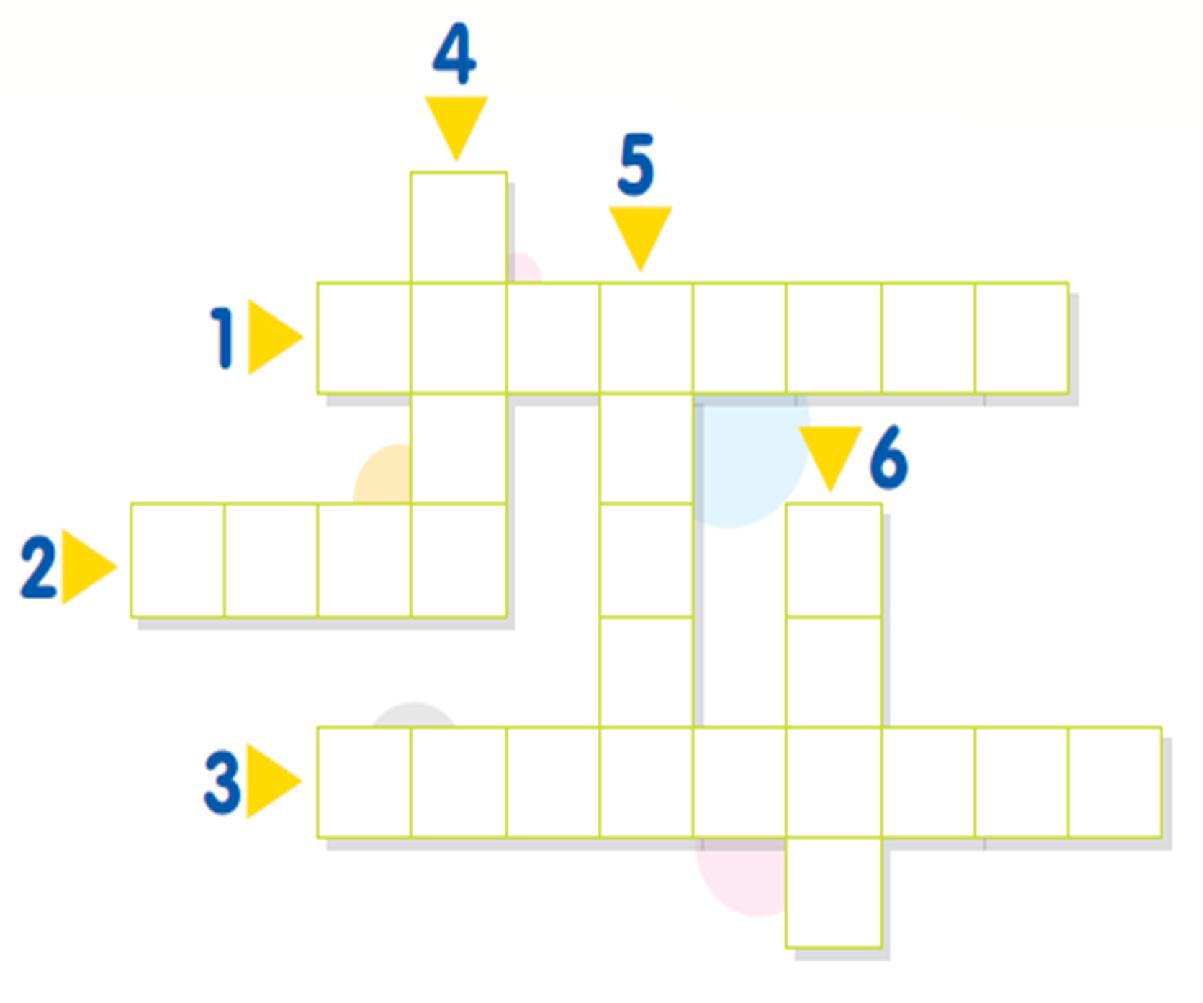
The unit of power
Chapter 9 - Magnetism
Task #1
Fill in the boxes correctly. Then using the letters in the grid fill in the corresponding coloured boxes below the puzzle. You will find the name of an animal which uses Earth’s magnetism to navigate.
The region of a magnet where the force of attraction is greatest
The attraction property of magnets.
A method of suspending objects in air.
A region of the Earth’s magnetic field.
An instrument indicating direction.
Unlike poles ... each other.
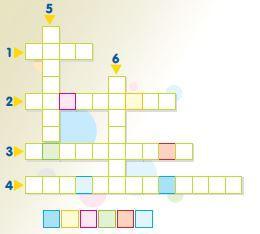
Task #2
What is the magnetic field strength at a distance of 0.05 m from a long, straight wire carrying a current of 5 A?
Task #3
. The magnetic field at the center of a circular loop of 50 turns of wire carrying a current of 2 A is 6 x10⁻⁴ T. What is the radius of the loop?
Task #4
A solenoid of length 20 cm consists of 1000 turns of wire, as shown in the figure. If the solenoid carries a current of 0.1A, find the magnetic field inside the solenoid.
Task #5
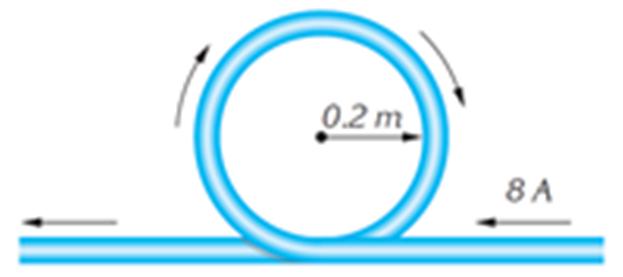
A conductor carrying a current of 8 A consists of a circular loop of radius 0.2 m and two straight, long sections. Determine the direction and magnitude of the magnetic field at the center of the loop.
Review
I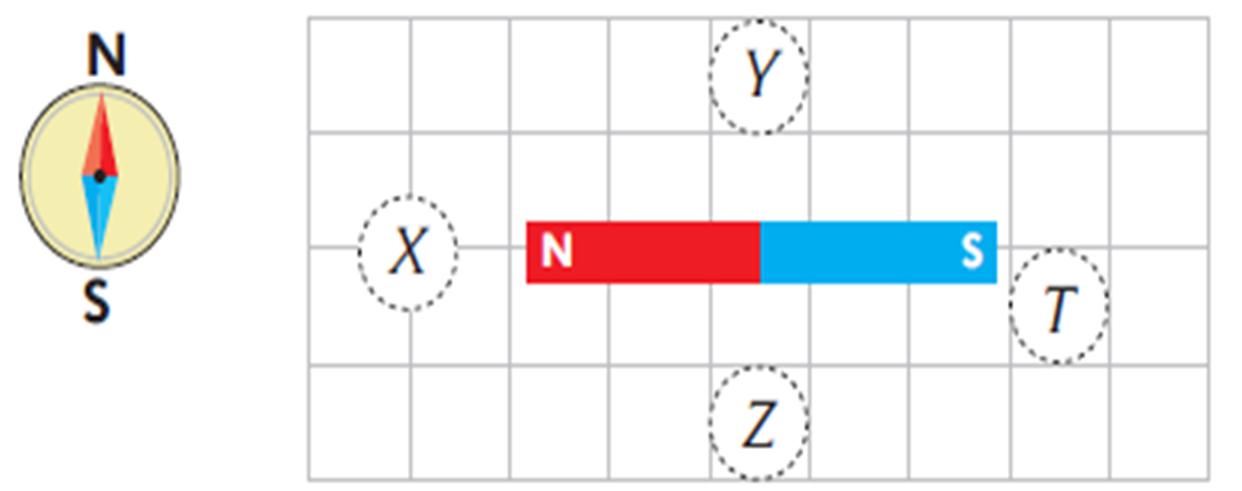 f
we put compass at points X,Y,Z,T, what will the orientation of
compass be?
U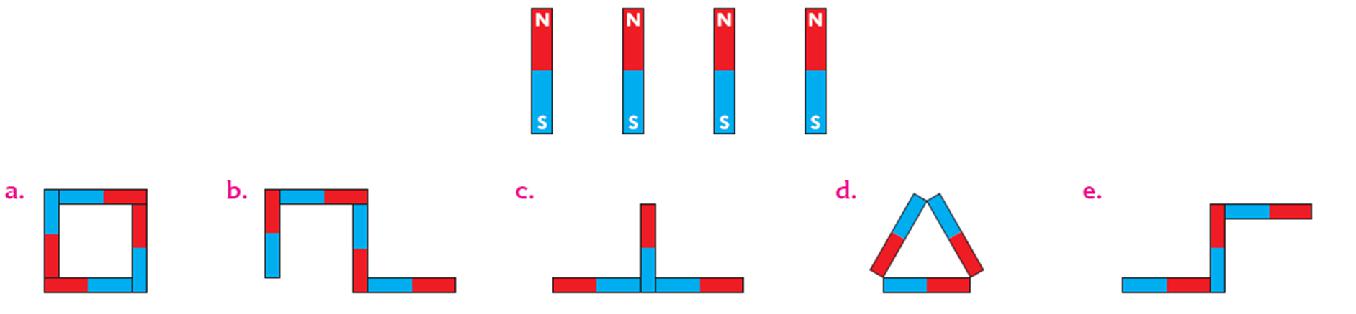 sing
these magnets, which of the figures can not be obtained?
C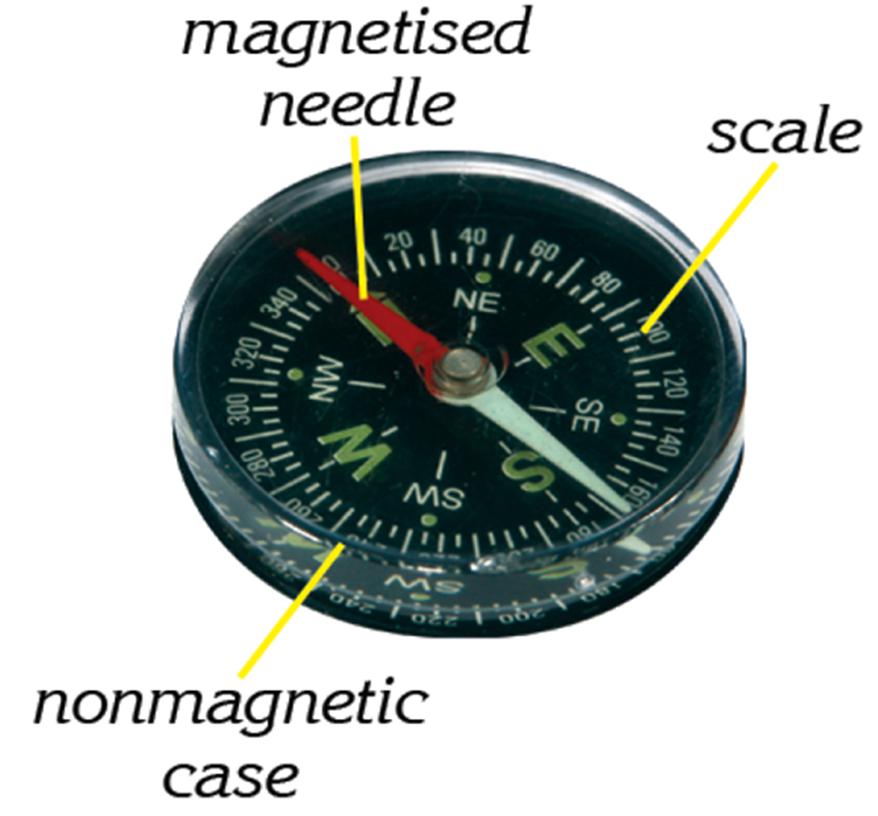 lassic
Compass:
Chapter 10 – Optics Task #1
1.A Fill in the gaps with the proper term related to optics.
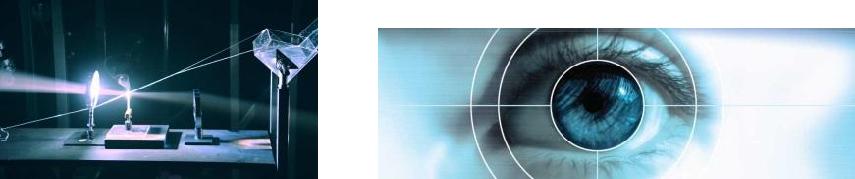
1. |
O . . . . |
. |
|
|
2. |
S . . . . |
. |
3. P . . . . |
|
4. |
S . . . . |
e |
. . . . . . 5. C . . . . . . |
m . . . . . |
6. |
D . . . . |
. . |
r . . . . . . . . . |
|
7. |
V . . . . |
. . |
|
|
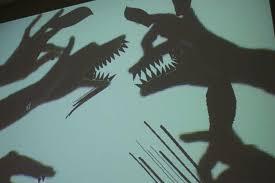
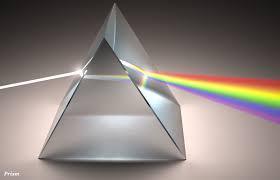
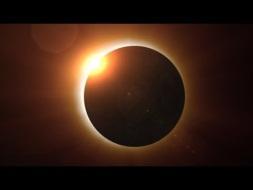
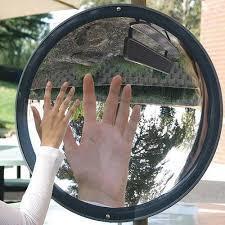
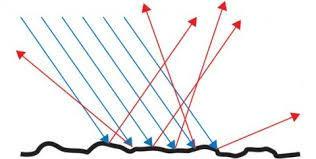
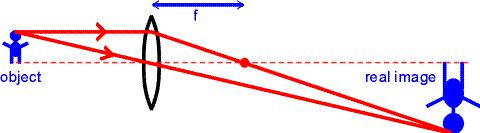
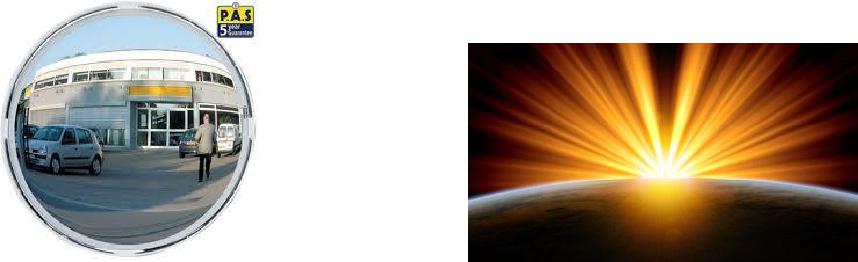
8. C . . . . . m . . . . . 9. L . . . .
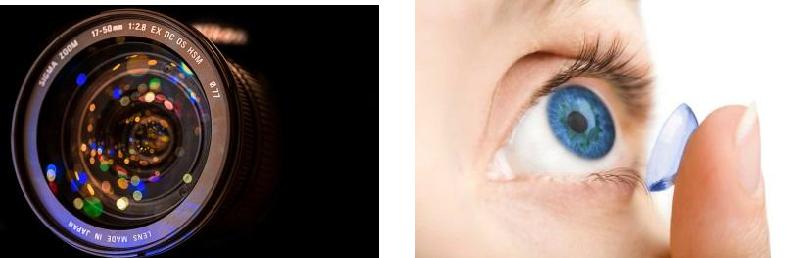
10. L . . .
Task #2
Fill in the gaps with the proper term related to optics.
R |
B |
O |
L |
F |
S |
F |
K |
A |
R |
B |
M |
U |
N |
E |
P |
R |
B |
J |
O |
I |
P |
L |
U |
M |
I |
N |
O |
U |
S |
T |
Y |
T |
U |
M |
S |
I |
R |
P |
H |
O |
U |
D |
L |
D |
F |
D |
G |
W |
G |
O |
U |
F |
E |
D |
Z |
G |
R |
E |
A |
L |
G |
F |
T |
O |
O |
F |
T |
I |
N |
D |
Y |
J |
S |
J |
E |
O |
D |
N |
A |
D |
E |
D |
L |
R |
E |
L |
E |
Z |
B |
U |
L |
J |
E |
S |
O |
A |
Y |
C |
O |
N |
C |
A |
V |
E |
V |
B |
F |
O |
C |
U |
S |
H |
L |
G |
U |
H |
K |
U |
P |
N |
J |
D |
I |
V |
U |
H |
H |
S |
C |
N |
T |
V |
S |
T |
I |
T |
H |
C |
G |
M |
X |
K |
F |
K |
N |
S |
O |
L |
A |
R |
E |
C |
L |
I |
P |
S |
E |
L |
D |
G |
H |
J |
I |
K |
Q |
I |
C |
I |
O |
P |
K |
J |
N |
G |
A |
N |
J |
E |
V |
S |
N |
V |
E |
D |
S |
V |
O |
Y |
B |
T |
E |
O |
E |
N |
G |
L |
I |
S |
R |
G |
R |
E |
P |
T |
G |
O |
P |
R |
E |
F |
R |
A |
C |
T |
I |
O |
N |
U |
T |
A |
E |
Y |
U |
U |
L |
D |
A |
N |
A |
M |
L |
T |
A |
P |
I |
I |
V |
R |
G |
E |
T |
O |
M |
I |
M |
T |
O |
K |
Z |
I |
C |
R |
O |
A |
N |
F |
A |
T |
I |
O |
N |
D |
I |
O |
P |
T |
R |
E |
L |
D |
E |
Optics
Solar eclipse
Concave
Virtual
Prism
Shadow
Real
Refraction
Penumbra
Dioptre
Focus
Luminous
Review
Puzzle
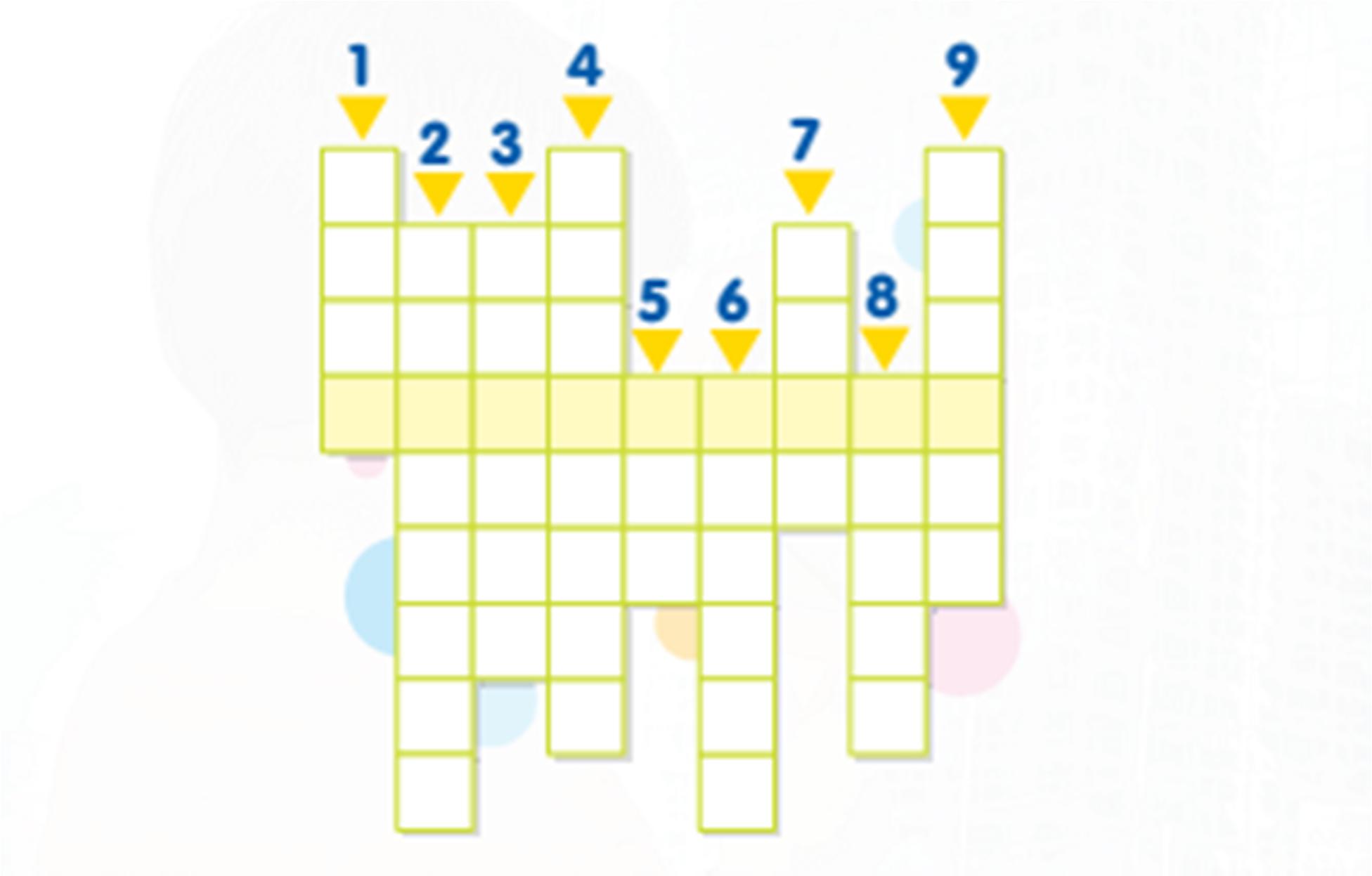
Fill in the boxes correctly. The coloured region will give you the name of the apparatus used in submarines to observe objects on the surface of the sea.
An electrical device producing light.
The name of a projector which has a plane mirror at the top.
A piece of glass which shows images.
The light falling upon a surface: ………. light.
The light and heat source of the Earth.
An artificial light source made of wax.
The giant sunlight reflector in the sky seen at night.
Flat mirror: ………. mirror.
A surface upon which the images fall.
Chapter 11 - Nuclear physics
Task #1
Match
definitions with right words.


nucleus
proton
half-life
isotope
nuclear binding energy
quantum
nuclear fission
nuclear fusion
time required for a quantity to reduce to
half its initial value.
energy required to separate an atomic nucleus completely into its constituent protons and neutrons
a central part about which other parts are grouped or gathered.
a discrete quantity of energy
proportional in magnitude to the frequency of the radiation it represents.
a positively charged elementary particle.
an atomic reaction in which multiple atoms combine to create a single, more massive atom
one of two or more atoms with the same atomic number that
contain different numbers of neutrons.
an atomic reaction in which nucleus of an atom splits into two or more smaller nuclei
Task #2
Fill in the gaps with following words
electrons protons nucleons reactions isotopes number element neutrons chemical
Atomic Number (Z) is the _________ of ___________ in the nucleus. It “defines” the element. The number of protons is always the same for a given ___________.
Atomic Number also designates the number of ___________ in an element. If an
element either gains or loses electrons, the resulting particle is called an ___. For
example, if a sodium atom (Na) loses an electron it becomes a sodium ion (Na+ .)
Mass Number (A) – is the total number of ______________. Isotopes form when the number of ______________ vary in the nucleus of a given element. Only 112 elements are known, but the total number of _________________ is about 2000. Some elements have several isotopes (like carbon – 12C, 13C, 14C). Isotopes of a single element have the ‘same’ ______________ properties (due to same number of electrons), but they have different masses (due to varying number of _______________.) Due to their various masses isotopes behave slightly different during _________________.
Task #3
Translate the following text
Fusion vs. Fission
On a kilogram for kilogram comparison, more energy comes from fusion than from fission. The fission of 1 kg of 235U provides energy equal to the burning of 2 million kg of coal. The fusion of 1 kg of deuterium releases energy equal to the burning of 40 million kg of coal.
Review
Solve these problems, explain solutions in english.
When a radioactive 230 90Th isotope undergoes α-decay, what is the resulting daughter nucleus?
11 24Na undergoes beta decay. What is the resulting daughter nucleus?
Chapter 12 - Astronomy
Task #1
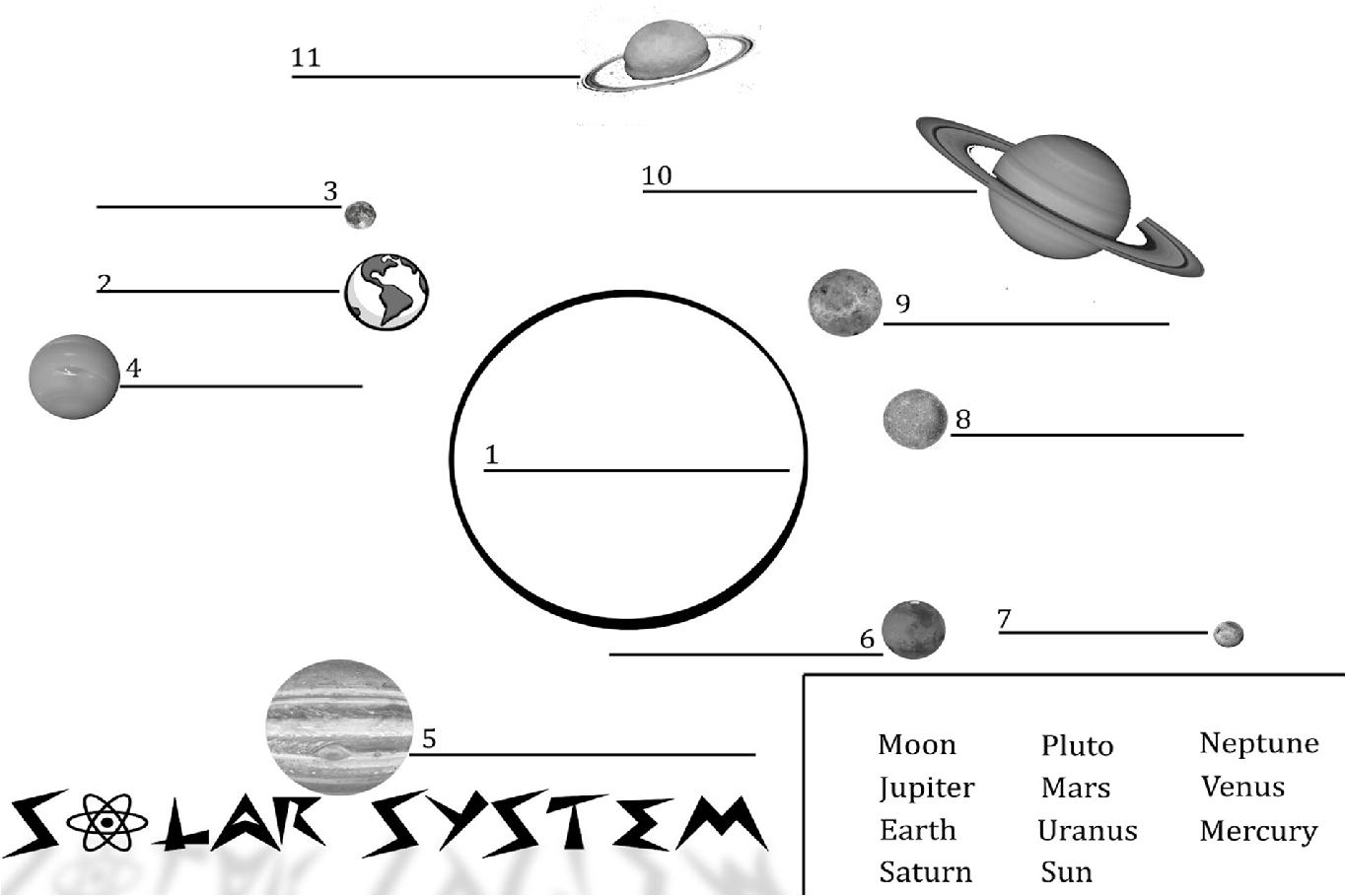
Fill in the names of the planets in our solar system.
Task #2
Fill in the gaps.
1.______________– the scientific study of the universe beyond Earth’s atmosphere
2.______________– everything, all energy, matter, and space
3.______________– one of 50 billion galaxies scattered throughout the universe
4.______________ – contains our sun and 9 planets
5.______________– supplies the energy for nearly all life on the planet earth
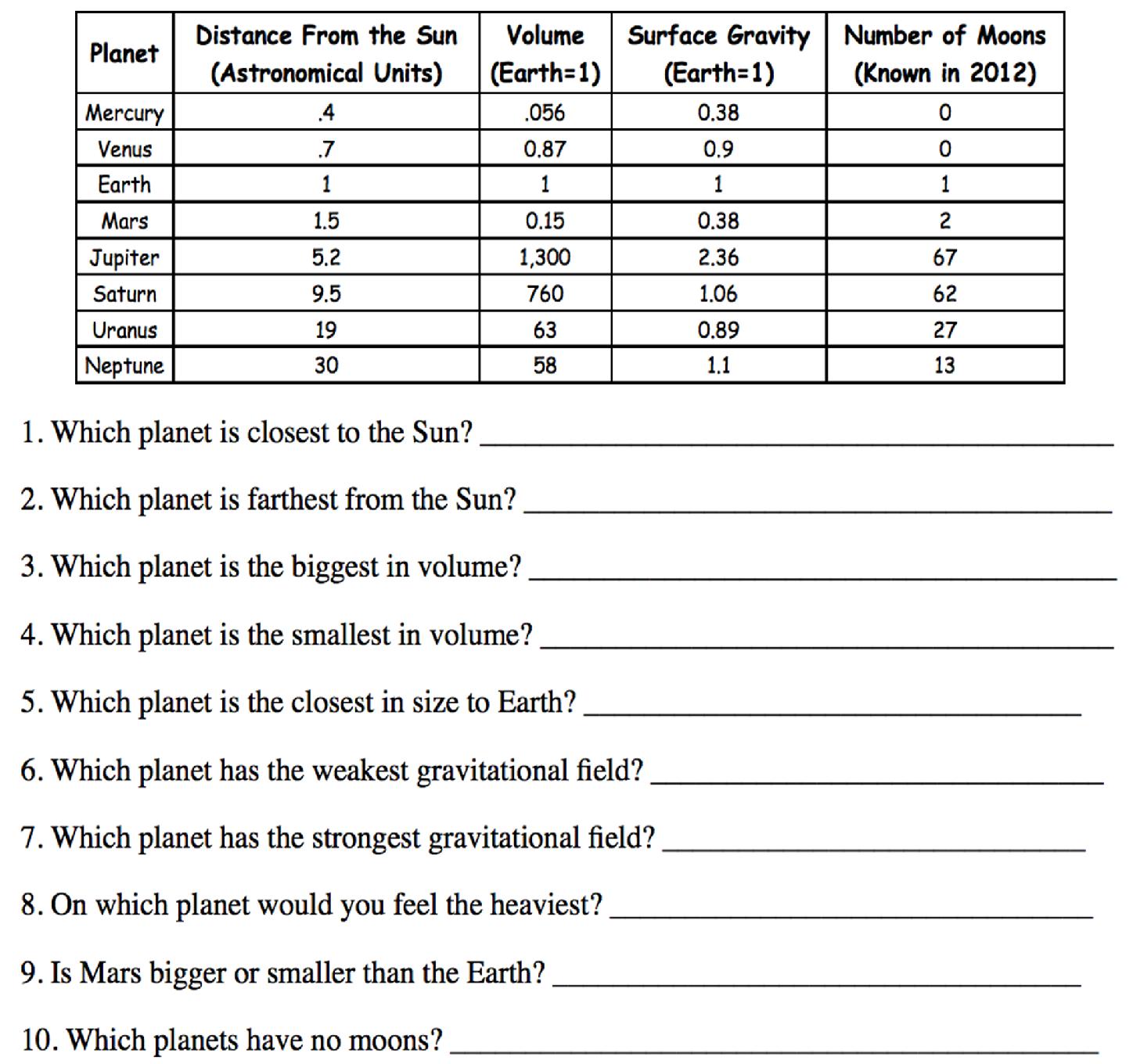
Task #3
Use the table to answer the questions.
VOCABULARY
Chapter 1 – Matter
|
English |
Қазақ тілі |
Русский язык |
|
1 |
nature |
|
|
|
2 |
matter |
|
|
|
3 |
body |
|
|
|
4 |
substance |
|
|
|
5 |
particle |
|
|
|
6 |
atom |
|
|
|
7 |
molecule |
|
|
|
8 |
measurement |
|
|
|
9 |
unit |
|
|
|
10 |
scalar quantity |
|
|
|
11 |
Vector quantity |
|
|
|
12 |
magnitude |
|
|
|
13 |
direction |
|
|
|
14 |
amount |
|
|
|
15 |
length |
|
|
|
16 |
area |
|
|
|
17 |
volume |
|
|
|
18 |
mass |
|
|
|
19 |
density |
|
|
|
20 |
time |
|
|
|
21 |
space |
|
|
|
22 |
shape |
|
|
|
23 |
state |
|
|
|
24 |
solid |
|
|
|
25 |
liquid |
|
|
|
26 |
gas |
|
|
|
Chapter 2 – Motion
|
English |
Қазақ тілі |
Русский язык |
1 |
trajectory, path |
|
|
2 |
motion |
|
|
3 |
position |
|
|
4 |
reference point |
|
|
5 |
displacement |
|
|
6 |
distance |
|
|
7 |
speed |
|
|
8 |
velocity |
|
|
9 |
average speed |
|
|
10 |
uniform motion |
|
|
11 |
acceleration |
|
|
12 |
deceleration |
|
|
13 |
linear motion |
|
|
14 |
circular motion |
|
|
15 |
elliptic motion |
|
|
16 |
projectile motion |
|
|
18 |
initial |
|
|
19 |
final |
|
|
20 |
increase |
|
|
21 |
decrease |
|
|
22 |
constant |
|
|
Chapter 3 - Force
-
English
Қазақ тілі
Русский язык
1
force
2
dynamics
3
types of force
4
lift
5
push
6
pull
7
dynamometer
8
gravitational force
9
weight
10
Hooke's law
11
deformation
12
magnetic
13
electrostatic
14
force
15
tension
16
normal force
17
frictional force
18
inertia
19
resultant force
20
statics
21
equilibrium
22
center of gravity
23
action
24
reaction
Chapter 4 - Pressure
|
English |
Қазақ тілі |
Русский язык |
1 |
pressure |
|
|
2 |
atmospheric pressure |
|
|
3 |
actual weight |
|
|
4 |
apparent weight |
|
|
5 |
depth |
|
|
6 |
Pascal's principle |
|
|
7 |
hydraulic lift |
|
|
8 |
piston |
|
|
9 |
barometer |
|
|
10 |
mercury |
|
|
11 |
pump |
|
|
12 |
Bernoulli's principle |
|
|
13 |
tube |
|
|
14 |
buoyancy |
|
|
15 |
Archimedes' principle |
|
|
16 |
up thrust force |
|
|
17 |
water displaced |
|
|
18 |
volume immersed |
|
|
19 |
transmit |
|
|
20 |
sink |
|
|
21 |
float |
|
|
Chapter 5 - Work, Energy, Power
|
English |
Қазақ тілі |
Русский язык |
1 |
work |
|
|
2 |
energy |
|
|
3 |
potential energy |
|
|
4 |
elastic potential energy |
|
|
5 |
kinetic energy |
|
|
6 |
mechanical energy |
|
|
7 |
height |
|
|
8 |
compress |
|
|
9 |
conservation of energy |
|
|
10 |
power |
|
|
11 |
efficiency |
|
|
12 |
torque |
|
|
13 |
lever |
|
|
14 |
equilibrium |
|
|
15 |
statics |
|
|
16 |
simple machines |
|
|
17 |
load |
|
|
18 |
mechanical advantage |
|
|
19 |
fulcrum, pivot |
|
|
20 |
pulley |
|
|
21 |
fixed pulley |
|
|
22 |
movable pulley |
|
|
23 |
wheel and axle |
|
|
24 |
inclined plane |
|
|
25 |
equal-arm balance |
|
|
Chapter 6 - Heat and Temperature
|
English |
Қазақ тілі |
Русский язык |
1 |
heat |
|
|
2 |
brownian motion |
|
|
3 |
diffusion |
|
|
4 |
molecular-kinetic theory |
|
|
5 |
thermal expansion |
|
|
6 |
expand |
|
|
7 |
contract |
|
|
8 |
thermometer |
|
|
9 |
absolute zero |
|
|
10 |
degree |
|
|
11 |
Celsius scale |
|
|
12 |
conduction |
|
|
13 |
convection |
|
|
14 |
radiation |
|
|
15 |
specific heat capacity |
|
|
16 |
heat exchange |
|
|
17 |
melting |
|
|
18 |
freezing |
|
|
19 |
condensation |
|
|
20 |
evaporation |
|
|
21 |
sublimation |
|
|
22 |
deposition |
|
|
23 |
boiling |
|
|
24 |
vaporization |
|
|
Chapter 7 – Thermodynamics
|
English |
Қазақ тілі |
Русский язык |
|
|
Тhermodynamics |
|
|
|
|
internal energy |
|
|
|
|
absorb |
|
|
|
|
release |
|
|
|
|
Surrounding |
|
|
|
|
Piston |
|
|
|
|
isolated system |
|
|
|
|
adiabatic process |
|
|
|
|
isovolumetric process |
|
|
|
|
isothermal process |
|
|
|
|
isobaric process |
|
|
|
|
hot reservoir |
|
|
|
|
cold reservoir |
|
|
|
|
heat engine |
|
|
|
|
internal combustion |
|
|
|
|
engine |
|
|
|
|
reversible |
|
|
|
|
irreversible |
|
|
|
|
disorder |
|
|
|
|
cycle |
|
|
|
|
fuel |
|
|
|
|
steam |
|
|
|
|
gasoline |
|
|
С
hapter
8 - Electricity
|
English |
Қазақ тілі |
Русский язык |
|
|
electromotive for |
|
|
|
|
electroscope |
|
|
|
|
positive |
|
|
|
|
cell |
|
|
|
|
battery |
|
|
|
|
electrostatics |
|
|
|
|
electricity |
|
|
|
|
charge |
|
|
|
|
negative |
|
|
|
|
insulator |
|
|
|
|
capacitor |
|
|
|
|
potential difference |
|
|
|
|
neutral |
|
|
|
|
dielectric |
|
|
|
|
conductor |
|
|
|
|
permittivity |
|
|
|
|
current source |
|
|
|
|
Сoulomb`s law |
|
|
|
|
electric field |
|
|
|
|
potential |
|
|
|
|
voltage |
|
|
|
|
capacitance |
|
|
Chapter 9 – Magnetism
№ |
English |
Қазақ тілі |
русский язык |
|
|
magnetism |
|
|
|
|
electromagnetism |
|
|
|
|
electromagnetic |
|
|
|
|
induction |
|
|
|
|
coil |
|
|
|
|
solenoid |
|
|
|
|
primary coil |
|
|
|
|
step-down |
|
|
|
|
direct current |
|
|
|
|
alternating current |
|
|
|
|
transformer |
|
|
|
|
compass |
|
|
|
|
natural |
|
|
|
|
artificial |
|
|
|
|
secondary coil |
|
|
|
|
magnet |
|
|
|
|
North pole |
|
|
|
|
South pole |
|
|
|
|
permanent |
|
|
|
|
generator |
|
|
|
|
electric motor |
|
|
|
|
transformer |
|
|
|
|
temporary |
|
|
|
|
step-up transformer |
|
|
Сhapter 10 – Optics
№ |
English |
Қазақ тілі |
русский язык |
|
|
optics |
|
|
|
|
light |
|
|
|
|
luminous source |
|
|
|
|
shadow |
|
|
|
|
umbra |
|
|
|
|
penumbra |
|
|
|
|
solar eclipse |
|
|
|
|
lunar eclipse |
|
|
|
|
plane mirror |
|
|
|
|
reflection |
|
|
|
|
regular reflection |
|
|
|
|
diffuse reflection |
|
|
|
|
incident ray |
|
|
|
|
reflected ray |
|
|
|
|
angle |
|
|
|
|
curved mirror |
|
|
|
|
concave mirror |
|
|
|
|
convex mirror |
|
|
|
|
focus |
|
|
|
|
focal length |
|
|
|
|
image |
|
|
|
|
real |
|
|
|
|
virtual |
|
|
|
|
upright, erect |
|
|
|
|
inverted |
|
|
|
|
refraction of light |
|
|
|
|
index of refraction |
|
|
|
|
critical angle |
|
|
|
|
total internal reflection |
|
|
|
|
prism |
|
|
|
|
spectrum |
|
|
|
|
rainbow |
|
|
|
|
converging lens |
|
|
|
|
diverging lens |
|
|
|
|
mafnification |
|
|
|
|
optical centre |
|
|
|
|
power of lens |
|
|
|
|
dioptre |
|
|
|
|
long-sightednes |
|
|
|
|
near-sightedness |
|
|
Chapter 11 - Nuclear physics
№ |
English |
Қазақ тілі |
Русский язык |
|
|
|
dualism of light |
|
|
|
|
|
photon |
|
|
|
|
|
quantum |
|
|
|
|
|
photoelectric effect |
|
|
|
|
|
work function |
|
|
|
|
|
cut-off (threshold) |
|
|
|
|
|
frequency/wavelength |
|
|
|
|
|
stopping potential |
|
|
|
|
|
control rods |
|
|
|
|
|
nucleus |
|
|
|
|
|
moderator |
|
|
|
|
|
nucleon |
|
|
|
|
|
nuclear reactor |
|
|
|
|
|
critical mass |
|
|
|
|
|
proton |
|
|
|
|
|
nuclear chain reaction |
|
|
|
|
|
neutron |
|
|
|
|
|
nuclear fusion |
|
|
|
|
|
nuclear fission |
|
|
|
|
|
electron |
|
|
|
|
|
half-life |
|
|
|
|
|
gamma decay |
|
|
|
|
|
atomic number |
|
|
|
|
|
nuclear binding energy |
|
|
|
|
|
mass difference (mass loss) |
|
|
|
|
|
atomic mass |
|
|
|
|
|
alpha decay |
|
|
|
|
|
beta decay |
|
|
|
|
|
isotope |
|
|
|
Chapter 12 – Astronomy
|
English |
Қазақ тілі |
Русский язык |
1 |
astronomy |
|
|
2 |
heavenly bodies |
|
|
3 |
planet |
|
|
4 |
star |
|
|
5 |
constellation |
|
|
6 |
asteroid |
|
|
7 |
comet |
|
|
8 |
meteor |
|
|
9 |
meteoroid |
|
|
10 |
meteorite |
|
|
11 |
satellite |
|
|
12 |
universe |
|
|
13 |
horizon |
|
|
14 |
celestial sphere |
|
|
15 |
summer solstice |
|
|
16 |
winter solstice |
|
|
17 |
heliocentre system |
|
|
18 |
geocentre system |
|
|
19 |
vernal equinox |
|
|
20 |
autumn equinox |
|
|
21 |
solar system |
|
|
22 |
Sun |
|
|
23 |
Mercury |
|
|
24 |
Venus |
|
|
25 |
Earth |
|
|
26 |
Mars |
|
|
27 |
Jupiter |
|
|
28 |
Saturn |
|
|
29 |
Uranus |
|
|
30 |
Neptune |
|
|
31 |
Black hole |
|
|
32 |
Milky Way |
|
|
33 |
orbit |
|
|
|
|
|
|









 Бұл курс Қазақстан Республикасы Оқу-ағарту министрлігімен келісілген










