|
Unit of a
long term plan: Values
|
School:
|
|
Date:
|
Teacher
name:
|
|
Class: 5
|
Number
present:
|
absent:
|
|
Lesson
title:
|
What we
value
|
|
Learning objectives(s)
that this
lesson is contributing to (link to the Subject
programme)
|
5.C9 use imagination to express, thoughts,
ideas, experiences and feelings
5.R1 understand the main points in a limited
range of short simple texts on general and curricular
topics
5.W3 write with support factual descriptions at
text level, which describe people, places and objects
5.UE3 use a
growing variety of adjectives and regular and irregular comparative
and superlative adjectives on a limited range of familiar, general
and curricular topics
|
|
Lesson
objectives
|
All learners will be able
to: use imagination to express, thoughts, ideas, experiences and
feelings, understand the main points in short simple context and
write with the support
factual descriptions, using
regular and irregular, comparative and
superlative adjectives on topic «What we value»;
Most learners will be able
to:
justify thoughts,
ideas, experiences, feelings, discuss the main points in text
and rewrite descriptions, choose
appropriate adjectives on topic «What we value»
in context;
Some learners will be able to:
dramatise thoughts,
ideas, experiences, feelings, highlight the main point in
text, organize descriptions and present the rule of adjectives.
|
|
Assessment
criteria
|
Rewrite the main
points from context, using grammar. Write descriptions at text
level. Express own thoughts.
|
|
Language
objective
|
Useful classroom language for dialogue \
writing
Discussion points:
Can you say why…?
Writing
prompts:
|
|
Values
links
|
National unity, peace and
harmony in our society
|
|
Cross-curricular links
|
Self-knowledge
|
|
Previous
learning
|
Friendship.
(adjectives.)
|
|
Plan
|
|
Planned
times
|
Planned
activities(replace the notes below with your planned
activities)
|
Resources
|
|
Start
2 minutes
5 minutes
|
1). Organizational moment. Greeting.
Good
morning, children! How are you today?
2). Checking up homework. Pupils should write
their own poem about friendship.
3). Lead-in.
* If we value our
health, we will be careful about what and how we
eat;
* if we value our
friends, we will treat them with
respect;
* if we value money, we
will be careful while
spending;
* if we value our time,
we will not waste it.
*if we value
relationship we will not break
it.

Match the proverbs with pictures.
Do you agree with this statements?
Basketballing
questions:
What are values for you?
What do you value in your
life?
4).
Puzzle.(dividing
into groups)
Teacher gives part of pictures for each pupil, they need to
make up the whole picture and divide into groups according to them.
(4 pictures and 4 groups).
|
1 slide
2 slide
3
slide
|
|
Middle
2 minute
5 minute
2 minute
5 minute
10 minute
|
Pre-teaching. Key words:
kindness, honesty,
accuracy, hardworking, creativity, respect, humor, beauty,
cleverness, discipline, friendship, logic, love, passions,
self-control, independence, unity.
5).
Drilling.
Look at these pictures
and say your association. (friends, family, mother,
father,)
  
Video
(adjectives)

6).
Practice.
Exercise 1.
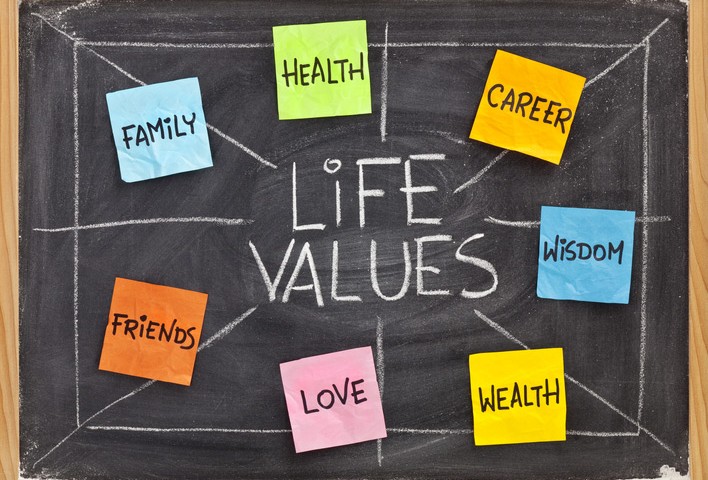
Make a mindmap.
Exercise 2.
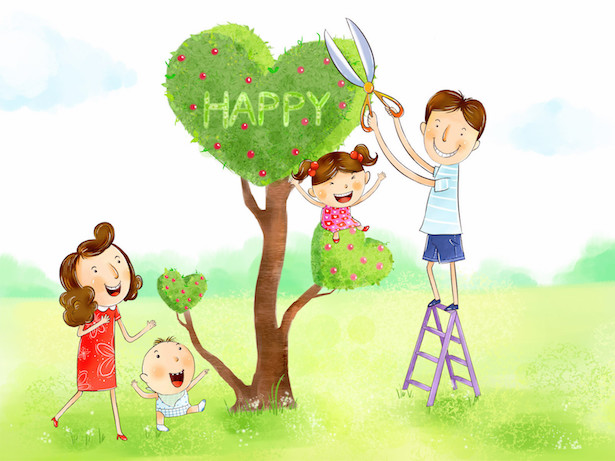
Top down. Connect pictures with
each other. Make your own sentences. Use
regular and irregular comparative and superlative
adjectives.
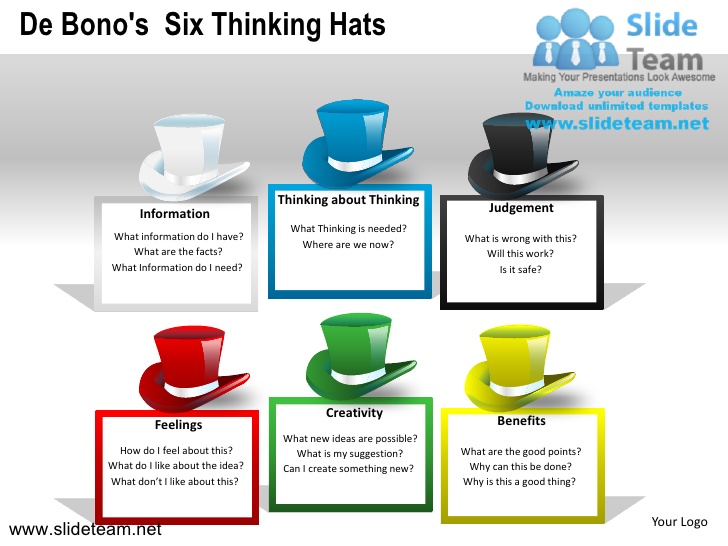
Exercise
4. Six hats.
The value of friendship is something that few
people take time to really appreciate. When you need a friend, you
realize just how important it is to have a strong relationship to
another person. Everyone values friendship, but it's
especially important when you are a teenager and a young adult. A
special friendship provides someone to talk to and hang out with,
laughter, advice and so much more. But,
friendship can hurt your soul. Sometimes friends argue. To be good
friends you are to understand each
other. There are so many things teens go through that good
friends can help with.
|
4 slide
https://www.youtube.com/watch?v=872gqAJjc1g
5 slide
6 slide
7 slide
|
|
End
2 min
5 minutes
smiles
formative
assessment
|
7). Assessment.
Answer the
questions.
What do you understand by
today’s lesson?
How do you think what is
the most important thing in our life?
Descriptors:
1. to read
2. to understand
3. to write
8).Feedback.
Sandwich 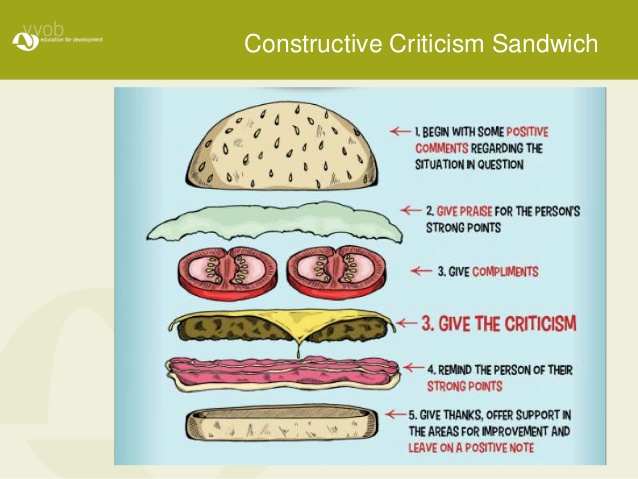
|
8
slide
|
|
Additional
information
|
|
Differentiation-how do you plan to give more
support?
How do you
plan to challenge the more able learners?
|
Assessment-how are you planning to check learners’
learning
|
Health and
safety
|
|
|
|
|
|
Reflection
Were the lessons objectives/learning objectives
realistic?
What did the learners learn today
What was the learning atmosphere
like?
Did my planned differentiation work
well?
Did I stick to things? What changes did I make
from my plan and why?
|
Use the space
below to reflect on your lesson. Answer the most relevant questions
from the box on the left about your lesson.
|
|
Summary evaluation
What two things went really well (consider both
teaching and learning)?
1:
2:
What two things would have improved the lesson
(consider both teaching and learning)?
1:
2:
What I have learned from this lesson about the
class or individuals that will inform my next lesson?
|

 ЖИ көмекші


 Қауіпсіз төлем













 Бұл курс Қазақстан Республикасы Оқу-ағарту министрлігімен келісілген










