
 ЖИ көмекші


 Қауіпсіз төлем

жүктеу мүмкіндігіне ие боласыз
Бұл материал сайт қолданушысы жариялаған. Материалдың ішінде жазылған барлық ақпаратқа жауапкершілікті жариялаған қолданушы жауап береді. Ұстаз тілегі тек ақпаратты таратуға қолдау көрсетеді. Егер материал сіздің авторлық құқығыңызды бұзған болса немесе басқа да себептермен сайттан өшіру керек деп ойласаңыз осында жазыңыз
 06 Қаңтар 2021
 539

1 жыл бойы шексіз жүктеңіз
Our world.An environmental problem
Lesson Plan
|
|||||||||||||||||||||||||||||||||||||||||||||||||||||||||||||||||||||||||||||||||||||||||||||||||||||||||||||||||||
LESSON: OUR WORLD. An environmental problem |
School - lyceum №52 |
||||||||||||||||||||||||||||||||||||||||||||||||||||||||||||||||||||||||||||||||||||||||||||||||||||||||||||||||||
Date: |
Teacher name: Kirabaeva Lazzat |
||||||||||||||||||||||||||||||||||||||||||||||||||||||||||||||||||||||||||||||||||||||||||||||||||||||||||||||||||
CLASS: 8 |
Number present: |
absent: |
|||||||||||||||||||||||||||||||||||||||||||||||||||||||||||||||||||||||||||||||||||||||||||||||||||||||||||||||||
Learning objectives(s) that this lesson is contributing to |
8.R4 read a growing range of extended fiction and non-fiction texts on familiar and some unfamiliar general and curricular topics 8.W5 develop with support coherent arguments supported when necessary by examples and reasons for a growing range of written genres in familiar general and curricular topics |
||||||||||||||||||||||||||||||||||||||||||||||||||||||||||||||||||||||||||||||||||||||||||||||||||||||||||||||||||
Lesson objectives |
All learners will be able to:
|
||||||||||||||||||||||||||||||||||||||||||||||||||||||||||||||||||||||||||||||||||||||||||||||||||||||||||||||||||
Most learners will be able to
|
|||||||||||||||||||||||||||||||||||||||||||||||||||||||||||||||||||||||||||||||||||||||||||||||||||||||||||||||||||
Some learners will be able to:
|
|||||||||||||||||||||||||||||||||||||||||||||||||||||||||||||||||||||||||||||||||||||||||||||||||||||||||||||||||||
Assessment criteria |
|
||||||||||||||||||||||||||||||||||||||||||||||||||||||||||||||||||||||||||||||||||||||||||||||||||||||||||||||||||
Value links |
Mangylik yel Patriotic Act . |
||||||||||||||||||||||||||||||||||||||||||||||||||||||||||||||||||||||||||||||||||||||||||||||||||||||||||||||||||
Cross curricular links |
Biology |
||||||||||||||||||||||||||||||||||||||||||||||||||||||||||||||||||||||||||||||||||||||||||||||||||||||||||||||||||
Previous learning |
Know about pollution and what might causes them |
||||||||||||||||||||||||||||||||||||||||||||||||||||||||||||||||||||||||||||||||||||||||||||||||||||||||||||||||||
Plan |
|||||||||||||||||||||||||||||||||||||||||||||||||||||||||||||||||||||||||||||||||||||||||||||||||||||||||||||||||||
Planned timings |
Planned activities |
Resources |
|||||||||||||||||||||||||||||||||||||||||||||||||||||||||||||||||||||||||||||||||||||||||||||||||||||||||||||||||
Beginning
4 min
|
Organizational moment.
Key: An environmental problem
Learning objectives and assessment criteria to the lesson are shown from presentation. |
Cards
Worksheet
PPP |
|||||||||||||||||||||||||||||||||||||||||||||||||||||||||||||||||||||||||||||||||||||||||||||||||||||||||||||||||
Middle 32 min
|
Pre reading. Carousel. Teacher elicits vocabulary. Three groups write words connected to the theme. Each group uses own color, group one uses red marker, group two – blue and group three – green ones. When times is up group switches the papers and continue writing missing words on given list. Teacher uses group assessment to check the amount of learned words.
Teacher elicits and concept checks words given to learn at home.
For example: How can we name big ice on ocean? - Glacier Big mountain which produces gas and extremely hot liquid. What is it? What is the process when that mountain is wakening up?
To keep pace Shift encompass fossil fuels emit enhance average temperature suspended
Pupils look through words and should guess the plot of text.
Jigsaw reading.
Group 1:
Glaciers are melting, sea levels are rising, cloud forests are dying, and wildlife is scrambling to keep pace. We often call the result global warming, but it is causing a set of changes to the Earth's climate, or long-term weather patterns, that varies from place to place. While many people think of global warming and climate change as synonyms, scientists use “climate change” when describing the complex shifts now affecting our planet’s weather and climate systems—in part because some areas actually get cooler in the short term. Climate change encompasses not only rising average temperatures but also extreme weather events, shifting wildlife populations and habitats, rising seas, and a range of other impacts. All of those changes are emerging as humans continue to add heat-trapping greenhouse gases to the atmosphere, changing the rhythms of climate that all.
Group 2: Levels of greenhouse gases have gone up and down over the Earth's history, but they had been fairly constant for the past few thousand years. Global average temperatures had also stayed fairly constant over that time—until the past 150 years. Through the burning of fossil fuels and other activities that have emitted large amounts of greenhouse gases, particularly over the past few decades, humans are now enhancing the greenhouse effect and warming Earth significantly, and in ways that promise many effects, scientists warn. But climate models that scientists use to monitor Earth’s temperatures take those factors into account. Changes in solar radiation levels as well as minute particles suspended in the atmosphere from volcanic eruptions, for example, have contributed only about two percent to the recent warming effect. The balance comes from greenhouse gases and other human-caused factors, such as land use change.
Group 3: The rapid rise in greenhouse gases is a problem because it’s changing the climate faster than some living things can adapt to. Also, a new and more unpredictable climate poses unique challenges to all life. The difference between average global temperatures today and during those ice ages is only about 9 degrees Fahrenheit (5 degrees Celsius), and the swings have tended to happen slowly, over hundreds of thousands of years. In addition to sea levels rising, weather can become more extreme. This means more intense major storms, more rain followed by longer and drier droughts—a challenge for growing crops—changes in the ranges in which plants and animals can live, and loss of water supplies that have historically come from glaciers.
Each group member should narrate given part of text. One by one using own turn.
CCQ’s:
Criteria:
OREO writing. (I) Pupils write persuasive letter to his friend. Thesis statement: We should take major responsibility in solving environmental problems.
Opinion Reason Example Reason Example Reason Example Opinion (conclusion)
Sentence starters: In my opinion…. Because….. I believe that …… Without doubt……. Everyone knows that….. Linking words: in order to, due to, as an example, for instance, in addition, moreover, to conclude, to sum up.
Criteria to writing:
|
Paper, green, blue, and red markers
https://www.nationalgeographic.com/environment/global-warming/global-warming-overview/
|
|||||||||||||||||||||||||||||||||||||||||||||||||||||||||||||||||||||||||||||||||||||||||||||||||||||||||||||||||
End 4 min |
Self – assessment: learning objectives are shown again and speak about what they have done during the lesson. |
PPP |
|||||||||||||||||||||||||||||||||||||||||||||||||||||||||||||||||||||||||||||||||||||||||||||||||||||||||||||||||
Additional information |
|||||||||||||||||||||||||||||||||||||||||||||||||||||||||||||||||||||||||||||||||||||||||||||||||||||||||||||||||||
Differentiation – how do you plan to give more support? How do you plan to challenge the more able learners? |
Assessment – how are you planning to check learners’ learning? |
Health and safety check |
|||||||||||||||||||||||||||||||||||||||||||||||||||||||||||||||||||||||||||||||||||||||||||||||||||||||||||||||||
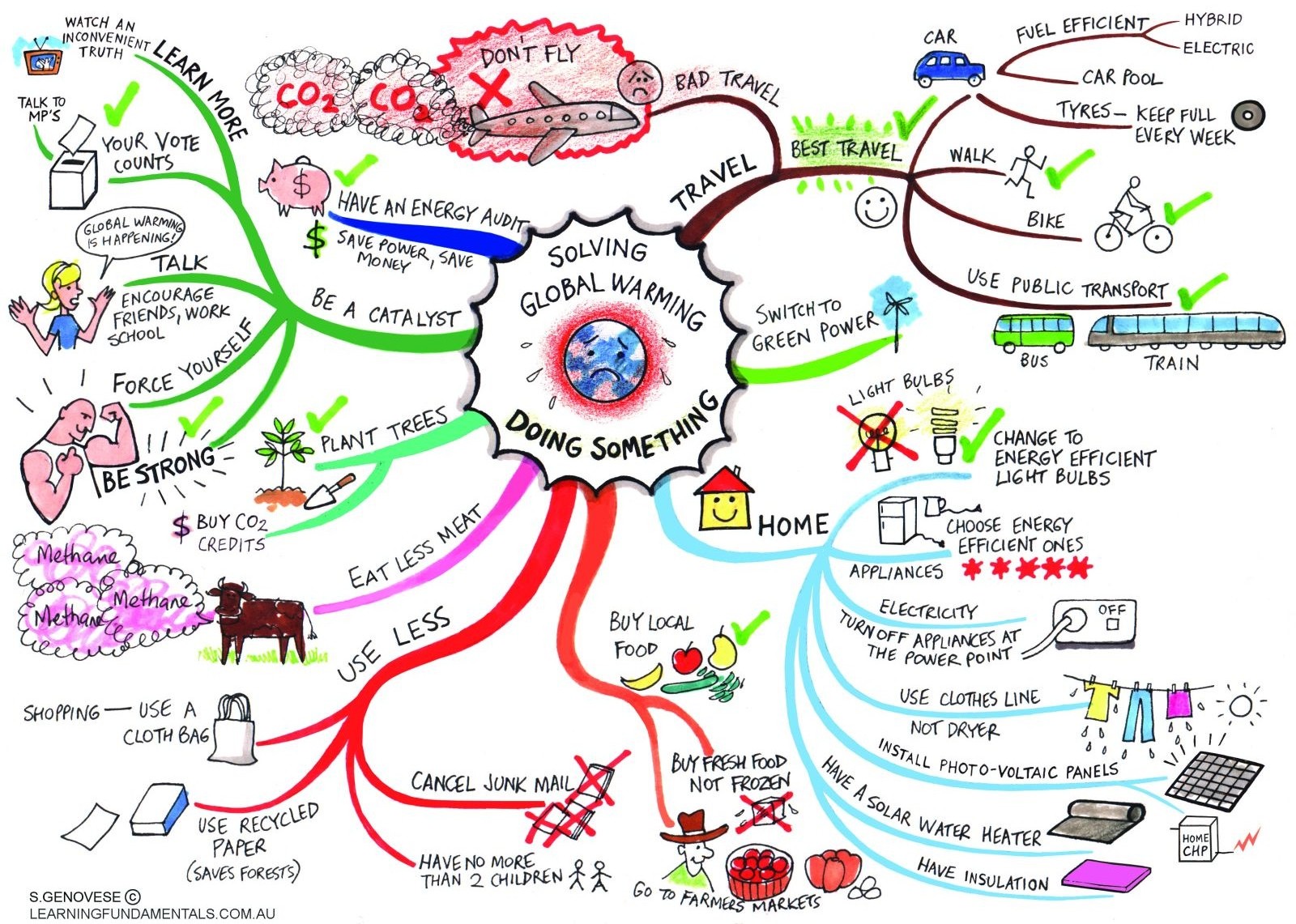
Support is given in all stages of the lesson: beginning, middle end. Support is given for weak pupils. I used speaking prompts, additional resource, waiting time and second chance as a support: While reading I allow to use dictionary and translation of difficult words. For example: enhance – усиливать, Fahrenheit- фаренгейт, etc. During CCQ’s I give thinking time to be ready and break the barrier and ask from weak pupils easy questions. Also they can find the answer from text and read it. To challenge my strong pupils I ask to prove their point of view. In order to cover the objectives I allow for weak pupils to use additional resources to write persuasive letter. I give them mind map, there they can find information to give examples and persuade his friend.
Also this activity used as differentiation by level. Pupils write letters on their own level. Weak pupils make short sentences and strong pupils make complex ones. |
To give right direction to perform tasks I used eavesdropping while pupils read and discuss given part of text in jigsaw reading. Also I could control and involve all my pupils into the learning process. Method conscripts and volunteers helped me to involve my shy learners to answer CCQ’s. Due to it I could know how well they comprehend given text. Also I used criteria to jigsaw reading OREO writing. Thus at the end of lesson pupils could define which objectives they could cover.
|
Safety rules are kept during the lesson.
|
|||||||||||||||||||||||||||||||||||||||||||||||||||||||||||||||||||||||||||||||||||||||||||||||||||||||||||||||||
Reflection Were the lesson objectives/learning objectives realistic? What did the learners learn today? What was the learning atmosphere like? Did my planned differentiation work well? Did I stick to timings? What changes did I make from my plan and why?
|
Use the space below to reflect on your lesson. Answer the most relevant questions from the box on the left about your lesson. |
||||||||||||||||||||||||||||||||||||||||||||||||||||||||||||||||||||||||||||||||||||||||||||||||||||||||||||||||||
|
|||||||||||||||||||||||||||||||||||||||||||||||||||||||||||||||||||||||||||||||||||||||||||||||||||||||||||||||||||
Summary evaluation
What two things went really well (consider both teaching and learning)?
1: 2:
What two things would have improved the lesson (consider both teaching and learning)?
1: 2:
What have I learned from this lesson about the class or individuals that will inform my next lesson?
|
|||||||||||||||||||||||||||||||||||||||||||||||||||||||||||||||||||||||||||||||||||||||||||||||||||||||||||||||||||










 Бұл курс Қазақстан Республикасы Оқу-ағарту министрлігімен келісілген










