
 ЖИ көмекші


 Қауіпсіз төлем

жүктеу мүмкіндігіне ие боласыз
Бұл материал сайт қолданушысы жариялаған. Материалдың ішінде жазылған барлық ақпаратқа жауапкершілікті жариялаған қолданушы жауап береді. Ұстаз тілегі тек ақпаратты таратуға қолдау көрсетеді. Егер материал сіздің авторлық құқығыңызды бұзған болса немесе басқа да себептермен сайттан өшіру керек деп ойласаңыз осында жазыңыз
 21 Ақпан 2020
 2022

1 жыл бойы шексіз жүктеңіз
People in sport
Lesson plan
LESSON: People in sport |
School: 9 |
||||||||||||||||||||||
Date: 13.04.2018 |
|||||||||||||||||||||||
CLASS: 7 |
Number present: 12 |
absent: 0 |
|||||||||||||||||||||
Learning objectives(s) that this lesson is contributing to |
7.L4 understand with limited support the main points of extended talk on a range of general and curricular topics; 7.S3 give an opinion at sentence and discourse level on an increasing range of general and curricular topics; 7.S6 communicate meaning clearly at sentence and discourse level during, pair, group and whole class exchanges; 7 W6 link, with minimal support, sentences into coherent paragraphs using basic connectors on a growing range of familiar general topics; 7. UE8 Use imperative sentences on a range of familiar general and curricular topics. |
||||||||||||||||||||||
Lesson objectives |
All learners will be able to: |
||||||||||||||||||||||
make sentences about people in sport |
|||||||||||||||||||||||
Most learners will be able to: |
|||||||||||||||||||||||
use imperatives in speech |
|||||||||||||||||||||||
Some learners will be able to: |
|||||||||||||||||||||||
give advice |
|||||||||||||||||||||||
Language objective |
Learners can: show their opinions about sport; make sentences with new words; make suggestions. |
||||||||||||||||||||||
Key words and phrases: |
|||||||||||||||||||||||
captain, champion, finalist, supporter, TV reporter, manager, owner, referee, sponsor, loser, trainer, go out late, go to bed |
|||||||||||||||||||||||
Useful classroom language for dialogue/writing: |
|||||||||||||||||||||||
Discussion points: |
|||||||||||||||||||||||
Should sportspersons do sport more? Should sportspersons give up smoking? |
|||||||||||||||||||||||
Can you say why…? |
|||||||||||||||||||||||
Can you say why sport is important in our life? |
|||||||||||||||||||||||
Writing prompts: |
|||||||||||||||||||||||
keep fit, feel good, don’t be ill, to be healthy |
|||||||||||||||||||||||
Previous learning |
limited range of words according to the theme: health, medicine, healthy habits. |
||||||||||||||||||||||
Plan |
|||||||||||||||||||||||
Planned timings |
Planned activities |
Resources |
|||||||||||||||||||||
Start 7 minutes
3 minutes
|
Organization moment:
Pupils watch the video about sport, answer the questions and try to guess the theme of the lesson. 7.S3 To answer to divergent question. Which sport do you like? Why? Are there sports events for disabled people? What companies sponsor sports teams?
|
Audio-visual demonstrations, pictures |
|||||||||||||||||||||
Middle 5 minutes
5 minutes
10 minutes
7 minutes |
Presentation of new words by picture. New words: captain, champion, finalist, supporter, TV reporter, manager, owner, referee, sponsor, loser, trainer 7.L4. Matching. Match the photos with the words. Then listen and check. Captain, champion, finalist, supporter, TV reporter, manager, owner, referee, sponsor, loser, trainer
7.W.6 Completing sentences. Ex2 Complete the sentences with your own ideas. 1.______ is the captain of _____. 2.______ is the manager of _____. 3. ______were champions last year. 4._______were finalists in a big competition last year. 5. _____ are sponsors of _____.
Assessment
UE8. Teacher explains grammar. We do not use a subject before an imperative:
Buy
the player. NOT In negative imperatives, we use DON’T rather than NOT:
Don’t
buy the player. Not Work in pairs. A friend wants to become a sportsperson. Make suggestions. Use affirmative and negative imperative forms of the words: Contact, drink, eat, go out late, go to bed, practice, plan, smoke. Example: Practice every day. Differentiation. To weaker learners, teacher consolidates imperatives, write drink, eat, go on the board. They say I’m hungry, I’m thirsty, etc. Teacher asks students to give advice using imperative. Stronger learners can give advice without relying on prompts.
7.S6. Teacher asks each group to fill the Venn Diagram Differences similarity Differences
People in sport
People out of sport
|
English plus 7 grade, pictures,
Web search, assessment cards
A3, Venn diagram |
|||||||||||||||||||||
End 3 minutes |
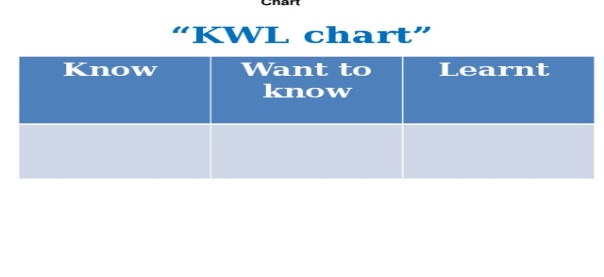
Feedback. Learners fill the table. KWL chart
|
Sheets of paper |
|||||||||||||||||||||


Additional information |
|||
Differentiation – how do you plan to give more support? How do you plan to challenge the more able learners? |
Assessment – how are you planning to check learners’ learning? |
Cross-curricular links Health and safety check ICT links Values links |
|
So the pupils have different knowledge level, different level skills, I gave support by prompts for weaker learners. Strong learners were able to show their opinions clearly without any support. |
monitoring through questioning Criteria - based assessment |
Cross-curricular links: PE, Biology Health and safety check: comfortable and safety condition for the class ICT links: computer, smartphones Values links: know healthy habits, teach pupils to show respect for one another and other opinions |
|
Reflection Were the lesson objectives/learning objectives realistic? What did the learners learn today? What was the learning atmosphere like? Did my planned differentiation work well? Did I stick to timings? What changes did I make from my plan and why? |
Use the space below to reflect on your lesson. Answer the most relevant questions from the box on the left about your lesson. Yes, because it is very important to led healthy life and every learner should know and identify good and habits, that influence our life in general.
In my opinion all learners understood the main grammar rules and importance of healthy habits, and the action the sportsperson must to do.
|
||
The learning atmosphere was communicative, pleasant and friendly. To my opinion, my differentiation work was well. I could give learners tasks according to their knowledge level that’s why learners did the tasks well and on time.
I stuck to timings, I have finished on time. I didn't make any changes, all stages were done well. And I achieve goals of the lesson.
|
|||
Summary evaluation What two things went really well (consider both teaching and learning)?
1: Presentation of new words with pictures and use matching technique and gave learners opportunity to check themselves and develop their listening skills better.
2: Venn Diagram helped clearly show the potential of learners What two things would have improved the lesson (consider both teaching and learning)?
1: Learners speaking about their opinions
2: Using Internet service during the lesson. What have I learned from this lesson about the class or individuals that will inform my next lesson? At the next lesson I’ll prepare the complex tasks, because some of the tasks were simple to do for some learners, so I should complicate tasks for them. |
|||
Self –assessment –the leader of the group will be able evaluate the group mates
‘5’ without mistakes 1-2, 3points 18-20=5 ‘4’ 2-3 mistakes 2 points 15-17=4 ‘3’ 1 point 11-14=3 |









 Бұл курс Қазақстан Республикасы Оқу-ағарту министрлігімен келісілген










